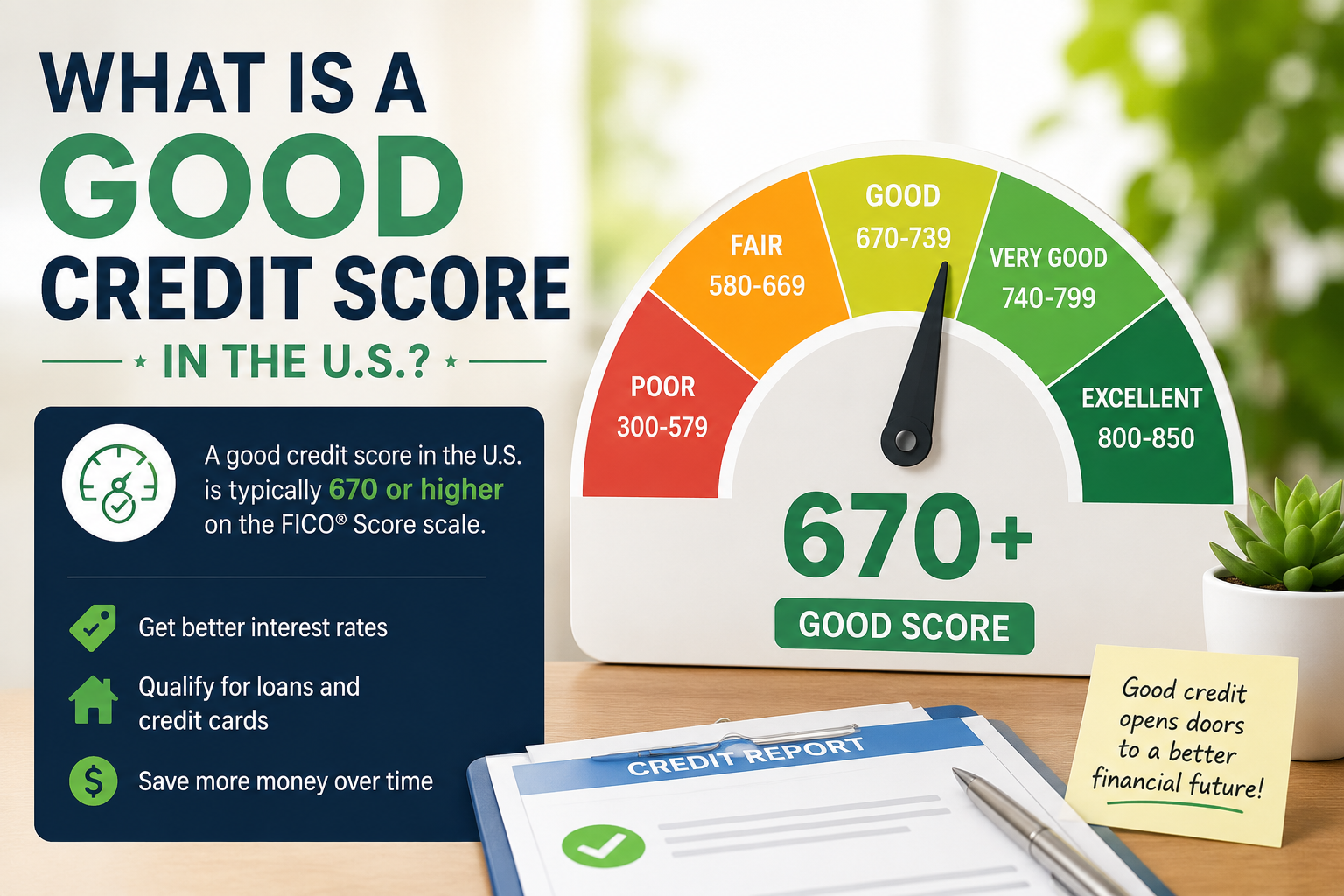
Many people avoid checking their credit score because they’ve heard it can lower it.
Perhaps you’ve been told that every time you look at your credit score, it drops a few points. Or maybe you’ve delayed checking your score before applying for a mortgage or credit card because you were worried about hurting your chances of approval.
Fortunately, that’s one of the biggest myths about credit.
In reality, checking your own credit score is not only safe—it’s one of the smartest financial habits you can develop. Regularly monitoring your credit helps you understand your financial progress, detect identity theft early, identify reporting errors, and prepare for major financial decisions.
Confusion usually happens because people mix up checking their own credit score with applying for new credit. Although both involve reviewing credit information, they are treated very differently by credit-scoring models.
Understanding the difference can help you monitor your credit with confidence while avoiding unnecessary concerns.
In this guide, you’ll learn why checking your own credit score doesn’t hurt it, what a credit inquiry is, the difference between soft and hard inquiries, and when a credit check may actually affect your credit score.
Quick Answer
No, checking your own credit score does not hurt your credit score. When you check your own score or review your own credit report, it is generally recorded as a soft inquiry, which does not affect your credit scores. A hard inquiry may occur when you apply for new credit, such as a credit card, mortgage, auto loan, or personal loan, and that type of inquiry may have a small, temporary impact on your credit score. The impact depends on your overall credit profile and the scoring model being used.
Does Checking Your Own Credit Score Lower It?
The simple answer is no.
Whether you check your credit score through your bank, a credit card issuer, a credit-monitoring service, or another reputable provider, looking at your own credit information does not lower your credit score.
You can check your score:
- Every week
- Every month
- Every day
- Multiple times in one day
None of these actions, by themselves, will reduce your credit score.
In fact, regularly reviewing your credit is encouraged because it allows you to:
- Track improvements over time.
- Notice unexpected drops in your score.
- Identify errors on your credit report.
- Detect signs of identity theft.
- Prepare before applying for major credit.
- Better understand how your financial decisions affect your credit profile.
For example, imagine Sarah checks her credit score every Monday morning to monitor her financial progress.
Her score remains unchanged simply because she viewed it.
However, if her credit card issuer reports a higher balance or a new payment during the week, her score may change because new information was added to her credit file—not because she checked it.
This distinction is important.
Checking your score does not cause it to decrease. Changes in your credit report are what may cause your score to change.
Why Checking Your Own Credit Is a Soft Inquiry
Whenever someone accesses credit information, a record called a credit inquiry may be created.
There are two main types of inquiries:
- Soft inquiries
- Hard inquiries
Checking your own credit score almost always creates a soft inquiry.
A soft inquiry is simply a record that someone reviewed credit information for a purpose that is not considered an application for new credit.
Because you are not asking to borrow money, credit-scoring models generally do not treat this type of inquiry as additional lending risk.
Common examples of soft inquiries include:
- Checking your own credit score.
- Reviewing your own credit report.
- Using a credit-monitoring service.
- Receiving prequalified or preselected credit offers.
- Existing lenders reviewing your accounts.
- Certain employment or insurance reviews where permitted by law.
Soft inquiries are visible to you on your credit report, but they are generally not visible to lenders evaluating your credit application and do not affect your credit score.
Think of a soft inquiry as simply checking your financial health—similar to stepping on a scale. Looking at the number doesn’t change your weight; it only tells you where you currently stand.
What Is a Credit Inquiry?
A credit inquiry is a record showing that someone accessed your credit information.
Credit inquiries help document who reviewed your credit file and, in many cases, why it was accessed.
Not every inquiry has the same purpose.
Some occur because you requested new credit, while others happen because you checked your own credit or because an existing lender reviewed your account.
Credit inquiries generally fall into two categories:
Soft Inquiry
A soft inquiry usually occurs when credit information is reviewed without a request for new borrowing.
Examples include:
- You check your own credit score.
- You obtain your own credit report.
- A lender sends you a prequalified offer.
- An existing credit card company performs a periodic account review.
- A credit-monitoring service updates your score.
Soft inquiries do not affect your credit score.
Hard Inquiry
A hard inquiry usually occurs after you apply for new credit.
Examples include:
- Applying for a credit card.
- Applying for a mortgage.
- Applying for an auto loan.
- Applying for a personal loan.
- Applying for certain retail financing.
Because a hard inquiry may indicate that you are seeking additional credit, some credit-scoring models may consider it when calculating your score.
A single hard inquiry often has only a small, temporary effect, while many recent hard inquiries may have a greater impact depending on your overall credit history and the scoring model.
We’ll explore hard inquiries in more detail later in this guide.
Credit Score Check vs. Credit Application
Many people confuse these two actions, but they are very different.
| Checking Your Credit Score | Applying for New Credit |
|---|---|
| You review your own credit information. | You ask a lender to approve new credit. |
| Creates a soft inquiry. | Usually creates a hard inquiry. |
| Does not affect your credit score. | May have a small, temporary effect on your credit score. |
| Helps monitor your financial health. | Allows a lender to evaluate your application. |
| Can be done as often as you like. | Should be done thoughtfully, especially if making several applications within a short period. |
A useful way to remember the difference is this:
- Checking your own score is for information.
- Applying for credit is for borrowing money.
Only the second situation may affect your credit score because it signals that you are seeking new credit.
Key Takeaway
Checking your own credit score does not hurt your credit score. It is generally recorded as a soft inquiry, which does not affect credit-scoring models. Regularly reviewing your score is a good financial habit because it helps you monitor your progress, identify reporting errors, detect potential identity theft, and prepare for important financial decisions.
The confusion comes from mixing up a credit score check with a credit application. When you apply for a loan or credit card, the lender will usually perform a hard inquiry, which may have a small, temporary impact on your credit score. Simply viewing your own score does not have that effect.
Understanding Hard and Soft Credit Inquiries
Every time someone accesses your credit information, a record called a credit inquiry may be created.
However, not every inquiry affects your credit score.
Some inquiries are simply part of monitoring your credit or managing an existing account. Others happen because you’ve applied for new credit and a lender wants to evaluate your application.
Understanding the difference between hard inquiries and soft inquiries can help you avoid unnecessary worry, make smarter borrowing decisions, and confidently monitor your credit without fear of lowering your score.
What Is a Soft Inquiry?
A soft inquiry occurs when your credit information is reviewed for a purpose that is not considered an application for new credit.
Because you are not asking to borrow money, soft inquiries are generally not included in credit score calculations.
Think of a soft inquiry as an informational review rather than a lending decision.
Common Examples of Soft Inquiries
1. Checking Your Own Credit Score
Whenever you log in to your bank, credit card account, or a reputable credit-monitoring service to view your credit score, a soft inquiry is typically created.
This is one of the safest and most common reasons for a soft inquiry.
No matter how often you check your own score, it does not lower your credit score.
2. Reviewing Your Own Credit Report
Requesting your own credit report is also considered a soft inquiry.
Whether you obtain your report from AnnualCreditReport.com or another authorized source, reviewing your own credit history does not affect your credit score.
Checking both your credit report and your credit score regularly is a good financial habit.
3. Credit Monitoring Services
Many banks and financial websites offer free credit-monitoring tools.
These services may:
- Update your credit score regularly.
- Notify you about important changes.
- Alert you to new accounts.
- Warn you about hard inquiries.
- Monitor potential identity theft.
Because these services monitor your credit on your behalf rather than evaluate a credit application, they generally generate only soft inquiries.
4. Prequalified Credit Card Offers
You may receive letters or emails saying you are prequalified or preselected for a credit card or loan.
In many cases, the lender has performed a limited review of your credit profile using a soft inquiry.
Receiving one of these offers does not hurt your credit score.
However, if you later submit a formal application, the lender may perform a hard inquiry.
5. Existing Account Reviews
Banks and credit card companies sometimes review the accounts of existing customers.
These reviews may happen when the lender is:
- Monitoring account risk.
- Considering a credit-limit increase.
- Reviewing promotional offers.
- Checking eligibility for new products.
- Managing existing accounts.
These routine reviews are generally soft inquiries.
6. Employment or Insurance Reviews
In some situations and where permitted by law, an employer or insurance company may review certain credit information as part of a background or underwriting process.
These reviews generally do not affect your credit score because they are treated as soft inquiries.
The exact rules vary depending on federal and state laws.
Who Can See Soft Inquiries?
One reason people worry unnecessarily is that they believe lenders can see every time they check their own credit.
Fortunately, that isn’t how it works.
Soft inquiries:
- Are visible to you when reviewing your own credit report.
- Generally are not visible to lenders evaluating your credit application.
- Do not affect your credit score.
- Can occur frequently without causing concern.
This means you can check your score every week—or even every day—without worrying that lenders will think you’re seeking new credit.
What Is a Hard Inquiry?
A hard inquiry usually occurs when you apply for new credit and authorize a lender to review your credit history.
Unlike soft inquiries, hard inquiries may be considered by some credit-scoring models because they can indicate that you are seeking additional borrowing.
A hard inquiry does not mean you will automatically be approved or denied. It simply records that a lender reviewed your credit in connection with an application.
Common Examples of Hard Inquiries
1. Applying for a Credit Card
Submitting an application for a new credit card is one of the most common reasons for a hard inquiry.
The card issuer reviews your credit history to help decide whether to approve your application.
2. Applying for a Mortgage
Mortgage lenders typically perform a hard inquiry when reviewing your application.
Because mortgages involve significant amounts of money, lenders carefully evaluate your credit history before making a lending decision.
3. Applying for an Auto Loan
When financing a vehicle, the lender generally reviews your credit report through a hard inquiry.
If you shop around for the best rate within a relatively short period, many credit-scoring models treat certain auto-loan inquiries as a single inquiry for scoring purposes.
4. Applying for a Personal Loan
Banks, credit unions, and online lenders commonly perform a hard inquiry when you apply for a personal loan.
The lender reviews your credit profile alongside other information, such as your income and existing debts.
5. Retail Store Financing
Applying for financing offered by furniture stores, electronics retailers, or department stores often results in a hard inquiry because you are requesting new credit.
6. Certain Apartment or Utility Applications
Some landlords and utility providers may perform a hard inquiry if they are evaluating your credit as part of an application.
Others may use only a soft inquiry.
Practices vary by company and location, so it is reasonable to ask which type of credit check will be performed before authorizing it.
Who Can See Hard Inquiries?
Hard inquiries are generally visible to:
- You
- Future lenders reviewing your credit application
Because hard inquiries may be seen by lenders, they can provide additional context about recent credit applications.
However, lenders usually evaluate your overall credit profile rather than focusing on a single inquiry.
One recent hard inquiry is generally much less important than factors such as payment history, debt levels, and income.
Hard Inquiry vs. Soft Inquiry
| Feature | Soft Inquiry | Hard Inquiry |
|---|---|---|
| Occurs when checking your own credit | ✔ Yes | ✘ No |
| Occurs after applying for credit | ✘ No | ✔ Yes |
| May affect your credit score | ✘ No | ✔ May have a small temporary effect |
| Visible to lenders | Generally no | Yes |
| Visible to you | Yes | Yes |
| Examples | Credit monitoring, checking your score, prequalification, existing account reviews | Credit card applications, mortgages, auto loans, personal loans |
Why Hard Inquiries May Affect Your Credit Score
When someone applies for several new credit accounts in a short period, lenders may see that as a sign that the borrower could soon take on additional debt.
For that reason, some credit-scoring models may consider recent hard inquiries when calculating a credit score.
However, it’s important to keep this in perspective.
A single hard inquiry often has only a small, temporary effect, if any.
Other factors—such as paying your bills on time, keeping credit card balances manageable, and maintaining a longer credit history—typically have a much greater influence on your credit score.
Can You Have Too Many Hard Inquiries?
Applying for several credit products within a short period may result in multiple hard inquiries.
For example, imagine someone applies for:
- Three credit cards in one week.
- Two personal loans a few days later.
- A store card over the weekend.
A lender reviewing that pattern may conclude that the applicant is seeking a significant amount of new credit.
That does not automatically mean the application will be denied, but multiple recent inquiries can become one factor among many that lenders consider.
If you genuinely need new credit, apply thoughtfully instead of submitting several unrelated applications at the same time.
Real-Life Example
David checks his credit score through his bank every month.
During the same month, he receives a prequalified credit card offer in the mail.
Later, he applies for a mortgage.
Here’s what happens:
- His monthly credit score checks create soft inquiries.
- The prequalification review also creates a soft inquiry.
- His mortgage application creates a hard inquiry.
Only the mortgage application may have a small, temporary effect on his credit score.
Simply monitoring his credit throughout the month does not lower his score.
Key Takeaway
Soft inquiries and hard inquiries serve different purposes. Soft inquiries usually occur when you check your own credit, use a credit-monitoring service, receive a prequalified offer, or when an existing lender reviews your account. They do not affect your credit score and generally are not visible to lenders reviewing a new application.
Hard inquiries usually occur when you apply for new credit, such as a credit card, mortgage, auto loan, or personal loan. They may have a small, temporary effect on your credit score and can be seen by future lenders as part of your credit history.
Understanding the difference allows you to monitor your credit confidently while applying for new financing strategically rather than worrying that simply checking your own score will hurt your credit.
How Hard Inquiries Affect Your Credit Score
Many people understand that hard inquiries can affect a credit score, but few know how much they matter, how long they last, or why a score sometimes changes after they check it.
This uncertainty often leads to unnecessary worry.
Someone may check their credit score on Monday, notice it has dropped by Wednesday, and assume that viewing the score caused the decrease. In reality, something else usually changed in their credit file.
Understanding how hard inquiries work—and how they compare with the many other factors that influence your credit score—can help you make informed borrowing decisions without fearing every credit check.
In this section, you’ll learn how much hard inquiries may affect your score, how long they remain on your credit report, why your score might change even when checking it didn’t cause the change, how rate shopping works, and how often you should monitor your credit.
How Much Can a Hard Inquiry Affect Your Credit Score?
A hard inquiry may have a small, temporary effect on your credit score.
The exact impact depends on factors such as:
- Your overall credit history
- The number of recent hard inquiries
- The types of credit you already have
- Your payment history
- The credit-scoring model being used
There is no fixed number of points that every hard inquiry will reduce your score.
For some people, a single hard inquiry may have little or no noticeable effect. For others—especially those with a limited credit history or several recent applications—the effect may be slightly greater.
It’s important to remember that payment history, credit utilization, and overall credit management usually have a much larger influence on your credit score than one hard inquiry.
Why Hard Inquiries May Affect Your Score
When you apply for new credit, a lender wants to understand your current financial situation.
From a credit-scoring perspective, several recent applications for new credit may suggest that:
- You are preparing to take on additional debt.
- You may be experiencing financial stress.
- Your future monthly obligations could increase.
- Your borrowing activity has recently changed.
For this reason, some scoring models include recent hard inquiries as one of many factors used when calculating a credit score.
However, a hard inquiry by itself does not indicate that you are a risky borrower.
Lenders consider your overall credit profile, not just whether a hard inquiry appears on your report.
How Long Do Hard Inquiries Stay on Your Credit Report?
Hard inquiries generally remain on your credit report for up to two years.
However, they do not necessarily influence your credit score for that entire period.
Many commonly used credit-scoring models place greater emphasis on more recent hard inquiries.
As inquiries become older, they generally become less significant in credit-score calculations.
Eventually, they age off your credit report altogether.
Can Multiple Hard Inquiries Affect Your Score More?
Yes, they can.
Imagine two different borrowers.
Borrower A
- Applies for one credit card this year.
- Makes all payments on time.
- Keeps balances low.
This borrower may see little or no noticeable effect from the single inquiry.
Borrower B
Within one month:
- Applies for four credit cards.
- Applies for two personal loans.
- Applies for retail financing.
- Applies for another credit card.
Several recent hard inquiries may suggest to lenders that Borrower B is actively seeking new credit.
While approval decisions depend on many factors, numerous recent inquiries may have a greater effect than one isolated inquiry.
The inquiries themselves are only part of the picture.
Lenders will also consider:
- Payment history
- Existing debt
- Income
- Credit utilization
- Length of credit history
- Overall credit profile
What Is Rate Shopping?
People often compare several lenders before choosing a mortgage or auto loan.
This is called rate shopping.
Without special treatment, comparing several lenders could create multiple hard inquiries and unfairly penalize consumers for looking for the best interest rate.
To address this, many credit-scoring models recognize that several inquiries made within a limited shopping period for certain types of loans are likely part of a single borrowing decision.
These models may treat qualifying inquiries for:
- Mortgages
- Auto loans
- Certain student loans
as one inquiry for scoring purposes, provided they occur within the model’s applicable rate-shopping window.
The exact time window depends on the credit-scoring model being used.
This means you can compare mortgage or auto-loan offers responsibly without necessarily receiving the same score impact as someone applying for several unrelated credit cards.
Why Did My Credit Score Drop After I Checked It?
This is one of the most common questions consumers ask.
Usually, checking your credit score did not cause the drop.
Instead, another change likely occurred in your credit file.
Possible reasons include:
- A lender reported a higher credit card balance.
- A recent payment had not yet been reported.
- A new loan appeared on your report.
- A hard inquiry from a recent application was added.
- A credit limit changed.
- A collection account was reported.
- A late payment was added.
- An old account was removed from your credit history.
- Different scoring models produced different scores.
The important point is this:
Checking your score simply allows you to see the latest information. It does not create the changes that affect the score.
Why Do Different Websites Show Different Credit Scores?
Many people compare scores from two websites and become confused when the numbers are different.
This is often normal.
Different services may use:
- Different scoring models
- Different versions of the same model
- Information from different credit bureaus
- Reports updated on different dates
For example:
- One service may display a FICO® Score.
- Another may display a VantageScore®.
- One may use information from Experian.
- Another may use Equifax or TransUnion.
Because the underlying data and scoring models may differ, the scores may not be identical.
That does not necessarily mean that one score is wrong.
FICO® Score vs. VantageScore®
The two most widely used credit-scoring models are FICO® Score and VantageScore®.
Both are designed to estimate credit risk, but they use different formulas and may weigh certain information differently.
As a result:
- The scores may not match exactly.
- Lenders may use different versions.
- One lender may rely primarily on FICO Scores, while another may use VantageScore or its own internal evaluation.
Rather than worrying about a small difference between two scores, focus on maintaining strong credit habits that benefit your overall credit profile.
How Often Should You Check Your Credit Score?
There is no limit to how often you can safely check your own credit score.
Many people choose to check:
- Once a week
- Every two weeks
- Once a month
Others prefer to review it whenever:
- They receive a credit-monitoring alert.
- They are preparing for a mortgage.
- They plan to finance a vehicle.
- They apply for a credit card.
- They pay off significant debt.
- They notice unusual account activity.
Checking your score regularly allows you to identify changes earlier rather than discovering problems after a loan application is denied.
Common Mistakes People Make
Avoiding Credit Checks Out of Fear
Some consumers avoid checking their credit because they believe it lowers their score.
In reality, checking your own score is a soft inquiry and does not affect your credit score.
Applying for Several Unrelated Credit Products
Submitting many unrelated credit applications within a short period may create several hard inquiries and increase your overall debt obligations.
Before applying, ask yourself whether you genuinely need the additional credit.
Assuming Every Score Should Match
Different websites may display different scores because they use different scoring models or information from different credit bureaus.
Small differences are common.
Ignoring Credit Report Changes
Many people watch only their credit score.
Your credit report often explains why your score changed.
Reviewing both regularly provides a more complete understanding of your credit profile.
Waiting Until You Need a Loan
Checking your credit only after applying for a mortgage or auto loan leaves little time to correct errors.
Monitoring your credit before major applications allows you to identify and resolve potential problems early.
Long-Term Credit Monitoring Strategy
Good credit management is an ongoing process rather than a one-time task.
A simple strategy includes:
Check Your Credit Score Regularly
Review your score every month or whenever you receive a monitoring alert.
Review Your Credit Reports Periodically
Examine reports from Equifax, Experian, and TransUnion throughout the year to confirm that the information is accurate.
Pay Bills on Time
Consistent, on-time payments are one of the most important factors in maintaining good credit.
Keep Credit Card Balances Manageable
Using only a reasonable portion of your available revolving credit may help demonstrate responsible credit management.
Apply for Credit Thoughtfully
Avoid submitting several unrelated credit applications within a short period unless they are necessary.
Respond Quickly to Problems
If you notice:
- An unfamiliar account
- An unauthorized hard inquiry
- An incorrect late payment
- Identity theft warning signs
Investigate and dispute the issue as soon as possible.
Real-Life Example
Michael checks his credit score every Friday through his bank’s mobile app.
Over the course of six months, his score changes several times.
At first, he worries that checking it every week is causing the fluctuations.
After reviewing his credit report, he discovers the real reasons:
- One month, his credit card balance increased before the statement closed.
- Another month, he paid down a personal loan.
- Later, he applied for an auto loan, creating a hard inquiry.
- The following month, his lender reported several on-time payments.
Michael realizes that his financial activity—not checking his score—is what caused the changes.
He continues monitoring his score regularly because it helps him identify important updates without affecting his credit.
Key Takeaway
Hard inquiries may have a small, temporary effect on your credit score, but they are only one of many factors considered by credit-scoring models. They generally remain on your credit report for up to two years, although newer inquiries tend to matter more than older ones.
Checking your own credit score does not lower it. If your score changes after you view it, the change is almost always due to new information reported to your credit file—such as updated balances, payments, or a recent credit application—not because you checked it.
By understanding how hard inquiries work, shopping responsibly for loans, and monitoring your credit regularly, you can make informed financial decisions without worrying that simply viewing your own credit score will hurt it.
Frequently Asked Questions About Checking Your Credit Score
Understanding how credit inquiries work can help you monitor your financial health with confidence. Below are answers to the most common questions about checking your credit score, hard and soft inquiries, and how credit checks may affect your score.
1. Does checking my own credit score hurt my credit?
No.
Checking your own credit score is generally considered a soft inquiry, which does not lower your credit score.
You can check your score as often as you like without worrying that the act of checking it will reduce your score.
2. Is checking my own credit score a hard inquiry?
No.
When you review your own credit score or credit report, it is normally recorded as a soft inquiry.
Hard inquiries usually occur when you apply for new credit.
3. What is a soft inquiry?
A soft inquiry is a review of your credit information that is not related to an application for new credit.
Common examples include:
- Checking your own credit score
- Reviewing your own credit report
- Credit monitoring
- Prequalified offers
- Existing account reviews
Soft inquiries do not affect your credit score.
4. What is a hard inquiry?
A hard inquiry generally occurs when you apply for:
- A credit card
- A mortgage
- An auto loan
- A personal loan
- Retail financing
Some credit-scoring models may consider recent hard inquiries when calculating your credit score.
5. How many points can a hard inquiry lower my score?
There is no universal answer.
The impact depends on factors such as:
- Your overall credit history
- The number of recent inquiries
- The scoring model being used
- Your existing credit profile
For many people, one hard inquiry has only a small, temporary effect.
6. How long do hard inquiries stay on my credit report?
Hard inquiries generally remain on your credit report for up to two years.
However, many credit-scoring models place greater emphasis on more recent inquiries.
7. Can I check my credit score every day?
Yes.
Checking your own score every day creates soft inquiries rather than hard inquiries.
Daily monitoring will not lower your credit score.
8. Does checking my score through my bank hurt my credit?
No.
Many banks provide free credit scores to customers.
Viewing your score through your bank is generally treated as a soft inquiry.
9. Does using a credit monitoring app hurt my score?
No.
Credit monitoring services generally use soft inquiries.
They allow you to monitor changes without affecting your credit score.
10. Does checking my FICO® Score hurt my credit?
No.
Whether you check a FICO® Score through your bank or another authorized provider, reviewing your own score does not lower it.
11. Does checking my VantageScore® hurt my credit?
No.
Like other personal credit checks, viewing your VantageScore® is generally treated as a soft inquiry.
12. Does getting prequalified affect my credit?
Usually not.
Many lenders use a soft inquiry during prequalification.
However, submitting a full application afterward may result in a hard inquiry.
Always read the lender’s disclosure so you know what type of credit check will be performed.
13. Does preapproval hurt my credit?
It depends.
Some preapprovals use a soft inquiry, while others require a hard inquiry before approval.
The lender should explain which type of inquiry will occur before requesting your authorization.
14. Does applying for a credit card hurt my credit?
Applying for a credit card usually results in a hard inquiry.
A single inquiry may have a small, temporary effect on your credit score.
Approval decisions depend on many other factors besides the inquiry itself.
15. Does requesting a credit limit increase create a hard inquiry?
It depends on the lender.
Some issuers review your account using a soft inquiry.
Others perform a hard inquiry before deciding whether to increase your credit limit.
Ask your lender beforehand if you are unsure.
16. Can lenders see soft inquiries?
Generally, no.
Soft inquiries are usually visible only to you when reviewing your own credit report.
Lenders evaluating a new credit application generally do not see your personal credit checks.
17. Why did my score drop after I checked it?
Checking your score almost certainly did not cause the drop.
Instead, another change likely occurred, such as:
- A higher reported balance
- A new loan
- A hard inquiry from a recent application
- A late payment
- Updated account information
- Different scoring models
The score changed because your credit information changed—not because you viewed it.
18. Do mortgage inquiries count separately?
Not always.
Many credit-scoring models recognize that consumers shop around for the best mortgage rate.
Multiple qualifying mortgage inquiries made within the model’s applicable shopping window may be treated as a single inquiry for scoring purposes.
The exact time window depends on the scoring model.
19. Can unauthorized hard inquiries be disputed?
Yes.
If you find a hard inquiry that you do not recognize, contact:
- The lender involved
- The affected credit bureau
If you believe the inquiry resulted from identity theft, act promptly by reviewing your credit reports, disputing the unauthorized information, and considering a fraud alert or credit freeze.
20. Should I check my credit score before applying for a loan?
Absolutely.
Checking your score before applying allows you to:
- Identify reporting errors
- Understand your current credit position
- Detect identity theft
- Estimate your borrowing readiness
- Address problems before a lender reviews your credit
Regular monitoring can help you avoid surprises during the application process.
Myths vs. Facts
| Myth | Fact |
|---|---|
| Checking your own credit score lowers it. | Checking your own score creates a soft inquiry and does not affect your credit score. |
| Every credit inquiry hurts your score. | Only certain hard inquiries may affect your credit score. |
| Soft inquiries are visible to lenders. | Soft inquiries are generally visible only to you. |
| Hard inquiries stay forever. | Hard inquiries generally remain on your credit report for up to two years. |
| One hard inquiry will ruin your credit. | A single hard inquiry usually has only a small, temporary effect. |
| Checking your score every day is harmful. | You can check your own score as often as you like without lowering it. |
| Every lender uses the same credit score. | Lenders may use different scoring models and different versions of those models. |
| Different credit scores mean one is wrong. | Different models and different credit bureau data may produce different—but legitimate—scores. |
| Prequalification always hurts your score. | Prequalification often uses a soft inquiry, though practices vary by lender. |
| Credit monitoring damages your credit. | Credit monitoring services generally use soft inquiries and do not lower your score. |
30-Day Credit Monitoring Plan
Days 1–5: Check Your Credit Score
Review your current score through your bank or another reputable provider.
Record the score so you can track future changes.
Days 6–10: Review Your Credit Reports
Obtain your Equifax, Experian, and TransUnion credit reports.
Verify:
- Personal information
- Credit accounts
- Payment history
- Balances
- Hard inquiries
Days 11–15: Check for Errors
Look for:
- Unknown accounts
- Incorrect balances
- Unauthorized inquiries
- Incorrect late payments
- Collection accounts that do not belong to you
Days 16–20: Improve Credit Habits
Focus on:
- Paying every bill on time
- Keeping credit card balances manageable
- Avoiding unnecessary credit applications
- Setting payment reminders
Days 21–25: Monitor Changes
Review your score again.
If it changes, compare the score with your updated credit report to determine why.
Days 26–30: Prepare for the Future
Create a long-term routine by:
- Scheduling monthly score checks
- Reviewing your credit reports throughout the year
- Enabling transaction alerts
- Updating passwords
- Using multifactor authentication for financial accounts
Beginner Checklist
Before applying for new credit, ask yourself:
Credit Monitoring
- ✔ I know checking my own score does not lower it.
- ✔ I understand the difference between hard and soft inquiries.
- ✔ I know where to check my score safely.
Credit Applications
- ✔ I only apply for credit when necessary.
- ✔ I understand that most applications create hard inquiries.
- ✔ I compare loan offers responsibly.
Credit Reports
- ✔ I regularly review my credit reports.
- ✔ I recognize every account listed.
- ✔ I know how to dispute inaccurate information.
Identity Protection
- ✔ I monitor for unauthorized inquiries.
- ✔ I review alerts from my bank or monitoring service.
- ✔ I know what steps to take if I suspect identity theft.
When to Seek Professional Help
Consider seeking professional guidance if:
- You become a victim of identity theft.
- You find accounts that do not belong to you.
- Incorrect information remains after multiple disputes.
- A lender denies your application because of inaccurate reporting.
- You need help understanding complex credit issues.
- You are experiencing serious debt problems or considering bankruptcy.
Professional assistance may come from:
- A reputable nonprofit credit-counseling agency
- A consumer-law attorney
- The Consumer Financial Protection Bureau
- The Federal Trade Commission
Be cautious of companies that promise to remove accurate negative information or guarantee a specific credit score.
Financial Disclaimer
This article is for educational purposes only and should not be considered financial, legal, tax, or lending advice.
Credit-scoring models, lender policies, and consumer-protection laws may change over time. Individual financial situations vary, so consider consulting a qualified financial or legal professional if you have questions about your specific circumstances.
Continue Learning on Clear Money Steps
Add internal links to these related articles:
- How to Check Your Credit Score
- What Is a Hard Inquiry?
- What Is a Soft Inquiry?
- Credit Score vs. Credit Report
- How to Read Your Credit Report
- How to Get Your Free Credit Reports
- How Credit Scores Are Calculated
- FICO Score vs. VantageScore
- Why Did My Credit Score Drop?
- How to Improve Your Credit Score
- How to Build Credit From Scratch
- What Is Credit Utilization?
Recommended reader journey:
Check Your Score → Understand Hard & Soft Inquiries → Read Your Credit Report → Improve Your Credit → Build Long-Term Financial Health
Official U.S. Sources
For accurate and up-to-date information, reference:
- Consumer Financial Protection Bureau (CFPB) — Credit scores, inquiries, and dispute guidance.
- myFICO — Information about FICO® Scores and how inquiries are treated.
- AnnualCreditReport.com — Official source for free credit reports from Equifax, Experian, and TransUnion.
- Federal Trade Commission (FTC) — Consumer rights and identity theft resources.
- Equifax — Consumer credit education and reports.
- Experian — Credit education and consumer tools.
- TransUnion — Credit report and monitoring information.
- VantageScore — Information about the VantageScore® credit-scoring model.
Editorial Review
Article: Does Checking Your Credit Score Hurt It?
Audience: U.S. consumers
Reading Level: Beginner-friendly
Reviewed: 2026
Editorial Goal: Explain how checking your own credit score affects (or does not affect) your credit, clarify hard and soft inquiries, and help readers monitor their credit confidently.
Review this article periodically to ensure it reflects current consumer-protection guidance and credit-scoring practices.
Table of Contents

Blessing Thagisa is a personal finance writer and researcher at Clear Money Steps, specializing in credit scores, credit reports, loans, budgeting, and consumer financial education. He is passionate about making complex financial topics easy to understand through accurate, practical, and well-researched guides. His goal is to help readers build strong financial habits, improve their credit, and make confident money decisions with clear, trustworthy information.