Credit Score vs. Credit Report – Understanding the Difference
When people talk about credit, they often use the terms credit score and credit report interchangeably. While they are closely connected, they are not the same thing.
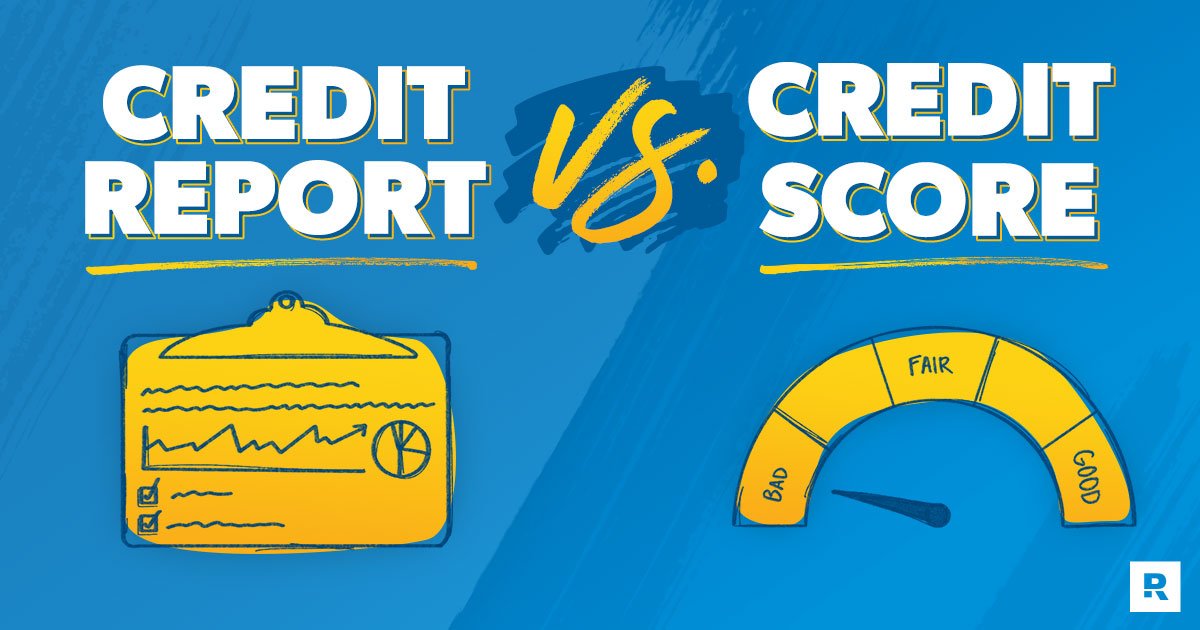
Think of it this way: your credit report is like your financial report card, containing detailed information about your borrowing and repayment history. Your credit score is more like the final grade—a three-digit number calculated using the information in your credit report.
Understanding the difference is essential because lenders, landlords, insurance companies, and even some employers may review different parts of your credit information when making decisions. Knowing how each works can help you better manage your financial health, spot errors, and improve your chances of qualifying for loans, credit cards, and mortgages.
In this guide, you’ll learn what a credit score is, what a credit report contains, how they work together, and why understanding both is an important step toward building strong credit.
Quick Answer (Featured Snippet)
A credit score is a three-digit number that summarizes your creditworthiness based on information in your credit report. A credit report is a detailed record of your credit history, including your accounts, payment history, balances, and credit inquiries. Your credit report provides the data used to calculate your credit score, but the two are not the same thing.
What Is a Credit Score?
A credit score is a numerical representation of how responsibly you’ve managed credit over time.
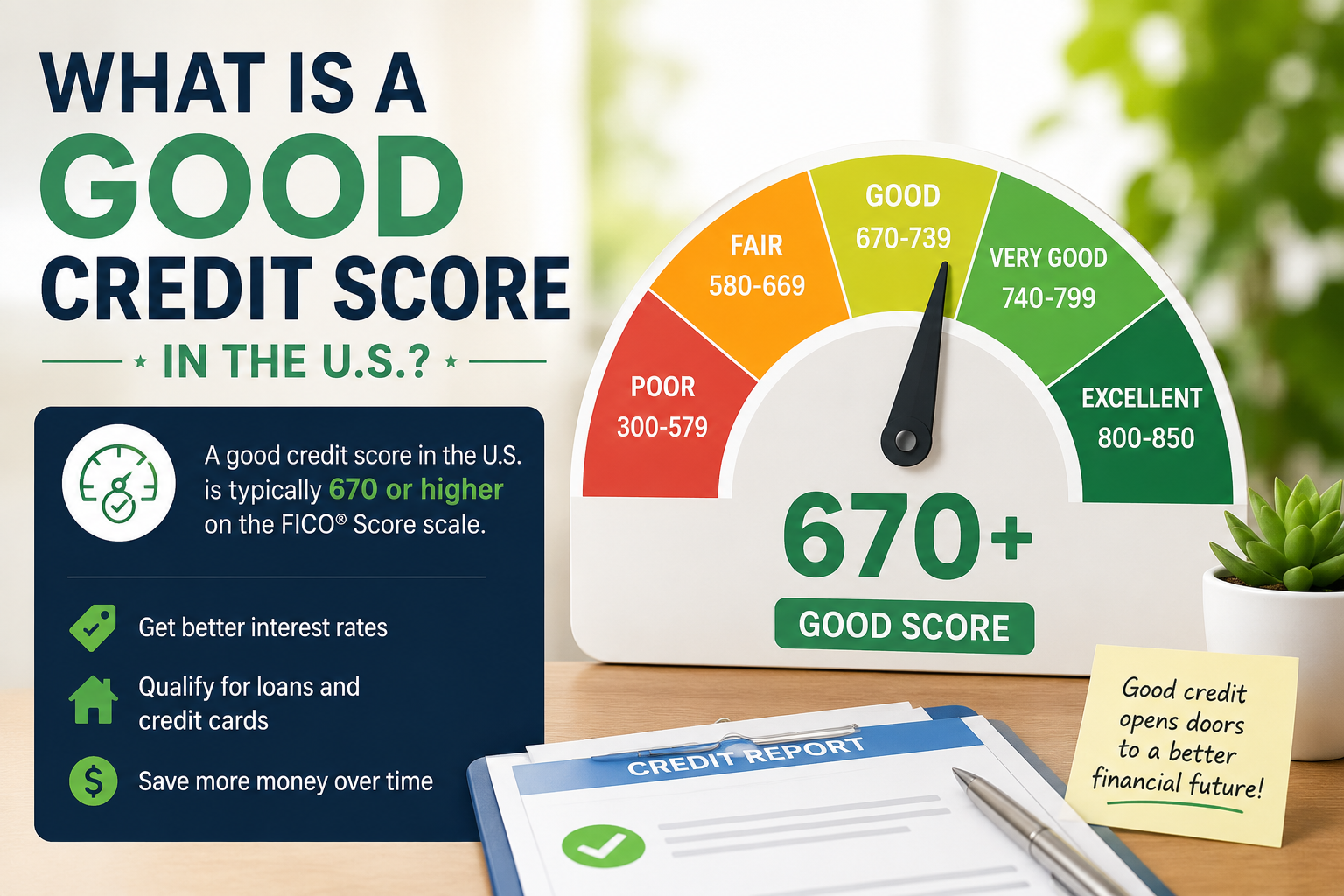
Most credit scores range from 300 to 850, with higher scores generally indicating lower lending risk.
Lenders use credit scores to help determine whether to approve applications for:
- Credit cards
- Personal loans
- Auto loans
- Mortgages
- Lines of credit
The two most widely used credit-scoring models in the United States are:
- FICO® Score
- VantageScore®
Although these models calculate scores differently, both analyze similar information found in your credit report, including:
- Payment history
- Credit utilization
- Length of credit history
- Types of credit accounts
- Recent credit activity
Your credit score changes over time as the information in your credit report changes.
For example:
- Paying bills on time may help strengthen your credit profile.
- Paying down credit card balances may improve your credit utilization.
- Missing payments may negatively affect your score.
Your credit score is designed to give lenders a quick snapshot of your credit risk, but it doesn’t tell the full story.
What Is a Credit Report?
A credit report is a detailed record of your credit history.
Instead of providing a single number, it contains information about how you’ve used credit over the years.
In the United States, the three major credit reporting agencies are:
- Equifax
- Experian
- TransUnion
Each credit bureau maintains its own version of your credit report, so the information may vary slightly between them.
A typical credit report includes:
Personal Information
- Name
- Current and previous addresses
- Date of birth
- Social Security Number (partially masked)
- Employment information (when reported)
Credit Accounts
Your report lists many of your credit accounts, including:
- Credit cards
- Auto loans
- Mortgages
- Student loans
- Personal loans
- Lines of credit
For each account, you may see:
- Date opened
- Credit limit or original loan amount
- Current balance
- Payment status
- Account status
Payment History
One of the most important sections shows whether payments have been made on time.
Late or missed payments may remain on your credit report for several years, depending on the type of information and applicable laws.
Credit Inquiries
Your report may include:
- Hard inquiries from applications for new credit.
- Soft inquiries from activities such as checking your own credit or certain prequalification processes.
Collections and Public Information
When applicable, a credit report may also contain information such as collection accounts or certain public record information, subject to current reporting rules and legal requirements.
Unlike your credit score, your credit report provides the complete history behind your credit profile.
Credit Score vs. Credit Report
Although they’re connected, a credit score and a credit report serve different purposes.
| Feature | Credit Score | Credit Report |
|---|---|---|
| What it is | A three-digit number that summarizes your creditworthiness. | A detailed record of your credit history. |
| Purpose | Helps lenders quickly assess lending risk. | Provides the detailed information behind your credit profile. |
| Contains | A score, typically between 300 and 850. | Personal information, credit accounts, payment history, inquiries, balances, and more. |
| Changes when | Information in your credit report changes. | New accounts, payments, balances, inquiries, or other credit information are reported. |
| Used by | Lenders during credit decisions. | Lenders, landlords, insurers (where permitted), and others to review your credit history. |
| Can contain errors? | Yes, if inaccurate report information affects the calculation. | Yes, which is why reviewing your reports regularly is important. |
Simple way to remember:
- Credit Report = The complete story
- Credit Score = The summary of that story
Why People Confuse the Two
It’s easy to see why many people think a credit score and a credit report are the same.
Both relate to your credit history, both are used by lenders, and both play an important role when you apply for financial products.
However, they’re different tools with different purposes.
Many financial websites display your credit score alongside your credit report, making them appear interchangeable.
In reality:
- Your credit report contains the detailed information.
- Your credit score is calculated using much of that information.
You can think of it like a school transcript.
Your transcript lists every class, assignment, and exam you’ve completed. Your final grade summarizes your overall performance.
Similarly:
- Your credit report contains your borrowing history.
- Your credit score summarizes that history into a single number that helps lenders assess credit risk.
Understanding this distinction makes it easier to identify problems, monitor your financial progress, and take steps to improve your credit health.
Key Takeaway
A credit score and a credit report work together, but they are not the same thing. Your credit report is a detailed record of your borrowing history, including your accounts, payment history, balances, and credit inquiries. Your credit score is a three-digit number calculated from much of that information to help lenders quickly evaluate your creditworthiness. Reviewing both regularly helps you monitor your financial health, spot potential errors, and make informed decisions that support stronger credit over time.
What’s Included in a Credit Score and a Credit Report?
Your credit score and credit report work together, but they serve different purposes.
A credit score gives lenders a quick summary of your creditworthiness, while your credit report provides the detailed information behind that score. Understanding what each contains can help you make smarter financial decisions, identify errors, and improve your overall credit health.
Let’s take a closer look at what’s included in each.
What’s Included in a Credit Score?
Unlike a credit report, a credit score contains very little information by itself.
It’s simply a three-digit number generated using information from your credit report.
Most credit scores range from 300 to 850, with higher scores generally indicating lower lending risk.
Your score is calculated using credit-scoring models such as:
- FICO® Score
- VantageScore®
Although these models use different formulas, they evaluate many of the same factors.
Payment History
One of the most important factors is whether you’ve paid your credit obligations on time.
Scoring models look at your history of:
- On-time payments
- Late payments
- Missed payments
- Accounts sent to collections
Consistently paying your bills on time generally supports a stronger credit profile.
Credit Utilization
Credit utilization measures how much of your available revolving credit you’re using.
For example:
- Credit card limit: $10,000
- Current balance: $2,500
Your utilization is 25%.
Lower utilization generally demonstrates responsible credit management.
Length of Credit History
Credit-scoring models also consider how long you’ve been using credit.
Factors include:
- Age of your oldest account
- Average age of all accounts
- How long different accounts have been active
A longer history of responsible credit use can strengthen your credit profile.
Recent Credit Activity
Applying for new credit may result in hard inquiries.
Occasional applications are normal.
However, several hard inquiries within a short period may indicate increased borrowing activity and can temporarily affect your credit profile.
Types of Credit
Scoring models also look at the variety of credit accounts you’ve managed.
Examples include:
- Credit cards
- Auto loans
- Mortgages
- Student loans
- Personal loans
Having experience managing different types of credit may contribute to a stronger credit profile, but you should never open accounts solely to improve your credit mix.
What Isn’t Included in Your Credit Score?
Many people are surprised to learn that certain personal information does not determine your credit score.
Generally, credit-scoring models do not use:
- Income
- Age
- Race
- Religion
- Gender
- Marital status
- Political views
- Employment title
- Bank account balances
However, lenders may consider some of these factors separately during the application process.
What’s Included in a Credit Report?
A credit report contains much more detailed information than a credit score.
Think of it as your financial history rather than a single number.
Personal Information
Your report typically includes:
- Full name
- Current address
- Previous addresses
- Date of birth
- Social Security Number (partially masked)
- Current and previous employers (when reported)
This information helps identify your credit file.
Credit Accounts
This section lists your credit accounts, including:
- Credit cards
- Mortgages
- Auto loans
- Student loans
- Personal loans
- Retail financing accounts
- Home equity lines of credit
For each account, your report may include:
- Date opened
- Current balance
- Credit limit
- Original loan amount
- Account status
- Payment status
- Date last updated
Payment History
Your payment history shows whether you’ve paid each account as agreed.
It may include:
- On-time payments
- Late payments
- Delinquent accounts
- Charge-offs
- Collection accounts
This section is one of the most closely reviewed by lenders.
Credit Inquiries
Your credit report contains two types of inquiries.
Hard Inquiries
Usually created when you apply for:
- Credit cards
- Mortgages
- Auto loans
- Personal loans
Hard inquiries may remain on your report for a period of time and can have a temporary impact on your credit profile.
Soft Inquiries
Soft inquiries occur when:
- You check your own credit.
- A lender prequalifies you for an offer.
- Certain background reviews are performed.
Soft inquiries do not affect your credit score.
Public Records and Collections (Where Applicable)
Depending on current reporting rules and your financial history, your credit report may contain information about:
- Collection accounts
- Certain public record information that is legally reportable
Reporting practices can change over time, so not every type of public record appears on modern credit reports.
Credit Score vs. Credit Report: Side-by-Side Comparison
| Credit Score | Credit Report |
|---|---|
| Three-digit number | Detailed financial record |
| Usually ranges from 300–850 | No numerical range |
| Summarizes credit risk | Shows the complete credit history |
| Generated using scoring models | Compiled by credit bureaus |
| Updates as report information changes | Updates as lenders report new account activity |
| Used for quick lending decisions | Used for detailed lending reviews |
| Easy to compare at a glance | Requires careful review for accuracy |
| Can change frequently | Continuously updated with new credit information |
How Lenders Use Your Credit Score
Your credit score helps lenders quickly estimate the likelihood that you’ll repay borrowed money.
It may influence:
- Whether you’re approved for credit.
- The interest rate you’re offered.
- Your credit limit.
- Loan terms.
- Required down payments for certain loans.
Because it provides a quick snapshot, lenders often review your score early in the application process.
How Lenders Use Your Credit Report
After reviewing your credit score, many lenders also examine your credit report for more detail.
They may review:
- Payment history
- Outstanding debts
- Recent credit applications
- Current balances
- Types of accounts
- Overall borrowing behavior
Your credit report helps lenders understand the story behind your credit score.
For example, two applicants may both have a 680 credit score, but one may have a long history of on-time payments while the other recently recovered from missed payments. Reviewing the credit report gives lenders additional context when making lending decisions.
Real-Life Example
Emily and Michael both have a FICO® Score of 670.
At first glance, they appear equally qualified for a personal loan.
However, after reviewing their credit reports, a lender notices important differences.
Emily’s credit report shows:
- Ten years of credit history
- No missed payments
- Low credit card balances
- One recent hard inquiry
Michael’s credit report shows:
- Two recent late payments
- Higher credit card balances
- Several recent hard inquiries
- A much shorter credit history
Although their scores are identical, the lender may evaluate their applications differently because their credit reports tell different financial stories.
Why Reviewing Both Matters
Checking only your credit score gives you part of the picture.
Reviewing your credit report helps you:
- Verify that your personal information is accurate.
- Identify reporting errors.
- Detect signs of identity theft.
- Monitor your payment history.
- Understand why your credit score changes.
- Prepare before applying for new credit.
By reviewing both your credit score and your credit report regularly, you can better protect your financial health and address potential issues before they affect important financial decisions.
Key Takeaway
Your credit score is a three-digit summary of your creditworthiness, while your credit report is the detailed record that supports that score. Lenders often use the score as a quick screening tool and the report to evaluate your overall credit history in more detail. Monitoring both regularly helps you understand your financial standing, catch inaccuracies early, and make informed decisions that can strengthen your credit over time.
Which Matters More—A Credit Score or a Credit Report?
Many people focus almost entirely on their credit score, believing it’s the only thing lenders care about.
While your credit score is important, it tells only part of the story.
In reality, many lenders use both your credit score and your credit report when deciding whether to approve your application. Your credit score provides a quick summary of your creditworthiness, while your credit report helps lenders understand the financial behavior behind that number.
Understanding how each influences lending decisions can help you better prepare before applying for loans, credit cards, or mortgages.
Do Lenders Check Your Credit Score?
Yes.
Your credit score is often the first piece of information a lender reviews because it provides a fast way to estimate lending risk.
A higher credit score may increase your chances of:
- Loan approval
- Lower interest rates
- Higher credit limits
- Better repayment terms
- Access to premium financial products
Because it’s a simple three-digit number, a credit score allows lenders to quickly compare applicants.
However, a credit score alone rarely tells the complete story.
Do Lenders Read Your Credit Report?
Yes.
After reviewing your credit score, many lenders examine your credit report before making a final decision.
Your credit report provides details that a credit score cannot explain.
Lenders may review:
- Payment history
- Current loan balances
- Credit card utilization
- Length of credit history
- Types of credit accounts
- Recent hard inquiries
- Collection accounts
- Public record information (where applicable)
The report helps lenders understand your overall borrowing habits and financial responsibility.
Which Matters More?
The answer depends on the lender and the type of credit you’re applying for.
For smaller loans or credit card applications, some lenders may rely heavily on automated credit-scoring systems.
For larger financial commitments—such as mortgages or significant personal loans—lenders often conduct a more detailed review of your credit report alongside your credit score.
In most situations:
- Your credit score provides the initial summary.
- Your credit report provides the supporting details.
Think of it this way:
Your credit score tells lenders how risky you may appear.
Your credit report helps explain why.
Can You Have a Good Credit Score but a Problematic Credit Report?
Yes.
Two people can have similar credit scores while having very different credit reports.
For example:
Sarah
- Credit Score: 720
- No late payments
- Long credit history
- Low credit card balances
David
- Credit Score: 720
- Recently missed one payment
- Several recent hard inquiries
- Higher revolving balances
Although both borrowers have similar scores, a lender reviewing their credit reports may see different levels of financial stability.
That’s one reason many lenders review both before making lending decisions.
Can Errors on Your Credit Report Affect Your Credit Score?
Yes.
Because your credit score is calculated using information found in your credit report, incorrect information may affect your score.
Examples of reporting errors include:
- Accounts that don’t belong to you
- Incorrect late payments
- Incorrect balances
- Duplicate accounts
- Fraudulent accounts resulting from identity theft
If you notice inaccurate information, contact the appropriate credit bureau to begin the dispute process.
Correcting errors helps ensure your credit profile accurately reflects your financial history.
Why Reviewing Both Is Essential
Many consumers check only their credit score.
While that’s a good habit, reviewing your credit report provides a much clearer picture of your financial health.
Regularly reviewing both allows you to:
- Detect reporting errors.
- Monitor your payment history.
- Watch your credit utilization.
- Identify signs of identity theft.
- Understand changes in your credit score.
- Prepare before applying for loans.
Monitoring both gives you greater confidence when making important financial decisions.
How Often Should You Review Each?
There is no single schedule that works for everyone, but these general guidelines can help.
Credit Score
Consider checking your credit score:
- Before applying for new credit.
- After paying off significant debt.
- When monitoring your financial progress.
- Periodically throughout the year.
Credit Report
Review your credit reports regularly to verify that the information remains accurate.
You should pay particular attention before applying for:
- Mortgages
- Auto loans
- Personal loans
- Major credit cards
Early review gives you time to correct any inaccuracies before lenders evaluate your application.
How to Improve Both Your Credit Score and Credit Report
Many of the same financial habits strengthen both your credit score and your overall credit history.
Focus on:
- Paying every bill on time.
- Keeping credit card balances low.
- Avoiding unnecessary hard inquiries.
- Reviewing your credit reports regularly.
- Disputing inaccurate information.
- Keeping older accounts open when appropriate.
- Using credit responsibly.
These habits help build a healthier credit profile over time.
Common Mistakes to Avoid
Avoiding these mistakes can help protect your credit.
Ignoring Your Credit Report
Many people never review their reports until they’re denied credit.
Checking regularly can help you identify problems early.
Focusing Only on Your Credit Score
A strong score is valuable, but lenders may also review your payment history, account balances, and other details in your credit report.
Missing Payments
Late payments can affect both your credit report and your credit score.
Even one missed payment may remain on your report for years, depending on applicable reporting rules.
Applying for Too Much Credit
Submitting multiple applications within a short period may result in several hard inquiries.
Only apply for credit when you genuinely need it.
Ignoring Identity Theft
Unauthorized accounts can damage your credit if left unresolved.
Regular monitoring helps you identify suspicious activity sooner.
Build a Long-Term Credit Strategy
Strong credit is built through consistency rather than quick fixes.
A long-term strategy may include:
- Creating and following a monthly budget.
- Paying every account on time.
- Maintaining low credit utilization.
- Monitoring your credit score.
- Reviewing your credit reports regularly.
- Building emergency savings.
- Limiting unnecessary debt.
These habits not only support higher credit scores but also demonstrate responsible financial management to future lenders.
Real-Life Example
Jessica wants to purchase her first home.
Before applying for a mortgage, she checks her credit score and sees a 705 FICO® Score.
Rather than stopping there, she also reviews her credit reports.
She discovers an incorrect late payment reported on one credit card account.
After disputing the error with the credit bureau and having it corrected, her credit profile more accurately reflects her responsible payment history before she submits her mortgage application.
This example illustrates why monitoring both your credit score and your credit report is an important part of preparing for major financial decisions.
When Professional Help May Be Beneficial
You may benefit from speaking with a qualified financial professional or a reputable nonprofit credit counseling agency if you:
- Have significant debt.
- Need help developing a repayment plan.
- Believe your identity has been stolen.
- Have multiple collection accounts.
- Are experiencing financial hardship.
- Need assistance understanding complex credit issues.
Professional guidance can help you make informed financial decisions based on your individual circumstances.
Key Takeaway
Neither a credit score nor a credit report is more important on its own—they work together. Your credit score provides lenders with a quick assessment of your creditworthiness, while your credit report offers the detailed financial history that supports that assessment. Reviewing both regularly allows you to detect errors, understand changes in your credit profile, prepare for major financial decisions, and build stronger credit over time.
Frequently Asked Questions About Credit Scores and Credit Reports
1. Is a credit score the same as a credit report?
No. A credit score is a three-digit number that summarizes your creditworthiness, while a credit report is a detailed record of your credit history.
2. Which is more important—a credit score or a credit report?
Both are important. Lenders often use your credit score for a quick assessment and your credit report for a more detailed review of your financial history.
3. Can I have a credit report without a credit score?
Yes. If you have recently started using credit, a credit bureau may have information about you but there may not yet be enough data to generate a credit score.
4. Can I have a credit score without a credit report?
No. Credit scores are calculated using information from your credit report.
5. Do all three credit bureaus have the same information?
Not always. Equifax, Experian, and TransUnion may receive information from different lenders, so your reports and scores can vary slightly.
6. Why are my credit scores different?
Different scoring models, different credit bureau data, and the timing of updates can all result in different credit scores.
7. Does checking my credit report lower my credit score?
No. Reviewing your own credit report creates a soft inquiry and does not affect your credit score.
8. How often should I check my credit report?
Reviewing your credit reports several times a year—and before applying for major credit—can help you identify errors and monitor your financial health.
9. How often should I check my credit score?
Checking your credit score regularly can help you track your progress and prepare for important financial decisions. Many people choose to monitor it monthly.
10. What information appears on a credit report?
A credit report may include:
- Personal information
- Credit accounts
- Payment history
- Credit limits
- Current balances
- Credit inquiries
- Collection accounts (where applicable)
- Certain public record information that is legally reportable
11. What information is not included in a credit score?
Credit-scoring models generally do not use:
- Income
- Race
- Religion
- Gender
- Political affiliation
- Marital status
Although lenders may consider some of these factors separately where legally permitted, they are not part of standard credit score calculations.
12. Can errors on my credit report lower my credit score?
Yes. Incorrect balances, late payments, duplicate accounts, or fraudulent accounts may affect your credit score if they appear on your credit report.
13. How do I dispute an error on my credit report?
Contact the credit bureau reporting the inaccurate information and provide supporting documentation. The bureau will investigate the dispute and notify you of the outcome.
14. How long does information stay on my credit report?
The reporting period depends on the type of information. Different items remain on credit reports for different lengths of time under applicable laws and reporting rules.
15. Do employers see my credit score?
No. Employers generally do not receive your credit score. In certain situations, they may review a version of your credit report with your written permission, subject to federal and state laws.
16. Can landlords check my credit report?
Yes. Many landlords review credit reports as part of the rental application process, although approval decisions often consider income, rental history, and other factors as well.
17. Do all lenders use the same credit score?
No. Some lenders use FICO® Scores, while others may use VantageScore® or proprietary scoring models.
18. Can improving my credit report improve my credit score?
Yes. Correcting inaccurate information, making on-time payments, and reducing outstanding balances may strengthen your credit profile and potentially improve your score over time.
19. Is checking my credit score enough?
No. Your credit score provides a useful summary, but your credit report contains the detailed information that lenders may review when evaluating applications.
20. Why should I monitor both my credit score and my credit report?
Monitoring both helps you:
- Detect errors
- Identify identity theft
- Track your financial progress
- Understand changes in your credit profile
- Prepare for major financial decisions
Myths vs. Facts
| Myth | Fact |
|---|---|
| A credit score and a credit report are the same thing. | A credit score is a summary number, while a credit report contains your detailed credit history. |
| Checking your own credit report hurts your credit score. | Reviewing your own credit report creates a soft inquiry and does not affect your score. |
| A high credit score guarantees loan approval. | Lenders also review your credit report, income, debt, and other financial factors. |
| Credit reports never contain mistakes. | Errors can occur, which is why regular review is important. |
| Only people with debt need to review their credit reports. | Everyone should monitor their credit to identify inaccuracies and potential fraud. |
| Closing every unused credit card improves credit. | Closing accounts may reduce available credit and affect your credit profile. |
| All lenders use the same credit score. | Different lenders may use different scoring models and lending criteria. |
| Your credit score never changes. | Credit scores change as new information is added to your credit report. |
Your 30-Day Credit Health Plan
Week 1
✅ Check your credit score.
✅ Review your credit reports from each credit bureau.
✅ Verify your personal information.
Week 2
✅ Look for reporting errors.
✅ Check payment history.
✅ Review your current credit utilization.
Week 3
✅ Pay every bill on time.
✅ Reduce outstanding credit card balances where possible.
✅ Avoid unnecessary credit applications.
Week 4
✅ Review your financial progress.
✅ Set goals for improving your credit profile.
✅ Continue monitoring both your credit score and credit reports.
✅ Build positive financial habits for the months ahead.
Beginner Checklist
Before moving on, make sure you can confidently answer Yes to these questions:
✔ I understand the difference between a credit score and a credit report.
✔ I know what information appears in my credit report.
✔ I understand how credit scores are calculated.
✔ I know why lenders review both.
✔ I understand why monitoring my credit matters.
✔ I know how to identify reporting errors.
✔ I understand how responsible borrowing affects my credit.
✔ I know where to obtain my credit reports.
Financial Information Disclaimer
This article is provided for educational purposes only and should not be considered financial, legal, tax, or credit advice. Lending decisions depend on many factors beyond your credit score or credit report. Before making significant financial decisions, consider consulting a qualified financial professional or a reputable nonprofit credit counseling agency.
When to Seek Professional Help
Consider seeking professional guidance if you:
- Have significant debt.
- Need help creating a repayment plan.
- Believe your identity has been stolen.
- Have multiple accounts in collections.
- Are considering bankruptcy.
- Need assistance resolving complex credit report disputes.
A reputable nonprofit credit counselor can help you understand your options and develop a plan that fits your financial situation.
Continue Learning
Continue building your credit knowledge with these guides on Clear Money Steps:
- What Is a Credit Score? A Complete Beginner’s Guide
- What Is a Poor Credit Score?
- What Is a Fair Credit Score?
- What Is a Good Credit Score in the United States?
- What Is an Excellent Credit Score?
- How Credit Scores Are Calculated
- FICO® Score vs. VantageScore®: What Is the Difference?
- How to Check Your Credit Score
- How to Get Your Free Credit Reports
- How to Improve Your Credit Score
- How to Build Credit From Scratch
- How to Dispute an Error on Your Credit Report
- What Is Credit Utilization?
- What Is a Hard Inquiry?
- What Is a Soft Inquiry?
Editorial Review
Reviewed for accuracy: July 2026
Written for: U.S. consumers who want to understand the difference between credit scores and credit reports.
Reading Level: Beginner-friendly
Editorial Standards: This guide is based on publicly available information from U.S. government agencies, major credit bureaus, and recognized credit-scoring organizations. It is reviewed periodically to maintain accuracy and relevance.
Official U.S. Sources
This article is informed by guidance from:
- Consumer Financial Protection Bureau (CFPB)
- Federal Trade Commission (FTC)
- AnnualCreditReport.com
- myFICO®
- VantageScore®
- Equifax®
- Experian®
- TransUnion®
Table of Contents

Blessing Thagisa is a personal finance writer and researcher at Clear Money Steps, specializing in credit scores, credit reports, loans, budgeting, and consumer financial education. He is passionate about making complex financial topics easy to understand through accurate, practical, and well-researched guides. His goal is to help readers build strong financial habits, improve their credit, and make confident money decisions with clear, trustworthy information.