Imagine you’ve found the perfect apartment. The location is ideal, the rent fits your budget, and you’re ready to sign the lease. After submitting your application, the landlord tells you they’ll review your credit before making a decision. A day later, you receive disappointing news: your application wasn’t approved. It wasn’t because you lacked income or employment—it was because of concerns raised by your credit history.
Situations like this happen every day across the United States, and many people don’t realize how important their credit score can be until they’re applying for something significant. Whether you’re financing your first car, applying for a mortgage, opening a credit card, or even setting up certain utility services, your credit profile may play a role in the decision-making process.
The good news is that a credit score isn’t permanent. It’s not something you’re born with, and it’s not a measure of your personal worth or financial success. Instead, it’s a numerical summary based on information in your credit history. As your financial habits change over time, your credit score can change too.
For beginners, the world of credit can feel confusing. Terms like FICO Score, VantageScore, credit utilization, hard inquiries, and payment history are often mentioned, but they’re not always explained in a way that’s easy to understand. That’s where this guide comes in.
In this beginner-friendly guide, you’ll learn what a credit score is, how it works, what factors influence it, why it matters in everyday life, and what you can do to build and maintain healthy credit habits. Whether you’re just starting your financial journey or simply want to understand your score better, this guide will give you a solid foundation and prepare you for the articles that follow throughout Clear Money Steps.
What Is a Credit Score?
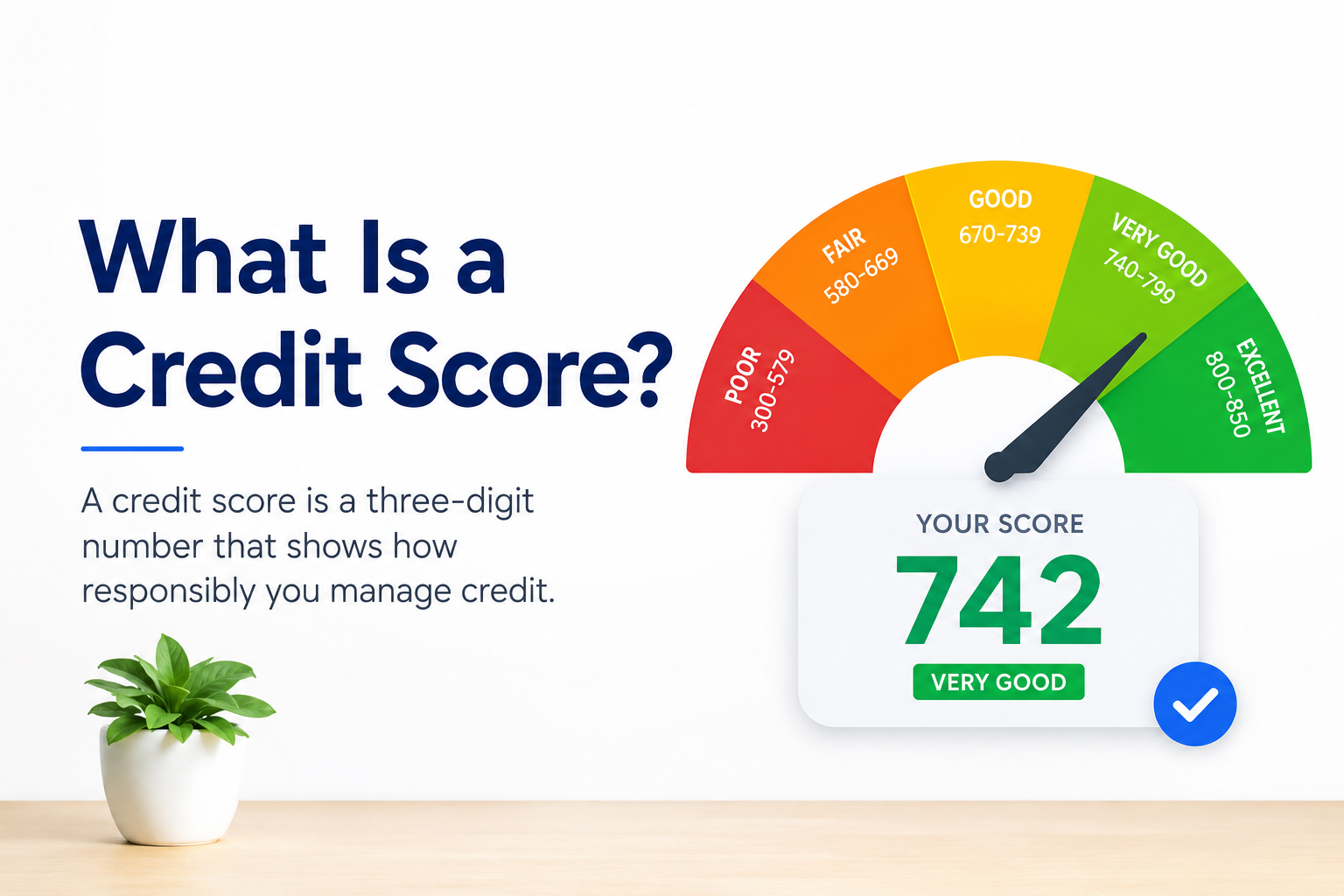
A credit score is a three-digit number that is designed to summarize certain information from your credit history. In the United States, lenders and other businesses may use this score as one of several factors when deciding whether to approve applications for credit, loans, or other financial products.
Think of your credit score as a snapshot of your borrowing history. Instead of reading through pages of information in your credit report, lenders can use a credit score to quickly assess how you have managed credit accounts over time. It does not tell the whole story, but it can provide a useful starting point.
Most credit scores fall within a range of 300 to 850, although the exact range can vary depending on the scoring model being used. In general, a higher score suggests that you have demonstrated responsible credit management, while a lower score may indicate that lenders should review your application more carefully.
It’s important to understand that your credit score is not based on a single event. Instead, it is calculated using information found in your credit reports, including factors such as your payment history, the amount of credit you’re using, the age of your credit accounts, and other aspects of your credit activity.
Your credit score is also not permanent. It changes over time as new information is added to your credit reports. Making on-time payments, reducing debt, and using credit responsibly may help improve your score, while missed payments or high credit card balances can have the opposite effect.
Another common misunderstanding is that everyone has only one credit score. In reality, you may have multiple credit scores because different companies use different scoring models. For example, lenders may use a FICO® Score or a VantageScore®, and each model can calculate your score slightly differently based on the same credit information.
Throughout this guide, you’ll learn how credit scores are calculated, what influences them, why they matter, and the practical steps you can take to build and maintain a healthy credit profile.
Key takeaway: A credit score is a number that summarizes aspects of your credit history. It helps lenders assess credit risk, but it is only one part of the overall decision when you apply for financial products or services.
Why Credit Scores Matter
Your credit score is more than just a number on a financial report. It can influence many important decisions throughout your life, from where you live to how much you pay to borrow money. While every lender and company has its own approval process, your credit score is often one of several factors they may review when evaluating an application.
Understanding why credit scores matter can help you make informed financial decisions and avoid surprises when applying for products or services.
Buying a Home
For many people, purchasing a home is one of the largest financial decisions they’ll ever make. If you apply for a mortgage, lenders will usually review your credit history as part of the application process.
Although approval depends on several factors—including your income, debt, employment history, and down payment—a healthy credit profile may help you qualify for more loan options or better interest rates. Even a small difference in interest rates can affect the total amount you pay over the life of a mortgage.
If buying a home is one of your long-term goals, building and maintaining good credit is an important step in preparing for homeownership.
Financing a Car
Most Americans finance at least part of the cost of purchasing a vehicle. Before approving an auto loan, lenders often evaluate your credit history to better understand how you’ve managed credit in the past.
A stronger credit score may increase your chances of qualifying for competitive financing, while a lower score may result in higher borrowing costs or require a larger down payment.
Since auto loans often last several years, even small differences in interest rates can make a noticeable difference in the total amount repaid.
Renting an Apartment
Many landlords and property management companies perform credit checks during the rental application process.
A credit report can help them understand whether applicants have a history of paying financial obligations on time. While every landlord has different screening criteria, your credit history may influence whether your application is approved, whether a security deposit is required, or whether additional documentation is requested.
If you’re planning to rent your first apartment, understanding your credit before you apply can help you prepare.
Applying for Credit Cards
Credit card companies use several factors when reviewing applications, including your credit history and credit score.
People with stronger credit profiles may qualify for a wider range of credit card options, including cards that offer rewards, cash back, travel benefits, or introductory promotional rates. Others who are just starting to build credit may qualify for secured credit cards or beginner-friendly products designed to help establish a positive payment history.
Using a credit card responsibly—such as paying on time and keeping balances low—can also contribute to building healthy credit over time.
Utility Deposits
When setting up services such as electricity, natural gas, water, or internet, some utility providers may review your credit history.
Depending on the provider’s policies and your credit profile, you might be asked to pay a refundable security deposit before service begins. Other providers may activate service without requiring a deposit.
Policies vary by company and location, but understanding your credit can help you know what to expect when moving into a new home.
Cell Phone Contracts
Some mobile phone providers review an applicant’s credit before approving postpaid wireless plans or financing a new smartphone.
A credit review may influence:
- Whether you’re approved for device financing
- Whether a security deposit is required
- The payment options available to you
If you don’t qualify for a traditional postpaid plan, many providers also offer prepaid services that generally do not require a credit check.
Insurance Pricing
In many U.S. states, some insurance companies use credit-based insurance scores as one factor when determining premiums for certain types of insurance, such as auto or homeowners insurance. These scores are different from the credit scores used by lenders, although they may rely on some similar information from your credit history.
Not every state allows this practice, and not every insurer uses credit-based insurance scores. State laws and company policies vary, so it’s important to understand the rules where you live.
Starting or Growing a Business
Credit can also play an important role for entrepreneurs and small business owners.
If you apply for business financing, lenders may review your personal credit history, especially if your business is new or has limited financial history. Over time, businesses may also establish their own business credit profiles, which can become important when applying for commercial loans, supplier credit, or business credit cards.
Building responsible personal credit today can provide a stronger financial foundation if you decide to start a business in the future.
Credit Scores Are Only One Piece of the Puzzle
While credit scores are important, they are not the only factor lenders and companies consider. Financial institutions may also review your income, employment history, existing debt, savings, loan amount, and other information before making a decision.
For that reason, having an excellent credit score does not automatically guarantee approval, and having a lower score does not automatically mean you’ll be denied. Every lender has its own underwriting standards and evaluates applications differently.
The most effective approach is to view your credit score as one part of your overall financial health. By developing responsible financial habits, paying bills on time, keeping debt manageable, and regularly reviewing your credit reports, you can strengthen your financial profile and improve your opportunities over time.
Key takeaway: Your credit score can influence many important financial decisions, from buying a home and financing a vehicle to renting an apartment or applying for a credit card. While it isn’t the only factor companies consider, understanding and managing your credit responsibly can help create more financial opportunities throughout your life.
Who Creates Credit Scores?
If you’ve ever checked your credit score through a bank, credit card company, or financial app, you may have noticed that the number isn’t always the same everywhere. That’s because there isn’t just one credit score or one company responsible for creating it.
In the United States, the two most widely used credit scoring models are FICO® Scores and VantageScore®. Both are designed to estimate credit risk using information from your credit reports, but they are developed by different organizations and use their own scoring formulas.
Understanding the difference between these scoring models can help you make sense of why your credit score may vary depending on where you check it.
FICO® Score
The FICO® Score is the most widely used credit scoring model in the United States. It was developed by the company Fair Isaac Corporation (FICO) in 1989 and is used by many lenders when evaluating applications for mortgages, auto loans, personal loans, and credit cards.
Rather than creating your credit report, FICO develops scoring models that analyze information already contained in your credit reports. Those reports are maintained by the three nationwide consumer credit bureaus:
- Experian
- Equifax
- TransUnion
Because the information reported to each bureau may differ slightly, you may have multiple FICO Scores depending on which credit bureau’s data is used.
FICO also offers different scoring versions that are designed for specific lending industries. For example, a mortgage lender may use a different FICO model than an auto lender or a credit card issuer.
For more information about FICO Scores, visit the official myFICO website.
VantageScore®
VantageScore® is another major credit scoring model used throughout the United States.
It was introduced in 2006 through a collaboration between the three nationwide credit bureaus:
- Experian
- Equifax
- TransUnion
Like FICO, VantageScore analyzes information from your credit reports to estimate credit risk. While both scoring systems consider many of the same general factors—such as payment history and credit utilization—they use different mathematical models and may weigh information differently.
As a result, your VantageScore may not exactly match your FICO Score, even when both are based on the same credit report.
Many banks, personal finance apps, and credit monitoring services provide consumers with a VantageScore because it allows people to monitor changes in their credit over time.
You can learn more from the official VantageScore website.
Why Your Credit Scores May Be Different
Many people are surprised when they see different credit scores on different websites. In most cases, this is completely normal.
Your scores may vary because:
- Different scoring models (FICO or VantageScore) are being used.
- The scores are calculated using data from different credit bureaus.
- Credit reports are updated at different times.
- Some lenders use industry-specific scoring models.
A small difference between scores does not necessarily mean that one score is wrong. What’s more important is understanding the overall health of your credit profile and monitoring it regularly.
Who Keeps Your Credit Reports?
It’s also important to understand that credit scoring companies do not create your credit reports.
Your credit reports are maintained by the three nationwide consumer reporting agencies:
- Experian
- Equifax
- TransUnion
These companies collect information reported by lenders and other data furnishers, such as payment history, account balances, and new credit accounts. Credit scoring models then use information from these reports to calculate a credit score.
Federal law allows consumers to access free copies of their credit reports through the official website, AnnualCreditReport.com. Reviewing your reports regularly can help you spot errors, identify potential fraud, and better understand the information used to calculate your credit scores.
Key takeaway: FICO and VantageScore are the two leading credit scoring models in the United States. While they analyze many of the same types of information from your credit reports, they use different scoring formulas, so it’s normal for your scores to vary slightly across lenders and financial services.
What Affects Your Credit Score?
One of the biggest misconceptions about credit scores is that they’re based on a single factor, such as your income or the amount of money in your bank account. In reality, credit scores are calculated using several pieces of information from your credit reports to provide a picture of how you’ve managed credit over time.
While the exact formulas used by FICO® and VantageScore® are proprietary, both models evaluate many of the same core behaviors. Understanding these factors can help you focus on the financial habits that matter most.
Let’s take a closer look at the five key factors that influence your credit score.
1. Payment History: The Most Important Factor
If there is one habit that has the greatest impact on your credit score, it’s paying your bills on time.
Payment history reflects whether you’ve consistently met your financial obligations. Every time you make a payment on a credit card, auto loan, student loan, mortgage, or other credit account, that information may be reported to the credit bureaus.
Lenders want to know one thing above all else:
Have you demonstrated a pattern of repaying borrowed money on time?
A strong record of on-time payments signals responsible credit management, while missed or late payments may negatively affect your credit score.
Examples of Positive Payment History
- Paying your credit card bill before the due date.
- Making your mortgage payment every month.
- Paying your auto loan on schedule.
- Keeping student loan payments current.
Examples That May Hurt Your Score
- Missing a payment by 30 days or more.
- Repeated late payments.
- Loan defaults.
- Accounts sent to collections.
- Bankruptcies and other serious negative credit events.
Even one missed payment can remain on your credit report for years, although its impact generally decreases over time as you continue building a positive payment history.
Best Practice: Set up automatic payments or calendar reminders to help ensure you never miss a due date.
2. Credit Utilization: How Much of Your Available Credit You Use
Credit utilization measures how much of your available revolving credit you’re currently using.
For example:
Imagine you have one credit card with a $5,000 credit limit.
- Current balance: $500
- Credit limit: $5,000
Your credit utilization is:
$500 ÷ $5,000 = 10%
Generally, lower utilization is viewed more favorably because it suggests you’re not relying heavily on borrowed money.
Example Comparison
| Credit Limit | Balance | Utilization |
|---|---|---|
| $5,000 | $500 | 10% |
| $5,000 | $2,500 | 50% |
| $5,000 | $4,750 | 95% |
Someone with a high balance relative to their available credit may appear to be under greater financial pressure, even if they’ve never missed a payment.
Many financial experts recommend keeping utilization below 30%, while people with the strongest credit profiles often maintain much lower utilization.
However, there is no universal “magic number.” Credit scoring models evaluate your entire credit profile, not just one percentage.
Good habits include:
- Paying balances before your statement closes.
- Avoiding maxed-out credit cards.
- Using only the credit you genuinely need.
- Paying more than the minimum payment whenever possible.
3. Length of Credit History
Credit scoring models also consider how long you’ve been using credit.
This doesn’t mean you need decades of borrowing to build good credit, but a longer, well-managed credit history can provide lenders with more information about your financial habits.
Several factors may be considered, including:
- The age of your oldest account.
- The average age of all your accounts.
- How long specific accounts have been active.
- How recently you’ve used those accounts.
For this reason, closing an older credit card isn’t always the best decision, especially if it has no annual fee and you’re managing it responsibly.
If you’re just starting to build credit, don’t worry. Everyone begins with a short credit history. The key is to consistently make on-time payments and allow your history to grow naturally over time.
4. Credit Mix
Credit mix refers to the different types of credit accounts you’ve managed.
Examples include:
Revolving Credit
- Credit cards
- Home equity lines of credit (HELOCs)
Installment Loans
- Mortgages
- Auto loans
- Student loans
- Personal loans
Managing different types of credit responsibly may demonstrate that you can handle various financial obligations.
However, you should never borrow money simply to improve your credit mix.
Taking out unnecessary loans usually costs far more in interest than any potential benefit to your credit score.
Instead, let your credit mix develop naturally as your financial needs change throughout life.
5. New Credit
Every time you apply for new credit, lenders may review your credit report as part of the application process.
Some applications result in a hard inquiry, which may have a small, temporary effect on your credit score.
Opening several new credit accounts within a short period may suggest that you’re taking on significant new debt, which can increase perceived lending risk.
This doesn’t mean you should avoid applying for credit when you genuinely need it.
Instead, it’s wise to apply thoughtfully rather than submitting multiple applications at once.
For example:
- Applying for one credit card because it meets your financial needs is generally different from applying for five credit cards over a single weekend.
Responsible borrowing decisions help create a healthier long-term credit profile.
It’s About the Whole Picture
Many people look for a single trick that will dramatically increase their credit score overnight. Unfortunately, that’s not how credit scoring works.
Instead, your score reflects the overall pattern of how you manage credit over time. Consistently paying bills on time, keeping credit card balances manageable, avoiding unnecessary debt, and maintaining older accounts responsibly all contribute to building stronger credit.
Think of your credit score like your financial reputation. It isn’t built in a day, but every responsible financial decision you make helps strengthen it over time.
Key takeaway: The five major factors that influence your credit score are payment history, credit utilization, length of credit history, credit mix, and new credit activity. While no single factor tells the whole story, consistently practicing good credit habits across all five areas can help you build and maintain a strong credit profile.
Learn More
If you’d like to explore these topics in greater detail, the Consumer Financial Protection Bureau (CFPB) offers beginner-friendly resources about credit reports, credit scores, and responsible borrowing. Visit the Consumer Financial Protection Bureau for additional guidance.
What Doesn’t Affect Your Credit Score?
One of the most common misconceptions about credit scores is that they measure your overall financial success or personal background. In reality, credit scoring models are designed to estimate credit risk based primarily on information in your credit reports—not your personal identity, beliefs, or income.
This is good news because it means your credit score is largely influenced by financial behaviors that you can control, such as paying bills on time and managing credit responsibly.
Let’s look at several things that generally do not directly affect your credit score.
Your Salary or Income
Many people assume that earning a high salary automatically results in a better credit score. It doesn’t.
Credit scoring models do not directly consider how much money you earn. Someone making $40,000 per year can have an excellent credit score, while someone earning $250,000 may have a poor score if they consistently miss payments or carry excessive debt.
That said, lenders often ask for your income when you apply for a loan or credit card. This information helps them determine whether you can reasonably afford the payments, but it is separate from your credit score.
Example:
- Emily earns $55,000 per year and always pays her bills on time. She keeps her credit card balances low.
- David earns $180,000 per year but frequently misses payments and has several maxed-out credit cards.
Even though David earns much more, Emily could have the stronger credit score because of her responsible credit habits.
Your Race or Ethnicity
Your race or ethnic background is not a factor used to calculate your credit score.
Credit scoring models are designed to evaluate credit-related information—not personal characteristics. Information about race is not included in your credit reports and is not part of the scoring formulas developed by companies such as FICO® or VantageScore®.
Your Religion
Your religious beliefs or faith have no role in determining your credit score.
Whether you’re Christian, Muslim, Jewish, Hindu, Buddhist, or follow another religion—or none at all—your beliefs are not reported to the credit bureaus and are not considered by credit scoring models.
Your Political Views
Your political opinions, voting history, or party affiliation are also not factors used in credit scoring.
Credit scoring companies focus on credit-related data, such as payment history and account management—not your personal or political beliefs.
Your Bank Account Balance
Many people believe that having a large amount of money in a checking or savings account automatically improves their credit score.
In most cases, this is not true.
Traditional credit scores are generally not based on how much cash you have in your bank accounts. You could have $100,000 in savings and still have poor credit if you’ve consistently missed loan payments. Likewise, someone with modest savings may have an excellent credit score because they manage their credit responsibly.
Some lenders may review your assets during certain loan applications, such as a mortgage, but your bank balance itself is generally not used to calculate your credit score.
Your Age (By Itself)
Many people think simply getting older will automatically increase their credit score.
Age alone does not determine your credit score.
However, as you get older, you may naturally build a longer credit history, which can benefit your score if you’ve managed your accounts responsibly over time. It’s your credit history, not your birthday, that matters.
Your Marital Status
Getting married or divorced does not automatically change your credit score.
Each person generally has their own individual credit report and credit scores.
However, if you and your spouse open a joint credit account or co-sign a loan together, the way that account is managed may affect both people’s credit reports.
Where You Live
Your city, state, or ZIP code is generally not used to calculate your credit score.
Living in New York, Texas, Florida, or California won’t automatically increase or decrease your score.
However, lenders may consider your location for other business reasons that are separate from your credit score.
Your Employment Status
Whether you’re employed, unemployed, retired, or self-employed does not directly determine your credit score.
Like income, employment information may be reviewed during a lending decision, but it isn’t one of the factors used to calculate traditional credit scores.
Focus on What You Can Control
The encouraging part about credit scores is that they aren’t based on who you are—they’re based largely on how you manage credit over time.
You can’t change your age or where you were born, but you can:
- Pay your bills on time.
- Keep your credit card balances manageable.
- Avoid taking on unnecessary debt.
- Monitor your credit reports regularly.
- Build a long history of responsible credit use.
These are the habits that have the greatest impact on building a healthy credit profile.
Key takeaway: Personal characteristics such as your salary, race, religion, political views, bank account balance, age, marital status, location, and employment status do not directly determine your credit score. Credit scoring models focus primarily on your credit history and borrowing behavior, making your financial habits far more important than your personal background.
How to Build Credit
Building good credit doesn’t happen overnight, but it also isn’t as complicated as many people think. Whether you’re just turning 18, recently moved to the United States, or have never borrowed money before, everyone starts somewhere.
The key is to establish a positive credit history and consistently demonstrate that you can manage credit responsibly. Over time, those good financial habits can help you qualify for better borrowing opportunities and make it easier to reach important financial goals.
Here are four of the most effective ways to begin building credit.
1. Open a Secured Credit Card
For many beginners, a secured credit card is one of the easiest ways to start building credit.
Unlike a traditional credit card, a secured card requires a refundable security deposit when you open the account. That deposit typically becomes your credit limit.
For example:
- Security deposit: $300
- Credit limit: $300
You can use the card just like a regular credit card to make purchases, then pay your balance on time each month. If the card issuer reports your account to the major credit bureaus, your responsible payment history can help you build credit over time.
Many banks and credit unions offer secured credit cards designed specifically for people with little or no credit history. Some issuers may even allow you to upgrade to an unsecured card after you’ve demonstrated responsible account management.
Best practices for secured credit cards:
- Use the card for small, manageable purchases.
- Pay the statement balance on time every month.
- Avoid carrying high balances.
- Keep your credit utilization low.
A secured card isn’t meant to be a long-term solution—it’s often a stepping stone toward qualifying for traditional credit products.
2. Become an Authorized User
If you have a trusted family member or close relative with excellent credit habits, becoming an authorized user on one of their credit cards may help you begin building your own credit history.
As an authorized user, you’re added to another person’s credit card account. Depending on the card issuer and whether the account is reported to the credit bureaus, some of the account’s payment history may also appear on your credit report.
This can be especially helpful if the primary account holder has:
- A long history of on-time payments.
- Low credit card balances.
- Responsible credit management.
However, this strategy only works well when the primary cardholder continues managing the account responsibly. Missed payments or high balances on that account may also affect your credit history if the account is reported under your name.
Important: Becoming an authorized user does not make you responsible for the account’s debt in the same way as a joint account holder, but you should only do this with someone you trust.
3. Consider a Credit-Builder Loan
A credit-builder loan is designed specifically for people who are new to credit or rebuilding their credit history.
Unlike a traditional loan, you usually don’t receive the loan funds immediately. Instead, the lender places the money into a secured account while you make monthly payments.
Once you’ve completed the loan payments, the funds are released to you.
Throughout the repayment period, the lender may report your payment history to the major credit bureaus. Making every payment on time can help establish a positive credit history.
Credit-builder loans are commonly offered by:
- Community banks
- Credit unions
- Community development financial institutions (CDFIs)
- Some online lenders
Before opening any loan, compare fees, interest rates, repayment terms, and reporting practices to ensure the product fits your financial needs.
4. Always Pay Your Bills on Time
No matter which method you choose to build credit, one habit matters more than any other:
Pay every bill on time.
Payment history is one of the most influential factors in credit scoring models. Consistently making on-time payments shows lenders that you can manage credit responsibly.
Even if you only have one credit card or one small loan, paying every statement by its due date can gradually strengthen your credit profile.
Here are a few simple ways to stay on track:
- Set up automatic payments for at least the minimum payment.
- Create calendar reminders before due dates.
- Review your monthly statements regularly.
- Keep enough money in your account to avoid missed payments.
Building strong credit isn’t about borrowing large amounts of money—it’s about demonstrating reliability over time.
Mistakes to Avoid When Building Credit
Many beginners accidentally slow their progress by making avoidable mistakes. As you start building your credit history, try to avoid these common pitfalls:
- Missing or making late payments.
- Maxing out your credit cards.
- Applying for several credit cards within a short period.
- Closing your oldest credit account without considering the impact.
- Borrowing money you don’t actually need just to “improve” your credit.
Remember, building credit is a marathon—not a sprint.
Be Patient and Stay Consistent
One of the biggest mistakes people make is expecting dramatic improvements after only a few weeks.
Credit is built over time through consistent, responsible financial behavior. Every on-time payment, every month you keep your balances manageable, and every smart borrowing decision contributes to a stronger credit profile.
There are no legitimate shortcuts or guaranteed overnight fixes. Companies that promise to instantly raise your credit score should be approached with caution.
Instead, focus on developing habits that will benefit you for years to come. Responsible credit management not only improves your credit score but can also make it easier to qualify for apartments, loans, credit cards, and other financial opportunities in the future.
Key takeaway: The best way to build credit is to start small and stay consistent. A secured credit card, becoming an authorized user, using a credit-builder loan, and always paying your bills on time are proven strategies that can help establish a strong credit history over time.
Common Credit Score Myths Debunked
Credit scores are often surrounded by myths, outdated advice, and misinformation. Unfortunately, believing these myths can lead people to make financial decisions that don’t actually help—and may even hurt—their credit.
Let’s separate fact from fiction by looking at some of the most common credit score myths.
Myth #1: Checking Your Own Credit Score Lowers It
Verdict: ❌ False
This is probably the most common credit myth in the United States.
When you check your own credit score or review your own credit report, it usually results in a soft inquiry (also called a soft pull). Soft inquiries do not affect your credit score.
You can check your own credit as often as you like without worrying about lowering your score.
A hard inquiry, on the other hand, may occur when you apply for new credit, such as:
- A credit card
- A mortgage
- An auto loan
- A personal loan
Hard inquiries may have a small, temporary impact on your credit score because they indicate you’re seeking new credit.
Monitoring your own credit regularly is actually a smart financial habit because it allows you to:
- Track your progress.
- Spot potential fraud.
- Detect reporting errors.
- Understand changes in your credit profile.
The Consumer Financial Protection Bureau (CFPB) also encourages consumers to review their credit information regularly. You can learn more on the CFPB website.
Myth #2: Closing a Credit Card Always Improves Your Credit Score
Verdict: ❌ False
Many people believe closing unused credit cards automatically boosts their credit score.
In reality, closing a credit card can sometimes reduce your available credit, which may increase your credit utilization ratio. Depending on your overall credit profile, this could negatively affect your score.
If the card has no annual fee and you’re managing it responsibly, keeping it open may sometimes be the better choice.
However, every financial situation is different, and you should consider factors beyond your credit score, such as annual fees and your ability to manage multiple accounts.
Myth #3: Carrying a Credit Card Balance Improves Your Credit
Verdict: ❌ False
Some people intentionally leave a balance on their credit cards because they’ve heard it helps build credit.
There is no requirement to carry a balance or pay interest to build a good credit score.
In fact, paying your statement balance in full and on time can demonstrate responsible credit management while helping you avoid unnecessary interest charges.
Using your credit card responsibly is far more important than carrying debt.
Myth #4: You Need to Be Wealthy to Have Excellent Credit
Verdict: ❌ False
Your income and your credit score are not the same thing.
Someone earning a modest salary can have an outstanding credit score by consistently paying bills on time and managing credit responsibly.
Likewise, someone with a very high income can have poor credit if they regularly miss payments or accumulate excessive debt.
Credit scores reflect borrowing behavior—not wealth.
Myth #5: Paying Off a Loan Instantly Gives You a Perfect Credit Score
Verdict: ❌ False
Paying off a loan is generally a positive financial achievement, but it doesn’t automatically result in a perfect credit score.
Credit scores are based on your entire credit profile, including:
- Payment history
- Credit utilization
- Length of credit history
- Credit mix
- Recent credit activity
Improving your credit is usually the result of consistently making responsible financial decisions over time rather than one single action.
Myth #6: Debit Card Use Builds Credit
Verdict: ❌ False
Using your debit card responsibly is excellent for managing your money, but debit card purchases generally are not reported to the major credit bureaus.
Because no money is being borrowed, debit card activity typically doesn’t contribute to your credit history or affect your credit score.
To build credit, you generally need to use financial products that report payment activity to the credit bureaus, such as eligible credit cards or loans.
Myth #7: A Poor Credit Score Lasts Forever
Verdict: ❌ False
Many people believe that once their credit score drops, it can never recover.
Fortunately, that’s not how credit works.
Credit scores change over time as new information is added to your credit reports. If you’ve experienced financial difficulties in the past, consistently making on-time payments, reducing debt, and using credit responsibly can gradually strengthen your credit profile.
Building good credit requires patience, but improvement is possible for many consumers.
Myth #8: You Only Have One Credit Score
Verdict: ❌ False
Many consumers are surprised when they see different credit scores on different websites.
That’s because there isn’t just one universal credit score.
Different lenders may use different versions of FICO® Scores or VantageScore® models, and scores may also vary depending on whether they’re calculated using data from Experian, Equifax, or TransUnion.
Small differences between scores are completely normal.
Focus on Facts, Not Financial Myths
Misinformation about credit scores has been circulating for decades. While advice from friends, family members, or social media may be well-intentioned, it isn’t always accurate.
The best way to build strong credit is to rely on trusted sources and develop consistent financial habits. Rather than searching for shortcuts or “credit hacks,” focus on paying your bills on time, keeping your balances manageable, reviewing your credit reports regularly, and borrowing responsibly.
Over time, these habits can have a much greater impact than any popular myth or quick fix.
Key takeaway: Many popular beliefs about credit scores—such as checking your own score lowers it or carrying credit card debt improves your credit—are simply myths. Understanding how credit scoring actually works allows you to make informed financial decisions and build a healthier credit profile with confidence.
Frequently Asked Questions About Credit Scores
If you’re new to credit, you’re not alone. Below are answers to some of the most common questions Americans ask when they’re first learning about credit scores and credit reports.
1. What is considered a good credit score?
There’s no single score that guarantees approval for every loan or credit card, but in general, higher scores are viewed more favorably by lenders.
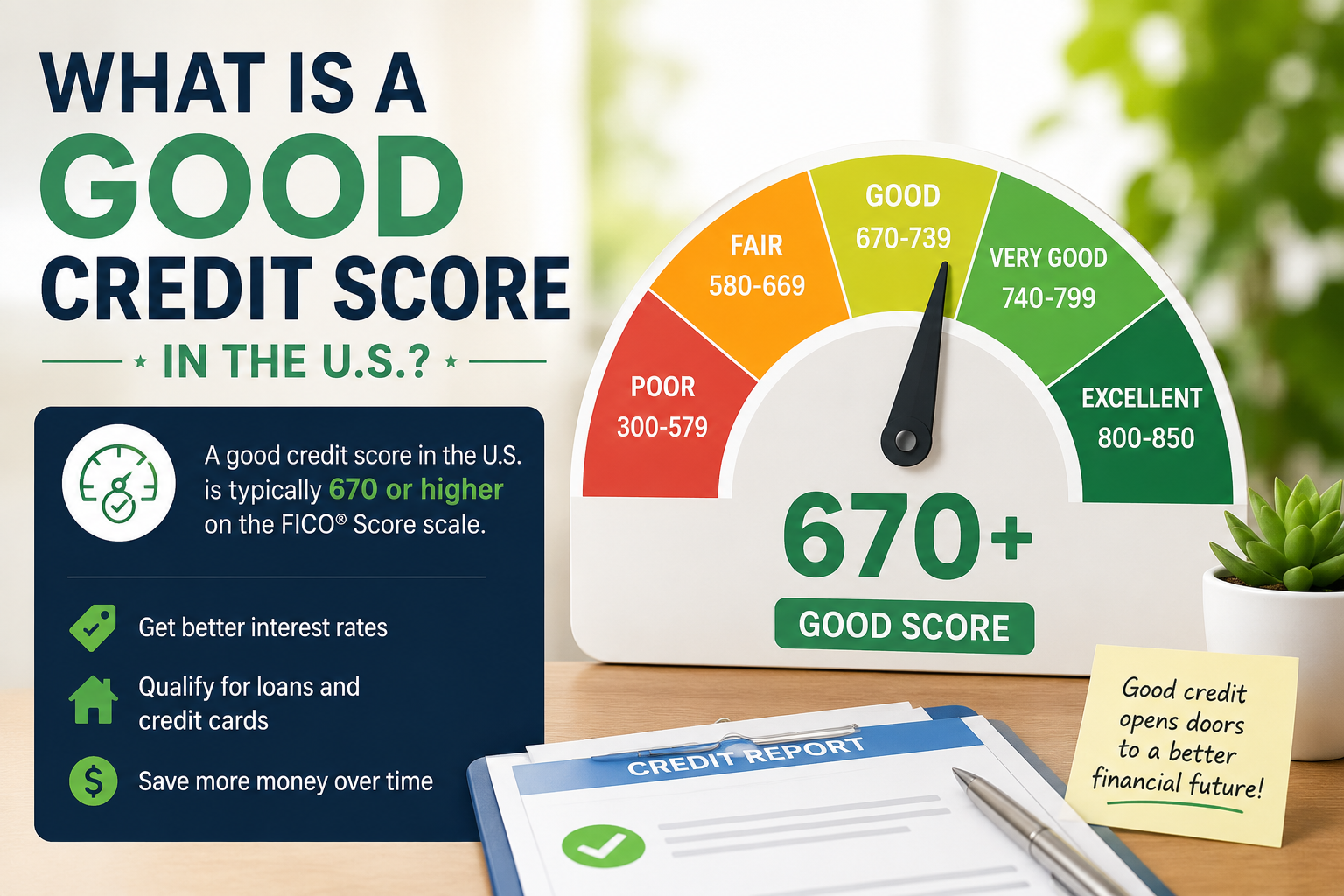
For many commonly used scoring models, credit scores typically fall into these ranges:
| Credit Score | General Rating |
|---|---|
| 300–579 | Poor |
| 580–669 | Fair |
| 670–739 | Good |
| 740–799 | Very Good |
| 800–850 | Exceptional |
Remember that every lender has its own approval standards.
2. How can I check my credit score for free?
Many banks, credit unions, credit card issuers, and personal finance apps offer free credit score access to their customers.
You can also obtain free copies of your credit reports through the official website:
Checking your own credit generally does not lower your credit score.
3. How often should I check my credit score?
Checking your credit score once a month is a good habit for most people. Regular monitoring helps you:
- Track your progress.
- Identify unexpected changes.
- Detect possible fraud.
- Catch reporting errors early.
4. How long does it take to build good credit?
There’s no fixed timeline.
For someone starting from scratch, building a strong credit history usually takes months of responsible credit use rather than days or weeks. The key is making consistent, on-time payments and managing credit wisely over time.
5. Can I build credit if I’ve never had a loan?
Yes.
Many people begin building credit with products such as:
- Secured credit cards
- Credit-builder loans
- Becoming an authorized user on a trusted family member’s account
Everyone starts somewhere.
6. Does paying my bills on time really matter that much?
Absolutely.
Payment history is one of the most influential factors considered by major credit scoring models. Making every payment by its due date is one of the best habits you can develop.
7. Will paying off all my debt instantly give me an excellent credit score?
Not necessarily.
Paying off debt is usually a positive financial step, but your credit score reflects your overall credit history—not just one action.
Factors such as account age, credit mix, and payment history also play important roles.
8. What’s the difference between a credit report and a credit score?
A credit report is a detailed record of your credit history.
A credit score is a three-digit number calculated using information from that report.
Think of it this way:
- Credit Report = Your financial history
- Credit Score = A summary of that history
9. How many credit scores do I have?
You don’t have just one.
Different scoring companies and lenders may calculate different scores using information from different credit bureaus or different scoring models.
This is why your score may vary slightly depending on where you check it.
10. Can checking my own credit score hurt it?
No.
Checking your own credit generally creates a soft inquiry, which does not affect your credit score.
Only certain applications for new credit may result in a hard inquiry, which could have a small temporary impact.
11. Can I have a good credit score without using credit cards?
Yes.
While credit cards are a common way to build credit, other credit products—such as mortgages, auto loans, student loans, or credit-builder loans—may also contribute to your credit history when reported to the credit bureaus.
12. Does closing an old credit card improve my credit?
Not always.
Closing an account may reduce your available credit and increase your credit utilization ratio, which could affect your score.
Before closing any long-standing account, consider the potential impact on your overall credit profile.
13. What should I do if I find an error on my credit report?
If you notice incorrect information, contact the credit bureau reporting the error and the company that provided the information.
Federal law gives consumers the right to dispute inaccurate information appearing on their credit reports.
The Consumer Financial Protection Bureau explains the dispute process in detail on its official website.
14. Do student loans affect my credit score?
Yes, if they’re reported to the credit bureaus.
Making student loan payments on time may help build a positive credit history, while missed payments can negatively affect your credit profile.
15. What is the fastest way to improve my credit score?
There is no guaranteed overnight solution.
The most effective long-term strategies include:
- Paying every bill on time.
- Reducing high credit card balances.
- Avoiding unnecessary credit applications.
- Keeping older accounts open when appropriate.
- Reviewing your credit reports regularly for errors.
Building excellent credit takes time and consistency.
16. Do employers check my credit score?
Generally, employers do not receive your credit score.
For certain positions, especially those involving financial responsibilities, an employer may request permission to review a version of your credit report as part of a background check. However, this is different from viewing your credit score and is subject to federal and state laws.
17. Will getting married combine our credit scores?
No.
There is no such thing as a joint credit score.
Each person maintains their own individual credit history and credit scores. However, if spouses open joint accounts or co-sign loans together, those shared accounts may affect both credit reports.
18. What’s the best first step if I have no credit history?
For most beginners, starting with a secured credit card or a credit-builder loan—and making every payment on time—is one of the most practical ways to establish a positive credit history.
The most important thing is to start responsibly and remain consistent.
Final Thoughts
Understanding your credit score is one of the smartest financial investments you can make. While building excellent credit doesn’t happen overnight, learning how credit works today can help you make better financial decisions for years to come.
Whether your goal is to buy your first home, finance a vehicle, qualify for better credit cards, or simply improve your financial confidence, responsible credit habits can open doors to new opportunities.
At Clear Money Steps, our mission is to simplify personal finance with accurate, beginner-friendly guidance you can trust. As you continue learning, explore our other in-depth guides on building credit, understanding credit reports, improving your credit score, and making smarter money decisions.
Sources & References
This guide was prepared using information and educational resources from the following authoritative organizations:
- Consumer Financial Protection Bureau (CFPB)
- myFICO® Official Website
- VantageScore® Official Website
- AnnualCreditReport.com (Official Free Credit Reports)
Financial Disclaimer: This article is for educational and informational purposes only and should not be considered financial, legal, tax, or credit advice. Financial products and lending requirements vary by lender and individual circumstances. Always consult a qualified financial professional before making important financial decisions.
Final Summary: Understanding Your Credit Score Starts Here
Your credit score is one of the most important financial tools you’ll encounter as an adult. While it may seem like just a three-digit number, it can influence many aspects of your financial life—from qualifying for a mortgage or auto loan to renting an apartment or applying for a credit card.
The good news is that a credit score isn’t based on luck, and it’s not something you have no control over. It’s built over time through responsible financial habits. Every on-time payment, every smart borrowing decision, and every effort to manage your credit wisely contributes to a stronger financial future.
If you’re just beginning your credit journey, don’t worry if you don’t have a perfect score today. Everyone starts somewhere. The most important step is understanding how credit works and developing habits that will benefit you for years to come.
As you’ve learned throughout this guide, building excellent credit isn’t about finding shortcuts or secret tricks. It’s about consistency, patience, and making informed financial decisions.
Key Takeaways
Before you move on, here’s a quick recap of the most important lessons from this guide:
- A credit score is a three-digit number that summarizes information from your credit history and helps lenders evaluate credit risk.
- The two most common credit scoring models are FICO® Score and VantageScore®, and it’s normal for your scores to vary slightly between them.
- Payment history is one of the most important factors affecting your credit score, making on-time payments essential.
- Credit utilization matters. Keeping your credit card balances low relative to your credit limits can help maintain a healthier credit profile.
- A longer credit history can be beneficial, so think carefully before closing older credit accounts.
- A healthy mix of credit accounts may strengthen your overall credit profile, but you should never borrow money simply to improve your score.
- Applying for several new credit accounts in a short period may temporarily affect your credit, so apply only when necessary.
- Your salary, race, religion, political views, and bank account balance do not directly determine your credit score.
- Checking your own credit score does not lower it. Monitoring your credit regularly is a responsible financial habit.
- Building good credit takes time. There are no legitimate overnight solutions, but consistent financial habits can produce lasting results.
Your Next Steps
Now that you understand the basics, you’re ready to dive deeper into the topics that can help you build and maintain excellent credit.
Continue learning with these guides on Clear Money Steps:
- How to Build Credit From Scratch
- How to Improve Your Credit Score
- FICO® vs. VantageScore®: What’s the Difference?
- What Is Credit Utilization and Why Does It Matter?
- How to Read Your Credit Report
- How Long Do Late Payments Stay on Your Credit Report?
Each guide expands on a specific topic covered in this article and will help you develop the knowledge and confidence to make smarter financial decisions.
Start Building Better Credit Today
Whether you’re applying for your first credit card, planning to buy a home, or simply want to improve your financial future, understanding your credit score is one of the best investments you can make.
At Clear Money Steps, we’re committed to providing accurate, easy-to-understand financial education that empowers everyday Americans to make informed money decisions. As laws, lending practices, and credit scoring models evolve, we’ll continue updating our content to ensure you always have access to reliable, up-to-date information.
Remember: excellent credit isn’t built by being perfect—it’s built by being consistent. Every responsible financial decision you make today is another step toward a stronger financial future.
Editorial Note
This article was researched using educational resources from the Consumer Financial Protection Bureau (CFPB), myFICO®, VantageScore®, and other authoritative financial sources. It is reviewed regularly to help ensure accuracy and relevance for U.S. consumers.
For Clear Money Steps, I recommend that every cornerstone article ends with this same structure:
- Final Summary
- Key Takeaways
- Next Steps (internal links)
- Sources & References
- Financial Disclaimer
- Last Updated date
- Author
- Reviewed By (once your site grows)
This consistent format aligns well with the expectations of readers seeking trustworthy financial information and reinforces the expertise and transparency signals that are valuable for a U.S. personal finance website.
Table of Contents

Blessing Thagisa is a personal finance writer and researcher at Clear Money Steps, specializing in credit scores, credit reports, loans, budgeting, and consumer financial education. He is passionate about making complex financial topics easy to understand through accurate, practical, and well-researched guides. His goal is to help readers build strong financial habits, improve their credit, and make confident money decisions with clear, trustworthy information.





1 thought on “What Is a Credit Score? It Can Affect More Than You Think”
Comments are closed.