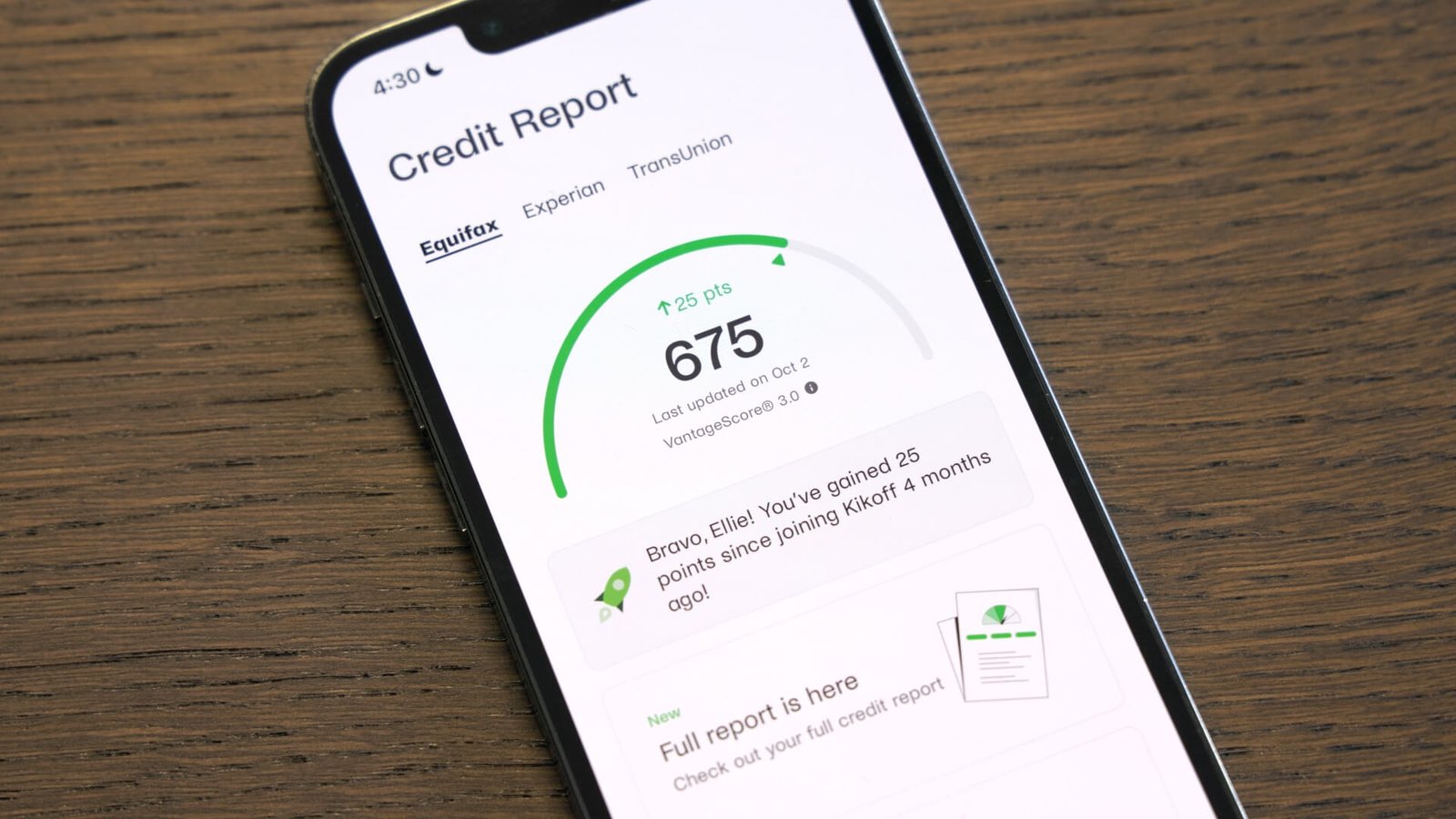
Understanding an Excellent Credit Score
If you’ve ever wondered whether an 800 credit score is enough, whether you need a perfect 850, or what lenders really consider an excellent credit score, you’re not alone.
Millions of Americans work hard to improve their credit, but many are unsure when they have reached the highest credit tier. While moving from a poor credit score to a good one can open many financial opportunities, reaching an excellent credit score can provide even greater benefits, including access to the most competitive loan rates, premium credit cards, and higher borrowing limits.
However, an excellent credit score is not simply about achieving the highest possible number. Different scoring models have different ranges, lenders use different criteria, and maintaining excellent credit requires consistent financial habits over time.
In this guide, you’ll learn exactly what an excellent credit score is, how FICO® and VantageScore® define it, whether an 800 score is considered excellent, whether anyone really needs a perfect 850, and why lenders pay close attention to borrowers with outstanding credit histories.
Quick Answer (Featured Snippet)
An excellent credit score generally falls within the highest credit-score range used by major scoring models. Under the FICO® Score, an excellent score is typically 800 to 850, while VantageScore® 4.0 considers 781 to 850 to be excellent. Borrowers with excellent credit often qualify for the most competitive interest rates and lending terms, although approval also depends on factors such as income, debt, and the lender’s requirements.
What Is an Excellent Credit Score?
An excellent credit score is a numerical measure that indicates you represent a very low credit risk to lenders. It shows that you have consistently managed credit responsibly over time by paying bills on time, maintaining low credit card balances, avoiding excessive debt, and demonstrating a long history of responsible borrowing.
Credit scores are designed to help lenders estimate the likelihood that a borrower will repay money as agreed. While many people focus on reaching a “good” credit score, an excellent score places you among the strongest borrowers.
Having an excellent credit score does not guarantee loan approval. Lenders also evaluate other factors, including:
- Your income
- Employment history
- Existing debt
- Loan amount requested
- Available savings
- Type of credit being applied for
Even so, an excellent credit score gives lenders greater confidence that you are likely to repay your obligations responsibly.
FICO® Excellent Credit Score Range
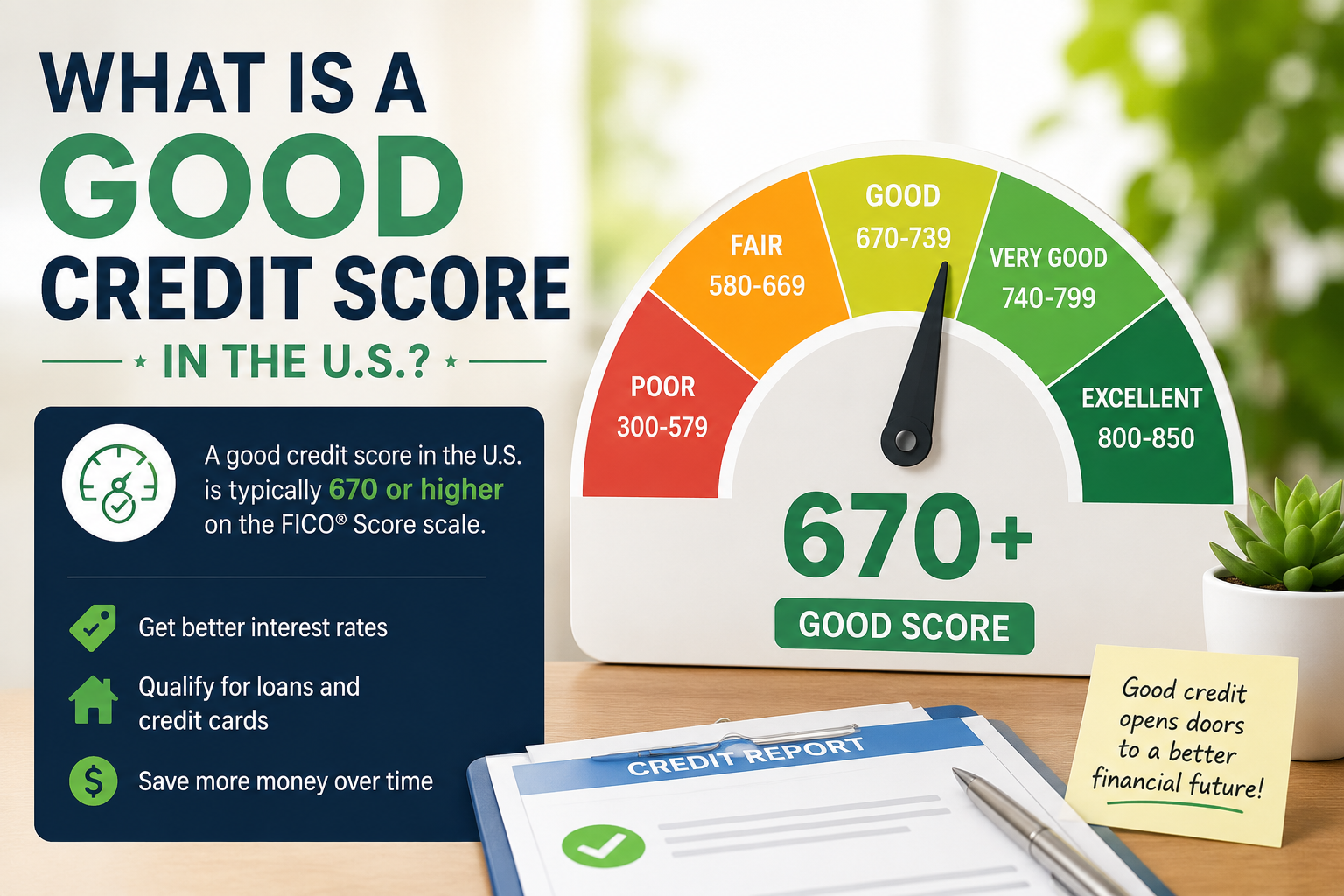
The FICO® Score is the most widely used credit-scoring model in the United States. Although lenders may use different versions depending on the type of loan, the standard FICO® Score ranges are:
| FICO® Score | Rating |
|---|---|
| 300–579 | Poor |
| 580–669 | Fair |
| 670–739 | Good |
| 740–799 | Very Good |
| 800–850 | Exceptional (Excellent) |
A FICO® Score of 800 or higher places you in the highest rating category, often referred to as Exceptional. While FICO officially uses the term “Exceptional,” many financial institutions and consumers describe this range as excellent credit.
People in this category generally have a long history of on-time payments, low credit utilization, and few negative marks on their credit reports.
VantageScore® Excellent Credit Score Range
VantageScore® is another major credit-scoring model used by many lenders, financial institutions, and credit-monitoring services.
The current VantageScore® 4.0 ranges are:
| VantageScore® | Rating |
|---|---|
| 300–499 | Very Poor |
| 500–600 | Poor |
| 601–660 | Fair |
| 661–780 | Good |
| 781–850 | Excellent |
Under this model, borrowers with scores between 781 and 850 fall into the excellent category.
Although the scoring ranges differ slightly from FICO®, both models reward many of the same responsible financial behaviors, including:
- Paying every bill on time
- Keeping credit card balances low
- Maintaining older credit accounts
- Avoiding unnecessary hard inquiries
- Using different types of credit responsibly
Because lenders may use either scoring model—or even industry-specific versions—you may see different credit scores depending on where you check.
Is 800 an Excellent Credit Score?
Yes.
An 800 credit score is widely considered excellent.
Under the FICO® Score model, 800 marks the beginning of the highest score category, while under VantageScore®, 800 comfortably falls within the excellent range.
An 800 score demonstrates years of responsible financial management and may help you qualify for:
- Lower interest rates on mortgages
- Better auto loan offers
- Higher credit limits
- Premium rewards credit cards
- Easier approval for certain financial products
However, it is important to understand that moving from an 800 score to an 850 score often provides little additional practical benefit. Many lenders offer their best available rates to borrowers whose credit already falls within the highest tier.
Is 850 the Perfect Credit Score?
Yes.
An 850 credit score is the highest possible score under both the standard FICO® and VantageScore® models.
Although achieving a perfect score is possible, it is relatively uncommon and not necessary for most borrowers.
Many consumers assume that an 850 score guarantees special financial advantages over an 800 score. In reality, the difference is often minimal.
For example:
- A borrower with an 800 score may qualify for the same mortgage interest rate as someone with an 850 score.
- Both borrowers are generally viewed as presenting very low credit risk.
- Other financial factors may influence lending decisions more than the difference between these two scores.
Instead of aiming for perfection, most consumers should focus on maintaining consistently excellent credit habits.
Excellent vs. Good vs. Very Good Credit Scores
The table below compares the major credit-score categories used by FICO®.
| Credit Rating | FICO® Score Range | Typical Lending Outlook |
|---|---|---|
| Good | 670–739 | Generally qualifies for many loans and credit cards |
| Very Good | 740–799 | Strong approval odds and competitive interest rates |
| Excellent (Exceptional) | 800–850 | Highest credit tier with access to many of the best available lending terms |
As your credit score improves, lenders generally view you as presenting less credit risk. This may increase your borrowing options, but approval and pricing still depend on your complete financial profile.
Why Lenders Care About Excellent Credit Scores
Lenders use credit scores to help estimate the likelihood that a borrower will repay a loan on time.
An excellent credit score signals that you have demonstrated responsible credit management over an extended period. Although no score guarantees approval, borrowers with excellent credit are often viewed as lower-risk applicants.
Because of this, they may receive advantages such as:
- More competitive interest rates
- Greater access to premium financial products
- Higher approved borrowing limits
- More favorable loan terms
- Faster approval decisions in some cases
However, lenders also evaluate many other factors, including your income, existing debt, employment, and the specific loan you are applying for.
Key Takeaway
An excellent credit score represents the highest level of creditworthiness under the major U.S. credit-scoring models. In general, FICO® considers 800–850 exceptional, while VantageScore® considers 781–850 excellent. Although reaching this level can improve your access to competitive financial products, maintaining excellent credit requires consistent habits such as paying bills on time, keeping credit utilization low, and monitoring your credit reports regularly.
The Real-World Benefits of Having an Excellent Credit Score
Reaching an excellent credit score is about more than seeing a higher number when you check your credit. The biggest advantage is that lenders and other businesses may view you as a lower-risk customer, which can improve the financial products and terms available to you.
An excellent credit score does not guarantee approval for every loan or the absolute lowest interest rate. Lenders also consider factors such as your income, debt-to-income ratio, employment history, assets, and the type of credit you are requesting. However, excellent credit can significantly strengthen your overall application.
Let’s look at the real-world benefits.
Lower Interest Rates on Loans
One of the biggest financial advantages of an excellent credit score is the possibility of qualifying for lower interest rates.
Interest is the cost of borrowing money. Even a small reduction in your interest rate can save you thousands of dollars over the life of a loan.
For example:
- A lower mortgage interest rate can reduce your monthly payment and the total interest paid over several years.
- A lower auto loan rate can reduce both your monthly payment and the overall cost of financing a vehicle.
- Lower personal loan rates can make borrowing more affordable.
Because each lender sets its own pricing, borrowers with similar excellent credit scores may still receive different offers.
Example
Imagine two borrowers applying for similar auto loans.
Borrower A
- Credit Score: 650
Borrower B
- Credit Score: 810
If both meet the lender’s other requirements, Borrower B may receive a lower interest rate because the lender views them as presenting less credit risk.
Over several years, that difference could reduce the total amount of interest paid.
Better Mortgage Opportunities
Buying a home is one of the largest financial decisions many Americans make.
Mortgage lenders carefully review credit history because home loans often involve large amounts of money and long repayment periods.
Borrowers with excellent credit may benefit from:
- More competitive mortgage rates
- Greater lender confidence
- Access to additional mortgage products
- Better refinancing opportunities
- Potentially lower monthly payments
However, lenders also evaluate:
- Income
- Employment
- Down payment
- Existing debts
- Property value
Even borrowers with excellent credit may not qualify if other financial requirements are not met.
Easier Credit Card Approvals
Many premium credit cards require applicants to have strong or excellent credit.
Although each card issuer has its own approval standards, excellent credit may improve your chances of qualifying for cards offering:
- Travel rewards
- Cash-back programs
- Airport lounge access
- Purchase protections
- Extended warranties
- Introductory promotional offers
Remember that approval depends on more than your credit score alone. Issuers may also review your income, current credit obligations, and overall financial profile.
Higher Credit Limits
Lenders often consider excellent-credit borrowers to be responsible credit users.
As a result, some may offer:
- Higher initial credit limits
- Larger credit line increases over time
- Greater borrowing flexibility
A higher credit limit can also make it easier to maintain a lower credit utilization ratio, provided you avoid increasing your spending.
For example:
- Credit limit: $10,000
- Balance: $1,000
Credit utilization = 10%
Maintaining low utilization is one factor that may contribute to strong credit scores.
Better Auto Loan Offers
Vehicle financing is another area where excellent credit may provide significant benefits.
Many lenders reserve their most competitive financing offers for applicants with strong credit profiles.
Borrowers with excellent credit may receive:
- Lower interest rates
- Smaller monthly payments
- More financing options
- Greater flexibility in loan terms
As with all loans, the final offer depends on your complete application, not just your credit score.
Insurance Premiums (Where Permitted)
In many U.S. states, some insurance companies use credit-based insurance scores as one factor when pricing certain policies.
These scores are different from traditional credit scores but may rely on information from your credit history.
Depending on state law and the insurer’s underwriting practices, a strong credit history may help you qualify for more favorable premiums on products such as:
- Auto insurance
- Homeowners insurance
However:
- Not every insurer uses credit-based insurance scores.
- Some states restrict or prohibit their use for certain types of insurance.
Your location and insurer’s policies matter.
Rental Applications
Many landlords review an applicant’s credit history when deciding whether to approve a rental application.
An excellent credit score may demonstrate responsible financial management and can strengthen your rental application.
Some landlords may view excellent credit as a positive factor because it suggests:
- A history of paying obligations on time
- Responsible credit management
- Lower perceived financial risk
Still, landlords may also consider:
- Income
- Employment
- Rental history
- References
- Criminal background checks (where permitted)
Credit is only one part of the application process.
Premium Financial Products
Excellent credit can expand the range of financial products available to you.
Depending on the lender, these may include:
- Premium rewards credit cards
- Higher-tier banking products
- Larger personal lines of credit
- Specialized financing offers
- Exclusive promotional rates
Each institution has its own eligibility requirements, and an excellent credit score does not automatically guarantee approval.
Does Excellent Credit Guarantee Approval?
No.
This is one of the biggest misconceptions about credit scores.
Even with an 800+ credit score, lenders may decline an application if other parts of your financial profile do not meet their requirements.
For example, a lender may consider:
- Insufficient income
- High debt-to-income ratio
- Limited employment history
- Recent bankruptcy
- Incomplete application information
- Loan amount requested
Your credit score is an important part of the decision—but it is only one factor.
Common Myths About Excellent Credit
Myth 1: Excellent credit guarantees every loan approval.
Fact: Lenders review many financial factors in addition to your credit score.
Myth 2: An 850 score always receives better loan terms than an 800 score.
Fact: Many lenders treat borrowers throughout the highest credit tier similarly. Other aspects of your application often have a greater influence on the final offer.
Myth 3: Once you reach excellent credit, you never need to monitor it.
Fact: Credit reports should still be reviewed regularly for errors, fraud, or unexpected changes.
Myth 4: Excellent credit means you should borrow as much as possible.
Fact: Responsible borrowing remains essential. Excessive debt can affect your financial health even if your credit score remains high.
Real-Life Example
Sarah has a FICO® Score of 815.
She applies for:
- A mortgage
- A rewards credit card
- An auto loan
Her excellent credit helps make her application competitive. However, each lender also reviews her:
- Income
- Existing debt
- Employment history
- Savings
- Loan amount requested
Sarah receives favorable loan offers because her overall financial profile—not just her credit score—meets the lenders’ requirements.
Key Takeaway
An excellent credit score can improve your access to competitive financial products, lower borrowing costs, and strengthen applications for mortgages, auto loans, credit cards, rentals, and certain insurance products where credit-based insurance scores are permitted. However, no credit score guarantees approval. Lenders always evaluate your broader financial picture before making a lending decision.
How to Achieve and Maintain an Excellent Credit Score
An excellent credit score rarely happens overnight.
Unlike winning a prize or receiving a one-time financial boost, excellent credit is built through consistent financial habits repeated over months and years. Every on-time payment, every responsible borrowing decision, and every month of maintaining low credit card balances contributes to building a stronger credit profile.
The encouraging news is that you do not need to be wealthy to achieve excellent credit.
People with average incomes can earn excellent credit scores by managing their credit responsibly. Likewise, someone with a high income can still have poor credit if they frequently miss payments or carry excessive debt.
In this section, you’ll learn the proven habits that help consumers reach the highest credit tiers, how long the process usually takes, and the mistakes that can prevent even financially successful people from earning excellent credit.
1. Always Pay Your Bills on Time
If there is one habit that contributes more than any other to building excellent credit, it is paying every bill on time.
Your payment history is one of the most important factors considered by major credit-scoring models.
Lenders want evidence that you consistently repay your obligations as agreed.
This includes payments on:
Even a single late payment can have a negative impact on your credit profile, especially if it becomes seriously delinquent.
To reduce the risk of missing payments:
- Set up automatic payments where appropriate.
- Use payment reminders.
- Keep track of due dates with a calendar.
- Pay at least the required minimum payment on time if you cannot pay the full balance.
Consistency matters more than occasional perfection.
2. Keep Your Credit Utilization Low
Credit utilization measures how much of your available revolving credit you are currently using.
For example:
- Total credit limit: $10,000
- Current balance: $1,000
Your utilization is 10%.
Consumers with excellent credit often maintain relatively low utilization because it demonstrates responsible credit management.
While there is no single utilization percentage that guarantees an excellent score, many financial experts recommend keeping utilization comfortably below your available limits.
Remember:
- Low utilization generally helps.
- High utilization can increase credit risk in the eyes of lenders.
- Paying balances before statement closing dates may reduce reported utilization.
3. Build a Long Credit History
Length of credit history also plays an important role.
The longer you successfully manage credit accounts, the more information lenders have about your borrowing habits.
This is why consumers with excellent credit often have:
- Older credit card accounts
- Long repayment histories
- Years of responsible borrowing
Closing your oldest account simply because you no longer use it may reduce the average age of your accounts over time.
Before closing an account, consider:
- Whether it has an annual fee
- Whether keeping it open benefits your credit profile
- Whether the account remains useful for your financial goals
4. Apply for New Credit Carefully
Every formal credit application may result in a hard inquiry.
Opening several new accounts within a short period can make you appear riskier to lenders because it may suggest increased borrowing activity.
That does not mean you should avoid applying for credit entirely.
Instead:
- Apply only when necessary.
- Compare lenders responsibly.
- Avoid multiple unnecessary applications.
- Understand whether a lender uses a soft inquiry or hard inquiry before applying.
Responsible credit growth is healthier than frequent applications.
5. Maintain a Healthy Mix of Credit
Credit-scoring models may consider whether you have experience managing different types of credit.
Examples include:
- Credit cards
- Mortgages
- Auto loans
- Student loans
- Personal loans
However, you should never borrow money simply to improve your credit mix.
Only take on credit that serves a genuine financial purpose.
Excellent credit develops naturally as consumers manage appropriate financial products responsibly over time.
6. Review Your Credit Reports Regularly
Monitoring your credit reports helps you identify problems before they become larger issues.
Review your reports for:
- Incorrect personal information
- Accounts you do not recognize
- Incorrect balances
- Late payments reported in error
- Duplicate accounts
- Fraudulent activity
Under federal law, consumers can obtain free credit reports from the nationwide credit bureaus through the official source, AnnualCreditReport.com.
Regular monitoring allows you to dispute inaccuracies promptly and better understand changes in your credit profile.
7. Correct Errors Quickly
Credit-report errors can occur.
Examples include:
- Incorrect payment history
- Accounts belonging to another consumer
- Incorrect balances
- Duplicate reporting
- Identity theft
If you identify inaccurate information:
- Contact the appropriate credit bureau.
- Contact the creditor if necessary.
- Keep copies of supporting documents.
- Follow the dispute process carefully.
Correcting genuine reporting errors may improve the accuracy of your credit profile.
8. Avoid Carrying Unnecessary Debt
Excellent credit is not about borrowing the largest amount possible.
Instead, it reflects responsible borrowing.
Avoid:
- Carrying large revolving balances unnecessarily
- Making only minimum payments for long periods
- Maxing out credit cards
- Taking loans you cannot comfortably afford
Borrow only what fits within your financial plan.
9. Be Patient
One of the biggest misconceptions is that excellent credit can be achieved within a few weeks.
In reality, building excellent credit usually requires time.
Your credit profile develops as lenders receive additional information about your financial behavior.
Consistent positive activity over months and years generally produces stronger results than short-term attempts to increase a score quickly.
How Long Does It Take to Get an Excellent Credit Score?
There is no universal timeline.
The time required depends on factors such as:
- Your starting credit score
- Whether you already have negative items
- Payment history
- Credit utilization
- Age of accounts
- New credit activity
- Overall credit profile
For someone starting with little or no credit history, reaching excellent credit often takes several years of responsible credit management.
Consumers rebuilding credit after serious negative events may also require time because some negative information remains on credit reports for several years, depending on the type of item.
Rather than focusing on reaching a specific score by a certain date, concentrate on maintaining healthy financial habits consistently.
Example Timelines
Example 1: Building From Scratch
Emma opens her first secured credit card after graduating from college.
She:
- Pays every bill on time.
- Keeps her balances low.
- Avoids unnecessary applications.
- Reviews her credit reports regularly.
Over several years of consistent credit management, she gradually builds an excellent credit profile.
Example 2: Rebuilding Credit
Michael previously missed several loan payments.
He develops a recovery plan by:
- Making every payment on time.
- Reducing his credit card balances.
- Avoiding unnecessary debt.
- Monitoring his credit reports monthly.
As positive payment history grows and older negative items become less significant or eventually age off his reports where applicable, his credit profile steadily improves.
Common Mistakes That Prevent Excellent Credit
Even financially responsible consumers sometimes make mistakes that delay progress.
Common examples include:
Missing Payments
Even occasional missed payments can affect your credit history.
Maxing Out Credit Cards
Using most or all of your available credit may increase your reported utilization.
Applying for Too Much Credit
Submitting several applications in a short period may result in multiple hard inquiries and new accounts.
Ignoring Credit Reports
Mistakes may remain unnoticed if you never review your reports.
Closing Older Accounts Without Considering the Impact
Older accounts contribute to the length of your credit history.
Closing them without a clear reason may affect your credit profile over time.
Borrowing More Than You Can Afford
Excellent credit is supported by responsible financial management—not by carrying large amounts of debt.
Long-Term Habits That Help Maintain Excellent Credit
Once you achieve excellent credit, maintaining it requires ongoing attention.
Good long-term habits include:
- Paying every bill on time.
- Keeping utilization low.
- Reviewing credit reports several times each year.
- Limiting unnecessary credit applications.
- Monitoring for fraud.
- Maintaining older accounts where appropriate.
- Using credit responsibly.
- Updating personal information when necessary.
Excellent credit should be viewed as an ongoing financial habit rather than a destination.
Real-Life Example
Jessica has maintained a credit score above 800 for several years.
She follows a simple routine:
- Every payment is made before the due date.
- She pays her credit card balances in full whenever possible.
- She reviews her credit reports regularly.
- She avoids unnecessary debt.
- She only applies for new credit when it supports her financial goals.
Although her score fluctuates slightly from month to month, her long-term financial habits help her remain within the excellent credit range.
Should You Hire Professional Credit Help?
Many consumers can build or improve their credit using reliable educational resources and responsible financial habits.
However, professional assistance may be appropriate in certain situations, such as:
- You believe you are a victim of identity theft.
- Your credit reports contain complex errors that are difficult to resolve.
- You are experiencing significant financial hardship.
- You need legal advice regarding debt collection or bankruptcy.
- You would benefit from working with a reputable, nonprofit credit counseling agency.
Be cautious of companies that promise to:
- Instantly repair your credit.
- Remove accurate negative information.
- Guarantee a specific credit score.
- Guarantee loan approval.
No legitimate company can legally promise these outcomes.
Key Takeaway
Excellent credit is built through consistent financial habits—not shortcuts.
Paying bills on time, keeping credit utilization low, maintaining older accounts, reviewing your credit reports regularly, and avoiding unnecessary debt are among the most effective ways to achieve and maintain excellent credit over time.
While there is no fixed timeline, patience and consistency are far more important than trying to reach a perfect score quickly. An excellent credit score reflects years of responsible financial management, and maintaining it requires the same disciplined habits that helped you earn it.
Frequently Asked Questions (FAQs)
1. What is considered an excellent credit score?
Generally, an excellent credit score is 800–850 under the FICO® Score model and 781–850 under VantageScore® 4.0.
2. Is an 800 credit score excellent?
Yes. An 800 credit score falls within the highest FICO® score category and is widely considered excellent.
3. Is an 850 credit score necessary?
No. Although 850 is the highest possible score, many lenders offer their best available rates to borrowers whose scores are already in the excellent range.
4. Can I get a mortgage with excellent credit?
Yes, provided you also meet the lender’s income, employment, debt, and other underwriting requirements.
5. Does excellent credit guarantee loan approval?
No. Your credit score is only one part of a lender’s decision.
6. How long does it take to build an excellent credit score?
There is no fixed timeline. It often takes several years of responsible credit management, especially if you’re starting with little or no credit history.
7. Can I reach excellent credit after previous financial problems?
Yes. Many people rebuild their credit over time by making on-time payments, reducing debt, and correcting any reporting errors.
8. Does checking my own credit score lower it?
No. Checking your own credit score is considered a soft inquiry and does not affect your credit score.
9. How often should I check my credit reports?
Review your credit reports regularly—at least several times a year—and after any major financial event.
10. Can I have excellent credit without using credit cards?
Yes. Credit cards are one way to build credit, but responsibly managing other types of credit may also contribute to a strong credit profile.
11. What hurts an excellent credit score?
Common factors include:
- Late payments
- High credit utilization
- Multiple hard inquiries in a short period
- Defaulted accounts
- Collection accounts
- Bankruptcies
12. Can my excellent credit score change every month?
Yes. Credit scores can increase or decrease as new information is added to your credit reports.
13. Does paying off a loan hurt my credit?
Sometimes your score may change slightly after paying off a loan, but paying debt responsibly is generally positive for your long-term financial health.
14. Is excellent credit the same as perfect credit?
No.
Excellent credit includes a range of high scores, while a perfect credit score refers to the maximum possible score of 850.
15. Can young adults achieve excellent credit?
Yes. Starting early with responsible credit habits can help young adults gradually build excellent credit over time.
16. Do employers see my credit score?
Most employers do not see your actual credit score. In some positions, employers may request permission to review certain information from your credit report, subject to applicable laws.
17. Can identity theft affect my excellent credit?
Yes. Fraudulent accounts or unauthorized activity may damage your credit profile if not addressed promptly.
18. Should I close old credit cards?
Not necessarily. Older accounts may contribute to the length of your credit history. Consider factors such as annual fees and your overall financial goals before closing an account.
19. Will carrying a balance improve my credit score?
No. There is no requirement to carry a balance and pay interest to build or maintain excellent credit. Paying your statement balance on time helps you avoid interest charges.
20. What is the best habit for maintaining excellent credit?
Pay every bill on time, keep your credit utilization low, review your credit reports regularly, and avoid taking on more debt than you can comfortably manage.
Myths vs. Facts
| Myth | Fact |
|---|---|
| You need a perfect 850 score to receive good loan offers. | Many lenders offer their best available terms to borrowers throughout the excellent credit range. |
| Excellent credit guarantees loan approval. | Lenders also evaluate income, debt, employment, and other factors. |
| Checking your own credit score lowers it. | Checking your own score is a soft inquiry and does not affect your score. |
| Carrying a credit card balance improves your credit. | Paying your balance on time without carrying unnecessary debt is generally a better financial practice. |
| Once you reach excellent credit, you never need to monitor it again. | Regularly reviewing your credit reports helps identify errors and possible fraud. |
30-Day Action Plan
If your goal is to build or maintain an excellent credit score, use this simple plan.
Week 1
- Review all three of your credit reports.
- Verify your personal information.
- Check for reporting errors.
- Set up payment reminders or automatic payments.
Week 2
- Review your credit card balances.
- Reduce high balances if possible.
- Calculate your credit utilization.
- Avoid unnecessary credit applications.
Week 3
- Check your monthly budget.
- Ensure all bills are scheduled before their due dates.
- Review any outstanding debt.
- Create a plan for paying down balances.
Week 4
- Review your progress.
- Continue making on-time payments.
- Monitor your credit score.
- Set long-term financial goals for the next three to six months.
Remember, improving your credit is usually the result of consistent habits—not quick fixes.
Beginner Checklist
Use this checklist to stay on track.
✅ Pay every bill on time.
✅ Keep credit card balances low.
✅ Monitor your credit reports regularly.
✅ Correct reporting errors promptly.
✅ Avoid unnecessary hard inquiries.
✅ Keep older accounts open when appropriate.
✅ Borrow only what you can comfortably repay.
✅ Protect yourself against identity theft.
✅ Continue learning about responsible credit management.
Financial Information Disclaimer
This article is provided for educational and informational purposes only and should not be considered financial, legal, tax, or investment advice. Financial situations vary from person to person. Before making important financial decisions, consider consulting a qualified financial professional, credit counselor, attorney, or tax advisor as appropriate.
When Professional Help May Be Appropriate
You may wish to seek professional assistance if:
- You suspect identity theft.
- Your credit reports contain complex errors.
- You’re struggling with significant debt.
- You’re considering bankruptcy.
- You need personalized financial guidance beyond general educational information.
Choose reputable, nonprofit credit counseling organizations or qualified professionals, and be cautious of companies that promise to “guarantee” a higher credit score or remove accurate negative information.

Blessing Thagisa is a personal finance writer and researcher at Clear Money Steps, specializing in credit scores, credit reports, loans, budgeting, and consumer financial education. He is passionate about making complex financial topics easy to understand through accurate, practical, and well-researched guides. His goal is to help readers build strong financial habits, improve their credit, and make confident money decisions with clear, trustworthy information.





3 thoughts on “What Is an Excellent Credit Score? Everything You Need to Know (2026)”
Comments are closed.