A credit score is one of the most important numbers in your financial life. It helps lenders evaluate how you’ve managed credit in the past and estimate how likely you are to repay borrowed money in the future. Whether you’re applying for a credit card, an auto loan, a mortgage, or even renting an apartment, your credit score can influence the opportunities available to you.
Most people hope to build an excellent credit score, but many also wonder just how low a credit score can go. If you’ve experienced financial difficulties or noticed your score has dropped significantly, you may be asking, “What is the lowest credit score possible?”
The answer is straightforward: under the most widely used credit scoring models in the United States, the lowest possible credit score is 300.
Seeing a score near 300 can be discouraging, but it’s important to remember that a credit score is not permanent. Credit scores change over time as new information is added to your credit reports. Many people who once had very low credit scores have successfully rebuilt their credit by adopting responsible financial habits and remaining consistent over the long term.
Understanding what a 300 credit score means—and what typically causes it—can help you avoid common mistakes and, if necessary, create a realistic plan to rebuild your financial future.
In this guide, you’ll learn what the lowest possible credit score is, why 300 is the minimum under the major scoring models, what events can lead to such a low score, and why even the lowest credit score doesn’t mean you’re out of options.
What Does a Low Credit Score Mean?
A low credit score generally indicates that a borrower has experienced significant credit problems or currently presents a higher level of lending risk based on the information in their credit reports.
Credit scores are designed to summarize your history of managing borrowed money.
When lenders review a low credit score, they may see signs such as:
- Missed or late payments.
- High credit card balances.
- Accounts sent to collections.
- Loan defaults.
- Serious derogatory marks such as bankruptcy or foreclosure.
A lower credit score doesn’t necessarily reflect your income, intelligence, or work ethic. Instead, it reflects how credit has been managed over time.
Life events such as job loss, medical expenses, divorce, or unexpected financial emergencies can contribute to credit problems that affect your score.
For this reason, understanding your credit score should be about learning how to improve it—not judging yourself based on a number.
Why Understanding the Lowest Possible Score Matters
Many people only pay attention to their credit score when applying for a loan.
However, knowing the lowest possible score helps you understand where you currently stand and how much room there is for improvement.
It also helps you:
- Set realistic credit goals.
- Understand how lenders assess risk.
- Recognize the consequences of serious credit problems.
- Create a practical recovery plan if your score has fallen significantly.
Perhaps most importantly, understanding the lowest possible score reminds you that credit scores exist on a range.
Even if your score is currently very low, every positive financial decision you make can gradually move you in the right direction.
Common Misconceptions About Bad Credit
There are many myths surrounding poor credit scores.
One of the biggest misconceptions is that people with very low credit scores are permanently locked out of the financial system.
That simply isn’t true.
Another common myth is that having bad credit means you’re financially irresponsible.
In reality, many consumers experience temporary financial setbacks due to circumstances beyond their control, including:
- Losing a job.
- Serious illness.
- Unexpected medical expenses.
- Natural disasters.
- Family emergencies.
- Economic downturns.
Although these events may damage a credit score, they don’t determine your future financial success.
Another misunderstanding is that improving bad credit happens overnight.
While some positive changes can occur relatively quickly, rebuilding excellent credit usually requires patience, consistency, and time.
Why Recovery Is Possible
One of the most encouraging things about credit scores is that they are dynamic.
Unlike a permanent record, your credit score changes as new information is reported to the credit bureaus.
As positive payment history grows and older negative information becomes less influential over time, your score can improve.
Consumers who consistently:
- Pay every bill on time.
- Reduce outstanding debt.
- Keep credit utilization low.
- Avoid unnecessary borrowing.
- Monitor their credit reports.
often see gradual improvements in their credit scores.
The journey may take months or even years depending on the severity of previous credit problems, but improvement is possible.
Many people who once had poor credit eventually qualify for credit cards, auto loans, and even mortgages after rebuilding their financial habits.
Featured Snippet
What is the lowest credit score possible?
The lowest credit score possible is 300 under the most widely used FICO® Score and VantageScore® models. A 300 credit score indicates a very high level of credit risk, but it is possible to improve your score over time through responsible financial habits.
What Is the Lowest Credit Score?
In the United States, several credit scoring models are used by lenders.
The two most common are FICO® Score and VantageScore®.
Although these models calculate credit scores differently, they share the same standard scoring range.
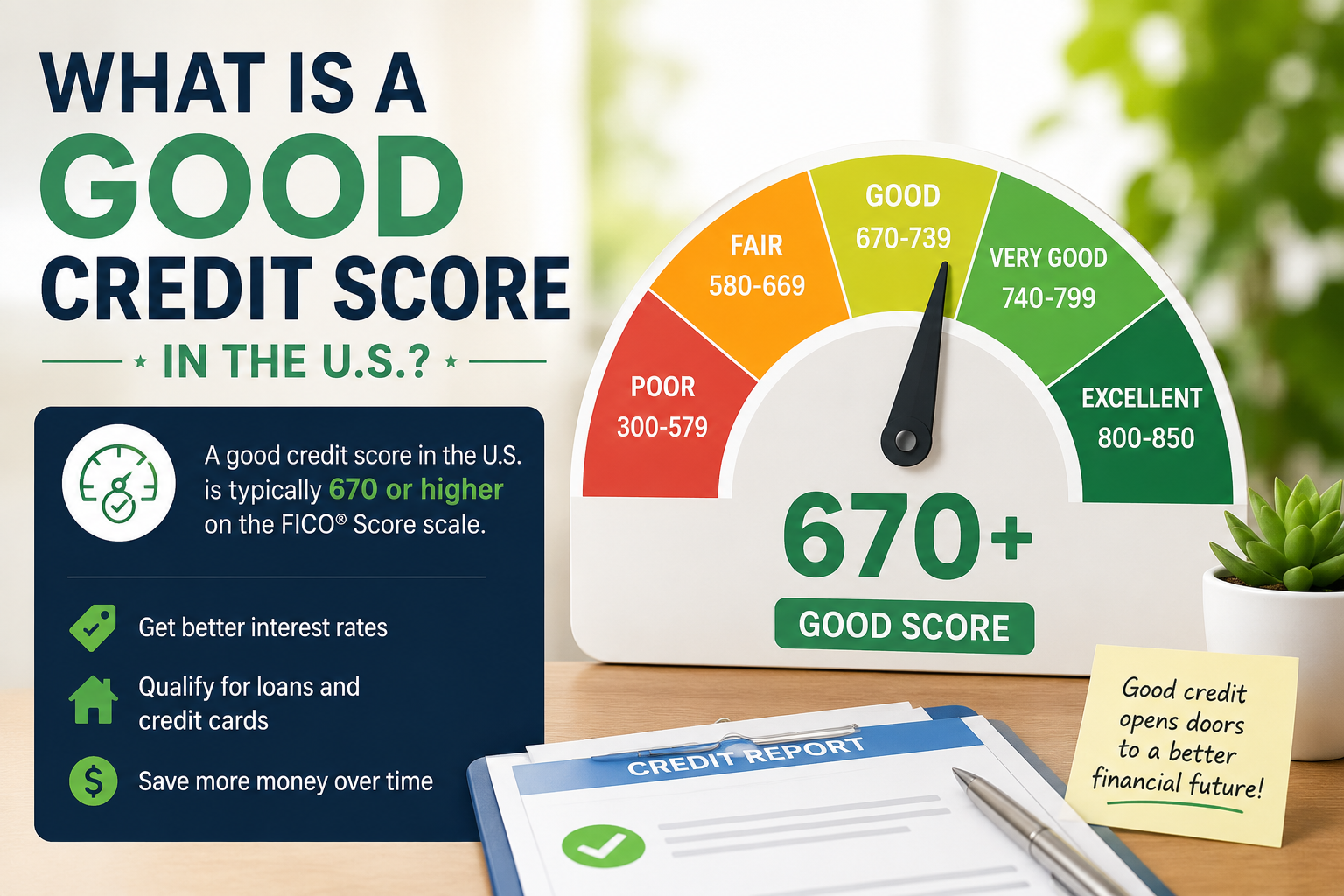
FICO® Score Range: 300–850
Most lenders rely on one or more versions of the FICO® Score when evaluating loan applications.
The standard FICO® Score range is:
- Lowest score: 300
- Highest score: 850
Your score is calculated using information reported to the credit bureaus, including your payment history, credit utilization, length of credit history, new credit activity, and credit mix.
A score closer to 300 generally indicates a much higher level of lending risk than a score near 850.
VantageScore® 3.0 and 4.0: 300–850
VantageScore® was developed jointly by Equifax, Experian, and TransUnion.
Like FICO®, the most widely used VantageScore® models also use a range of:
- Lowest score: 300
- Highest score: 850
Although the scoring formulas differ, both models identify 300 as the minimum possible score.
Why Is 300 the Minimum Score?
Credit scoring models are designed to measure lending risk within a standardized range.
Rather than allowing scores to continue decreasing indefinitely, the models establish 300 as the lower boundary.
Once a consumer reaches that minimum, additional negative credit events won’t produce a score below 300 under these standard models.
This standardized range also makes it easier for lenders to compare borrowers consistently.
Having No Credit Score Is Different From Having a 300 Score
Many people mistakenly believe that having no credit history is the same as having the lowest possible credit score.
They’re actually very different situations.
Someone with no credit score may simply lack enough credit history for a scoring model to generate a score.
For example:
- A young adult who has never borrowed money.
- Someone who hasn’t used credit for many years.
- A consumer with too little recent credit activity.
By contrast, someone with a 300 credit score has sufficient credit history to be scored, but the information in their credit reports reflects significant credit problems.
In many cases, lenders may view someone with no credit history differently from someone with an established history of serious payment issues.
Is 300 the Worst Credit Score?
Technically, yes.
Under the standard FICO® Score and VantageScore® models, 300 is the lowest—and therefore the worst—possible credit score.
It represents the highest level of lending risk within those scoring systems.
However, it’s worth remembering that very few consumers actually have a score this low.
A 300 Credit Score Is Extremely Uncommon
Although millions of Americans have poor credit, relatively few reach the absolute minimum score.
Most people with financial difficulties have scores that are higher than 300, even if they fall into the poor credit range.
Reaching the minimum score generally requires multiple serious negative events occurring over time rather than a single mistake.
What Usually Causes a 300 Credit Score?
A score near 300 is rarely caused by one isolated problem.
Instead, it often results from several significant negative factors appearing together on a person’s credit reports.
These events may accumulate over months or even years if financial difficulties continue without recovery.
What Can Lead to a 300 Credit Score?
Several serious credit events may contribute to an extremely low credit score.
Multiple Late Payments
Consistently missing payment due dates is one of the most damaging behaviors for a credit score.
Repeated late payments demonstrate difficulty managing credit obligations and may significantly lower a score.
Collection Accounts
When unpaid debts are transferred to collection agencies, collection accounts may appear on your credit reports.
Multiple collections often have a substantial negative impact on creditworthiness.
Charge-Offs
If a lender concludes that a debt is unlikely to be repaid, it may charge off the account as a loss.
Charge-offs indicate severe delinquency and often remain on credit reports for several years.
Bankruptcy
Bankruptcy provides legal relief for consumers facing overwhelming debt.
While it can offer a fresh financial start, it also represents one of the most serious credit events and may significantly reduce a credit score.
Repossession
When a lender repossesses a financed vehicle after missed payments, that repossession may negatively affect your credit reports.
Foreclosure
Losing a home through foreclosure can significantly damage a borrower’s credit profile.
Although recovery is possible, rebuilding after foreclosure often requires time and consistent positive financial behavior.
High Credit Utilization
Carrying very high credit card balances relative to available credit limits may increase credit utilization, which can negatively influence credit scores.
Loan Defaults
Defaulting on loans indicates that agreed repayment obligations were not fulfilled.
Multiple defaults can contribute to an extremely poor credit profile.
Real-Life Example
Michael had always managed his finances responsibly until he unexpectedly lost his job.
Without a steady income, he fell behind on his credit card payments, auto loan, and personal loan. Over the following months, several accounts became seriously delinquent and were eventually sent to collections. His vehicle was repossessed, and mounting financial pressure ultimately led him to file for bankruptcy.
As these negative events appeared on his credit reports, his credit score dropped close to 300.
After finding stable employment again, Michael decided to rebuild his financial future. He created a realistic budget, made every payment on time, monitored his credit reports regularly, and gradually reduced his outstanding debt. Although rebuilding took several years, his credit score steadily improved as positive payment history replaced older negative information.
Michael’s experience illustrates that while reaching a very low credit score can happen during difficult financial circumstances, consistent responsible habits can help restore credit over time.
Key Takeaway
The lowest credit score possible under the most widely used FICO® Score and VantageScore® models is 300. Although a score this low indicates a very high level of lending risk, it is also extremely uncommon and usually results from multiple serious credit problems such as repeated late payments, collections, charge-offs, bankruptcy, repossession, foreclosure, or loan defaults.
Most importantly, a 300 credit score is not permanent. Credit scores change as new information is added to your credit reports, and responsible financial habits can gradually improve even the most challenging credit profile.
What Happens If Your Credit Score Is 300?
A 300 credit score is the lowest possible score under the most widely used FICO® Score and VantageScore® models. While reaching this score is uncommon, it usually indicates a history of serious credit problems such as missed payments, accounts in collections, loan defaults, or other major negative events.
Receiving a very low credit score can feel overwhelming, especially if you’re worried about qualifying for future loans or rebuilding your financial life. However, it’s important to remember that a low credit score is not a permanent condition. Credit scores are designed to change as your financial behavior changes.
Although a 300 credit score presents challenges, many consumers have successfully rebuilt their credit by consistently making positive financial decisions over time.
In this section, you’ll learn what a 300 credit score may mean for borrowing, whether it’s still possible to qualify for certain financial products, and the practical steps you can take to begin improving your credit.
What Happens If Your Credit Score Is 300?
A credit score near 300 signals to lenders that you currently represent a very high level of lending risk based on the information in your credit reports.
This doesn’t mean you can never borrow money again, but it may make obtaining new credit more difficult.
Lenders often evaluate both your credit score and your overall financial situation before making a lending decision.
With a score near 300, you may experience several challenges.
1. Qualifying for Loans Becomes More Difficult
Many traditional lenders prefer borrowers with stronger credit histories.
As a result, someone with a 300 credit score may have difficulty qualifying for:
- Personal loans
- Auto loans
- Mortgages
- Home equity loans
- Lines of credit
Some applications may be declined because the lender believes the repayment risk is too high.
However, approval decisions vary by lender and depend on several additional factors, including income, employment history, debt levels, and the specific loan being requested.
2. Higher Interest Rates
If you are approved for credit with a very low score, the lender may offer less favorable terms.
This often includes:
- Higher interest rates
- Larger required down payments
- Lower borrowing limits
- Additional lending conditions
Higher interest rates increase the total cost of borrowing over time, making loans more expensive.
3. Security Deposits May Be Required
Some companies use credit information when determining whether a security deposit is necessary.
For example, a utility provider or mobile phone company may request a deposit before opening a new account.
Similarly, landlords may ask for a larger security deposit when evaluating rental applications from applicants with poor credit histories.
Policies vary by company and local laws.
4. Housing Applications May Be More Challenging
Many landlords review credit reports during the rental application process.
A very low credit score doesn’t automatically prevent someone from renting a home or apartment, but it may result in additional questions about past financial difficulties.
Some landlords may request:
- A larger security deposit.
- A qualified co-signer.
- Proof of stable income.
- Additional references.
Rental approval policies differ from one property owner to another.
5. Insurance Premiums in Some States
In some parts of the United States, insurers may use credit-based insurance scores when determining premiums for certain insurance products.
These scores are different from traditional credit scores but may use some similar credit information.
Not every state allows this practice, and the rules vary depending on state law and the type of insurance involved.
6. Employment Screening for Certain Jobs
Some employers may review credit reports during the hiring process for positions involving financial responsibility or access to sensitive information.
However:
- Employers generally do not see your credit score.
- They typically review a modified version of your credit report.
- Federal and state laws regulate when employers may obtain these reports.
Many employers never check credit reports at all.
Can You Still Get Approved for Credit?
Yes.
Although approval may be more difficult, having a 300 credit score does not mean you’ll never qualify for credit again.
Several financial products are specifically designed to help consumers rebuild their credit.
Secured Credit Cards
A secured credit card requires a refundable security deposit.
The deposit often becomes the credit limit.
For example:
- Deposit: $300
- Credit limit: $300
When used responsibly and reported to the credit bureaus, secured credit cards can help establish positive payment history.
Credit-Builder Loans
Credit-builder loans work differently from traditional loans.
Instead of receiving the loan funds immediately, the lender typically holds the money while you make scheduled payments.
Once you’ve completed the loan successfully, the funds are released to you.
These products are designed to help consumers establish a positive payment history.
Co-Signers
In some situations, a lender may approve a loan if another qualified borrower agrees to co-sign the application.
A co-signer accepts legal responsibility for repaying the debt if the primary borrower fails to make payments.
Because this creates financial risk for the co-signer, it’s an important decision that should be discussed carefully.
Specialized Lenders
Some lenders specialize in serving consumers with poor or limited credit histories.
While these lenders may approve borrowers with lower scores, it’s important to compare:
- Interest rates.
- Fees.
- Loan terms.
- Repayment conditions.
Borrow only what you truly need and ensure the payments fit comfortably within your budget.
How to Start Rebuilding Your Credit
Recovering from a 300 credit score doesn’t happen overnight.
However, every positive financial decision helps build a stronger credit profile.
1. Pay Every Bill on Time
Making on-time payments consistently is one of the most effective ways to improve your credit over time.
Even if your score is currently very low, establishing a record of reliable payments helps demonstrate responsible financial behavior.
Consider:
- Automatic payments.
- Calendar reminders.
- Payment alerts.
Consistency matters more than speed.
2. Bring Past-Due Accounts Current
If possible, work toward catching up on overdue accounts.
Bringing accounts current may help prevent additional negative reporting and create opportunities to rebuild your payment history.
If you’re experiencing financial hardship, contact your lenders to discuss available repayment options.
3. Reduce Outstanding Balances
High credit card balances can increase your credit utilization ratio.
Whenever possible:
- Pay more than the minimum payment.
- Reduce revolving balances gradually.
- Avoid adding unnecessary new debt.
Lower utilization often contributes positively to your overall credit profile.
4. Review Your Credit Reports
Check your credit reports regularly for:
- Incorrect account information.
- Accounts you don’t recognize.
- Incorrect balances.
- Duplicate negative items.
Errors can occur, and identifying them early gives you the opportunity to request corrections.
5. Dispute Credit Report Errors
If you discover inaccurate information on your credit reports, you have the right to dispute those errors with the credit bureau reporting the information.
Correcting legitimate reporting mistakes may improve the accuracy of your credit file.
6. Avoid Unnecessary Credit Applications
Applying for multiple credit accounts within a short period may generate several hard inquiries.
Instead, focus on rebuilding with the credit accounts you already have or with carefully selected products designed for consumers rebuilding credit.
Patience often produces better long-term results than frequent applications.
Real-Life Example
Angela experienced significant financial hardship after losing her job during an economic downturn.
Without a steady income, she missed several credit card payments, defaulted on a personal loan, and accumulated multiple collection accounts. Her credit score eventually dropped close to 300.
After securing a new job, Angela decided to rebuild her financial future one step at a time. She created a monthly budget, caught up on overdue bills where possible, opened a secured credit card, and made every payment on time. She also reviewed her credit reports regularly to ensure the information was accurate and avoided taking on unnecessary debt.
Over the next several years, her consistent payment history and responsible credit management gradually improved her credit score. Eventually, she qualified for an unsecured credit card, financed a vehicle at a more competitive interest rate, and continued moving toward excellent credit.
Angela’s story demonstrates that rebuilding from very poor credit requires patience, but steady progress is possible.
Key Takeaway
A 300 credit score can make borrowing more challenging, but it does not mean your financial future is permanently limited. While you may face higher interest rates, stricter lending requirements, or difficulty qualifying for certain loans, many consumers successfully rebuild their credit through consistent positive financial habits.
Paying every bill on time, reducing outstanding balances, reviewing your credit reports for errors, and using rebuilding tools such as secured credit cards or credit-builder loans can gradually strengthen your credit profile. Recovery takes time, but every responsible financial decision moves you closer to better borrowing opportunities.
How Long Does It Take to Recover From a Very Low Credit Score?
Recovering from a 300 credit score can seem like an overwhelming challenge, but it’s important to remember that credit scores are not fixed. Every month that you make responsible financial decisions, your credit profile has the opportunity to improve.
One of the most common questions consumers ask after experiencing serious financial setbacks is:
“How long will it take to rebuild my credit?”
Unfortunately, there isn’t a single answer that applies to everyone.
The amount of time it takes depends on several factors, including what caused your score to fall, how severe the negative information is, and how consistently you practice positive credit habits moving forward.
Some consumers notice gradual improvements within a few months, while others spend several years rebuilding after significant events such as bankruptcy or foreclosure.
The encouraging news is that many people successfully recover from very poor credit and eventually qualify for credit cards, auto loans, mortgages, and other financial products again.
In this section, you’ll learn what affects your recovery timeline, compare different low credit score ranges, separate myths from facts, and understand why rebuilding is possible even after serious financial hardship.
How Long Does It Take to Recover?
There is no universal timeline for rebuilding credit.
Every person’s credit history is unique.
For example:
- Someone whose score dropped because of temporarily high credit card balances may recover more quickly.
- Someone recovering from bankruptcy or multiple collections may need considerably more time.
Credit improvement depends on both time and consistent positive financial behavior.
The Type of Negative Information Matters
Different credit problems affect your credit profile differently.
Examples include:
- Late payments.
- Collection accounts.
- Charge-offs.
- Loan defaults.
- Repossessions.
- Foreclosures.
- Bankruptcy.
Generally, more severe negative events require longer recovery periods.
However, as these events become older and positive payment history continues to grow, their influence on your credit score may gradually decrease.
Payment History Is Critical
One of the most effective ways to rebuild your credit is by consistently making every payment on time.
Every month that you make payments as agreed helps establish a stronger record of responsible borrowing.
Although rebuilding isn’t immediate, lenders often place significant value on a long history of on-time payments.
Consistency matters much more than trying to improve your score quickly.
Credit Utilization Can Improve More Quickly
If high credit card balances contributed to your low score, reducing those balances may help improve your credit profile.
Lower credit utilization demonstrates that you’re using available credit responsibly.
While utilization isn’t the only factor affecting your score, lowering revolving balances can often support gradual improvement when combined with consistent on-time payments.
Bankruptcy Recovery Takes Time
Bankruptcy can provide important financial relief for consumers facing overwhelming debt.
However, because it represents a significant credit event, rebuilding afterward generally requires patience.
Many people successfully rebuild after bankruptcy by:
- Paying every new account on time.
- Using credit responsibly.
- Keeping balances low.
- Avoiding unnecessary debt.
- Monitoring their credit reports regularly.
Although recovery may take years, bankruptcy does not permanently prevent someone from building excellent credit in the future.
Consistency Is More Important Than Speed
Many consumers become discouraged if they don’t see immediate improvements.
Credit rebuilding is usually gradual.
Think of it as building a strong financial reputation one month at a time.
Small positive actions performed consistently often produce better long-term results than trying to find quick fixes.
Common Myths About Bad Credit
There are many misconceptions about poor credit scores.
Let’s separate the facts from the myths.
Myth 1: You’ll Never Recover From a 300 Credit Score
Fact:
Many consumers have rebuilt their credit after experiencing severe financial setbacks.
While rebuilding takes time, responsible financial habits can gradually improve your credit profile.
Myth 2: Paying Everything Off Instantly Creates Excellent Credit
Fact:
Paying off debt is an important step, but credit scores also consider:
- Payment history.
- Credit utilization.
- Length of credit history.
- Credit mix.
- New credit activity.
Improvement usually occurs over time rather than immediately.
Myth 3: Closing Every Credit Account Improves Your Score
Fact:
Closing accounts isn’t always beneficial.
In some situations, closing older credit cards may reduce available credit and affect the average age of your accounts.
Before closing an account, consider how it fits into your overall financial situation.
Myth 4: Credit Repair Companies Can Remove Accurate Negative Information
Fact:
Consumers have the right to dispute inaccurate information on their credit reports.
However, legitimate negative information generally cannot be removed simply because a company promises to improve your score.
Be cautious of organizations that guarantee dramatic or immediate results.
Comparing 300, 500, and 600 Credit Scores
Not all low credit scores have the same impact.
Even small improvements can expand your borrowing options.
Here’s how these ranges generally compare.
| Credit Score | General Credit Rating | Typical Borrowing Situation |
|---|---|---|
| 300 | Very Poor | Approval may be difficult, and available credit options are often limited. |
| 500 | Poor | Some lenders may consider applications, often with higher interest rates or stricter requirements. |
| 600 | Fair to Lower End of Fair | More borrowing opportunities may become available, although terms may still be less favorable than for higher credit scores. |
These categories are general guidelines. Individual lenders establish their own approval requirements.
Why Every Improvement Matters
Many people believe that unless they reach an excellent credit score, improvement isn’t worthwhile.
That’s not true.
Moving from:
- 300 to 500
- 500 to 600
- 600 to 700
may significantly improve your financial opportunities.
As your score increases, you may gradually qualify for:
- Lower interest rates.
- Better credit card options.
- Improved loan approvals.
- Higher credit limits.
- More favorable borrowing terms.
Every positive step can make future borrowing less expensive.
Why Recovery Is Possible
The most encouraging aspect of credit scoring is that it measures current and past financial behavior—not your future potential.
Your credit reports continue changing as:
- New payments are reported.
- Loan balances decrease.
- Older negative information ages.
- Positive payment history grows.
Over time, responsible financial management can outweigh older financial mistakes.
Many consumers who once struggled with poor credit eventually purchase homes, finance vehicles, and qualify for premium financial products after years of consistent improvement.
Focus on Progress, Not Perfection
Some people become discouraged because they compare themselves to consumers with excellent credit.
Instead of asking:
“How do I reach 850?”
Ask:
“How can I improve my financial habits this month?”
Small improvements repeated consistently often lead to remarkable long-term results.
The goal isn’t perfection.
The goal is steady progress.
Real-Life Example
Brian’s credit score fell close to 300 after a series of financial setbacks that included missed loan payments, collection accounts, and eventually a bankruptcy filing.
After his finances stabilized, Brian focused on rebuilding rather than trying to raise his score as quickly as possible.
He opened a secured credit card, made every payment on time, reduced his credit utilization, and reviewed his credit reports regularly to ensure they were accurate.
Over the next five years, his score gradually improved.
First, he moved into the 500s, allowing him to qualify for additional credit-building products. Later, he reached the 600s, making auto financing more affordable. Eventually, after years of consistent financial discipline, Brian qualified for a mortgage and purchased his first home.
His experience demonstrates that even the lowest credit scores can improve when positive financial habits are maintained consistently over time.
Key Takeaway
Recovering from a 300 credit score takes patience, consistency, and realistic expectations. The exact timeline depends on the types of negative information in your credit reports, how quickly you establish positive payment history, and whether you maintain healthy credit habits going forward.
While serious events such as bankruptcy, foreclosure, or multiple collections may require several years of rebuilding, many consumers successfully improve their credit enough to qualify for better financial products over time. Every increase—from 300 to 500, 500 to 600, and beyond—can create new borrowing opportunities and reduce the cost of credit.

Frequently Asked Questions (FAQs)
1. What is the lowest credit score possible?
The lowest credit score possible under the most widely used FICO® Score and VantageScore® models is 300.
2. Is 300 the worst credit score?
Yes. Under standard FICO® and VantageScore® models, 300 is the lowest possible score and represents a very high level of lending risk.
3. Can a credit score be zero?
No. Standard consumer credit scoring models do not use zero. If you don’t have enough credit history, you may simply not have a credit score yet.
4. How common is a 300 credit score?
A 300 credit score is relatively uncommon. Most people with poor credit have scores above the minimum.
5. Can I get approved for a loan with a 300 credit score?
Approval may be difficult, but some lenders offer products designed for consumers rebuilding their credit. Approval depends on factors such as income, employment, debt, and the lender’s policies.
6. Can I get a credit card with a 300 credit score?
You may qualify for certain secured credit cards or other credit-building products, depending on the issuer’s requirements.
7. Can I buy a house with a 300 credit score?
Qualifying for a mortgage with a 300 credit score is generally challenging. Many borrowers first spend time rebuilding their credit before applying.
8. Will paying off debt instantly fix my credit score?
No. Paying off debt is an important step, but rebuilding credit usually takes time because several factors influence your score.
9. How long does it take to recover?
Recovery depends on your individual credit history and the negative information on your credit reports. Consistent positive financial habits are essential.
10. What hurts a credit score the most?
Repeated late payments, collection accounts, charge-offs, defaults, bankruptcy, foreclosure, and consistently high credit utilization are among the most significant negative factors.
11. Can bankruptcy permanently ruin my credit?
No. Bankruptcy can have a significant impact, but many consumers successfully rebuild their credit afterward.
12. Should I close old credit cards?
Not necessarily. Closing older accounts may reduce available credit and affect your credit history. Consider your overall financial situation before making that decision.
13. Does paying collections improve my credit?
Paying collection accounts may help resolve outstanding debts, although the impact on your credit score depends on the scoring model and your overall credit profile.
14. Does checking my own credit score lower it?
No. Checking your own credit score is generally considered a soft inquiry and typically does not affect your credit score.
15. What’s the fastest way to improve poor credit?
There is no instant solution. Making every payment on time, reducing debt, and using credit responsibly are among the most effective long-term strategies.
16. Can I rebuild after foreclosure?
Yes. Many borrowers rebuild their credit after foreclosure by establishing consistent positive payment history and managing credit responsibly.
17. Can I eventually qualify for a mortgage again?
Many consumers qualify for mortgages after rebuilding their credit and meeting lender requirements.
18. Is credit counseling worth considering?
If you’re struggling with debt or managing multiple overdue accounts, a reputable nonprofit credit counseling agency may help you understand your options.
19. What score should I aim for first?
Rather than focusing on a perfect score, aim to improve steadily. Every increase in your credit score can expand your borrowing opportunities.
20. How can I avoid falling back into poor credit?
Maintain a realistic budget, pay bills on time, monitor your credit reports regularly, and avoid borrowing more than you can comfortably repay.
Myths vs. Facts
| Myth | Fact |
|---|---|
| A 300 credit score lasts forever. | Credit scores can improve with responsible financial habits. |
| Paying off debt instantly creates excellent credit. | Credit rebuilding takes time and depends on several factors. |
| You can never qualify for credit again. | Many consumers rebuild and qualify for loans in the future. |
| Checking your own credit lowers your score. | Checking your own credit is generally a soft inquiry and does not affect your score. |
| Bankruptcy permanently prevents good credit. | Many people rebuild successfully after bankruptcy. |
| Closing all credit cards always helps. | Closing accounts may reduce available credit and affect your credit profile. |
| Credit repair companies can erase accurate negative information. | Accurate information generally remains for the applicable reporting period. |
| Only wealthy people have good credit. | Good credit is built through responsible borrowing habits, not income alone. |
30-Day Credit Recovery Plan
Week 1: Understand Your Credit
- Review your latest credit reports.
- Check for inaccurate information.
- List all outstanding debts.
- Create a realistic monthly budget.
Week 2: Improve Payment Habits
- Set up automatic payments where appropriate.
- Schedule payment reminders.
- Bring overdue accounts current if possible.
Week 3: Reduce Credit Utilization
- Pay down revolving balances.
- Avoid unnecessary new debt.
- Keep credit card utilization as low as your budget allows.
Week 4: Build Long-Term Habits
- Monitor your credit regularly.
- Continue making every payment on time.
- Avoid unnecessary credit applications.
- Review your financial goals for the next three to six months.
Beginner’s Credit Rebuilding Checklist
✔ Review your credit reports.
✔ Correct any reporting errors.
✔ Pay every bill on time.
✔ Reduce outstanding balances.
✔ Keep credit utilization low.
✔ Avoid unnecessary hard inquiries.
✔ Use secured credit responsibly if appropriate.
✔ Build consistent payment history.
✔ Monitor your progress regularly.
✔ Stay patient and focus on long-term improvement.
When Should You Seek Professional Help?
You may benefit from speaking with a qualified financial professional or a reputable nonprofit credit counseling agency if you:
- Are unable to keep up with debt payments.
- Have multiple accounts in collections.
- Are considering bankruptcy.
- Need help creating a realistic debt repayment plan.
- Believe your identity has been stolen.
- Need guidance before applying for a major loan.
Seeking help early may make it easier to understand your options and create a plan that fits your circumstances.
Continue Learning at Clear Money Steps
To better understand credit scores and improve your financial knowledge, continue with these guides:
- What Is a Credit Score? It Can Affect More Than You Think
- What Is a Good Credit Score?
- What Is a Fair Credit Score?
- What Is a Poor Credit Score?
- What Is an Excellent Credit Score?
- What Is the Highest Credit Score Possible?
- How Credit Scores Are Calculated
- How to Build Credit From Scratch
- How Long Does It Take to Build Credit?
- What Is Credit Utilization? A Complete Guide to Lowering Your Credit Utilization Ratio
These topics closely relate to this article and help readers build a complete understanding of how credit works. They also strengthen your site’s internal linking structure.
Trusted U.S. Resources
For additional information, consult these trusted organizations:
- Consumer Financial Protection Bureau (CFPB) — Consumer education on credit, loans, debt, and financial rights.
- myFICO® — Official information about FICO® Scores and scoring factors.
- VantageScore® — Official information about VantageScore® credit scoring models.
- AnnualCreditReport.com — The official website for obtaining eligible free credit reports from Equifax, Experian, and TransUnion.
- Federal Trade Commission (FTC) — Consumer guidance on fraud, identity theft, and financial protection.
Financial Disclaimer
The information in this article is provided for educational and informational purposes only. It should not be considered financial, legal, tax, or credit advice. Credit scoring models, lending requirements, and financial products vary by lender and individual circumstances. Before making important financial decisions, consider consulting a qualified financial professional or your financial institution.
Conclusion
A 300 credit score is the lowest possible score under the most widely used FICO® Score and VantageScore® models, but it does not define your financial future. Many people experience financial setbacks due to job loss, illness, unexpected expenses, or other life events. What matters most is the action you take moving forward.
Building stronger credit is a gradual process based on consistent, responsible financial habits. Paying your bills on time, reducing outstanding debt, reviewing your credit reports for accuracy, and using credit responsibly can all contribute to long-term improvement.
At Clear Money Steps, our goal is to provide clear, accurate, and practical financial education that helps readers make informed decisions with confidence. As credit scoring models, regulations, and lending practices evolve, we regularly review and update our content to keep it accurate and relevant.
Whether you’re rebuilding from a 300 credit score or simply learning how credit works, every positive financial decision is a step toward a stronger financial future. Continue exploring our credit education guides to expand your knowledge and build lasting financial confidence.
Table of Contents

Blessing Thagisa is a personal finance writer and researcher at Clear Money Steps, specializing in credit scores, credit reports, loans, budgeting, and consumer financial education. He is passionate about making complex financial topics easy to understand through accurate, practical, and well-researched guides. His goal is to help readers build strong financial habits, improve their credit, and make confident money decisions with clear, trustworthy information.