If you’ve ever searched online for information about credit scores, you’ve probably come across claims that some people have a 900 credit score. Social media posts, online forums, and even conversations with friends sometimes suggest that 900 is the “perfect” credit score or that only a handful of people ever reach it.
These claims can be confusing, especially because they often appear alongside accurate information about credit scores. It’s understandable why many people wonder whether a 900 credit score is real or whether it’s something they should strive to achieve.
The short answer is no.
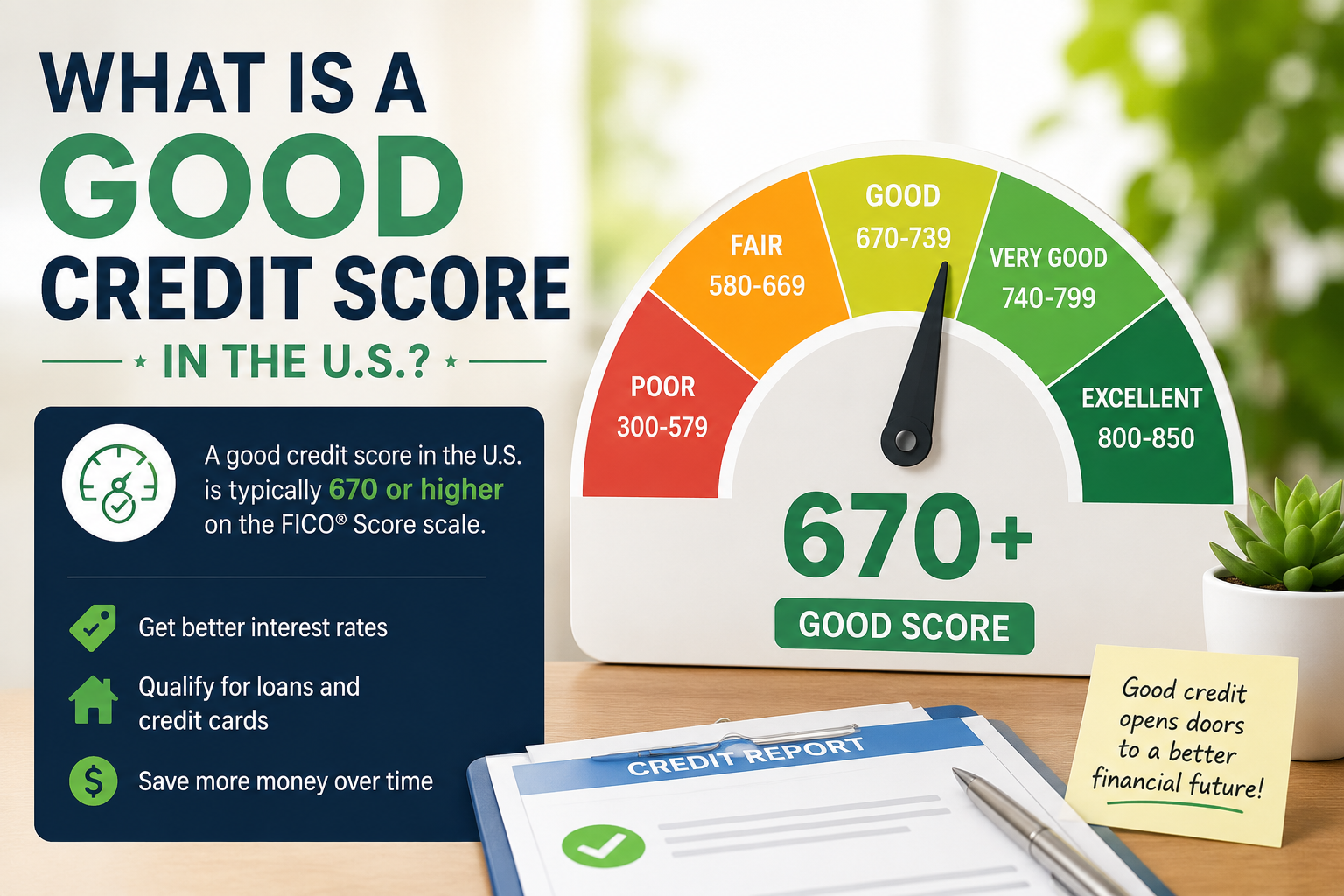
Under the most widely used consumer credit scoring models in the United States, a 900 credit score does not exist. The standard versions of both FICO® Score and VantageScore® use a scoring range of 300 to 850, making 850 the highest possible score—not 900.
So why do so many people believe otherwise?
Part of the confusion comes from the fact that not all credit scoring systems are identical. While most consumers are familiar with standard FICO® Scores and VantageScore® models, there are also specialized scoring models designed for specific industries, such as auto lending or credit card issuers. In addition, some countries use completely different credit scoring systems with different numerical ranges.
Internet misinformation has also contributed to the myth. Articles without reliable sources, outdated information, and viral social media posts often repeat the idea that a 900 credit score exists without explaining which scoring system they are referring to—or whether the claim is accurate at all.
Understanding the difference between consumer credit scores and other scoring systems can help you avoid unnecessary confusion. More importantly, it can help you focus on what truly matters: maintaining healthy financial habits rather than chasing a score that doesn’t exist under the standard models used by most lenders.
In this guide, we’ll explain why a 900 credit score is a common misconception, explore where the myth originated, clarify the difference between various scoring systems, and discuss what score you should actually aim for when building excellent credit.
Featured Snippet
Can you have a credit score of 900?
No. Under the most widely used consumer credit scoring models in the United States, including FICO® Score and VantageScore®, the highest possible credit score is 850. A 900 credit score does not exist under these standard scoring models, although some specialized industry-specific credit scoring models may use different ranges.
Can You Have a Credit Score of 900?
The simple answer is no—not under the consumer credit scoring models most lenders use.
When people apply for a mortgage, auto loan, personal loan, or credit card, lenders typically review either a FICO® Score, a VantageScore®, or another score derived from those established models. The standard versions of these scoring systems have a maximum score of 850.
That means there is no such thing as a 900 credit score under the standard consumer models used throughout the United States.
This is one of the most common myths surrounding credit scores, and it often leads consumers to believe they haven’t reached “perfect credit” even when they already have an exceptional score.
Fortunately, understanding the actual scoring ranges makes it much easier to set realistic financial goals.
FICO® Score Range: 300–850
The FICO® Score is the most widely used credit scoring model in the United States.
Although there are multiple versions of FICO® Scores used by different lenders, the standard consumer scoring range is:
- Lowest score: 300
- Highest score: 850
Your FICO® Score is calculated using information contained in your credit reports, including factors such as:
- Payment history
- Amounts owed
- Length of credit history
- New credit activity
- Credit mix
Lenders use this score to help assess the likelihood that a borrower will repay a loan as agreed.
The closer your score is to 850, the stronger your credit profile generally appears.
VantageScore® Range: 300–850
VantageScore®, created jointly by Equifax, Experian, and TransUnion, also uses a standard range of:
- Lowest score: 300
- Highest score: 850
Although VantageScore® uses a different scoring formula than FICO®, both models share the same overall scoring range.
This is another reason the idea of a 900 credit score causes confusion.
If both of the most widely used consumer scoring systems stop at 850, where did the number 900 come from?
Why Do People Think Credit Scores Reach 900?
There are several reasons why the myth continues to circulate.
Many consumers simply hear the number repeated without verifying the source.
Others encounter websites that discuss specialized scoring systems without explaining that they are not the standard consumer credit scores used for most lending decisions.
The result is widespread confusion.
Let’s look at the most common reasons behind the misunderstanding.
Where Does the 900 Credit Score Myth Come From?
The belief that someone can have a 900 credit score usually stems from misunderstandings about different scoring systems rather than from the standard consumer credit models themselves.
Several factors contribute to the myth.
Auto Lending Myths
Some auto lenders use specialized credit scoring models designed specifically for vehicle financing.
These industry-specific versions may weigh certain aspects of your credit history differently than general consumer scores.
Because consumers sometimes hear about these specialized models without understanding how they differ, many assume they use the same scale—or that they extend to 900.
In reality, when most people check their own credit scores through banks, credit card issuers, or credit monitoring services, they are typically viewing a standard consumer score that tops out at 850.
Mortgage Lending Myths
Mortgage lenders often use specialized versions of credit scores when evaluating home loan applications.
This has led some consumers to believe mortgage lenders use a completely different scoring range.
While lenders may use different versions of established credit scoring models, that does not mean the highest possible score suddenly becomes 900 under the standard consumer ranges.
The version of the score may differ, but the widely recognized consumer maximum remains 850.
International Credit Systems
Credit scoring systems vary around the world.
Different countries use different credit bureaus, different scoring methods, and different numerical ranges.
For example, some countries use scoring scales that extend well beyond 850, while others use much lower numerical ranges.
When people read international financial articles without realizing they refer to another country’s credit system, they may mistakenly assume those score ranges also apply in the United States.
This misunderstanding is one reason the 900-credit-score myth continues to spread online.
Older or Specialized Scoring Models
Another source of confusion comes from specialized industry scoring models developed for specific lending purposes.
Some older or industry-specific models use different score ranges depending on the lender’s needs.
These models are not the same as the standard consumer FICO® Score or VantageScore® that most Americans see when checking their credit.
Without that context, consumers may incorrectly believe every credit score follows the same numerical scale.
Internet Misinformation
The internet makes it easy for inaccurate financial information to spread quickly.
A single incorrect social media post, blog article, or online comment can be repeated thousands of times without anyone verifying whether the information is accurate.
Examples include claims such as:
- “Only millionaires have a 900 credit score.”
- “You need 900 to get the best mortgage.”
- “Banks won’t approve you unless you’re close to 900.”
None of these statements accurately describe the standard consumer credit scoring models used by most U.S. lenders.
Whenever researching financial topics, it’s best to rely on trusted sources and official information rather than unverified social media claims.
Why Understanding the Difference Matters
Believing that a 900 credit score exists may cause unnecessary frustration.
Some consumers spend years trying to reach an impossible goal, believing their excellent score is somehow inadequate because it hasn’t reached 900.
In reality, borrowers with credit scores well below 850 often qualify for highly competitive interest rates and favorable lending terms.
Instead of chasing a mythical score, it’s far more beneficial to focus on maintaining healthy financial habits such as paying bills on time, keeping credit card balances manageable, and reviewing your credit reports regularly.
These habits contribute to long-term financial success regardless of whether your score is 790, 820, or 850.
Real-Life Example
James was preparing to apply for his first mortgage when he came across a social media post claiming that only people with a 900 credit score qualified for the best interest rates.
Concerned, he searched online to learn how he could improve his score beyond the low 800s.
After reviewing information from trusted financial education resources, James discovered that the highest score under the standard FICO® Score and VantageScore® models is 850, not 900. He also learned that many borrowers qualify for competitive mortgage rates with scores well below the maximum.
Rather than worrying about reaching an impossible number, James focused on continuing his positive financial habits by paying every bill on time, keeping his credit card balances low, and avoiding unnecessary debt. His preparation helped him submit a strong mortgage application with confidence.
James’s experience shows how understanding the facts about credit scoring can help consumers make informed financial decisions instead of relying on common myths.
Key Takeaway
A 900 credit score is a common misconception under the standard consumer credit scoring models used in the United States. Both FICO® Score and VantageScore® use a scoring range of 300 to 850, making 850 the highest possible score for the versions most consumers encounter.
The myth of the 900 credit score often arises from confusion about specialized lending models, international credit systems, older scoring methods, and inaccurate information shared online. Understanding the difference helps you set realistic financial goals and focus on what truly matters—building responsible credit habits rather than chasing a number that doesn’t exist.
What Is the Highest Credit Score, and Do You Need It?
Once people discover that a 900 credit score doesn’t exist under the standard consumer credit scoring models, the next question is usually:
“So what is the highest credit score I can actually achieve?”
The answer is simple: under the most widely used FICO® Score and VantageScore® models, the highest possible score is 850.
Reaching an 850 credit score represents exceptional credit management over many years. However, one of the biggest misconceptions about credit is that you need a perfect score to qualify for the best loans or lowest interest rates.
In reality, many borrowers with credit scores in the high 700s or low 800s qualify for the same competitive lending terms as someone with a perfect 850. Lenders evaluate much more than a single number when deciding whether to approve a loan and what interest rate to offer.
Your income, debt levels, employment history, assets, and the type of loan you’re applying for all play important roles in the lending decision.
Understanding how lenders assess borrowers can help you focus on the financial habits that truly matter instead of worrying about achieving a score that offers little additional practical benefit.
What Is the Highest Credit Score?
Under the standard versions of the most widely used consumer credit scoring models in the United States, 850 is the highest possible credit score.
Both:
- FICO® Score
- VantageScore®
use a standard scoring range of:
- Lowest score: 300
- Highest score: 850
Although both scoring systems calculate scores differently, they share the same maximum value.
An 850 credit score generally reflects many years of responsible credit management, including consistent on-time payments, low credit utilization, and a long, well-managed credit history.
However, reaching 850 should be viewed as an achievement—not a requirement.
What Does an 850 Credit Score Mean?
An 850 credit score generally indicates that a borrower has demonstrated excellent credit management over an extended period.
While every credit profile is unique, people with scores near 850 often have characteristics such as:
- A long history of making payments on time.
- Low credit card balances relative to available credit.
- A well-established credit history.
- A healthy mix of credit accounts.
- Few recent hard inquiries.
An 850 score suggests that a borrower presents a very low level of credit risk based on the information in their credit reports.
However, even consumers with excellent scores can occasionally see small fluctuations as new information is reported.
Is 850 Better Than 800?
Technically, yes.
An 850 credit score is numerically higher than an 800 credit score.
In practice, however, the difference is often much smaller than many consumers expect.
Both scores are generally considered exceptional.
Many lenders view borrowers in these ranges as highly qualified applicants.
For this reason, someone with an 805 credit score may receive the same interest rate as someone with an 850 credit score, depending on the lender and the loan product.
Once you reach an excellent credit range, additional points may not provide significant practical advantages.
Why Chasing a Perfect Score Isn’t Necessary
Many consumers become focused on achieving the highest possible number.
While it’s understandable to take pride in excellent credit, a perfect score is not required for financial success.
The difference between:
- 800
- 820
- 835
- 850
may have little or no impact on many lending decisions.
Instead of trying to earn every possible point, it’s generally more beneficial to maintain consistent financial habits that keep your credit profile strong over the long term.
Why Lenders Look Beyond Your Credit Score
Your credit score is an important tool, but it is only one part of the overall lending decision.
Lenders want to understand your complete financial picture before approving a loan.
For this reason, they often evaluate additional information alongside your credit score.
Income
Your income helps lenders determine whether you have sufficient financial resources to repay the loan.
Even applicants with excellent credit may need to demonstrate stable income when applying for significant loans such as mortgages.
Debt-to-Income Ratio (DTI)
Many lenders review your debt-to-income ratio, often called DTI.
This compares your monthly debt obligations with your income.
Someone with an excellent credit score but very high monthly debt payments may still face challenges qualifying for additional borrowing.
Employment History
Stable employment may provide lenders with greater confidence in your ability to make future payments.
Requirements vary depending on the lender and loan type.
Savings and Assets
Some lenders also consider available savings or other financial assets.
Having emergency savings or additional financial resources may strengthen an application, particularly for larger loans.
Down Payment
For mortgages and vehicle financing, the size of your down payment may influence both approval decisions and loan terms.
A larger down payment may reduce the lender’s overall risk.
The Type of Loan
Different loan products have different approval standards.
For example:
- Credit cards
- Auto loans
- Personal loans
- Mortgages
- Home equity loans
may each have unique underwriting requirements.
A borrower who easily qualifies for one financial product may face different requirements when applying for another.
Can You Get the Best Rates Without an 850 Credit Score?
Yes.
In many cases, borrowers with excellent—but not perfect—credit qualify for the same highly competitive interest rates as those with an 850 score.
Every lender establishes its own lending criteria.
Rather than focusing exclusively on the highest possible score, many lenders evaluate whether an applicant falls within their preferred credit range.
Once you reach excellent credit, additional points may not significantly change the terms you’re offered.
This is why financial experts often encourage consumers to focus on maintaining excellent credit instead of trying to achieve perfection.
Building Financial Strength Beyond Your Credit Score
Strong credit is only one component of long-term financial health.
Consumers who consistently practice responsible financial habits often place themselves in a stronger position when applying for future loans.
These habits include:
- Paying every bill on time.
- Keeping credit card balances low.
- Avoiding unnecessary debt.
- Building emergency savings.
- Reviewing credit reports regularly.
- Borrowing responsibly.
These behaviors contribute not only to a healthy credit score but also to greater overall financial stability.
Real-Life Example
Emily had worked hard for years to build an excellent credit history.
When she applied for a mortgage, her credit score was 812. Although she wondered whether she needed to reach a perfect 850, her lender explained that her score already placed her in an excellent credit category.
Because Emily also had stable employment, a manageable debt-to-income ratio, consistent income, and a substantial down payment, she qualified for a competitive mortgage interest rate without any difficulty.
Emily realized that lenders evaluate much more than a single credit score. Her overall financial profile demonstrated responsible borrowing and strong financial management, allowing her to achieve her homeownership goals without pursuing a perfect score.
Her experience illustrates an important lesson: excellent financial habits often matter far more than achieving the maximum possible credit score.
Key Takeaway
The highest possible score under the standard FICO® Score and VantageScore® models is 850, but achieving a perfect score is not necessary to qualify for excellent borrowing opportunities. In many cases, borrowers with credit scores in the high 700s or low 800s receive the same competitive interest rates and loan terms as those with an 850 score.
Lenders evaluate your overall financial profile—not just your credit score. Factors such as income, debt-to-income ratio, employment history, savings, assets, and the type of loan you’re applying for all influence lending decisions. Focusing on responsible financial habits is generally far more valuable than chasing a perfect number.
How Close Can You Get to an 850 Credit Score?
Now that you know a 900 credit score isn’t possible under the standard consumer credit scoring models, you may be wondering another important question:
“How close can I realistically get to the highest possible credit score?”
The answer depends on your financial habits, credit history, and patience.
While an 850 credit score is the highest possible score under the standard FICO® Score and VantageScore® models, relatively few consumers ever achieve it. Fortunately, reaching the maximum isn’t necessary to enjoy the benefits of excellent credit.
Many people with credit scores in the high 700s or low 800s already qualify for competitive interest rates, premium credit cards, and favorable loan terms. Once you reach an excellent credit range, small differences in your score often have little practical impact on your borrowing opportunities.
Instead of chasing perfection, it’s far more valuable to build habits that support long-term financial health.
In this section, we’ll explore how consumers move closer to an 850 credit score, why so few people reach the maximum, separate common myths from facts, and explain why consistent financial responsibility matters much more than achieving a flawless score.
How Close Can Most Consumers Get to 850?
There’s no limit to how much you can improve your credit until you reach the maximum score of 850.
However, the closer you get to the top of the range, the more difficult it generally becomes to earn additional points.
For many consumers, reaching the high 700s or low 800s is a realistic long-term goal.
Scores above 800 are widely considered exceptional and demonstrate a long history of responsible credit management.
While some consumers eventually reach 850, maintaining that score consistently can be challenging because credit scores naturally fluctuate as new information is added to your credit reports.
What Helps You Move Closer to 850?
Building exceptional credit requires consistent financial habits over many years.
Although credit scoring formulas are proprietary, the factors below are widely recognized as important components of both FICO® Score and VantageScore® models.
1. Pay Every Bill on Time
Your payment history is one of the most influential factors affecting your credit score.
Making every payment by its due date demonstrates reliability and responsible financial management.
Even one missed payment can have a negative impact, particularly if it becomes significantly overdue.
Simple habits such as setting up automatic payments or calendar reminders can help you maintain a consistent payment history.
2. Keep Credit Utilization Low
Credit utilization measures how much of your available revolving credit you’re currently using.
For example, if you have a total credit limit of $10,000 and your combined balances are $2,000, your credit utilization is 20%.
Lower utilization generally indicates responsible credit management.
Many consumers with excellent credit maintain relatively low credit card balances compared with their available credit limits.
3. Build a Long Credit History
Length of credit history also plays an important role.
Lenders generally value borrowers who have demonstrated responsible credit management over many years.
Older, well-managed accounts contribute to a longer average credit history.
This is one reason financial experts often recommend carefully considering the impact before closing long-established credit accounts.
4. Maintain a Healthy Credit Mix
Having experience managing different types of credit may contribute positively to your overall credit profile.
Examples include:
- Credit cards
- Auto loans
- Student loans
- Mortgages
- Personal loans
This doesn’t mean you should borrow money unnecessarily.
Instead, it means responsibly managing the credit accounts that naturally fit your financial needs.
5. Limit Unnecessary Hard Inquiries
Applying for several new credit accounts within a short period may result in multiple hard inquiries.
While an occasional inquiry is generally not a major concern, frequent applications may suggest increased borrowing risk.
Before applying for new credit, consider whether it’s truly necessary.
Why Very Few People Reach 850
Although achieving an 850 credit score is possible, relatively few consumers reach the maximum.
There are several reasons why.
Credit Scores Naturally Fluctuate
Your credit score isn’t static.
It changes whenever new information is added to your credit reports.
For example:
- Credit card balances change each month.
- New accounts may be opened.
- Loans may be paid off.
- Hard inquiries eventually age.
- Credit limits may change.
These routine changes can cause your score to move slightly, even if you continue practicing excellent financial habits.
It’s perfectly normal for someone with outstanding credit to see their score move up or down by a few points from month to month.
Perfection Isn’t Required
Many consumers assume they must achieve an 850 credit score before lenders consider them excellent borrowers.
That’s simply not true.
Most lenders group applicants into broad credit categories rather than evaluating every individual point.
A borrower with an 810 credit score may receive the same loan offer as someone with an 850 score.
Once you reach excellent credit, maintaining healthy financial habits becomes much more important than pursuing a perfect number.
Life Happens
Even financially responsible consumers experience normal life events that can influence their credit profiles.
Examples include:
- Financing a vehicle.
- Buying a home.
- Opening a new rewards credit card.
- Paying off a long-term loan.
These activities may cause temporary changes to your score while still representing responsible financial decisions.
An excellent credit score should support your financial goals—not prevent you from making sensible borrowing decisions.
Common Myths About Perfect Credit
There are many misconceptions about achieving exceptional credit.
Let’s separate fact from fiction.
Myth 1: A 900 Credit Score Exists
Fact:
The standard versions of FICO® Score and VantageScore® use a scoring range of 300 to 850.
A 900 credit score does not exist under these widely used consumer scoring models.
Myth 2: An 850 Credit Score Guarantees Loan Approval
Fact:
Although an excellent credit score strengthens your application, lenders also consider:
- Income
- Employment
- Debt-to-income ratio
- Assets
- Down payment
- Loan type
Approval decisions are based on your overall financial profile.
Myth 3: High Income Automatically Means High Credit
Fact:
Income is not a direct factor in calculating your credit score.
Someone earning a modest income can have excellent credit by consistently managing debt responsibly, while someone with a very high income can still have poor credit if they miss payments or carry excessive debt.
Myth 4: Checking Your Credit Score Lowers It
Fact:
Checking your own credit score is generally considered a soft inquiry and typically does not affect your credit score.
Regularly monitoring your credit is an important part of responsible financial management.
Why Good Financial Habits Matter More Than Perfect Scores
One of the biggest mistakes consumers make is becoming overly focused on achieving a specific number.
A healthy financial life involves much more than a credit score.
Responsible financial habits include:
- Paying bills on time.
- Living within your means.
- Maintaining an emergency fund.
- Borrowing only when necessary.
- Reviewing your credit reports regularly.
- Avoiding unnecessary debt.
These habits not only help support strong credit scores but also contribute to long-term financial stability.
Instead of asking:
“How can I reach 850?”
A better question might be:
“How can I consistently make smart financial decisions?”
That mindset often produces stronger financial outcomes over time.
Real-Life Example
Sophia had maintained excellent credit for more than a decade.
Her credit score generally stayed between 820 and 835, occasionally increasing or decreasing by a few points as her credit card balances changed each month.
Although she never reached the maximum score of 850, she consistently qualified for premium credit cards, competitive auto loan rates, and favorable mortgage terms.
Rather than chasing a perfect score, Sophia focused on maintaining healthy financial habits. She paid every bill on time, kept her credit utilization low, avoided unnecessary debt, and reviewed her credit reports regularly.
Her experience demonstrates that excellent financial opportunities are available to many borrowers long before they reach the highest possible credit score.
Key Takeaway
While 850 is the highest possible score under the standard FICO® Score and VantageScore® models, very few consumers ever achieve or maintain it consistently. Credit scores naturally fluctuate over time, and reaching the maximum requires years of responsible credit management.
The good news is that you don’t need a perfect credit score to enjoy excellent financial opportunities. Many borrowers with scores in the high 700s or low 800s qualify for competitive interest rates, premium credit products, and favorable loan terms. The key to long-term success isn’t chasing perfection—it’s consistently practicing responsible financial habits that support both strong credit and overall financial well-being.

Frequently Asked Questions (FAQs)
1. Can you have a 900 credit score?
No. Under the standard FICO® Score and VantageScore® models used by most U.S. lenders, the highest possible credit score is 850.
2. Does anyone have a 900 credit score?
Not under the standard consumer credit scoring models. Claims about a 900 credit score usually stem from confusion with specialized or international scoring systems.
3. What is the highest FICO® Score?
The highest standard FICO® Score is 850.
4. What is the highest VantageScore®?
The standard VantageScore® also has a maximum score of 850.
5. Why do people talk about a 900 credit score?
The myth often comes from internet misinformation, misunderstandings about specialized lending models, and credit scoring systems used in other countries.
6. Is 850 a perfect credit score?
Yes. Under the standard consumer models, 850 is considered the highest possible score.
7. Is an 800 credit score good enough?
Absolutely. An 800 credit score is widely considered excellent and may qualify borrowers for competitive loan terms, depending on the lender and other financial factors.
8. What is considered an excellent credit score?
Generally, scores of 800 and above are viewed as exceptional under many lending standards, although lenders may use different criteria.
9. Can your credit score go above 850?
No. Under the standard FICO® Score and VantageScore® models, 850 is the maximum.
10. What credit score do lenders prefer?
Every lender has its own approval requirements, but strong credit, stable income, manageable debt, and responsible financial behavior all contribute to a stronger application.
11. Does income affect your credit score?
No. Income is not a direct factor used to calculate your credit score, although lenders may consider it during loan approval.
12. How long does it take to reach an 850 credit score?
There is no set timeline. Building exceptional credit typically requires many years of consistent responsible credit management.
13. Should I aim for 850?
There’s nothing wrong with aiming high, but most consumers don’t need a perfect score to qualify for excellent borrowing opportunities.
14. How many Americans have an 850 credit score?
Only a relatively small percentage of consumers reach the maximum score. Most borrowers with excellent credit have scores below 850.
15. Can your score drop from 850?
Yes. Credit scores change as new information is reported to the credit bureaus, so even consumers with excellent credit may experience small fluctuations.
16. Do other countries use different credit score ranges?
Yes. Credit scoring systems vary worldwide, and some countries use different numerical ranges than those used in the United States.
17. What matters more than a perfect credit score?
Responsible financial habits, stable income, manageable debt, and long-term financial planning often matter more than achieving the highest possible score.
18. What’s the fastest way to improve credit?
There is no instant solution. Paying bills on time, reducing debt, keeping credit utilization low, and maintaining responsible borrowing habits are among the most effective strategies.
19. Which credit score do mortgage lenders use?
Mortgage lenders may use different versions of established credit scoring models depending on their underwriting requirements.
20. What should my goal be?
Rather than chasing 850, focus on building strong financial habits that support long-term financial health and responsible credit management.
Myths vs. Facts
| Myth | Fact |
|---|---|
| A 900 credit score exists. | The standard FICO® Score and VantageScore® models both have a maximum score of 850. |
| You need an 850 score to get the best interest rates. | Many borrowers with scores in the high 700s or low 800s qualify for competitive loan terms. |
| High income guarantees excellent credit. | Credit scores are based on credit history, not income. |
| Checking your own credit lowers your score. | Checking your own credit is generally a soft inquiry and typically does not affect your score. |
| Closing old credit cards always improves your score. | Closing accounts may reduce available credit and affect your credit profile. |
| A perfect score guarantees loan approval. | Lenders evaluate your overall financial profile, not just your credit score. |
| Credit scores never change. | Credit scores are dynamic and update as new information is reported. |
| Building excellent credit happens quickly. | Strong credit usually develops through years of consistent financial habits. |
30-Day Plan for Maintaining Excellent Credit
Week 1: Review Your Credit
- Review your credit reports for accuracy.
- Check your current credit score.
- Verify that all accounts are reported correctly.
- Create or update your monthly budget.
Week 2: Strengthen Payment Habits
- Confirm all bills are paid on time.
- Set up automatic payments where appropriate.
- Schedule payment reminders.
Week 3: Manage Credit Wisely
- Review your credit card balances.
- Reduce revolving balances if possible.
- Avoid applying for unnecessary new credit.
Week 4: Plan for Long-Term Success
- Build or strengthen your emergency fund.
- Review your financial goals.
- Continue monitoring your credit regularly.
- Maintain consistent financial habits.
Beginner-Friendly Checklist
✔ Pay every bill on time.
✔ Keep credit card balances manageable.
✔ Review your credit reports regularly.
✔ Dispute inaccurate information if necessary.
✔ Avoid unnecessary hard inquiries.
✔ Maintain older credit accounts when appropriate.
✔ Borrow only what you can comfortably repay.
✔ Monitor your progress over time.
✔ Continue learning about personal finance.
✔ Focus on consistency rather than perfection.
When Should You Seek Professional Financial Advice?
Consider speaking with a qualified financial professional or a reputable nonprofit credit counseling agency if you:
- Are struggling to manage debt.
- Need help creating a repayment plan.
- Are considering bankruptcy.
- Have experienced identity theft.
- Need guidance before applying for a mortgage or other major loan.
- Want personalized advice based on your financial situation.
Professional guidance can help you understand your options and make informed financial decisions.
Continue Learning With Clear Money Steps
Expand your knowledge with these related guides:
- What Is a Credit Score?
- How Credit Scores Are Calculated
- What Is a Good Credit Score?
- What Is an Excellent Credit Score?
- What Is the Highest Credit Score Possible?
- What Is the Lowest Credit Score?
- FICO® Score vs. VantageScore®
- Why Did My Credit Score Drop?
- How to Build Credit From Scratch
- How Long Does It Take to Build Credit?
These articles provide additional information to help you understand how credit works and how to make informed financial decisions.
Trusted U.S. Resources
For accurate and up-to-date information, refer to these trusted organizations:
- Consumer Financial Protection Bureau (CFPB) – Consumer education on credit, loans, debt, and financial rights.
- myFICO® – Official information about FICO® Scores and credit scoring factors.
- VantageScore® – Official guidance on VantageScore® credit scoring models.
- AnnualCreditReport.com – The official source for eligible free credit reports from Equifax, Experian, and TransUnion.
- Federal Trade Commission (FTC) – Consumer guidance on identity theft, fraud prevention, and financial protection.
Financial Disclaimer
The information in this article is provided for educational and informational purposes only and should not be considered financial, legal, tax, or credit advice. Credit scoring models, lending policies, and financial products vary by lender and individual circumstances. Before making important financial decisions, consider consulting a qualified financial professional or your financial institution.
Conclusion
The idea of a 900 credit score is one of the most common myths in personal finance. Under the standard FICO® Score and VantageScore® models used by most lenders in the United States, the highest possible credit score is 850.
Fortunately, achieving a perfect score isn’t necessary to enjoy the benefits of excellent credit. Many borrowers with scores in the high 700s and low 800s qualify for competitive interest rates, premium credit cards, and favorable loan terms. Lenders evaluate much more than a single number, considering factors such as income, debt-to-income ratio, employment history, and overall financial stability.
Instead of pursuing a score that offers little additional practical benefit, focus on building habits that support long-term financial success. Paying your bills on time, keeping credit utilization low, reviewing your credit reports regularly, and borrowing responsibly will have a far greater impact on your financial future than chasing a perfect credit score.
At Clear Money Steps, we’re committed to providing accurate, easy-to-understand, and regularly updated financial education. Our content is reviewed to reflect current consumer credit practices and trusted U.S. financial guidance, helping you make informed decisions with confidence.
Whether you’re building credit for the first time or maintaining an excellent credit profile, every responsible financial decision moves you one step closer to lasting financial success.

Blessing Thagisa is a personal finance writer and researcher at Clear Money Steps, specializing in credit scores, credit reports, loans, budgeting, and consumer financial education. He is passionate about making complex financial topics easy to understand through accurate, practical, and well-researched guides. His goal is to help readers build strong financial habits, improve their credit, and make confident money decisions with clear, trustworthy information.