Starting Credit at 18
Turning 18 is a major financial milestone. For many young adults, it is the first time they can begin applying for certain financial products in their own name, signing contracts independently, renting an apartment, financing a vehicle, and taking more control over their financial future.
It is also one of the most common ages to begin thinking seriously about credit.
That is because many important financial goals are tied, directly or indirectly, to your credit history. You may want to rent your first apartment, qualify for a car loan, apply for a first credit card, become more financially independent, or prepare for larger goals later in life such as buying a home.
The challenge is that many 18-year-olds have little or no credit history.
That is completely normal.
If you have never had a credit card, loan, authorized-user account, or other reported financial account, there may simply not be enough information in your credit file for lenders or credit-scoring models to evaluate you.
That does not mean you have bad credit.
It usually means you have no credit or a thin credit file.
These are very different situations.
Someone with bad credit already has a credit history, but that history may include negative information such as late payments, defaults, collections, or other problems.
Someone with no credit simply has little or no reported history yet.
At 18, that distinction matters because your goal is usually not to repair damaged credit. It is to start building positive credit history from the beginning.
Starting early can be valuable because time plays an important role in credit. If you open a responsibly managed account at 18 and keep it in good standing, that account may eventually become one of the older parts of your credit history.
However, starting early does not mean you should rush.
Building credit should never become an excuse to take on unnecessary debt, apply for several credit cards at once, finance something you do not need, or carry balances just because someone told you that debt is required to build a score.
The real goal is much simpler:
Start small, use credit responsibly, and build a positive financial history over time.
Quick Answer — How Can You Build Credit at 18?
At 18, you can start building credit by becoming an authorized user on a responsibly managed account, opening a secured or beginner credit card if appropriate, using a credit-builder loan, and making every payment on time. The key is to start small, avoid unnecessary debt, and build positive credit history consistently over time.
You do not need five credit cards, a car loan, and a personal loan just because you turned 18.
For many beginners, one or two well-managed accounts can be enough to start building a strong foundation.
Can You Build Credit at 18?
Yes.
At 18, you can begin establishing credit independently.
That may include applying for certain credit cards, secured cards, credit-builder loans, or other financial products in your own name, depending on the lender or issuer’s requirements.
However, turning 18 does not mean every lender will automatically approve you.
Financial institutions may still consider factors such as:
- Income
- Employment
- Existing debt
- Credit history
- Ability to repay
- Their own underwriting requirements
This means some traditional products may still be difficult to qualify for if you have little income or no previous credit history.
That is why beginner-friendly options can be useful.
For many 18-year-olds, a simple strategy is better than an aggressive one.
For example, instead of opening several accounts immediately, you might start with:
- One secured credit card.
- One student card, if appropriate.
- An authorized-user account.
- A low-cost credit-builder product.
The most important thing is whether you can manage the account responsibly.
Do You Have a Credit Score at 18?
Not automatically.
Your 18th birthday does not create a credit score.
Credit scores are calculated using information in your credit reports, and scoring models generally need enough reported information before they can generate a score.
Some 18-year-olds may already have credit history because they were:
- Added as authorized users to a parent’s credit card.
- Included on another reported account.
- Responsible for student loans that appear on their credit reports.
Others may have no reported credit information at all.
That means two people can both turn 18 while having very different credit profiles.
One may already have several years of authorized-user history.
Another may be completely credit invisible.
Both situations are normal.
No Credit vs. Bad Credit at 18
Understanding the difference can prevent unnecessary worry.
| No Credit | Bad Credit |
|---|---|
| Little or no reported history | Existing negative history |
| Common at 18 | Less common at 18 |
| Not the same as being financially irresponsible | May include late payments or defaults |
| Goal is to establish history | Goal is to rebuild history |
If you have no credit history, the solution is generally to begin establishing responsible, reported activity.
If you already have negative history, the strategy may involve rebuilding.
Related guide: What Is a Thin Credit File?
7 Best Ways to Build Credit at 18
1. Become an Authorized User
One of the easiest ways to begin building credit may be to become an authorized user on a trusted person’s credit card account.
A parent or another responsible adult may add you to an existing card.
The primary cardholder:
- Owns the account.
- Controls the account.
- Remains responsible for making payments.
If the issuer reports authorized-user activity to the credit bureaus, the account may appear on your credit reports.
This can potentially help you establish credit history.
However, the quality of the account matters.
A good account generally has:
- Consistent on-time payments.
- Manageable balances.
- A long positive history.
If the primary cardholder frequently misses payments or keeps the balance close to the credit limit, the account may be less helpful.
You also do not necessarily need to use the physical card heavily.
The potential credit benefit comes from the reported account history, depending on the issuer.
2. Open a Secured Credit Card
A secured credit card can be a strong option for someone with little or no credit history.
Unlike a traditional unsecured card, a secured card usually requires a refundable security deposit.
For example:
Deposit: $300
Possible credit limit: $300
The exact relationship between deposit and credit limit varies by issuer.
You then use the card much like a regular credit card.
You make purchases, receive a statement, and pay the account according to the terms.
The important part is that the issuer reports your account activity to the credit bureaus.
To use a secured card responsibly:
- Make only purchases you can afford.
- Pay on time every month.
- Keep balances manageable.
- Avoid maxing out the card.
- Review the account regularly.
A low credit limit can make utilization rise quickly.
If your limit is $300 and your balance is $270, you are using most of the available credit.
That is why small, controlled purchases are often better than heavy spending.
Related guide: What Is a Secured Credit Card?
3. Consider a Student Credit Card
If you are a student, you may qualify for a student credit card designed for people with limited credit history.
Some student cards may offer:
- No security deposit.
- Basic rewards.
- Credit education tools.
- Beginner-friendly features.
However, approval is not guaranteed.
Issuer requirements still vary, and your income may matter.
Before applying, compare:
- Annual fee.
- APR.
- Late-payment fees.
- Foreign transaction fees.
- Rewards.
- Credit bureau reporting.
Do not apply for several cards at once just because they are marketed to students.
One appropriate card can be enough to start learning how credit works.
4. Use a Credit-Builder Loan
A credit-builder loan is another option for establishing credit.
It often works differently from a traditional personal loan.
With many credit-builder loans, the lender holds the loan funds in a restricted account while you make scheduled monthly payments.
The lender may report those payments to the credit bureaus.
After the loan is completed, you generally receive access to the funds, depending on the product’s terms.
Before opening one, review:
- Monthly payment.
- Interest.
- Fees.
- Loan term.
- Credit bureau reporting.
- What happens if you miss a payment.
Only use a credit-builder loan if the payment fits comfortably in your budget.
A product designed to help your credit can still hurt if you cannot manage the monthly obligation.
Future guide: What Is a Credit-Builder Loan?
5. Pay Every Bill on Time
One of the most important habits you can learn at 18 is simply paying every credit obligation on time.
Payment history plays a major role in widely used credit scoring models.
That means late payments can create unnecessary damage very early in your credit journey.
Simple habits can help:
- Set calendar reminders.
- Use phone alerts.
- Turn on payment notifications.
- Set up automatic payments where appropriate.
- Review accounts every month.
Autopay can be helpful, but still check that the payment actually went through.
Good credit is built by consistency, not by tricks.
6. Keep Credit Card Balances Manageable
Credit utilization refers to how much of your available revolving credit you are using.
For example:
Credit limit: $500
Balance: $400
That means you are using a large portion of your available credit.
Because beginner cards often have low limits, it is easy to use too much of the available credit without realizing it.
The safest approach is simple:
Avoid regularly maxing out your card.
Use it for manageable expenses and pay the balance down before it becomes difficult to control.
You do not need to carry a balance from month to month or pay interest just to build credit.
Related guide: What Is Credit Utilization?
7. Check Your Credit Reports
Learning how to review your credit reports early can save you problems later.
Your reports can help you confirm that:
- Your accounts are being reported.
- Payment history is accurate.
- Balances are correct.
- No unfamiliar accounts have appeared.
- Authorized-user accounts are showing as expected.
Young adults can also be affected by identity theft, sometimes even before they have opened much credit themselves.
Reviewing your reports regularly helps you understand what lenders may see.
For U.S. consumers, AnnualCreditReport.com is the federally authorized source for credit reports from Equifax, Experian, and TransUnion.
Related guide: How to Read Your Credit Report
What NOT to Do at 18
Starting early is useful.
Starting recklessly is not.
Do Not Open Five Cards at Once
More accounts do not automatically mean better credit.
Multiple applications can create hard inquiries and several new accounts.
Start slowly.
Do Not Take Loans Just to Build Credit
Taking out an expensive personal or auto loan solely to create credit history can cost far more than necessary.
Borrow because you genuinely need the financing, not because you want a score.
Do Not Carry a Balance for No Reason
You do not need to carry debt from month to month to build credit.
Paying your statement balance in full can still demonstrate responsible account management.
Do Not Pay Interest Because You Think It Helps
Interest is a cost of borrowing.
Paying extra interest does not automatically improve your credit.
Do Not Max Out Your First Card
A beginner card may have a low limit, so high spending can quickly increase utilization.
Use the card conservatively.
Do Not Let Friends Use Your Credit Card
If someone spends money on your account and refuses to repay you, the lender still expects you to pay.
Your credit account is your responsibility.
Do Not Ignore Due Dates
Your first credit account is the perfect time to build good payment habits.
Treat due dates seriously from day one.
Do Not Buy Tradelines
Be cautious about paying strangers to add you to old credit card accounts simply to try to manipulate a credit score.
A genuine authorized-user relationship with a trusted family member is different from buying temporary access to someone else’s credit history.
Do Not Believe “Instant 700 Score” Promises
No legitimate company can guarantee that you will reach a certain credit score within a short period.
Your results depend on your individual history and the scoring model being used.
How Fast Can You Build Credit at 18?
You can begin building credit immediately, but a mature credit profile takes time.
Opening your first account starts the process.
From there, certain scoring models may require several months of reported information before enough data exists to generate a score.
But simply having a score is not the same as having strong, established credit.
Long-term strength generally comes from:
- Months and years of on-time payments.
- Responsible use of available credit.
- Stable account history.
- Limited unnecessary applications.
- Manageable debt.
You should not expect a guaranteed number of points after:
- 30 days.
- Three months.
- Six months.
Credit results vary.
The biggest advantage of starting at 18 is not that you can build credit overnight.
It is that you have time on your side.
If you manage credit responsibly from 18 onward, you can potentially enter your twenties with several years of positive credit history already established.
Related guide: How Long Does It Take to Build Credit?
Real-Life Example: Jordan Starts Building Credit at 18
Jordan recently turned 18 and has no established credit history.
Jordan wants to prepare for future goals such as renting an apartment and eventually financing a vehicle.
Instead of immediately applying for several credit cards, Jordan takes a slower approach.
First, a parent adds Jordan as an authorized user on a long-standing credit card with a strong record of on-time payments and manageable balances.
Jordan then researches secured credit cards and opens one appropriate account with a small refundable deposit.
The secured card is used only for small monthly purchases.
Jordan pays the statement on time and keeps the balance manageable.
Every few months, Jordan reviews the credit reports to make sure the accounts are being reported accurately.
Over time, Jordan begins establishing a stronger credit history.
Jordan does not need to:
- Carry expensive debt.
- Open several credit cards.
- Finance an unnecessary car.
- Pay for questionable credit-repair services.
There is no guaranteed score increase or exact timeline.
Jordan is simply building legitimate credit history through consistent, responsible financial behavior.
Key Takeaway
The best way to build credit at 18 is to start small and focus on responsible habits. Becoming an authorized user, opening one appropriate secured or student credit card, using a credit-builder loan if needed, paying every bill on time, keeping balances manageable, and monitoring your credit reports can help you establish positive credit history. You do not need to take on large debts or use risky shortcuts.
At 18, your biggest advantage is time.
You do not need excellent credit immediately. Your first goal should be establishing a small amount of positive history, learning how credit works, and avoiding mistakes that can follow you into your twenties.
Best Credit-Building Options for 18-Year-Olds
At 18, there is no single “best” credit product for everyone.
A secured credit card may be ideal for one person, while another may qualify for a student card. Some young adults can benefit from becoming authorized users on a parent’s well-managed account, while others may prefer to begin with a credit-builder loan or simply manage existing student loans responsibly.
The best choice depends on your income, spending habits, current financial responsibilities, and comfort level with borrowing.
The goal should not be to collect as many accounts as possible.
It should be to choose one or two simple tools you can manage responsibly for a long time.
In this section, you’ll learn how secured credit cards compare with student cards, whether becoming an authorized user or opening your own account is better, how credit-builder loans and student loans fit into your strategy, how to build credit at 18 without a credit card, whether parents can help, and how much credit an 18-year-old should actually use.
Secured Credit Card vs. Student Credit Card
Both secured cards and student cards can help young adults begin establishing credit, but they work differently.
| Secured Credit Card | Student Credit Card |
|---|---|
| Usually requires a refundable security deposit | Usually does not require a security deposit |
| Often designed for limited or poor credit | Often designed for students with limited history |
| Approval may be easier in some cases | Approval requirements vary |
| Credit limit may relate to deposit amount | Limit is set by issuer |
| May eventually upgrade to unsecured card | Already unsecured |
| May have few rewards | Some offer student-focused rewards |
When a Secured Card May Be Better
A secured card may make more sense if:
- You have no credit history.
- You have limited income.
- You do not qualify for a traditional card.
- You want a controlled, low-limit starting point.
- You can comfortably afford the refundable deposit.
The deposit can also create a useful psychological limit for beginners because you know exactly how much credit you are starting with.
When a Student Card May Be Better
A student card may be appropriate if:
- You are currently enrolled in an eligible educational program.
- You meet the issuer’s income requirements.
- You want to avoid placing money into a security deposit.
- You qualify for an unsecured beginner card.
Some student cards also offer rewards or other features, but rewards should never be the main reason to choose your first credit card.
The most important factors are:
- Low fees.
- Clear terms.
- Responsible reporting.
- A payment you can manage.
Authorized User vs. Your Own Credit Account
Many 18-year-olds wonder whether they should become an authorized user or immediately open an account in their own name.
Both strategies can be useful.
Authorized User
Being an authorized user means another person—often a parent—owns the credit card account.
Potential advantages:
- You may benefit from an established account.
- You do not need to qualify independently.
- You can learn how credit cards work.
- The account may help create credit history if reported.
Potential limitations:
- You do not control the account.
- The primary cardholder controls spending and payments.
- Poor account management can reduce the benefit.
- You still need independent credit eventually.
Your Own Account
Opening your own secured or student card means you become directly responsible for:
- Spending.
- Monthly payments.
- Credit utilization.
- Account management.
This can be valuable because lenders eventually want evidence that you can manage credit independently.
Which Is Better?
If possible, the two strategies can complement each other.
For example:
A parent may add you as an authorized user on a long-standing card while you also manage one small secured card in your own name.
That gives you exposure to an established account while also creating independent credit history.
However, you do not need both immediately.
If one account is all you can comfortably manage, start there.
How Can Parents Help an 18-Year-Old Build Credit?
Parents can play an important role, but they should help responsibly rather than simply handing over access to large amounts of credit.
Some ways parents may help include:
- Adding their child as an authorized user.
- Teaching how billing cycles work.
- Helping compare first-card options.
- Reviewing statements together.
- Explaining interest and fees.
- Helping create a budget.
- Encouraging on-time payments.
The strongest support is education and structure.
Simply adding an 18-year-old to a high-limit card without explaining responsible use may create more risk than benefit.
Should Parents Add Their Child as an Authorized User?
It can be useful if:
- The parent has a strong payment history.
- Balances are kept manageable.
- The issuer reports authorized users.
- Both people understand the arrangement.
It may be less useful if the account is frequently near its limit or has missed payments.
The parent should also consider whether they actually want the young adult to receive and use a physical card.
In some families, the child is added primarily for credit-building purposes but does not regularly use the card.
Can You Build Credit at 18 Without a Credit Card?
Yes.
A traditional credit card is not required.
Other potential options include:
- Credit-builder loans.
- Student loans you already have.
- Rent reporting.
- Authorized-user accounts.
- Certain alternative-payment reporting services.
The important question is whether the account or payment activity is actually reported to the credit bureaus.
You should not take on an expensive loan simply because you want to build credit.
Related guide: How to Build Credit Without a Credit Card
Credit-Builder Loans at 18
A credit-builder loan can be useful for someone who wants to establish independent credit but does not want a traditional credit card.
With many credit-builder loans:
- A lender places the loan amount into a restricted account.
- You make scheduled monthly payments.
- Payment activity may be reported.
- You receive access to the funds after completing the loan, depending on the terms.
Potential benefits include:
- Establishing installment payment history.
- Creating an independent account.
- Encouraging savings.
Potential drawbacks include:
- Interest.
- Fees.
- Fixed monthly obligations.
Only open one if you can comfortably make every payment.
Should an 18-Year-Old Use a Credit-Builder Loan and Credit Card?
Not necessarily.
Opening both can provide different types of reported activity, but more accounts also mean more responsibility.
If you are just beginning, one simple product may be enough.
For example:
- One secured card, or
- One credit-builder loan.
You can add other accounts later if they serve a genuine financial need.
Do Student Loans Help Build Credit?
Yes, when they are reported.
Student loans can contribute to your credit history by showing:
- Account age.
- Loan balance.
- Payment status.
- Payment history.
However, student loans should only be used for legitimate education expenses.
Do not borrow extra money simply because you believe more debt will improve your credit.
If you already have student loans, managing them responsibly may already be helping establish your credit history.
Can Student Loans Hurt Credit?
Yes.
Missed or late payments can damage your payment history.
Young borrowers should understand their:
- Loan servicer.
- Payment schedule.
- Grace periods.
- Repayment requirements.
If you are unsure when payments begin, contact the loan servicer before missing a deadline.
How Much Credit Should an 18-Year-Old Use?
There is no universal dollar amount.
The best amount is simply what you can comfortably repay.
Suppose your first card has a:
$500 limit
That does not mean you should spend $500 every month.
You might instead use it for:
- One streaming subscription.
- A tank of gas.
- Groceries.
- A small recurring bill.
Then pay the balance responsibly.
Your first credit card should not become extra income.
It is a payment and credit-building tool.
Should You Keep Credit Utilization Below a Specific Percentage?
You may hear rules such as:
- Keep it below 30%.
- Keep it below 10%.
Lower utilization is generally better than maxing out your card, but there is no need to obsess over a single universal percentage every day.
The safer principle is:
Use only a small portion of your available credit and pay balances down regularly.
This is especially important for beginners because first credit cards often have low limits.
Related guide: What Is Credit Utilization?
Should You Pay Your Card in Full Every Month?
Whenever possible, yes.
Paying the statement balance in full can help you:
- Avoid unnecessary interest.
- Keep debt manageable.
- Develop good financial habits.
You do not need to carry a balance from month to month just to build credit.
That myth can become expensive very quickly.
Should You Use Autopay?
Autopay can be extremely useful for beginners.
You might set automatic payments for:
- The minimum required payment.
- The full statement balance.
depending on your budget and bank balance.
Autopay reduces the risk of forgetting a due date, but you should still review the account every month.
Make sure:
- The payment processed.
- Your bank account has enough funds.
- No unauthorized transactions appeared.
Can You Get a Credit Card at 18 Without Income?
This can be more difficult.
Credit card issuers must consider whether applicants have the ability to make required payments.
If you have little or no income, you may not qualify for certain cards in your own name.
Depending on your situation, alternatives may include:
- Becoming an authorized user.
- Waiting until you have regular income.
- Using a credit-builder product you can afford.
Do not exaggerate or falsify income on a credit application.
What Counts as Income?
Issuer rules differ.
Some applications may consider certain forms of income that you can reasonably access, depending on your age, circumstances, and applicable rules.
Always answer application questions accurately and review the issuer’s instructions.
If you do not understand what should be included, contact the issuer rather than guessing.
Should You Apply for More Than One Card?
Usually not when you are just starting.
Applying for several cards within a short period may result in:
- Multiple hard inquiries.
- Several new accounts.
- More spending temptation.
- More due dates to manage.
A better strategy is often:
Open one appropriate account → manage it responsibly → allow your history to develop → consider additional credit later if needed.
When Should You Consider a Second Credit Card?
There is no fixed timeline.
You might consider another card later when:
- Your first account has been managed responsibly.
- You have stable income.
- You understand billing and utilization.
- A second card provides a real benefit.
- You can manage another account without overspending.
Do not open a second card simply because you believe having more accounts automatically means a better score.
How Often Should an 18-Year-Old Check Credit?
You do not need to check your score every day.
Instead, focus on periodic monitoring.
Review your credit reports to confirm:
- Accounts are accurate.
- Payment history is correct.
- Balances look reasonable.
- No unfamiliar accounts exist.
You can also monitor your credit score periodically to understand the general direction of your progress.
Daily fluctuations are much less important than long-term trends.
Credit Report vs. Credit Score at 18
Understanding the difference early is useful.
Your credit report contains the underlying history.
Your credit score summarizes eligible information from that report using a particular scoring model.
If something looks wrong with your score, investigate your credit report rather than focusing only on the number.
Which Option May Be Best for You?
Here is a simple comparison:
| Situation | Possible Starting Option |
|---|---|
| Parent has excellent credit | Authorized-user account |
| No credit history | Secured card |
| College student with income | Student credit card |
| Don’t want a credit card | Credit-builder loan |
| Already have student loans | Manage existing loans responsibly |
| Paying rent independently | Consider eligible rent reporting |
| Very limited income | Authorized-user arrangement may be simpler |
These are examples, not rules.
The best option depends on your actual financial circumstances.
Real-Life Example
Taylor is 18 and beginning college.
Taylor has a part-time job but only modest monthly income.
A parent has a long-standing credit card with a strong payment history, so Taylor becomes an authorized user.
Instead of immediately applying for several cards, Taylor waits and learns how credit works.
A few months later, Taylor compares beginner-friendly credit cards and opens one secured card with a manageable deposit.
Taylor uses the secured card for a small recurring expense and pays the statement in full each month.
At the same time, Taylor avoids taking out unnecessary personal loans just to create more credit history.
Over time, Taylor develops both:
- Authorized-user history.
- Independent credit history.
There is no guaranteed score or timeline, but Taylor has created a simple, sustainable foundation.
Key Takeaway
At 18, you have several legitimate ways to begin building credit.
A secured card can help establish independent history. A student card may work if you meet the issuer’s requirements. Becoming an authorized user may allow you to benefit from a trusted person’s established account, while credit-builder loans and existing student loans can provide additional ways to create payment history.
You do not need every option.
The strongest strategy is usually to choose one or two accounts that fit your financial situation, keep spending manageable, make every payment on time, and allow your history to grow naturally.
How Fast Can You Build Credit at 18? Myths, Mistakes, and Long-Term Strategy
Once you begin building credit at 18, it is natural to want to know how quickly you can see results.
Can you reach a 700 credit score at 18? Can you build credit in six months? Should you pay your credit card twice a month? Do you need to leave a small balance on the card? Would financing a car help you build credit faster?
These questions matter because young adults are often exposed to conflicting credit advice online. Some tips are useful, while others encourage unnecessary debt or promise results that nobody can guarantee.
The most important principle is simple:
Building credit is not a race to reach a particular number as quickly as possible.
Starting at 18 gives you an advantage because you have time to establish positive history before many major financial decisions arrive. The goal should be to develop habits that can serve you for years—not manipulate your score for a few weeks.
Can You Have a 700 Credit Score at 18?
Yes, it may be possible to have a credit score around 700 or higher at 18, but it is not guaranteed.
Your age itself does not determine your credit score.
Credit scoring models evaluate information contained in your credit reports. An 18-year-old could potentially have positive reported information from sources such as:
- An authorized-user account.
- A secured credit card.
- A student credit card.
- A student loan.
- Another eligible reported account.
Someone who was added as an authorized user before turning 18 may also already have some reported account history, depending on the issuer and credit bureau.
However, another person turning 18 may have no score at all because there is not enough information available to generate one.
Neither situation means one person is more financially successful than the other.
If you do not have a 700 score at 18, there is no reason to panic.
Your priority should be establishing accurate, positive history.
Is 700 a Good Credit Score at 18?
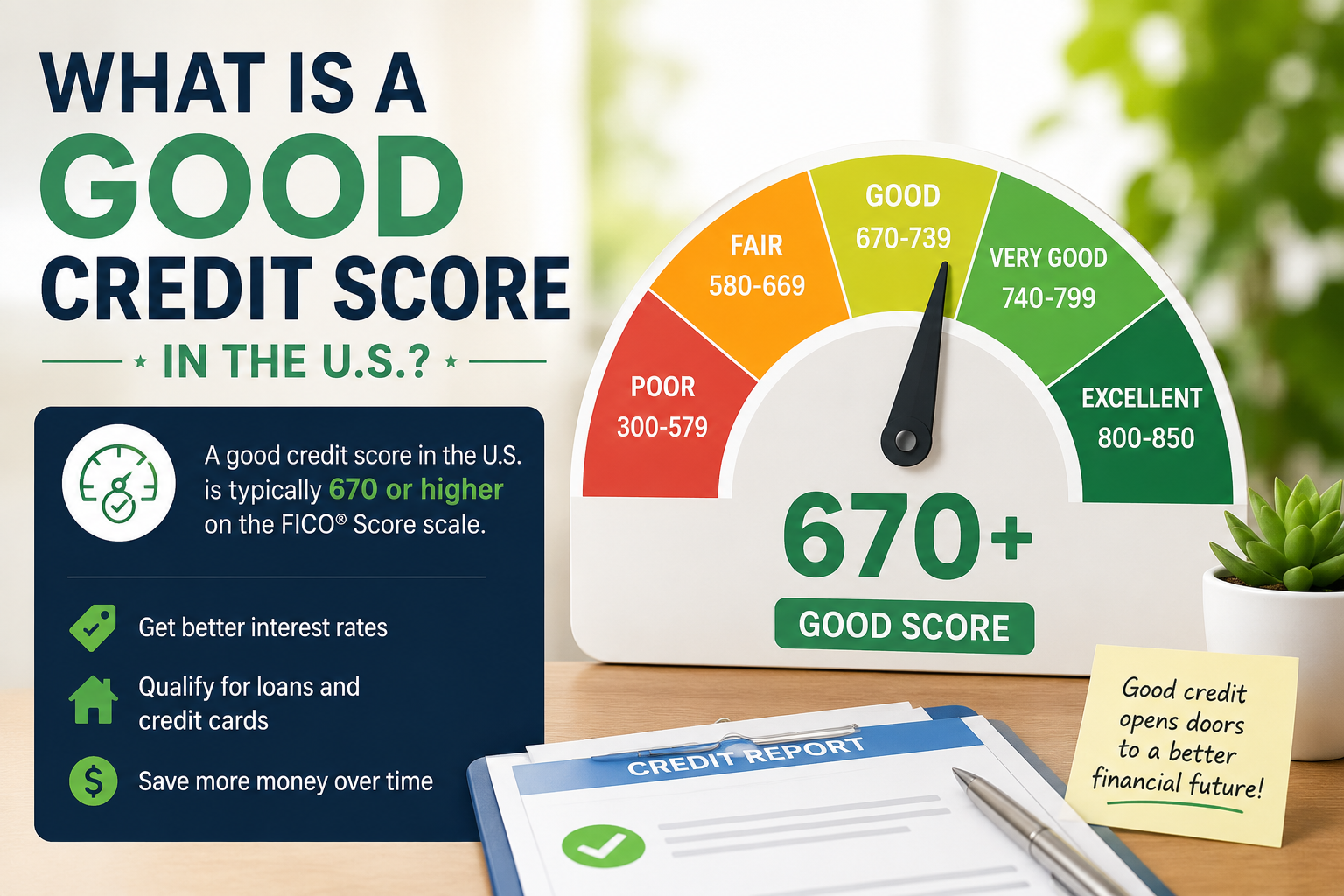
A score around 700 generally falls within ranges commonly viewed as good under widely used scoring models, although lenders set their own standards.
But focusing too heavily on reaching exactly 700 can distract you from what actually matters.
For example, imagine two 18-year-olds:
Person A: 710 credit score with very limited history.
Person B: 680 credit score with responsibly managed independent accounts.
A lender may consider much more than the score itself.
Depending on the type of application, lenders may evaluate:
- Income.
- Employment.
- Debt.
- Credit history.
- Recent applications.
- Monthly obligations.
- The type of loan requested.
Your credit score is important, but it is not your entire financial profile.
How Quickly Can You Build Credit at 18?
You can begin establishing credit as soon as you have eligible information being reported.
However, building a mature credit profile takes longer.
There are really three different milestones:
Starting credit
You open or become associated with an eligible reported account.
Generating a credit score
Enough eligible information becomes available for a particular scoring model to calculate a score.
Building established credit
You accumulate a longer record demonstrating responsible account management.
These are not the same thing.
Someone might receive a score relatively early in their credit journey while still having a very young and limited credit file.
Related guide: How Long Does It Take to Build Credit?
Can You Build Credit in Six Months?
You may be able to establish meaningful credit history within six months, depending on your situation.
For example, suppose you open your first credit card and then:
- Make every payment on time.
- Keep balances manageable.
- Avoid unnecessary applications.
- Monitor your reports for errors.
After several months, your credit file may contain more information than when you started.
For a FICO® Score specifically, FICO generally requires at least one account that has been open for six months or more and at least one account reported to the bureau within the previous six months, among other requirements.
But six months does not automatically mean:
“You will have a 700 score.”
There is no universal six-month score.
Your results depend on the information in your individual credit file.
Can You Build Credit in 30 Days?
You can start building credit in 30 days.
That is different from building excellent credit in 30 days.
During your first month, you might:
- Open an appropriate beginner account.
- Become an authorized user.
- Set up payment reminders.
- Make your first payment.
- Review your credit reports.
- Establish a budget.
Those are meaningful steps.
But advertisements promising an exact score increase in 30 days should be treated cautiously.
No legitimate strategy can guarantee a particular increase for every consumer.
Does Paying Your Credit Card Twice a Month Build Credit Faster?
Not necessarily.
Making multiple payments during a billing cycle can be useful for managing your balance, especially when your credit limit is low.
For example:
Credit limit: $500
Suppose you spend $150 during the first half of the month.
You could pay that balance down before making additional purchases.
That can help you:
- Control spending.
- Avoid accumulating a large balance.
- Potentially keep the balance reported to the bureaus lower, depending on when the issuer reports.
But paying twice a month does not create two months of payment history.
You cannot turn six months of account history into twelve months simply by making two payments every month.
The bigger priorities remain:
Pay on time and manage your balance responsibly.
Should You Pay Your Credit Card Early?
You can.
Paying before the due date may help you manage your available credit and avoid forgetting the payment.
It can also potentially affect the balance that gets reported, depending on your issuer’s reporting schedule.
However, you do not need to obsessively make payments every few days.
A simple system can work:
- Use the card responsibly.
- Review the statement.
- Pay the required amount by the due date.
- Ideally pay the statement balance in full when you can.
Consistency matters more than complicated payment tricks.
Should You Carry a Balance to Build Credit?
No.
This is one of the most expensive credit myths.
You do not need to carry a balance from one month to the next and pay interest simply to demonstrate that you can use credit.
For example, suppose your statement shows:
Balance: $100
If you can afford to pay the $100 statement balance in full by the due date, you generally do not need to intentionally leave $10 or $20 unpaid because you believe it will improve your score.
Carrying interest-bearing debt is not required for building positive payment history.
Your lender makes money from interest.
Your credit score does not reward you simply for making the lender more money.
Does Paying Interest Improve Your Credit Score?
No.
Paying interest itself is not a credit-scoring factor.
This distinction is especially important at 18 because misunderstanding interest can lead to years of unnecessary costs.
Imagine carrying a $1,000 balance simply because you believe it helps your score.
If the card has a high APR, you could pay significant interest without receiving any special credit-building benefit from that interest.
Use credit when appropriate.
Pay according to the account terms.
Avoid unnecessary interest whenever possible.
Should You Open Multiple Credit Cards at 18?
Usually, there is no need to rush.
You may eventually benefit from having multiple accounts, but opening several cards immediately creates additional responsibilities.
Every additional card means another:
- Account to monitor.
- Potential balance.
- Due date.
- Opportunity to overspend.
Multiple applications may also result in hard inquiries.
For someone starting from scratch, one well-managed account can be more useful than five poorly managed accounts.
Related guide: How Long Do Hard Inquiries Stay on Your Credit Report?
Should You Finance a Car Just to Build Credit?
No.
An auto loan can contribute to your credit history when reported, but that does not make it a good credit-building product by itself.
A vehicle can involve:
- Interest.
- Monthly payments.
- Insurance.
- Fuel.
- Maintenance.
- Repairs.
- Registration costs.
Taking on thousands of dollars in debt solely to improve a credit profile would usually be an unnecessarily expensive strategy.
If you genuinely need a vehicle and financing is appropriate for your circumstances, responsibly managing the loan may contribute to your credit history.
But the vehicle should serve a transportation need first.
Credit building is secondary.
Does Paying Rent Help Build Credit at 18?
It can, if the rent is reported through an eligible reporting arrangement.
Rent does not necessarily appear automatically on your traditional credit reports.
Some landlords and third-party services report eligible rental payments.
Before paying for a rent-reporting service, understand:
- Which bureaus receive the data.
- Whether previous rent can be reported.
- What the service costs.
- Whether your landlord must participate.
- How the reported information may be used.
If you are already paying rent, reporting an existing obligation can make more sense than taking out a new loan solely to establish history.
Do Utilities Help Build Credit?
Paying utilities responsibly is important, but positive utility payments do not automatically appear on every traditional credit report.
Certain services may incorporate eligible utility payments into particular credit files or scoring systems.
The same caution applies to:
- Phone bills.
- Internet.
- Streaming subscriptions.
- Other recurring bills.
Before assuming something builds credit, ask:
Is this payment actually being reported, to whom, and will the scoring model I’m concerned about use it?
Related guide: How to Build Credit Without a Credit Card
Common Credit Mistakes at 18
Your early credit history can be relatively simple.
Keeping it that way can prevent many problems.
Treating the Credit Limit as Spending Money
A $1,000 credit limit does not mean you suddenly have an extra $1,000 of income.
Every dollar charged eventually has to be repaid.
Missing a Payment
Forgetting a payment can become a much bigger problem than earning an extra few reward points is worth.
Set reminders and monitor your accounts.
Maxing Out Your Card
High balances can become difficult to repay and may also increase your credit utilization.
Applying Everywhere
Do not submit applications to several issuers simply to see who approves you.
Research first and apply selectively.
Lending Your Card to Friends
If your friend spends $300 and refuses to repay you, the card issuer still expects you to pay.
Ignoring Statements
Review your statements even if autopay is enabled.
Look for incorrect or unauthorized transactions.
Paying Only the Minimum While Continuing to Spend
Minimum payments can keep an account current, but repeatedly adding new purchases while paying very little can allow debt and interest to grow.
Credit Scams Targeting Young Adults
People with little credit experience can be attractive targets for misleading financial offers.
Be particularly cautious about anyone promising:
- “Instant 700 credit.”
- “100-point increase guaranteed.”
- “New credit identity.”
- “Clean credit file overnight.”
- “Guaranteed approval.”
- “We can remove everything from your credit report.”
Accurate negative information generally cannot simply be erased because you pay a company.
Another warning sign is someone telling you to use information that is not yours when applying for credit.
Do not provide false information on credit applications.
Be Careful With Tradeline Offers
You may encounter companies offering to sell access to another person’s old credit card account.
They may claim becoming an authorized user temporarily will dramatically increase your score.
This is different from a genuine authorized-user arrangement where a parent, spouse, or trusted person adds you to an account as part of a legitimate financial relationship.
Instead of paying strangers for questionable shortcuts, focus on building credit that genuinely reflects your financial behavior.
10 Credit Habits to Carry Through Your Twenties
The decisions you make at 18 can establish habits that follow you well beyond your first credit card.
1. Pay every credit obligation on time.
Make this non-negotiable.
2. Spend based on your income, not your credit limit.
A large credit limit is not additional income.
3. Keep revolving balances manageable.
Avoid routinely maxing out cards.
4. Pay your statement balance in full when possible.
Avoid unnecessary interest.
5. Apply for credit selectively.
Open accounts because they serve a purpose.
6. Keep older useful accounts in mind before closing them.
Understand how closing an account may affect your overall credit profile before making the decision.
7. Review your credit reports.
Watch for errors and unfamiliar accounts.
8. Protect your personal information.
Use strong passwords and be cautious about sharing sensitive financial information.
9. Don’t obsess over daily score changes.
Focus on long-term trends and the information in your reports.
10. Build savings alongside credit.
A strong credit score is useful, but emergency savings can help prevent you from relying on credit when unexpected expenses happen.
Credit Score vs. Financial Health
This distinction becomes increasingly important as you enter your twenties.
A person can have a high credit score and still struggle financially.
For example, someone might have:
- Excellent payment history.
- Several credit cards.
- A high credit score.
but very little savings and large monthly debt obligations.
Another person might have:
- A modest credit score.
- Emergency savings.
- Low debt.
- A manageable budget.
Credit scores measure aspects of credit risk.
They do not measure your entire financial life.
Your broader goal should be:
Good credit + manageable debt + savings + responsible spending.
Not simply the highest score possible.
Real-Life Example: Maya Builds Credit Slowly
Maya turns 18 and wants to reach a 700 credit score as quickly as possible.
After searching online, she sees advice suggesting that she should open several cards, finance a purchase, and carry small balances.
Instead, Maya chooses a simpler strategy.
She opens one beginner credit card.
Her limit is $500.
She uses the card for a few expenses she would have purchased anyway and keeps enough money in her checking account to pay the bill.
Maya pays the statement on time and avoids unnecessary interest.
She does not apply for several additional cards.
She also begins building an emergency savings fund.
As the months pass, Maya develops a longer record of responsible account management.
Her credit score may change as new information is reported, but she does not chase a specific number every week.
Her priority is building a financial system she can maintain for years.
There is no guaranteed score or timeline.
But Maya is accomplishing something more valuable than finding a temporary credit trick:
She is learning how to manage credit responsibly.
Key Takeaway
It is possible for an 18-year-old to eventually have a 700 credit score or higher, but there is no guaranteed score or timeline. Building strong credit takes reported history, responsible payments, manageable balances, and time. Paying your card twice a month may help manage balances, but it does not double your payment history, and carrying a balance or paying interest is unnecessary for building credit. Avoid taking loans, opening multiple cards, or using questionable credit-repair shortcuts simply to chase a higher score.
Starting at 18 gives you a major advantage: years ahead to establish positive history.
Use those years wisely.
The objective is not to have the highest possible credit score before your nineteenth birthday. It is to enter your twenties with responsible habits, manageable debt, growing savings, and a credit history that accurately reflects how you manage your financial obligations.

Building Credit at 18 — FAQs, Myths, 30-Day Plan & Checklist
Building credit at 18 is not about reaching a perfect credit score as quickly as possible. It is about creating a financial foundation that can benefit you throughout your twenties and beyond.
Starting early gives you something that cannot be purchased or accelerated with a credit hack: time.
A responsibly managed account opened at 18 can gradually contribute to a longer credit history. At the same time, mistakes such as missed payments, excessive borrowing, or opening accounts you cannot afford can make your financial life more difficult.
This section answers common questions, separates popular credit myths from facts, and provides a practical 30-day plan for getting started responsibly.
20 Frequently Asked Questions About Building Credit at 18
1. Can you start building credit at 18?
Yes.
At 18, you can generally begin applying independently for credit products for which you qualify.
Possible starting options include:
- Secured credit cards.
- Student credit cards.
- Credit-builder loans.
- Authorized-user accounts.
Approval is not guaranteed simply because you are 18. Issuers and lenders have their own eligibility and underwriting requirements.
2. Do you automatically get a credit score when you turn 18?
No.
Turning 18 does not automatically generate a credit score.
Credit scores are calculated using eligible information contained in your credit reports. If you have little or no reported history, there may not be enough information for a particular scoring model to generate a score.
3. What credit score do you start with at 18?
There is no universal starting credit score.
You do not automatically start at:
300, 500, 600, 700, or any other specific number.
Your score depends on the information in your credit file and the scoring model being used.
4. Can an 18-year-old have a 700 credit score?
Potentially, yes.
An 18-year-old with sufficient positive reported history could potentially have a score around 700 or higher.
But there is no guarantee.
Someone else at 18 may not have enough information to generate a score at all.
The goal should be establishing responsible credit history rather than chasing an exact number.
5. What is the fastest way to build credit at 18?
There is no guaranteed fastest method.
Useful approaches may include:
- Becoming an authorized user on a responsibly managed account.
- Opening an appropriate secured or student credit card.
- Making every payment on time.
- Keeping card balances manageable.
- Using a credit-builder product when appropriate.
Avoid companies promising instant score increases.
6. How long does it take to build credit at 18?
It depends on your starting position and the scoring model.
Certain scoring models require several months of qualifying reported history before generating a score.
Creating a mature credit profile takes much longer.
Think in terms of years of responsible financial behavior, not days.
7. Can I build credit at 18 without a credit card?
Yes.
Potential alternatives include:
- Credit-builder loans.
- Existing student loans.
- Eligible rent reporting.
- Authorized-user arrangements.
- Certain alternative payment-reporting services.
Remember that ordinary monthly payments do not automatically build traditional credit unless relevant information is actually reported and used.
Related guide: How to Build Credit Without a Credit Card
8. Should I become an authorized user at 18?
It can be useful when the primary cardholder manages the account responsibly and the issuer reports authorized-user information.
A long-standing account with on-time payments and manageable balances may potentially contribute to your credit history.
However, authorized-user status is not a guaranteed score booster.
Related guide: What Is an Authorized User?
9. Is a secured credit card good for an 18-year-old?
It can be.
A secured card may be useful if you have little or no credit history and can comfortably afford the refundable security deposit.
Look for a card that reports to the major credit bureaus and has reasonable fees.
Related guide: What Is a Secured Credit Card?
10. Is a student credit card better than a secured card?
Neither is automatically better.
A student card may not require a security deposit, while a secured card may be easier to consider for someone with limited history, depending on the issuer.
Compare:
- Fees.
- APR.
- Eligibility requirements.
- Credit reporting.
- Deposit requirements.
- Other terms.
Choose the account you can manage responsibly.
11. Can I get a credit card at 18 without income?
It can be difficult.
Credit card issuers must consider an applicant’s ability to make required payments, and specific requirements vary.
Do not exaggerate or falsify income on an application.
If you cannot qualify independently, becoming an authorized user may be one alternative while you establish your finances.
12. Should I carry a credit card balance to build credit?
No.
You do not need to carry an interest-bearing balance from month to month to build credit.
If you can afford it, paying your statement balance in full by the due date can help you avoid unnecessary interest.
13. Does paying a credit card twice a month build credit faster?
Not necessarily.
Multiple payments can help you manage your balance and potentially reduce the amount reported to the bureaus, depending on reporting timing.
But making two payments does not create two months of payment history.
14. How much of my first credit card should I use?
There is no single dollar amount that applies to everyone.
The safest approach is to spend only what you can comfortably repay.
Avoid treating your credit limit as additional income.
Keeping revolving balances relatively low compared with available credit can also help manage utilization.
Related guide: What Is Credit Utilization?
15. Should I finance a car at 18 to build credit?
Do not finance a vehicle solely to build credit.
An auto loan may contribute to your credit history when reported, but financing also involves interest and a significant financial obligation.
Only consider vehicle financing when the vehicle and loan make sense for your actual needs and budget.
16. Do student loans build credit at 18?
Student loans can contribute to your credit history when reported.
However, do not take unnecessary student debt simply to establish credit.
If you already have student loans, understand their repayment terms and manage them responsibly.
17. Does paying rent build credit at 18?
Potentially.
Rent is not automatically reported in every situation, but landlords or third-party services may report eligible rental payments.
Before paying for a reporting service, check its fees, which bureaus receive the information, and how the program works.
18. How many credit cards should an 18-year-old have?
There is no required number.
For a beginner, one responsibly managed card can be enough to start.
There is usually little reason to rush into several accounts immediately.
19. Will checking my own credit score hurt it?
Generally, no.
Checking your own credit information is considered a soft inquiry rather than the type of lender-initiated hard inquiry commonly associated with applications for new credit.
20. What is the most important credit habit to learn at 18?
Pay your credit obligations on time.
You should also:
- Keep balances manageable.
- Avoid unnecessary debt.
- Apply selectively.
- Review your reports.
- Protect your identity.
- Build savings.
These habits are much more valuable than trying to find a temporary credit-score trick.
Building Credit at 18: Myths vs. Facts
| Myth | Fact |
|---|---|
| Everyone starts with a 300 credit score at 18. | You do not automatically receive a particular starting score. |
| Turning 18 automatically creates credit. | Credit history generally requires reported information. |
| You need several credit cards. | One responsibly managed account can be enough to begin. |
| You must carry a balance. | Carrying interest-bearing debt is unnecessary for building credit. |
| Paying interest improves your score. | Interest itself does not improve a credit score. |
| You should finance a car to build credit. | Don’t take expensive debt solely for credit building. |
| A $1,000 limit means you have $1,000 extra to spend. | A credit limit is borrowed purchasing capacity, not income. |
| Paying twice a month doubles your payment history. | Multiple monthly payments don’t create additional months of history. |
| Every bill automatically builds credit. | Many everyday payments aren’t traditionally reported automatically. |
| Rent always builds credit. | Rent may help when it is appropriately reported. |
| An authorized-user account guarantees excellent credit. | Results depend on the account, reporting and scoring model. |
| You need a credit card to build credit. | Other reported accounts may establish credit history. |
| You need to reach 700 quickly. | Long-term responsible behavior matters more than racing toward a number. |
| Checking your own credit hurts your score. | Personal credit checks are generally soft inquiries. |
| Credit-repair companies can guarantee a higher score. | Legitimate credit outcomes cannot be guaranteed. |
Your 30-Day Credit Starter Plan at 18
This plan is not a promise that your score will increase within 30 days.
Its purpose is to help you create a responsible credit system during your first month.
Days 1–5: Learn Before Applying
Do not start by submitting applications.
First, understand:
- What a credit report is.
- What a credit score is.
- How interest works.
- How credit card billing works.
- What a due date means.
- What credit utilization means.
- What a hard inquiry is.
If you already have a credit file, review it.
Related guide: What Is a Credit Score?
Days 6–10: Review Your Financial Situation
Calculate how much money you receive each month and where it goes.
Write down:
Monthly income
minus
Essential expenses
equals
Money remaining
If your budget is already extremely tight, adding another monthly obligation may not be appropriate.
Credit should fit into your budget—not replace one.
Days 11–15: Choose Your Starting Strategy
Consider which option fits your situation.
Option A: Authorized User
Consider this when a trusted family member has a responsibly managed account.
Option B: Secured Credit Card
Consider this if you want your own revolving account and can afford the deposit.
Option C: Student Credit Card
Consider this if you’re eligible and meet the issuer’s requirements.
Option D: Credit-Builder Loan
Consider this if you don’t want a traditional card and can comfortably afford the payment.
You do not need all four.
Choose one appropriate starting point.
Days 16–20: Understand the Account Before Using It
Before making purchases, understand:
- Credit limit.
- APR.
- Statement date.
- Payment due date.
- Minimum payment.
- Late-payment rules.
- Fees.
- Autopay settings.
Never sign up for a financial product without understanding what it costs.
Days 21–25: Establish Your Payment System
Set up:
- Calendar reminders.
- Account notifications.
- Spending alerts.
- Autopay if appropriate.
If you use autopay, continue checking the account manually.
A payment can fail because of insufficient funds or other issues.
Days 26–30: Start Building the Habit
Use your account conservatively.
For example, you might put one small recurring purchase on the card rather than moving all your spending onto credit immediately.
Then make sure the bill is paid correctly.
At the end of the month, ask yourself:
Did I spend only what I could afford?
Do I understand my statement?
Do I know my next due date?
Could I comfortably repeat this every month?
If the answer is yes, you have accomplished something much more important than chasing a 30-day score increase:
You have started building a sustainable credit habit.
Beginner Credit Checklist for an 18-Year-Old
Before and after opening your first account, check these off:
- ✓ I understand the difference between a credit report and credit score.
- ✓ I understand that no credit is different from bad credit.
- ✓ I have checked whether I already have credit history.
- ✓ I understand how interest works.
- ✓ I know my card’s APR.
- ✓ I know whether my card has an annual fee.
- ✓ I know my credit limit.
- ✓ I know my statement date.
- ✓ I know my payment due date.
- ✓ I have set payment reminders.
- ✓ I will spend only what I can afford.
- ✓ I will not intentionally carry a balance to build credit.
- ✓ I will avoid maxing out my card.
- ✓ I will not apply for several cards at once.
- ✓ I will review my statements.
- ✓ I will check my credit reports periodically.
- ✓ I will protect my passwords and personal information.
- ✓ I will not buy questionable tradelines.
- ✓ I will ignore guaranteed score-increase promises.
- ✓ I will build savings alongside my credit.
When Should You Seek Professional Help?
Most 18-year-olds do not need to pay a credit-repair company simply because they have little or no credit history.
Having no credit at 18 is normal.
However, additional assistance may be appropriate if you discover:
- Accounts you never opened.
- Possible identity theft.
- Serious errors on your credit reports.
- Debt you cannot afford.
- Collection accounts you do not understand.
- Problems involving student-loan repayment.
- A financial product whose terms you do not understand.
For inaccurate credit-report information, you can contact the credit bureau involved and the company that furnished the information.
For identity theft, the U.S. government provides a dedicated recovery resource through the Federal Trade Commission.
For significant debt problems, consider a reputable nonprofit credit counselor rather than automatically choosing a company promising to “fix” your credit.
Be cautious about anyone guaranteeing a particular credit score or claiming accurate negative information can simply be erased.
Trusted U.S. Resources for Young Adults
For reliable information about credit, identity theft, credit reports, and consumer financial protection, consider these authoritative U.S. resource
Consumer Financial Protection Bureau
The Consumer Financial Protection Bureau provides educational resources about credit reports, credit cards, loans, debt, and consumer financial protections.
AnnualCreditReport.com
AnnualCreditReport.com is the federally authorized source for obtaining credit reports from Equifax, Experian, and TransUnion.
Federal Trade Commission
The FTC Consumer Advice website provides information about identity theft, scams, credit repair, and consumer protection.
IdentityTheft.gov
If you believe someone has used your personal information fraudulently, IdentityTheft.gov provides FTC identity-theft reporting and recovery guidance.
FICO
FICO provides information about FICO Scores and factors considered in its scoring models.
Equifax
Experian
TransUnion
10 Related Clear Money Steps Guides
Continue learning with these related Clear Money Steps guides:
- What Is a Credit Score?
- How to Build Credit From Scratch
- Best Ways to Build Credit Fast (Without Risky Shortcuts)
- How to Build Credit Without a Credit Card
- What Is a Secured Credit Card?
- What Is an Authorized User?
- What Is a Thin Credit File?
- What Is Credit Utilization?
- How Long Does It Take to Build Credit?
- How Long Do Hard Inquiries Stay on Your Credit Report?
Financial Disclaimer
Clear Money Steps provides educational information only and does not provide individualized financial, legal, tax, credit, or lending advice. Credit-scoring models, lender requirements, financial products, interest rates, fees, and individual circumstances vary. No strategy can guarantee a particular credit score, score increase, interest rate, or approval. Review financial-product terms carefully and consider qualified professional guidance when appropriate.
Final Conclusion
Building credit at 18 does not need to be complicated.
You do not need five credit cards.
You do not need an expensive car loan.
You do not need to carry a balance.
And you definitely do not need to pay someone promising to create excellent credit overnight.
Start with something manageable.
That might mean becoming an authorized user on a responsibly managed family account, opening one appropriate secured or student card, or considering another legitimate credit-building product.
Then concentrate on the habits that matter:
Pay on time.
Spend only what you can afford.
Keep balances manageable.
Avoid unnecessary applications.
Check your credit reports.
Protect your identity.
Build savings alongside credit.
At 18, your greatest credit-building advantage is not a special card or financial trick.
It is time.
Use it well, and the responsible decisions you make today can contribute to a stronger financial foundation throughout your twenties and beyond.
Table of Contents

Blessing Thagisa is a personal finance writer and researcher at Clear Money Steps, specializing in credit scores, credit reports, loans, budgeting, and consumer financial education. He is passionate about making complex financial topics easy to understand through accurate, practical, and well-researched guides. His goal is to help readers build strong financial habits, improve their credit, and make confident money decisions with clear, trustworthy information.