If you’re just starting your financial journey, one of the first questions you’re likely to ask is:
“How long does it take to build credit?”
It’s an important question because a good credit history can help you qualify for credit cards, personal loans, auto loans, mortgages, apartment rentals, and sometimes even better insurance rates or employment opportunities.
The good news is that building credit doesn’t take forever.
The bad news is that it doesn’t happen overnight, either.
Many people expect to see an excellent credit score after making just one or two payments. In reality, credit scores are built over time as lenders report your financial activity to the nationwide credit bureaus.
Whether you’re opening your very first credit card, becoming an authorized user on someone else’s account, taking out a credit-builder loan, or simply starting from scratch, patience and consistency are the keys to success.
The encouraging news is that you don’t need years of borrowing or large amounts of debt to begin establishing good credit. By making smart financial decisions from the beginning, many people can establish a credit history within a few months and continue strengthening it over the years.
In this complete guide, you’ll learn:
How long it usually takes to build credit from scratch
When your first credit score may appear
The factors that affect how quickly your credit grows
Whether you can build credit without carrying debt
A realistic timeline from having no credit to excellent credit
By the end of this guide, you’ll know exactly what to expect—and what you can do to build a strong credit foundation as efficiently as possible.
Quick Answer (Featured Snippet)
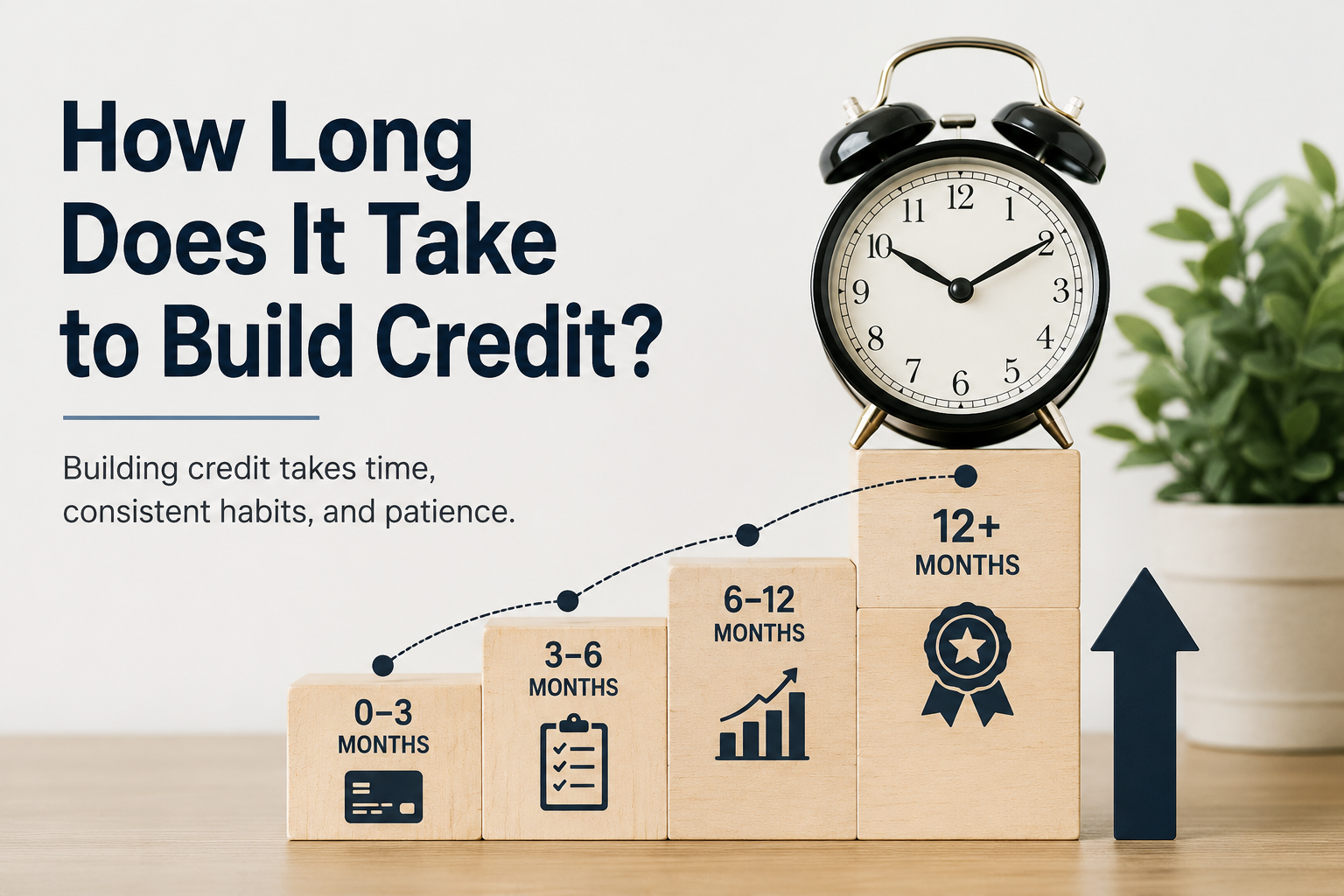
For many people, it takes about three to six months of reported credit activity to establish enough credit history for a credit score to be generated. Building good credit typically takes longer and depends on factors such as making on-time payments, keeping credit card balances low, maintaining older accounts, and avoiding unnecessary credit applications. While everyone’s timeline is different, consistent responsible credit use is the most important factor in building strong credit over time.
What Does “Building Credit” Mean?
Building credit means creating a positive history of borrowing and repaying money responsibly.
When you first begin using credit, lenders know very little about how you manage borrowed money.
Each time you make a payment, maintain a low balance, or responsibly manage a credit account, additional information is added to your credit history.
Over time, this information helps lenders answer important questions, such as:
Do you pay your bills on time?
Do you borrow responsibly?
Do you avoid using too much of your available credit?
Have you managed credit consistently over time?
Are you likely to repay future loans?
The stronger your credit history becomes, the more confidence lenders may have when reviewing future credit applications.
Remember that building credit isn’t about borrowing as much money as possible.
It’s about demonstrating responsible financial behavior over an extended period.
How Credit Scores Are Created
Your credit score isn’t assigned the moment you open your first account.
Instead, it develops as lenders report information about your credit activity to the nationwide credit bureaus.
These reports may include information such as:
Payment history
Credit card balances
Credit limits
Loan balances
New credit accounts
Credit inquiries
Account age
Types of credit being used
Credit scoring models analyze this information to estimate how likely a borrower is to repay future debts.
As more positive information is reported over time, your credit profile becomes more established.
That’s why consistency matters much more than trying to improve your score quickly.
When Do You Get Your First Credit Score?
One of the biggest misconceptions is that you’ll receive a credit score immediately after opening your first credit account.
In reality, that’s usually not how the process works.
Most credit scoring models require enough reported credit history before they can calculate a score.
For many people, this means it generally takes about three to six months of reported credit activity before a score is generated, although the exact timing varies depending on your lender, the credit bureau, and the scoring model being used.
During this period, your lender reports information such as:
Your payment history
Your account balance
Your available credit
Your account status
Once enough information has been reported, you may receive your first credit score.
Don’t worry if it doesn’t appear immediately.
A lack of a score at first is completely normal for someone who is new to credit.
Can You Build Credit Without Borrowing Money?
Yes—to a certain extent.
One of the biggest myths about credit is that you must carry large amounts of debt to build a strong credit history.
Fortunately, that’s not true.
The goal isn’t to borrow more money.
The goal is to show that you can manage credit responsibly.
Some common ways people begin building credit include:
Using a secured credit card responsibly.
Becoming an authorized user on a trusted family member’s credit card account.
Using a credit-builder loan offered by some financial institutions.
Making small purchases with a credit card and paying the balance on time.
Having eligible rent or utility payments reported through participating services, where available.
The key is demonstrating consistent, responsible financial behavior—not accumulating unnecessary debt.
What Affects How Fast You Build Credit?
No two people build credit at exactly the same pace.
Several factors influence how quickly your credit profile develops.
1. Payment History
Making every payment on time is one of the most important habits you can develop.
Even one missed payment can slow your progress.
2. Credit Utilization
If you use credit cards, keeping your balances relatively low compared with your available credit generally supports a healthier credit profile.
Large balances may slow your progress.
3. Length of Credit History
Older accounts contribute to a longer credit history.
This is why opening your first account early and keeping it in good standing can be beneficial over the long term.
4. Types of Credit
Having experience with different types of credit, such as revolving credit and installment loans, may strengthen your overall credit profile over time.
However, you should never borrow money solely to improve your credit score.
5. New Credit Applications
Applying for multiple credit accounts within a short period may temporarily affect your credit profile.
Only apply for new credit when you genuinely need it.
6. Consistency
Above all, credit is built through consistency.
Making responsible financial decisions month after month is far more valuable than trying to find shortcuts.
Credit Building Timeline Overview
The table below provides a general idea of what many people can expect when building credit from scratch.
Time Period
What Typically Happens
Month 1
Open your first credit account and begin establishing payment history.
Months 2–3
Continue making on-time payments while lenders report your account activity.
Months 3–6
Many people receive their first credit score once sufficient credit history has been reported.
Months 6–12
Responsible credit habits may gradually strengthen your credit profile.
Years 1–2
Continued on-time payments and low balances can help build good credit.
Years 3–5
Longer account history and consistent financial habits may contribute to a stronger credit profile.
Keep in mind that these timelines are estimates rather than guarantees. Every person’s credit journey is unique, and results depend on individual financial behavior and the information reported by lenders.
Month-by-Month Credit Building Timeline
Building good credit is a journey, not a race.
One of the biggest mistakes people make is expecting dramatic improvements within just a few weeks. In reality, credit scores are built gradually as lenders report your payment history, balances, and other account information to the nationwide credit bureaus.
Consistency matters much more than spending large amounts.
Month 3: Your Credit History Starts Taking Shape
For many beginners, this is when the first meaningful credit history begins to develop.
Although some people still won’t have a score at this point, lenders continue reporting important information such as:
Payment history
Current balance
Credit limit
Account status
The stronger your early payment history, the stronger your credit foundation becomes.
Months 3–6: Your First Credit Score May Appear
For many people, a credit score becomes available after approximately three to six months of reported credit activity.
Receiving your first score is an exciting milestone—but remember, it’s only the beginning.
Your first score doesn’t determine your financial future.
Instead, it reflects the limited information available at that point.
As your credit history grows, your score may continue changing.
What You Should Do
Keep making every payment on time.
Continue using only a small portion of your available credit.
Avoid applying for unnecessary credit cards.
Review your credit reports periodically.
Months 6–12: Strengthening Your Credit Profile
By now, you have several months of payment history.
Lenders can begin seeing patterns in how you manage credit.
Responsible habits during this period may include:
Paying your balance in full whenever possible.
Keeping credit utilization low.
Avoiding late payments.
Maintaining your oldest accounts.
This is where patience begins paying off.
Small, consistent decisions often produce better long-term results than trying to increase your score quickly.
Year 1–2: Building Good Credit
After about a year of responsible credit use, many people have developed a much stronger credit history than when they started.
Your credit profile may benefit from:
A longer payment history.
More account age.
Consistent on-time payments.
Responsible credit utilization.
Although everyone’s experience is different, many lenders place significant value on consistent long-term behavior.
Years 3–5: Moving Toward Excellent Credit
Excellent credit isn’t achieved because of one perfect month.
It’s the result of years of responsible financial management.
By this stage, many borrowers have:
Older accounts.
Strong payment history.
Low utilization.
Few unnecessary credit inquiries.
Well-managed credit accounts.
The longer you continue these habits, the stronger your credit profile may become.
Real-Life Credit Building Examples
Example 1: Emily Builds Credit with a Secured Credit Card
Emily had no previous credit history.
She opened a secured credit card, used it for groceries each month, and paid the balance in full before the due date.
Within several months, she established her first credit score.
By continuing the same responsible habits throughout the following year, she built a much stronger credit profile.
Lesson: You don’t need to spend a lot of money to build credit.
Example 2: Daniel Becomes an Authorized User
Daniel’s parents added him as an authorized user on a long-established credit card account with an excellent payment history.
As long as the account continued to be managed responsibly and was reported to the credit bureaus, this helped Daniel begin establishing credit history.
He later opened his own credit card and continued building credit independently.
Lesson: Becoming an authorized user may help some people begin building credit, depending on the lender’s reporting practices.
Example 3: Sophia Uses a Credit-Builder Loan
Sophia wanted to establish credit but wasn’t ready for a traditional credit card.
She chose a credit-builder loan and made every payment on time.
Over time, her positive payment history helped strengthen her credit profile while she developed healthy financial habits.
Lesson: Different credit-building tools can work well when managed responsibly.
The Fastest Ways to Build Credit Responsibly
Although there are no legitimate shortcuts to excellent credit, several strategies may help you build credit efficiently.
1. Never Miss a Payment
Payment history plays a major role in your credit profile.
Even one late payment can slow your progress.
2. Keep Credit Utilization Low
Using only a small portion of your available credit generally demonstrates responsible borrowing.
Many people choose to keep their balances comfortably below their available credit limit.
3. Pay More Than the Minimum
If possible, paying your balance in full each month helps avoid interest charges and keeps your balances lower.
4. Keep Older Accounts Open
Older accounts contribute to the length of your credit history.
Unless there’s a compelling reason to close an account, keeping it open may support your long-term credit profile.
5. Avoid Too Many Credit Applications
Submitting multiple applications within a short period may temporarily affect your credit profile.
Only apply for credit when you genuinely need it.
6. Monitor Your Credit Reports
Reviewing your credit reports regularly helps you:
Catch reporting errors.
Detect possible identity theft.
Monitor your progress.
Ensure your accounts are being reported accurately.
Biggest Mistakes That Slow Credit Building
Avoiding these common mistakes can help keep your credit-building journey on track.
Missing Payments
Late payments may remain on your credit report for years and can significantly affect your progress.
Maxing Out Your Credit Cards
High balances increase your credit utilization ratio and may lower your credit score.
Opening Too Many Accounts Too Quickly
More credit accounts don’t necessarily mean better credit.
Building gradually is usually a more sustainable approach.
Closing Your Oldest Credit Card
Closing an older account may shorten the average age of your credit history and reduce your available credit.
Think carefully before closing long-standing accounts.
Ignoring Your Credit Reports
Many people only review their credit reports after discovering a problem.
Checking them regularly helps identify errors before they become bigger issues.
Expecting Instant Results
Perhaps the biggest mistake is becoming discouraged too early.
Credit building takes time.
Responsible financial habits repeated month after month are what lead to long-term success.
Key Takeaways
Building credit isn’t about finding a secret shortcut.
It’s about demonstrating responsible financial behavior consistently over time.
During your first year:
Focus on making every payment on time.
Keep balances manageable.
Avoid unnecessary debt.
Monitor your credit reports.
Be patient as your credit history grows.
Every positive month builds upon the last, helping create a stronger financial foundation for the future.
How to Build Strong Credit Faster
By now, you know that building credit doesn’t happen overnight.
However, you may have noticed that two people who open their first credit card at the same time don’t always end up with the same credit score a year later.
Your financial habits play an even bigger role than the number of months you’ve had credit.
Someone who consistently pays every bill on time, keeps credit card balances low, and avoids unnecessary debt will often build a stronger credit profile than someone who has had credit for years but manages it poorly.
Let’s explore why some people build credit faster than others and what you can do to stay on the right path.
Why Some People Build Credit Faster Than Others
Building credit is similar to building trust.
Lenders want evidence that you can borrow money responsibly and repay it as agreed.
Although everyone starts somewhere, several factors influence how quickly your credit profile develops.
1. Consistent On-Time Payments
Making every payment on or before the due date is one of the most important habits you can develop.
A long history of on-time payments demonstrates financial responsibility and helps strengthen your credit profile over time.
Even one missed payment can slow your progress.
2. Keeping Credit Utilization Low
Your credit utilization ratio compares your credit card balances with your available credit limits.
For example:
Credit limit: $2,000
Balance: $300
Credit utilization: 15%
Generally, lower utilization indicates that you are managing your available credit responsibly.
Using most of your available credit may slow your progress, even if you make every payment on time.
3. Maintaining Older Accounts
The length of your credit history matters.
Older accounts provide lenders with more information about your long-term borrowing habits.
That’s why it’s often beneficial to keep your oldest accounts open, provided they remain suitable for your financial needs.
4. Limiting New Credit Applications
Applying for several credit cards or loans within a short period may temporarily affect your credit profile.
Each application can result in a hard inquiry, and opening multiple new accounts reduces the average age of your credit history.
Apply for new credit only when you genuinely need it.
5. Managing Different Types of Credit Responsibly
Over time, responsibly managing different types of credit—such as revolving credit and installment loans—may contribute to a stronger credit profile.
However, you should never borrow money simply to improve your credit score.
Only take on credit that fits your financial goals and budget.
What Happens If You Miss a Payment While Building Credit?
Missing a payment doesn’t mean you’ve failed.
However, it can slow your progress.
Payment history is one of the most influential parts of your credit profile.
A missed payment may:
Lower your credit score.
Remain on your credit report for years.
Make lenders more cautious about future applications.
Delay your progress toward stronger credit.
The sooner you bring the account current and resume making on-time payments, the sooner you can begin rebuilding positive payment history.
One mistake doesn’t define your financial future.
What matters most is how you respond afterward.
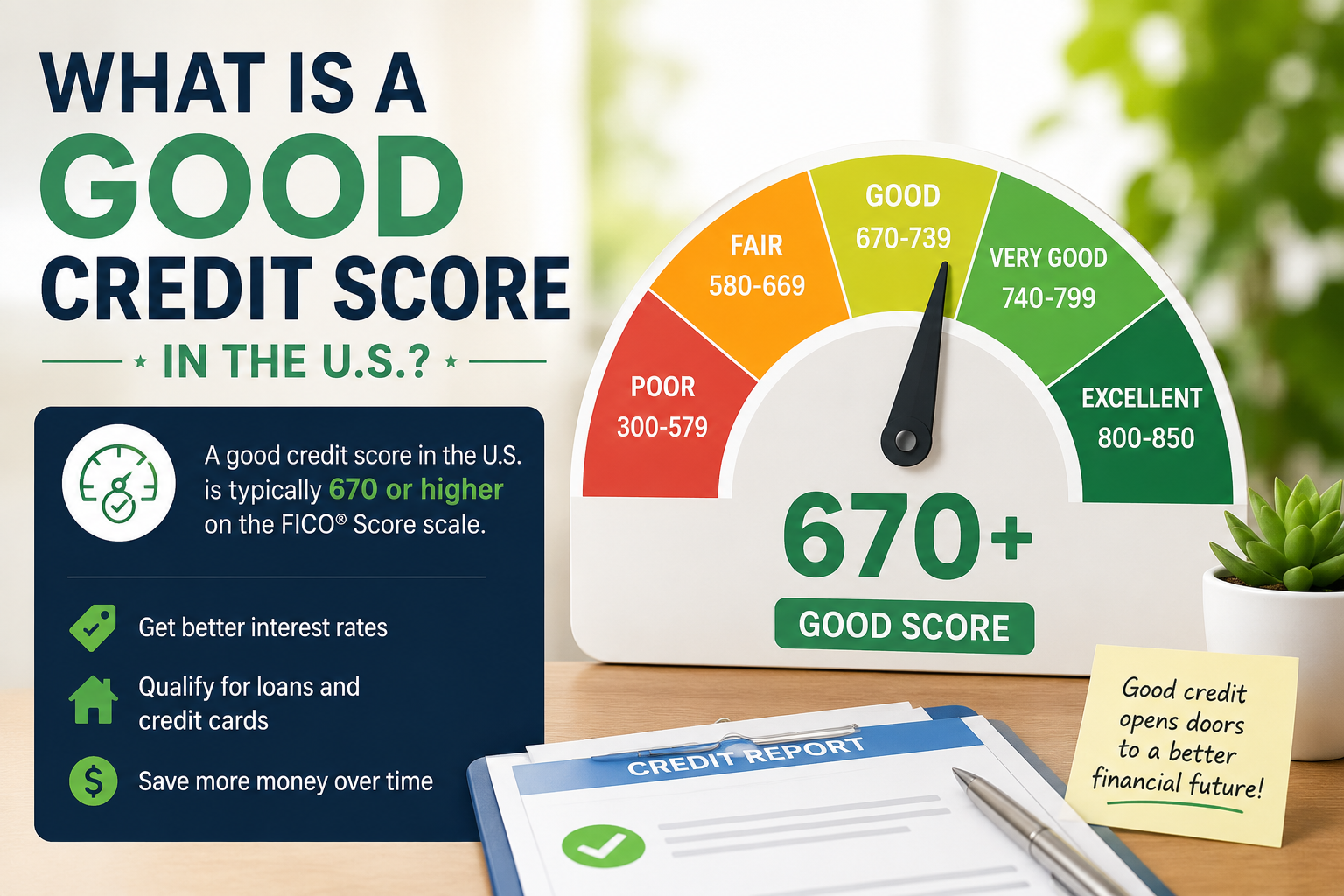
How Long Does It Take to Reach Fair Credit?
Everyone’s journey is different, so there’s no guaranteed timeline.
With consistent responsible credit use, many people gradually move into the fair credit range during the early stages of building credit.
Reaching fair credit typically depends on:
Making every payment on time.
Keeping balances manageable.
Avoiding unnecessary credit applications.
Building several months of positive credit history.
Consistency is far more important than trying to increase your score quickly.
How Long Does It Take to Reach Good Credit?
Building good credit usually requires a longer record of responsible financial behavior.
Many people who consistently:
Pay every bill on time,
Maintain low credit utilization,
Avoid unnecessary debt,
Keep older accounts open,
continue strengthening their credit profile over time.
Good credit reflects reliability rather than perfection.
How Long Does It Take to Reach Very Good Credit?
Very good credit is generally achieved by borrowers who have demonstrated responsible financial management over an extended period.
Typical characteristics include:
Long payment history.
Low revolving balances.
Limited negative information.
Well-managed credit accounts.
Stable borrowing habits.
This level of credit cannot usually be achieved through shortcuts.
How Long Does It Take to Reach Exceptional Credit?
Exceptional credit is built through years of consistently responsible financial behavior.
People with exceptional credit often have:
Many years of positive payment history.
Older accounts.
Low credit utilization.
Few hard inquiries.
No recent serious negative information.
Rather than focusing on reaching an exact score as quickly as possible, focus on building habits that naturally support long-term credit health.
How to Track Your Credit-Building Progress
Monitoring your progress helps you stay motivated and identify problems early.
As you build credit, regularly review:
Your Payment History
Ask yourself:
Have I paid every bill on time?
Have I avoided late payments?
Your Credit Utilization
Monitor how much of your available credit you’re using.
If balances begin increasing, consider paying them down before your next statement date.
Your Credit Reports
Review your credit reports regularly for:
Incorrect balances.
Unknown accounts.
Reporting errors.
Fraudulent activity.
Finding problems early can prevent unnecessary setbacks.
Your Credit Score
Don’t worry about checking your own credit score.
Personal credit checks are soft inquiries and do not affect your credit score.
Instead of focusing on small monthly fluctuations, pay attention to your long-term progress.
Your 12-Month Credit-Building Roadmap
Here’s a practical plan to help you build strong credit during your first year.
Every on-time payment, every manageable balance, and every month of responsible credit use helps build a stronger financial future.
Frequently Asked Questions (FAQs)
1. How long does it take to build credit from scratch?
For many people, it takes about three to six months of reported credit activity before a credit score can be generated. Building good or excellent credit usually takes much longer and depends on consistently responsible credit management.
2. How long does it take to get your first credit score?
Many people receive their first credit score after several months of reported credit activity. The exact timing varies depending on the lender, the credit bureau, and the scoring model being used.
3. Can I build credit in one month?
No.
One month is generally not enough time to establish a meaningful credit history. Building credit requires lenders to report your account activity over time.
4. Can I build credit in six months?
Many people can establish their first credit score within three to six months. However, building good or excellent credit usually requires a longer history of responsible financial behavior.
5. What’s the fastest way to build credit?
There is no instant shortcut.
The best approach is to:
Pay every bill on time.
Keep credit card balances low.
Avoid unnecessary credit applications.
Monitor your credit reports regularly.
6. Does paying bills build credit?
Some loan and credit card payments contribute to your credit history when reported by lenders. Certain rent and utility payments may also help if they are reported through participating services.
7. Can I build credit without a credit card?
Yes.
You may be able to build credit using options such as a credit-builder loan or by becoming an authorized user on someone else’s account. Some rent-reporting programs may also help establish credit history.
8. How long does it take to reach a good credit score?
There is no guaranteed timeline.
Many people build good credit gradually by making consistent on-time payments, maintaining low balances, and avoiding unnecessary debt over an extended period.
9. Does checking my credit score hurt it?
No.
Checking your own credit score is considered a soft inquiry and does not lower your credit score.
10. Can one missed payment delay credit building?
Yes.
A missed payment may slow your progress because payment history is one of the most important factors considered by credit scoring models.
11. Should I carry a balance to build credit?
No.
You do not need to carry a balance or pay interest to build credit. Paying your balance on time and managing credit responsibly is generally more beneficial.
12. Can I build credit if I have no income?
Income and credit history are different concepts. However, lenders may consider your ability to repay debt when you apply for credit. Only borrow amounts you can afford to repay.
13. Is one credit card enough to build credit?
For many beginners, one well-managed credit card can be enough to begin establishing a positive credit history.
14. Should I close my first credit card?
Not necessarily.
Keeping older accounts open, when appropriate, may help maintain a longer credit history and preserve available credit.
15. Why is my credit score changing every month?
Credit scores are dynamic and may change as lenders report updated balances, payments, account status, and other information to the credit bureaus.
16. Does applying for multiple credit cards help build credit faster?
Usually not.
Submitting several applications within a short period may result in multiple hard inquiries and reduce the average age of your accounts.
17. Can authorized users build credit?
In many cases, yes.
If the card issuer reports authorized user activity to the credit bureaus, responsible account management may help establish credit history.
18. How often should I check my credit reports?
Reviewing your credit reports several times a year is a good habit. You should also check them whenever you notice unexpected changes in your credit score or suspect fraudulent activity.
19. Can I still build good credit after making mistakes?
Absolutely.
Many people recover from financial setbacks by consistently making on-time payments, reducing debt, and demonstrating responsible credit management over time.
20. Is building credit worth the effort?
Yes.
A strong credit history may improve your ability to qualify for loans, credit cards, rental housing, and other financial opportunities, often with more favorable terms.
Common Credit-Building Myths
There are many misconceptions about building credit. Understanding the facts can help you avoid costly mistakes.
Myth
Fact
You need years before you can build credit.
Many people establish their first credit score within several months of reported activity.
Carrying a credit card balance improves your score.
False. Responsible use and on-time payments matter more than carrying debt.
Checking your own credit score lowers it.
False. Personal credit checks are soft inquiries and do not affect your score.
More credit cards automatically mean better credit.
False. Responsible management is more important than the number of accounts.
Closing old accounts always improves your credit.
False. Closing accounts may reduce available credit and shorten your average account age.
Missing one payment ruins your credit forever.
False. Although it may affect your score, consistent positive behavior can help you recover over time.
There are secret tricks to excellent credit.
False. Strong credit is built through consistent financial habits, not shortcuts.
30-Day Credit-Building Action Plan
If you’re just starting your credit journey, use this simple four-week plan.
Week 1: Get Started
Open your first credit account if appropriate.
Learn how your billing cycle works.
Create a monthly budget.
Set up payment reminders.
Week 2: Build Good Habits
Make a small purchase using your credit account.
Avoid unnecessary spending.
Keep your balance manageable.
Review your account activity.
Week 3: Stay Consistent
Make your payment before the due date.
Track your spending.
Avoid applying for additional credit.
Continue following your budget.
Week 4: Review Your Progress
Confirm your payment was made successfully.
Continue using credit responsibly.
Monitor your account for accuracy.
Prepare to repeat these healthy habits every month.
Beginner Credit-Building Checklist
✔ Open your first credit account responsibly.
✔ Pay every bill on time.
✔ Keep credit card balances low.
✔ Avoid maxing out your credit limit.
✔ Review your credit reports regularly.
✔ Limit unnecessary credit applications.
✔ Keep older accounts open when appropriate.
✔ Build healthy financial habits.
✔ Be patient.
✔ Focus on long-term progress rather than quick results.
Final Thoughts
Building credit isn’t about reaching a specific score as quickly as possible—it’s about creating a financial history that demonstrates responsibility, consistency, and trustworthiness.
While many people receive their first credit score within a few months, building good or exceptional credit takes time. Every on-time payment, every low balance, and every responsible financial decision adds another positive chapter to your credit story.
Don’t be discouraged if your progress seems slow.
Strong credit isn’t built in weeks.
It’s built through months and years of smart financial habits.
The earlier you begin, the more opportunities you’ll have in the future to qualify for loans, credit cards, housing, and other financial products on better terms.
Start small.
Stay consistent.
Be patient.
Your future self will thank you.
Continue Learning
Continue building your credit knowledge with these in-depth guides on Clear Money Steps:
Blessing Thagisa is a personal finance writer and researcher at Clear Money Steps, specializing in credit scores, credit reports, loans, budgeting, and consumer financial education. He is passionate about making complex financial topics easy to understand through accurate, practical, and well-researched guides. His goal is to help readers build strong financial habits, improve their credit, and make confident money decisions with clear, trustworthy information.






1 thought on “How Long Does It Take to Build Credit? A Complete Timeline for Beginners (2026)”
Comments are closed.