How to Check Your Credit Score for Free in the United States
Whether you’re planning to apply for a credit card, finance a car, buy a home, or simply improve your financial health, one of the smartest things you can do is check your credit score regularly.
Yet many Americans avoid checking their credit score because they believe it will lower their score, cost money, or require applying for credit. These are common myths that can prevent people from staying informed about their financial standing.
The truth is that checking your own credit score is safe, usually free, and one of the easiest ways to monitor your financial progress. In just a few minutes, you can see where your credit stands, identify areas that need improvement, and spot potential errors or signs of identity theft before they become serious problems.
Today, many banks, credit card companies, and credit bureaus provide free access to your credit score through online accounts or mobile apps. You no longer need to pay a fee or wait for a lender to tell you your score.
Understanding how to check your credit score—and knowing which score you’re looking at—can help you make better financial decisions. It also prepares you for major milestones such as applying for a mortgage, qualifying for lower interest rates, or negotiating better loan terms.
In this comprehensive guide, you’ll learn:
The easiest ways to check your credit score for free
The difference between a credit score and a credit report
Whether checking your own score affects your credit
Why your score may be different depending on where you check
How often you should monitor your credit
What to do after checking your score
Whether you’re checking your credit for the first time or you’ve monitored it for years, this guide will walk you through everything you need to know.
Quick Answer: How Can You Check Your Credit Score?
If you’re looking for the short answer, here’s what you need to know.
You can check your own credit score for free through many banks, credit card issuers, credit bureaus, and trusted credit monitoring services. Checking your own credit score creates a soft inquiry, which does not affect your credit score. Most people should review their credit score at least once a month and before applying for major loans or credit cards.
The table below summarizes the most common ways to check your credit score.
Method
Usually Free?
Credit Score Type
Best For
Online banking
✅ Yes
FICO® Score or VantageScore®
Existing bank customers
Credit card issuer
✅ Yes
FICO® Score or VantageScore®
Cardholders
Credit bureau account
✅ Often
Varies by bureau
Monitoring credit information
Credit monitoring service
✅ Usually
Often VantageScore®
Frequent updates and alerts
Mortgage or auto lender
Sometimes
Usually FICO® Score
During loan applications
Key takeaway: Checking your own credit score is considered a soft inquiry, so it does not lower your credit score.
Why Checking Your Credit Score Matters
Your credit score is much more than just a number. It plays an important role in many financial decisions and can influence how much you pay to borrow money over time.
Lenders use your credit score to estimate the likelihood that you’ll repay borrowed money on time. A higher score generally indicates lower risk, while a lower score may lead to higher interest rates or even loan denials.
Checking your credit score regularly allows you to understand how lenders may view your financial profile before you submit an application.
Here are some of the biggest benefits of monitoring your credit score.
1. Prepare Before Applying for Credit
Before applying for a mortgage, auto loan, personal loan, or credit card, it’s helpful to know where your credit stands.
For example, if your score is lower than expected, you may choose to improve it before applying. Even a modest increase in your score could help you qualify for better interest rates and save thousands of dollars over the life of a loan.
2. Track Your Financial Progress
Improving your credit doesn’t happen overnight.
As you pay bills on time, reduce credit card balances, and build a longer credit history, your score may gradually improve.
Checking your score regularly allows you to measure whether your financial habits are moving you in the right direction.
3. Detect Identity Theft Early
Unexpected changes in your credit score can sometimes signal fraud.
For example, if someone opens a credit account using your personal information, your credit report—and eventually your credit score—may change.
By monitoring your score regularly, you may notice unusual activity sooner and investigate before the problem becomes more serious.
4. Identify Reporting Errors
Credit reports aren’t always perfect.
Mistakes such as incorrect payment histories, duplicate accounts, or loans that don’t belong to you can sometimes appear on your credit report.
These errors may negatively affect your credit score until they’re corrected.
Checking your score regularly can alert you to unexpected changes that may require reviewing your credit report.
5. Qualify for Better Financial Opportunities
Higher credit scores often make it easier to qualify for:
Lower mortgage interest rates
Better auto loan offers
Premium credit cards
Higher credit limits
Lower borrowing costs
More favorable lending decisions
Even a small improvement in your credit score can result in meaningful savings over time.
Credit Score vs. Credit Report: What’s the Difference?
Many people use the terms credit score and credit report interchangeably, but they are not the same thing.
Understanding the difference can help you better manage your credit.
Credit Score
Credit Report
A three-digit number that summarizes your credit risk
A detailed record of your borrowing history
Usually ranges from 300 to 850
Contains information about your credit accounts and payment history
Calculated using information in your credit report
Used to calculate your credit score
Changes as your credit information changes
Updated when lenders report new information
Used by lenders to evaluate credit applications
Used by lenders to review your credit history in detail
Think of it this way:
Your credit report is like your academic transcript.
Your credit score is like your overall GPA.
The transcript contains all your individual grades, while the GPA summarizes your overall academic performance.
Similarly, your credit report contains the detailed information, while your credit score summarizes that information into a single number that lenders can evaluate quickly.
What Information Is Included in a Credit Report?
Your credit report may include:
Personal identifying information
Credit card accounts
Auto loans
Mortgages
Student loans
Payment history
Current balances
Credit limits
Collections accounts
Bankruptcies (if applicable)
Hard credit inquiries
Your credit score is calculated using much of the information found in your credit report.
This is why reviewing both your score and your report gives you a more complete picture of your financial health.
Does Checking Your Own Credit Score Hurt Your Credit?
One of the biggest myths about credit is that checking your own credit score will lower it.
Fortunately, this is not true.
You can check your own credit score as often as you like without affecting your credit.
When you check your own score, it creates what’s known as a soft inquiry (also called a soft pull).
Soft inquiries are used for informational purposes and are not considered applications for new credit.
Because of this, they have no impact on your credit score.
You can safely check your score every week—or even every day if your provider updates it that often—without harming your credit.
What Is a Soft Inquiry?
A soft inquiry occurs when your credit information is reviewed for purposes other than evaluating a new credit application.
Common examples include:
Checking your own credit score
Viewing your credit report
Pre-approved credit card offers
Existing lenders reviewing your account
Background checks by employers (where permitted by law)
Soft inquiries are generally visible only to you and do not affect your credit score.
What Is a Hard Inquiry?
A hard inquiry occurs when you apply for new credit and authorize a lender to review your credit history.
Examples include:
Applying for a credit card
Applying for a mortgage
Financing a vehicle
Applying for a personal loan
Requesting certain lines of credit
Hard inquiries may cause a small, temporary decrease in your credit score because they indicate that you’re seeking new credit.
However, a single hard inquiry usually has only a limited effect, and its impact typically lessens over time.
Soft Inquiry vs. Hard Inquiry
Feature
Soft Inquiry
Hard Inquiry
Affects your credit score
❌ No
✅ May have a small temporary effect
Visible to lenders
❌ No
✅ Yes
Occurs when checking your own score
✅ Yes
❌ No
Requires a credit application
❌ No
✅ Yes
Bottom line: You should never avoid checking your own credit score out of fear that it will hurt your credit. Regular monitoring is a smart financial habit and can help you stay informed about changes to your credit profile.
Comparison: The Best Ways to Check Your Credit Score
Not every method of checking your credit score is the same. Some services provide a FICO® Score, while others display a VantageScore®. Some update your score daily, while others refresh it monthly.
The comparison below can help you choose the option that best fits your needs.
Method
Cost
Typical Score Shown
Update Frequency
Best For
Pros
Potential Limitations
Online Bank Account
Usually Free
FICO® Score or VantageScore®
Monthly
Existing customers
Convenient, secure, easy access
Only available if your bank offers the feature
Credit Card Issuer
Usually Free
FICO® Score or VantageScore®
Monthly
Credit card users
Included with many card accounts
Limited to participating issuers
Credit Bureau Account
Often Free
Varies
Monthly or more frequently
Monitoring your credit information
Direct access from a nationwide credit bureau
Some advanced features require paid plans
Credit Monitoring Service
Usually Free
Often VantageScore®
Daily, weekly, or monthly
Frequent monitoring
Alerts, score tracking, identity monitoring tools
Free versions may have limited features
Lender During Loan Application
Usually Included
Often FICO® Score
When you apply
Mortgage or loan applicants
Shows the score used for that application
Not intended for regular monitoring
Expert Tip: Don’t be concerned if your score differs slightly between services. Different companies may use different scoring models or receive updated information from lenders at different times. Small variations are normal and don’t necessarily indicate a problem.
Step-by-Step Guide to Every Way You Can Check Your Credit Score
In Part 1, you learned why checking your credit score matters, the difference between a credit score and a credit report, and why checking your own score will not hurt your credit.
Now let’s look at the different ways you can check your credit score, what each method offers, and which option is best for your financial situation.
The good news is that most Americans can check their credit score for free without applying for new credit or paying a monthly subscription.
Method 1: Check Your Credit Score Through Your Bank
Best for: People who already have a checking account or savings account.
Many banks now include free credit score monitoring as part of their online banking services. If your bank offers this feature, it’s often one of the easiest and safest ways to keep track of your credit score.
Depending on the bank, you may receive either a FICO® Score or a VantageScore®, along with helpful information explaining why your score changed.
How to Check Your Credit Score Through Your Bank
Step 1: Log in to Your Online Banking Account
Visit your bank’s official website or open its mobile banking app.
Always use the official app or website to protect your personal information.
Step 2: Navigate to the Credit Score Section
Look for menu options such as:
Credit Score
Financial Wellness
Credit Insights
Credit Health
My Credit
Credit Monitoring
Some banks display your score directly on the account dashboard.
Step 3: Verify Your Identity
If you’re using the feature for the first time, your bank may ask you to answer security questions or verify your identity.
This helps prevent unauthorized access to your financial information.
Step 4: View Your Credit Score
Once verification is complete, you’ll typically see:
Your current credit score
Whether it increased or decreased
Recent score history
Factors affecting your score
Personalized recommendations
Some banks even provide score simulators that estimate how certain financial decisions may affect your credit.
Step 5: Continue Monitoring
Most participating banks update credit scores every month, although some refresh them more frequently.
Checking your score monthly allows you to monitor progress without affecting your credit.
Advantages
✅ Secure access through your existing account
✅ Usually free
✅ Monthly updates
✅ Helpful explanations
✅ No impact on your credit score
Potential Limitations
Not every bank offers free credit scores.
Some banks only provide scores to certain account holders.
Different banks may use different scoring models.
Method 2: Check Through Your Credit Card Issuer
Best for: People who already have one or more credit cards.
Many major credit card companies provide complimentary access to your credit score, even if you don’t carry a balance.
This service is often included automatically with your account.
Depending on the issuer, you’ll usually receive either a FICO® Score or a VantageScore®.
How to Check Your Score Through Your Credit Card Company
Step 1
Sign in to your credit card account online or through the company’s mobile app.
Step 2
Look for sections labeled:
Credit Score
FICO® Score
CreditWise
Credit Journey
Credit Tracker
Financial Tools
The exact name varies by issuer.
Step 3
Review your current score.
Most issuers also display:
Previous scores
Monthly score history
Key credit factors
Educational articles
Improvement suggestions
Step 4
Enable notifications if available.
Many credit card companies will alert you whenever your score changes significantly.
Advantages
✅ Included with many credit cards
✅ Easy to access
✅ Monthly updates
✅ Credit education tools
Potential Limitations
Available only if your issuer offers the service.
The score shown may differ slightly from the one a lender uses.
Method 3: Check Your Credit Score Directly Through a Credit Bureau
Best for: People who want information directly from one of the nationwide credit bureaus.
The three nationwide credit bureaus collect and maintain information about consumers’ credit histories.
They are:
Experian
Equifax
TransUnion
Each bureau maintains its own records, which means the information—and the resulting score—may differ slightly from one bureau to another.
Many bureaus now offer free online accounts that include access to your credit score and basic monitoring features.
How to Check Through a Credit Bureau
Step 1
Create an online account with the credit bureau of your choice.
You’ll typically provide:
Full name
Date of birth
Social Security Number
Current address
Email address
Step 2
Complete identity verification.
You may be asked questions based on your credit history to confirm your identity.
Step 3
Access your credit dashboard.
Most dashboards include:
Current credit score
Credit report summary
Account information
Alerts
Credit education resources
Advantages
✅ Information directly from a nationwide credit bureau
✅ Easy access to your credit information
✅ Fraud alerts
✅ Credit monitoring
Potential Limitations
The score displayed may differ from scores used by some lenders.
Premium monitoring services may require a subscription.
Method 4: Request Your Free Credit Report
Best for: Anyone who wants to review the information used to calculate their credit score.
Although your credit report and credit score are different, reviewing your credit report is one of the most important steps in monitoring your financial health.
Your credit report helps you identify:
Reporting mistakes
Identity theft
Fraudulent accounts
Incorrect balances
Missed payments reported in error
Unlike many third-party services, the official centralized service authorized under federal law allows eligible consumers to access credit reports from the three nationwide credit bureaus.
How to Get Your Credit Report
Step 1
Visit the official website authorized to provide free credit reports.
Step 2
Verify your identity.
Step 3
Request reports from one, two, or all three nationwide credit bureaus.
Step 4
Review every section carefully.
Look for:
Incorrect personal information
Unknown accounts
Incorrect payment history
Duplicate accounts
Accounts that don’t belong to you
Why This Matters
Many people focus only on their credit score.
However, your credit report explains why your score is what it is.
If you notice an unexpected drop in your score, your credit report is often the best place to start your investigation.
Method 5: Use a Free Credit Monitoring Service
Best for: People who want ongoing updates and alerts.
Free credit monitoring services have become increasingly popular because they combine credit score tracking with educational resources and fraud monitoring.
Many provide:
Score updates
Credit alerts
Identity monitoring
Credit education
Financial recommendations
Some services update your score every day, while others provide weekly or monthly updates.
Advantages
✅ Convenient
✅ Free basic plans
✅ Score history
✅ Fraud alerts
✅ Mobile apps
Potential Limitations
Many display a VantageScore® instead of a FICO® Score.
Premium identity protection features may require payment.
Which Method Is Best?
The answer depends on your goals.
Your Goal
Recommended Method
Quick monthly check
Bank or credit card issuer
Review detailed credit information
Credit bureau account
Find errors on your accounts
Official free credit report service
Ongoing monitoring
Credit monitoring service
Preparing for a mortgage or auto loan
Review your score and credit report together
For most people, checking your score through your bank or credit card issuer every month, while reviewing your credit reports regularly, provides a balanced approach to monitoring your credit health.
Common Mistakes to Avoid When Checking Your Credit Score
Even though checking your credit score is simple, many people make avoidable mistakes.
Paying for a Credit Score You Can Get for Free
Many financial institutions already provide free access to your credit score.
Before paying for a monitoring service, check whether your bank or credit card issuer offers this benefit.
Checking Only Once a Year
Your financial situation can change throughout the year.
Monitoring your credit regularly makes it easier to spot unexpected changes.
Ignoring Your Credit Report
Your score is only part of the picture.
Always review your credit report to understand the information behind your score.
Assuming Every Score Is Identical
Different scoring models and different data from the nationwide credit bureaus can produce different scores.
Small differences are completely normal.
Using Unofficial Websites
Only use trusted financial institutions, recognized credit monitoring providers, or the official federally authorized source for free credit reports.
Be cautious of websites that ask for unnecessary personal information or promise to “boost” your score instantly.
Key Takeaways
By now, you should understand that there isn’t just one way to check your credit score. Banks, credit card issuers, nationwide credit bureaus, and trusted monitoring services all offer convenient ways to stay informed about your credit.
The best method is the one you’ll use consistently. Regular monitoring can help you catch errors, detect fraud early, and track your progress as you build stronger credit.
Understanding Your Credit Score and What to Do Next
After checking your credit score, you might notice something surprising.
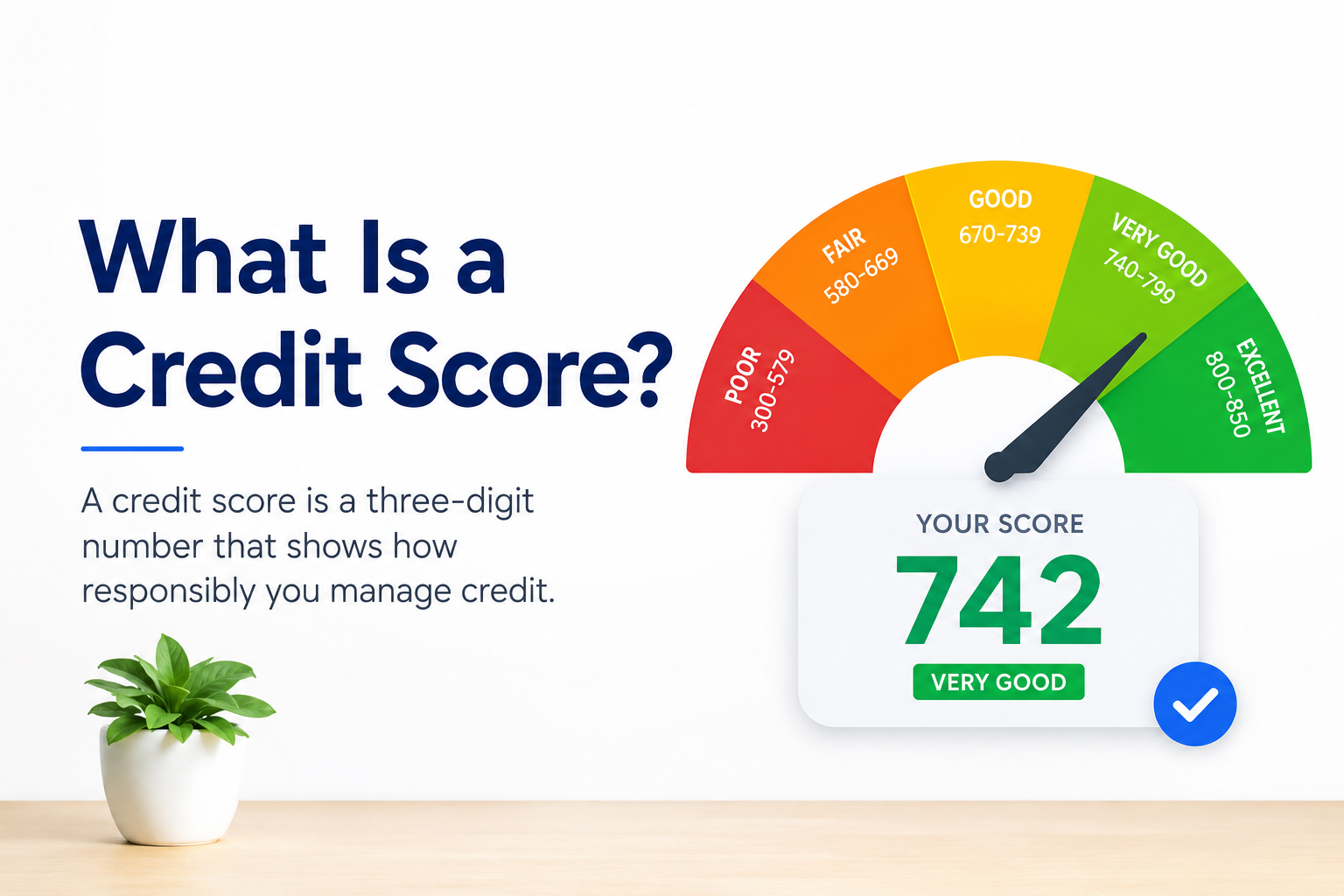
You check your score through your bank and see 742. Later, you log in to a credit monitoring service and find 736. Then you apply for a mortgage, and the lender tells you your score is 748.
Credit scores can vary depending on the scoring model used, the credit bureau providing the data, and when the information was last updated.
Understanding why scores differ—and what they actually mean—can help you make better financial decisions and avoid unnecessary worry.
Why Is My Credit Score Different on Different Websites?
One of the most common questions consumers ask is:
“Why doesn’t every website show the same credit score?”
The answer comes down to two main factors:
Different scoring models
Different credit bureau data
A lender isn’t limited to using one universal credit score. Instead, they choose the scoring model that best fits their lending decisions.
For example:
Your bank may display a FICO® Score based on information from one credit bureau.
A credit monitoring service may show a VantageScore® calculated using data from another bureau.
A mortgage lender may use an industry-specific version of the FICO® Score designed specifically for home loans.
Although the numbers may differ slightly, they all aim to predict how likely you are to repay borrowed money.
A difference of 5 to 20 points between services is generally considered normal.
What Is a FICO® Score?
The FICO® Score is the most widely used credit scoring model in the United States.
Many banks, mortgage lenders, auto lenders, and credit card issuers rely on FICO Scores when evaluating loan applications.
FICO calculates your score using information from your credit reports, including factors such as:
Payment history
Amounts owed
Length of credit history
New credit accounts
Credit mix
Although the exact formula is proprietary, these categories form the foundation of most FICO Scores.
Why Many Lenders Prefer FICO
Many financial institutions have used FICO Scores for decades.
As a result, they’re commonly used for:
Mortgage applications
Auto loans
Personal loans
Credit cards
Home equity loans
This doesn’t mean every lender uses FICO, but it remains the most commonly used scoring model across many lending decisions.
What Is a VantageScore®?
The VantageScore® model was developed by the three nationwide credit bureaus to provide another way of evaluating consumer credit.
Like FICO, VantageScore uses information from your credit reports to estimate credit risk.
Both models consider similar categories of information, including payment history, balances, and credit history, but they use different formulas and weighting methods.
As a result, your VantageScore and FICO Score may not be exactly the same.
That doesn’t necessarily mean one score is more accurate than the other.
Instead, they represent different ways of analyzing similar credit information.
Should You Trust FICO® or VantageScore®?
The short answer is:
You should trust both—but understand what you’re looking at.
Think of them as two different weather forecasts.
Each forecast uses different computer models, but both are trying to predict the same outcome.
Similarly:
FICO predicts credit risk using its own scoring model.
VantageScore predicts credit risk using a different model.
Neither score is “wrong.”
The important question is:
Which score will your lender use?
For many mortgages and other traditional lending products, lenders commonly rely on FICO Scores.
However, some lenders, landlords, and financial institutions use VantageScore or other scoring models.
If you’re preparing for a specific loan application, ask the lender which scoring model they use.
Why Your Credit Score Changes Over Time
Credit scores are not permanent.
They change as new information is added to your credit reports.
A score that increases this month could decrease next month if your financial behavior changes.
Likewise, a lower score today may improve over time as you build positive credit habits.
This is why monitoring your score regularly is important.
Common Reasons Your Credit Score Goes Up
Your score may increase if you:
Make On-Time Payments
Payment history is one of the most important factors influencing your credit score.
Paying every bill by its due date helps build a positive credit history.
Lower Your Credit Card Balances
Reducing your credit utilization ratio often improves your score.
For example, paying down large credit card balances may lower your overall credit usage.
Build a Longer Credit History
As your accounts age and remain in good standing, your credit history becomes stronger.
Long-term responsible credit use generally benefits your score.
Correct Errors on Your Credit Report
If inaccurate information is removed after a successful dispute, your score may improve.
Diversify Your Credit Responsibly
Managing different types of credit successfully may contribute positively to your credit profile.
Common Reasons Your Credit Score Drops
A temporary decrease isn’t always a sign of serious financial trouble.
Some common reasons include:
Missing a Payment
Late payments can have a significant impact on your credit score.
High Credit Card Balances
Using a large percentage of your available credit may lower your score.
Applying for Several New Accounts
Multiple hard inquiries within a short period may temporarily reduce your score.
Closing an Older Credit Account
Closing an account may reduce your available credit and shorten your average credit history over time.
Errors on Your Credit Report
Mistakes happen.
Incorrect information can negatively affect your score until corrected.
Identity Theft
Unauthorized accounts opened in your name can damage your credit.
Regular monitoring helps detect these issues sooner.
How Often Does Your Credit Score Update?
There isn’t one fixed schedule.
Your credit score updates whenever lenders report new information to the nationwide credit bureaus and your scoring model recalculates the data.
Many lenders report information every month, but reporting dates vary.
Because of this, your score may change several times during the month.
Some financial services update the score they display:
Daily
Weekly
Monthly
Even if your score doesn’t change immediately after making a payment, it may update after your lender submits new information.
Patience is important when monitoring your progress.
What Should You Do After Checking Your Credit Score?
Checking your score is only the first step.
The next step is understanding what your score means and taking action if necessary.
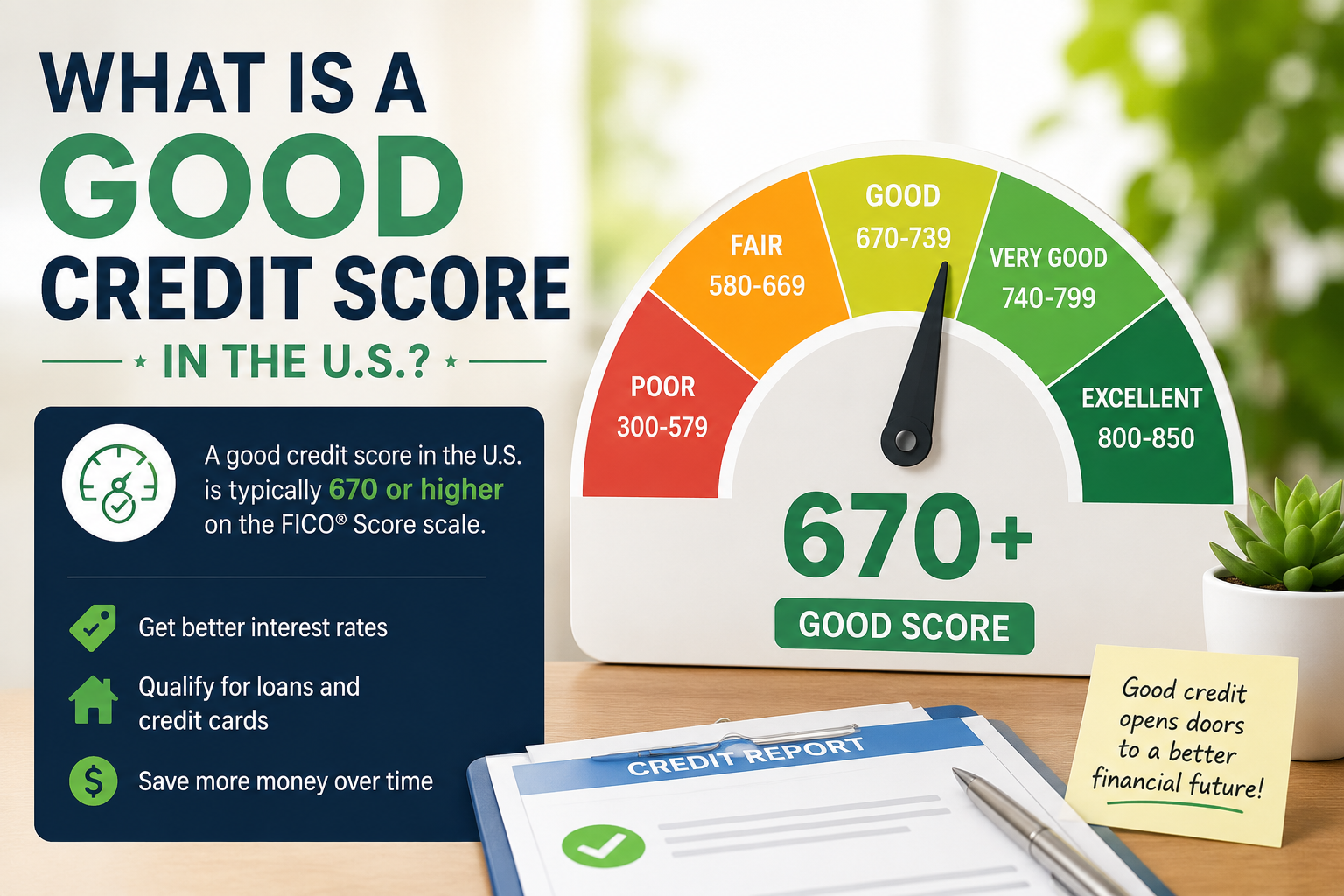
If Your Score Is Excellent (800–850)
Congratulations!
You’re in one of the strongest credit ranges.
Your priorities should include:
Continue making payments on time.
Keep credit utilization low.
Avoid unnecessary hard inquiries.
Monitor your reports for fraud.
If Your Score Is Very Good (740–799)
You’re likely to qualify for competitive lending offers.
Continue building positive habits by:
Paying every bill on time.
Keeping balances manageable.
Monitoring your score regularly.
If Your Score Is Good (670–739)
This range is considered good by many lenders.
However, there may still be opportunities to improve.
Focus on:
Reducing revolving balances.
Avoiding missed payments.
Limiting unnecessary credit applications.
If Your Score Is Fair (580–669)
You may qualify for some forms of credit, but interest rates could be higher.
Consider:
Reviewing your credit report carefully.
Paying down outstanding balances.
Creating automatic payment reminders.
Avoiding new debt unless necessary.
If Your Score Is Poor (300–579)
Don’t panic.
Many people successfully rebuild their credit over time.
Your first priorities should be:
Review your credit reports for errors.
Bring overdue accounts current if possible.
Pay every bill on time moving forward.
Reduce credit card balances.
Consider products designed to help establish or rebuild credit, if appropriate for your situation.
Improving your credit score is usually a gradual process, but consistent financial habits can make a meaningful difference over time.
Expert Tips for Monitoring Your Credit Score
Check Your Score Regularly
Review your score at least once a month.
Review Your Credit Reports
Your score doesn’t tell the whole story.
Review your credit reports periodically to ensure the underlying information is accurate.
Don’t Obsess Over Small Changes
A movement of a few points from month to month is common.
Focus on long-term trends rather than daily fluctuations.
Watch for Unexpected Drops
If your score suddenly decreases without explanation, review your credit report promptly to identify possible reporting errors or fraudulent activity.
Protect Your Personal Information
Use strong passwords, enable multi-factor authentication where available, and monitor your financial accounts regularly.
Protecting your identity helps protect your credit.
Real-Life Example
Imagine two friends, Emily and Marcus.
Emily checks her credit score every month through her bank. One month, she notices her score has dropped by 18 points. After reviewing her credit report, she discovers that a credit card payment was incorrectly reported as late. She disputes the error, and after it is corrected, her score recovers.
Marcus, on the other hand, never checks his credit score. Months later, he applies for a car loan and discovers several unauthorized accounts on his credit report. Resolving the issue delays his loan approval.
The lesson is simple: regularly checking your credit score and reviewing your credit reports can help you identify potential problems before they become more costly or time-consuming to fix.
Key Takeaways
Understanding your credit score goes beyond simply knowing the number.
Different scores can appear across different services, and small differences are usually normal. What matters most is maintaining healthy financial habits over time.
By monitoring your score regularly, reviewing your credit reports, paying bills on time, and keeping your credit utilization low, you’ll be in a stronger position when applying for loans, credit cards, or other financial products.
Remember, your credit score is not a measure of your worth—it is simply a snapshot of your credit history at a particular point in time.
Frequently Asked Questions, Common Myths, and Your Credit Score Action Plan
You’ve now learned how to check your credit score, why scores differ, what affects your score, and what to do after reviewing it.
In this final section, we’ll answer the questions Americans ask most often about checking their credit scores, clear up common misconceptions, and give you a practical action plan for maintaining healthy credit.
Frequently Asked Questions (FAQs)
1. Is checking my credit score free?
Yes. Many banks, credit card issuers, credit bureaus, and credit monitoring services provide free access to your credit score. You don’t always need to pay to monitor your credit.
2. Does checking my own credit score lower it?
No.
Checking your own credit score creates a soft inquiry, which does not affect your credit score.
3. How often should I check my credit score?
For most people, checking your credit score once a month is sufficient.
You should also check it before:
Applying for a mortgage
Applying for a car loan
Applying for a personal loan
Applying for a new credit card
Renting an apartment
4. Why is my credit score different on different websites?
If you’re applying for a loan, ask the lender which scoring model they use.
6. What is considered a good credit score?
Although scoring models may vary, many lenders consider a score of 670 or higher to fall within the good range.
Higher scores may improve your chances of qualifying for favorable loan terms.
7. How long does it take for my credit score to update?
There’s no universal schedule.
Many lenders report account information monthly, but updates depend on when creditors submit new information to the nationwide credit bureaus.
8. Why did my credit score suddenly drop?
Common reasons include:
Missed payments
Increased credit card balances
New credit applications
Closed accounts
Reporting errors
Identity theft
Review your credit report to understand what changed.
9. Can I have more than one credit score?
Yes.
You may have multiple legitimate credit scores because different scoring models analyze your credit information differently.
10. Can I check my credit score every day?
Yes.
Checking your own score daily does not hurt your credit.
However, your score may not change every day because lenders don’t report information continuously.
11. Do I need a credit card to have a credit score?
No.
Credit scores can also be based on other types of credit, such as:
Auto loans
Student loans
Mortgages
Personal loans
However, if you’ve never used any form of credit, you may not yet have enough information to generate a credit score.
12. What’s the difference between a credit score and a credit report?
A credit score is a three-digit number that summarizes your credit risk.
A credit report is a detailed record of your borrowing history and the information used to calculate your score.
13. Will paying off a loan always increase my credit score?
Not necessarily.
While paying off debt is generally positive, your score may temporarily fluctuate depending on factors such as your credit mix and the age of your accounts.
14. Can identity theft affect my credit score?
Yes.
Fraudulent accounts or unauthorized activity may damage your credit.
Regularly checking both your credit score and credit report can help you detect problems early.
15. What should I do if I find an error on my credit report?
Contact the credit bureau that reported the information and follow its dispute process. You may also need to contact the lender or company that supplied the information.
16. Do employers check my credit score?
Generally, employers do not see your credit score.
In some situations, employers may request permission to review portions of your credit report as part of a background check, subject to applicable laws.
17. How can I improve my credit score?
Healthy credit habits include:
Paying bills on time
Keeping credit card balances low
Avoiding unnecessary credit applications
Reviewing your credit reports regularly
Correcting reporting errors promptly
Improvement usually takes time and consistency.
18. Is a perfect 850 credit score necessary?
No.
Many borrowers with scores well below 850 still qualify for excellent loan terms.
Rather than chasing a perfect score, focus on maintaining responsible financial habits.
19. How long do hard inquiries affect my credit score?
Hard inquiries generally have a temporary effect and their impact decreases over time.
Applying for several new credit accounts within a short period may have a greater effect than a single inquiry.
Misinformation about credit scores is common. Let’s separate fact from fiction.
Myth
Reality
Checking your own credit score lowers it.
False. Personal credit checks create soft inquiries and do not affect your score.
You only have one credit score.
False. Different scoring models and credit bureau data can produce different scores.
You must pay to see your credit score.
False. Many financial institutions provide free access.
A perfect 850 score is required for the best loans.
False. Many borrowers qualify for competitive terms without a perfect score.
Closing old credit cards always improves your score.
False. In some cases, closing accounts can reduce available credit or affect the age of your credit history.
Carrying a balance helps your credit score.
False. Responsible use and timely payments matter more than carrying debt.
Your income determines your credit score.
False. Credit scores are based primarily on your credit history, not your salary.
Paying all your debt instantly guarantees a higher score.
False. Scores may improve over time, but changes depend on several factors.
Understanding these myths can help you make informed financial decisions instead of relying on outdated advice.
Your 30-Day Credit Score Action Plan
If you’re serious about improving your credit, follow this simple plan over the next month.
Week 1: Know Where You Stand
Check your current credit score.
Review your credit reports.
Look for errors or unfamiliar accounts.
Week 2: Build Better Habits
Pay every bill on time.
Set up automatic payments or reminders if needed.
Avoid unnecessary credit applications.
Week 3: Reduce Credit Utilization
Pay down credit card balances if possible.
Avoid maxing out available credit.
Continue making payments on time.
Week 4: Monitor Your Progress
Review your accounts.
Confirm that payments were processed correctly.
Continue tracking your score each month.
Small, consistent improvements often produce better long-term results than trying to make dramatic changes all at once.
Key Takeaways
Before you leave, remember these important points:
You can check your own credit score without hurting it.
Many banks, credit card issuers, and financial institutions provide free credit scores.
Your credit score and credit report are different but closely connected.
Different websites may display different scores because they use different scoring models or credit bureau data.
Monitoring your credit regularly can help you identify errors, detect fraud, and measure your financial progress.
Building strong credit takes time, but consistent responsible habits can improve your financial opportunities.
Final Thoughts
Your credit score is one of the most important financial tools you’ll ever have, but it’s only one part of your overall financial picture.
By checking your credit score regularly, understanding how it works, and reviewing your credit reports for accuracy, you’ll be better prepared for life’s major financial milestones—whether that’s buying a home, financing a car, qualifying for a credit card, or simply managing your money more confidently.
Remember, improving your credit isn’t about chasing a perfect number. It’s about building consistent financial habits that support your long-term goals.
Every on-time payment, every responsible borrowing decision, and every careful review of your credit information moves you one step closer to stronger financial health.
Blessing Thagisa is a personal finance writer and researcher at Clear Money Steps, specializing in credit scores, credit reports, loans, budgeting, and consumer financial education. He is passionate about making complex financial topics easy to understand through accurate, practical, and well-researched guides. His goal is to help readers build strong financial habits, improve their credit, and make confident money decisions with clear, trustworthy information.