
Understanding Soft Credit Inquiries
You check your credit report to make sure everything is accurate.
Your credit cards and loans look familiar, and you do not see any missed payments. However, farther down the report, you notice several company names under a section labelled:
- Soft inquiries
- Promotional inquiries
- Account review inquiries
- Inquiries visible only to you
You recognize the name of your bank and the credit-monitoring service you use, but several other company names are unfamiliar.
You immediately begin asking questions:
- Did these companies lower my credit score?
- Why are businesses checking my credit?
- Can lenders see these inquiries?
- Did someone apply for credit in my name?
- Is checking my own score hurting my credit?
Seeing several unfamiliar inquiries can be worrying, especially when you do not understand why they appeared.
Fortunately, soft inquiries are generally routine credit-file reviews that do not affect your U.S. credit scores. They may occur when you check your own credit, when an existing lender reviews your account, when a company prepares a prescreened offer, or when you use certain prequalification services. The Consumer Financial Protection Bureau explains that soft inquiries do not affect credit scores and are shown only to consumers when they review their own reports—not to companies purchasing those reports.
Soft inquiries may occur when:
- You check your own credit report or score.
- An existing lender reviews your account.
- A company determines whether you meet basic criteria for a prescreened offer.
- You use certain credit card or loan prequalification tools.
- An employer conducts a legally permitted employment screening.
- An insurer reviews credit-related information where permitted.
- A credit-monitoring service updates your information.
Unlike a hard inquiry, a soft inquiry is not generally connected to a formal application for a new credit card, loan, or other extension of credit.
That distinction matters.
A hard inquiry may temporarily affect a credit score because it can indicate that a consumer is actively seeking new credit. A soft inquiry does not represent the same type of formal credit application and is not included as a negative scoring factor.
Understanding soft inquiries can help you monitor your reports confidently, compare possible credit offers more carefully, and avoid believing the common myth that checking your own credit damages your score.
Quick Answer: What Is a Soft Inquiry?
A soft inquiry is a review of your credit report or credit information that does not affect your credit score. Soft inquiries may occur when you check your own credit, receive a prescreened offer, use certain prequalification tools, or when an existing lender reviews your account. They may appear on the credit report you see, but they generally are not shown to lenders reviewing your report.
Soft inquiries are also commonly called:
- Soft credit inquiries
- Soft credit checks
- Soft pulls
These terms generally describe the same type of credit-file review.
Soft inquiries do not lower FICO® Scores. VantageScore also states that soft inquiries should not affect a consumer’s credit score.
What Is a Soft Inquiry?
A soft inquiry occurs when your credit file is accessed in a way that does not represent a formal application for new credit and does not affect your credit score.
It creates a record showing that someone reviewed some form of credit information, but that record is treated differently from a hard inquiry.
For example, a soft inquiry may occur when:
- You request your own credit report.
- You check a score through your bank.
- A credit card issuer reviews an existing account.
- A lender checks whether you meet initial prequalification criteria.
- A company selects consumers for prescreened offers.
- An employer obtains a permitted background report.
- An insurer reviews credit-related information where state law allows it.
The CFPB identifies existing-account reviews, insurance reviews, prescreening, employment screening, and consumers requesting their own reports as examples of soft inquiries.
Soft Inquiry
Soft inquiry is the formal phrase commonly used by credit bureaus, lenders, financial educators, and consumer agencies.
You may find soft inquiries in a separate section of your credit report.
The section may be labelled differently depending on the credit bureau or report provider. For example, it might appear under:
- Soft inquiries
- Promotional inquiries
- Account review inquiries
- Inquiries shared only with you
- Inquiries that do not affect your credit rating
The wording may differ, but the important point is that these inquiries do not affect your credit scores.
Soft Credit Check
A soft credit check means that a company or consumer has reviewed credit information without creating a score-affecting hard inquiry.
The phrase focuses on the action being performed: someone is checking credit information.
For example, when you use an eligible prequalification tool, the company may explain:
“Checking your offers will not affect your credit score.”
This usually means that the company plans to use a soft credit check during that stage.
However, you should always read the disclosure carefully. Some lenders may perform a hard inquiry when you move from checking possible offers to submitting a full application.
Soft Pull
A soft pull is an informal term for a soft inquiry.
The word “pull” refers to a company or service obtaining—or “pulling”—credit information from a credit bureau.
The following phrases generally mean the same thing:
- Soft inquiry
- Soft credit inquiry
- Soft credit check
- Soft pull
- Soft credit pull
They all refer to a review that does not affect your credit score.
Does a Soft Inquiry Mean You Applied for Credit?
No.
A soft inquiry does not normally indicate that you submitted a formal application for a new loan or credit card.
This is one of the most important differences between soft and hard inquiries.
A hard inquiry commonly occurs after you formally apply for:
- A credit card
- A mortgage
- An auto loan
- A personal loan
- A private student loan
- Store financing
- Another type of credit
A soft inquiry may happen without a formal application.
For example, a credit card company may use credit information to determine whether you meet its basic criteria for a prescreened offer. You may receive an offer in the mail even though you never applied for the card.
That promotional review does not mean an account was opened.
If you later respond to the offer and submit a formal application, the issuer may conduct a separate hard inquiry before deciding whether to approve you.
The CFPB explains that credit card companies may use information from credit reporting companies to make prescreened offers to consumers who meet selected criteria. The consumer must still apply, and the offer does not guarantee final approval.
Why Are Soft Inquiries Used?
Soft inquiries allow consumers and businesses to review credit information without treating the activity as a formal request for new credit.
Different organizations use them for different reasons.
1. Reviewing an Existing Credit Account
An existing bank or lender may periodically review your credit information after your account has already been opened.
For example, your credit card issuer may review your account to:
- Monitor account risk
- Confirm continued eligibility
- Review changes in your credit profile
- Decide whether to provide account-related offers
- Consider an automatic credit-limit adjustment
- Detect signs of possible financial difficulty
- Help manage an existing lending relationship
These account reviews generally create soft inquiries and do not affect your credit score. The CFPB states that when an existing lender pulls a consumer’s credit, it is a soft inquiry that does not affect the score.
An account review does not necessarily mean that something is wrong.
Many lenders conduct reviews as part of normal account management.
2. Determining Whether You Meet Basic Offer Criteria
A lender may use a soft inquiry to determine whether your credit profile appears to meet basic eligibility requirements.
For example, a company may be looking for consumers who have:
- A credit score within a particular range
- No recent serious delinquencies
- A certain type of credit history
- Accounts that have been open for a minimum period
- Other characteristics relevant to an offer
This preliminary review may help the company decide whether to show you a possible product or invite you to prequalify.
It does not necessarily mean you will receive final approval.
3. Preparing Prescreened Credit Offers
You may receive letters or emails saying:
- “You’re preselected.”
- “You’re prequalified.”
- “You’ve been chosen to apply.”
- “You may qualify for this offer.”
- “You have been matched with a credit card.”
These offers may result from prescreening.
Under the Fair Credit Reporting Act, prospective creditors and insurers may access certain credit-file information for prescreening so they can make qualifying offers of credit or insurance.
Prescreening generally creates a soft inquiry.
However, receiving a prescreened offer does not mean:
- An account has already been opened.
- Approval is guaranteed.
- The advertised credit limit is guaranteed.
- The final interest rate is guaranteed.
- The lender will skip its full application review.
You may still need to submit an application, provide information, and authorize a hard inquiry.
4. Providing Credit Prequalification
Many lenders allow consumers to check possible credit offers before formally applying.
This process may be called:
- Prequalification
- Preapproval
- Checking your eligibility
- Checking personalized offers
- Viewing matched offers
- Checking your rate
When the lender uses a soft inquiry, you may be able to see estimated terms without affecting your credit score.
Possible information may include:
- Estimated interest rates
- Possible loan amounts
- Potential credit cards
- Estimated repayment periods
- Possible monthly payments
- General eligibility results
Prequalification can help you narrow your options before submitting a formal application.
However, not every company uses the terms prequalified and preapproved in the same way. Read the disclosure to confirm whether the check will be soft or hard.
A soft prequalification inquiry may later be followed by a separate hard inquiry if you decide to apply.
5. Verifying Information
A business may sometimes use credit-report information as part of an identity-verification or account-management process.
Depending on the situation, it may use the information to:
- Confirm identifying details
- Match a consumer to a credit file
- Support fraud-prevention checks
- Review account information
- Confirm an existing customer relationship
The exact information accessed and the legal reason for accessing it may vary.
A soft inquiry does not automatically mean the company reviewed every piece of information in your complete credit file.
6. Conducting Permitted Employment Screening
Some employers may obtain a consumer report as part of a background-screening process where federal, state, and local laws permit it.
Under the Fair Credit Reporting Act, an employer generally must provide a clear disclosure and obtain the applicant’s or employee’s written permission before getting a background report from a consumer reporting company.
Employment-related credit reviews generally appear as soft inquiries and do not affect credit scores.
An employment report may also differ from the credit report a lender receives. Employers do not automatically receive a standard lending credit score simply because they conduct a background check.
Employment credit checks may also be restricted by state or local law. Therefore, employers cannot necessarily review credit information for every position in every part of the United States.
7. Producing Insurance-Related Information
Where legally permitted, an insurance company may review credit-related information when evaluating an application or an existing policy.
This may happen in connection with certain:
- Auto insurance policies
- Homeowners insurance policies
- Renters insurance policies
- Other insurance products
The insurer may use a specialized credit-based insurance score rather than the same FICO or VantageScore a lender might use.
Insurance reviews listed as soft inquiries do not affect ordinary consumer credit scores. The CFPB includes reviews by insurance companies among the types of soft inquiries that do not affect credit scores.
Insurance rules vary by state, and some states restrict or prohibit certain uses of credit information in insurance decisions.
8. Providing Credit Scores and Monitoring Services
A bank, credit card issuer, credit bureau, or credit-monitoring service may periodically access your credit information to provide:
- Credit score updates
- Credit report changes
- New-account alerts
- Balance-change notifications
- Identity-monitoring features
- Fraud alerts
- Credit education
- Score-tracking tools
These updates may generate soft inquiries.
For example, your monitoring service may check your credit file regularly so it can notify you when new information appears.
Repeated monitoring checks do not accumulate into scoring damage.
Does a Soft Inquiry Affect Your Credit Score?
No.
Soft inquiries do not lower your credit score.
They do not count as applications for new credit and are not treated as new-credit risk indicators by FICO or VantageScore scoring models.
FICO states that soft inquiries, including viewing your own credit report, do not affect FICO Scores. VantageScore similarly states that soft inquiries should not affect a consumer’s credit score.
Soft Inquiries Do Not Lower FICO Scores
FICO separates credit inquiries into hard and soft inquiries.
A hard inquiry resulting from a formal credit application may be considered in a FICO Score.
A soft inquiry is not considered in the same way.
Examples that do not lower FICO Scores include:
- Checking your own report
- Checking your own FICO Score
- Certain loan prequalification reviews
- Prescreened credit offers
- Certain employment background checks
- Existing-account reviews
FICO confirms that soft pulls do not affect credit scores and generally are not visible to lenders reviewing a consumer credit report.
Soft Inquiries Should Not Affect VantageScores
VantageScore also distinguishes between hard and soft inquiries.
According to VantageScore, a soft inquiry may occur when consumers check their own scores or when lenders check credit as part of an administrative process. These inquiries should not affect the consumer’s credit score.
This means a soft inquiry should not lower either of the two major types of consumer credit scores commonly provided in the United States:
- FICO Scores
- VantageScores
Can You Have Too Many Soft Inquiries?
Soft inquiries can occur repeatedly without accumulating score damage.
For example, checking your credit score once a week for an entire year does not create 52 score deductions.
Similarly, regular account reviews or credit-monitoring updates do not gradually reduce your score.
There is no scoring penalty simply because your consumer-facing report contains a long list of soft inquiries.
This makes regular credit monitoring a useful financial habit rather than something consumers need to avoid.
Soft Inquiries Do Not Represent New-Credit Applications
Credit-scoring models may consider recent hard inquiries because they can show that a consumer is seeking new credit.
Soft inquiries do not carry the same meaning.
A soft inquiry may show only that:
- You viewed your own report.
- A current lender reviewed an account.
- A company prepared a promotional offer.
- A service updated your credit score.
- An employer conducted permitted screening.
- An insurer reviewed information where allowed.
None of these automatically means you are trying to borrow more money.
Why Did My Score Change After a Soft Inquiry?
You may notice a soft inquiry and a credit score change around the same time.
That does not mean the inquiry caused the change.
Credit scores can change whenever information in your credit reports changes.
For example, your score may move because:
- A higher credit card balance was reported.
- Your overall credit utilization increased.
- A payment was reported late.
- A new account appeared.
- An old account was closed.
- A collection account was added.
- A balance was paid down.
- An account became older.
- Information was corrected or removed.
- A lender reported updated account activity.
Suppose you check your score on Monday and notice that it has fallen.
The act of checking did not cause the decrease.
Your credit card issuer may have reported a higher balance shortly before the score was recalculated. The balance change—not the soft inquiry—may explain the movement.
Credit scores naturally change as credit-report information is updated. A soft inquiry may simply appear around the same time.
Who Can See Soft Inquiries?
Soft inquiries may appear differently depending on who is requesting the credit report.
This creates an important distinction between:
- The report you see as the consumer
- The report a lender receives
- The information retained by a credit bureau
Consumers May See Soft Inquiries
When you obtain your own credit report, you may see soft inquiries listed in a separate section.
This allows you to understand who has reviewed your credit information.
Your report may identify:
- The company name
- The inquiry date
- The type of inquiry
- Whether it was promotional
- Whether it was an account review
- Whether it was visible only to you
Seeing a soft inquiry does not mean that your score was reduced.
Credit Bureaus Can Retain Records of Soft Inquiries
The three nationwide credit bureaus—Equifax, Experian, and TransUnion—may retain records showing that a soft inquiry occurred.
These records help document access to a consumer’s credit file.
The way soft inquiries are labelled, organized, and displayed may differ among the bureaus.
This means one report may use the phrase promotional inquiry, while another may call the same general type of review a soft inquiry.
Lenders Generally Do Not See Your Consumer-Facing Soft-Inquiry List
Soft inquiries are generally not shown to companies purchasing your credit report.
The CFPB states that soft inquiries are shown only to consumers when they review their own reports and are not visible when others purchase those reports.
For example, a mortgage lender reviewing your credit generally will not see that:
- You checked your own score last week.
- Your monitoring service updated your report.
- A card issuer sent you a prescreened offer.
- Your existing bank performed an account review.
Those activities do not appear to the lender in the same way as hard inquiries.
Lenders Typically See Relevant Hard Inquiries
When a lender obtains your report for a credit decision, it may see hard inquiries created by recent formal applications.
For example, it may see that you recently applied for:
- A credit card
- A mortgage
- An auto loan
- A personal loan
Hard inquiries can be relevant because they may indicate recent attempts to obtain new credit.
The consumer-facing list of soft inquiries does not serve the same lending-risk purpose and generally is not included in the report purchased by the lender.
Common Soft-Inquiry Examples
The following examples show how soft inquiries work in everyday situations.
Example 1: Checking Your Own Credit Score
Anthony has a credit card that provides a free monthly FICO Score.
He signs in to his account every month to check for changes.
Each score update may involve a soft review of his credit information.
Anthony’s monthly checks do not lower his score.
Checking his score regularly helps him:
- Monitor progress
- Identify unexpected changes
- Prepare before applying for credit
- Detect possible fraud
- Understand how reported balances affect his score
Example 2: Reviewing Your Credit Reports
Jasmine requests copies of her credit reports so she can check for errors.
She carefully reviews:
- Account balances
- Payment histories
- Personal information
- Collections
- Hard inquiries
- Soft inquiries
Requesting and reviewing her own reports does not damage her credit.
FICO specifically identifies reviewing a report through AnnualCreditReport.com or another consumer credit-report tool as a soft inquiry that does not affect a FICO Score.
Example 3: Credit Monitoring
Carlos subscribes to a credit-monitoring service.
The service checks his credit information regularly and sends him notifications when:
- A new account appears
- A balance changes
- A hard inquiry is added
- Personal information changes
- Possible identity-theft activity is detected
These routine monitoring checks may appear as soft inquiries.
They do not gradually lower Carlos’s score, even when they occur frequently.
Example 4: Credit Card Prequalification
Melissa wants a new cash-back credit card but does not want to submit several formal applications.
She uses a card issuer’s prequalification page.
The disclosure explains that checking for offers will not affect her credit score.
The issuer performs a soft inquiry and shows Melissa two possible cards.
Melissa has not yet completed a formal application, and approval is not guaranteed.
If she chooses one card and submits the full application, the issuer may then conduct a separate hard inquiry.
Example 5: Prescreened Credit Offer
David receives a letter saying he has been prescreened for a rewards credit card.
He did not request the offer.
The card company used credit-file criteria to identify consumers who might qualify for its promotion.
The prescreening process created a soft inquiry and did not affect David’s score.
If he decides to apply, the company may perform a hard inquiry and evaluate his complete application before approving or denying it.
Example 6: Existing-Creditor Account Review
Sophia has had the same credit card for five years.
Her issuer periodically reviews her account and credit information.
The bank may use the review to:
- Monitor risk
- Confirm account eligibility
- Consider promotional offers
- Evaluate whether an automatic limit increase is appropriate
The account review is a soft inquiry and does not affect her credit score.
Example 7: Employment Screening
Marcus applies for a position involving access to sensitive financial information.
The employer informs him that it plans to obtain a background report and requests his written permission.
Where legally permitted, the report may include credit-related information.
The employment inquiry does not affect Marcus’s credit score.
The employer must also follow applicable federal, state, and local requirements when obtaining and using the report. Under the FCRA, employers generally must obtain written permission before getting a report from a background-reporting company.
Example 8: Insurance Review
Rachel requests an auto insurance quote.
Where permitted by state law, the insurer reviews credit-related information as part of its pricing or eligibility process.
The insurer’s review may appear as a soft inquiry.
It does not lower Rachel’s FICO Score or VantageScore.
The insurer may use a specialized insurance score rather than the consumer credit score used by banks and other lenders.
Should You Worry About Soft Inquiries?
In most cases, no.
A soft inquiry is generally routine and harmless to your credit score.
It may reflect:
- Your own credit monitoring
- A lender reviewing an existing account
- A prescreened marketing offer
- A prequalification request
- A permitted employment review
- An insurance review
- Another administrative use of credit information
An unfamiliar soft inquiry also does not automatically prove that someone applied for credit in your name.
The company may use a legal or parent-company name that differs from the brand you recognize. It may also be connected to an existing account, insurer, employer, or promotional offer.
However, you should investigate when an unfamiliar soft inquiry appears alongside more serious warning signs, such as:
- A hard inquiry you do not recognize
- A new account you did not open
- An unfamiliar address
- Unexpected bills
- Collection activity that is not yours
- Changes to your identifying information
The soft inquiry itself does not hurt your score, but reviewing unfamiliar activity can still help you identify possible errors or fraud.
Key Takeaways
A soft inquiry is a routine review of credit information that does not affect your credit score.
Remember:
- A soft inquiry may also be called a soft credit check or soft pull.
- Soft inquiries do not lower FICO Scores.
- Soft inquiries should not affect VantageScores.
- Checking your own score or report does not hurt your credit.
- Soft inquiries may occur during credit monitoring, prequalification, prescreening, account reviews, employment screening, and insurance reviews.
- A soft inquiry does not normally mean you formally applied for a loan or credit card.
- Some prequalification tools use soft inquiries, but a later formal application may result in a separate hard inquiry.
- Consumers may see soft inquiries on their own reports.
- Soft inquiries are generally not shown to lenders purchasing a credit report.
- A long list of soft inquiries does not create accumulating score damage.
- A score change that occurs around the same time may be caused by another credit-report update, such as a higher balance.
- An unfamiliar soft inquiry does not automatically mean identity theft, but suspicious activity should still be investigated.
Soft inquiries make it possible to check your credit, receive possible offers, and allow existing companies to manage accounts without damaging your score.
The more important question is not how many soft inquiries you have. It is whether the accounts, hard inquiries, balances, and payment information on your credit reports are accurate.
Soft Inquiry vs. Hard Inquiry
The phrases soft inquiry and hard inquiry both describe situations in which someone accesses information from your credit file.
However, they do not have the same meaning or effect.
A soft inquiry does not affect your credit score. It may occur when you check your own credit, use certain prequalification tools, receive a prescreened offer, or when an existing lender reviews your account.
A hard inquiry usually occurs when you formally apply for new credit. It may temporarily affect your score and can be visible to other lenders reviewing your credit report.
Understanding the difference can help you:
- Monitor your credit without fear
- Compare possible offers more carefully
- Avoid unnecessary formal applications
- Recognize normal account-review activity
- Understand who may access your credit information
- Identify inquiries that may require further investigation
The Consumer Financial Protection Bureau explains that soft inquiries do not affect credit scores and generally are visible only to consumers viewing their own reports. Hard inquiries usually result from credit applications and may affect scores.
Soft Inquiry vs. Hard Inquiry: What Is the Difference?
The most important difference is the purpose of the credit check.
A soft inquiry usually occurs for monitoring, screening, promotional, prequalification, or account-management purposes.
A hard inquiry generally occurs when a lender reviews your credit after you apply for a new account or loan.
| Feature | Soft inquiry | Hard inquiry |
|---|---|---|
| Usually connected to a formal application | No | Yes |
| May affect your credit score | No | Yes, temporarily |
| Visible on the report you review | Generally yes | Yes |
| Generally visible to lenders | No | Yes |
| Used when checking your own credit | Yes | No |
| Used for credit monitoring | Yes | No |
| Used for some prequalification tools | Often | Sometimes |
| Used for prescreened offers | Usually | No, until you apply |
| Used for final credit card applications | Usually no | Usually yes |
| Used for mortgage or auto-loan applications | Usually no | Usually yes |
| May occur during an existing-account review | Yes | Usually no |
| Represents active credit seeking | Usually no | Usually yes |
| Can occur repeatedly without score damage | Yes | Multiple inquiries may matter |
| Common examples | Self-checks, monitoring and account reviews | Credit cards, mortgages and personal loans |
FICO states that viewing your own credit report is a soft inquiry that does not affect FICO Scores, while actively applying for products such as a credit card or mortgage can produce a hard inquiry that may affect the score. Soft inquiries generally are not visible to lenders reviewing your report.
What Happens During a Soft Inquiry?
During a soft inquiry, a company or service may access some form of information from your credit file.
The exact information reviewed can depend on:
- The reason for the inquiry
- The company requesting it
- The consumer reporting company involved
- The product or service being considered
- Applicable federal and state laws
A soft inquiry may be used to:
- Update a credit score
- Review an existing credit account
- Identify consumers for prescreened offers
- Estimate eligibility for a financial product
- Conduct permitted employment screening
- Produce insurance-related information where permitted
- Support credit-monitoring services
The inquiry may appear in the version of the report you obtain for yourself, but it does not become a score-reducing event.
What Happens During a Hard Inquiry?
A hard inquiry usually occurs when you submit a formal application and a lender requests your report to decide whether to extend credit.
For example, a hard inquiry may occur when you apply for:
- A credit card
- An auto loan
- A mortgage
- A personal loan
- A private student loan
- Retail financing
- Certain credit-limit increases
The lender may review factors such as:
- Payment history
- Credit utilization
- Current balances
- Recent delinquencies
- Collection accounts
- Age of credit history
- Recently opened accounts
- Recent hard inquiries
The inquiry itself does not guarantee that the application will be approved.
It simply records that your credit was accessed as part of a lending decision.
Does Checking Your Own Credit Hurt Your Score?
No.
Checking your own credit report or credit score does not lower your score.
When you check your own credit, the request is treated as a soft inquiry.
This applies when you review credit information through:
- A credit bureau
- Your bank
- Your credit card issuer
- A legitimate credit-monitoring service
- A score-tracking platform
- AnnualCreditReport.com
FICO confirms that checking your own credit report does not affect FICO Scores. The CFPB similarly lists consumers requesting their own reports as a soft inquiry that does not affect credit scores.
Why Does Checking Your Own Credit Not Hurt?
Credit-scoring systems use inquiries partly to identify recent applications for new credit.
Checking your own report does not indicate that you are attempting to borrow money.
You may be checking your credit because you want to:
- Review your financial progress
- Prepare for a future application
- Check whether a payment was reported correctly
- Monitor credit utilization
- Find reporting mistakes
- Look for identity theft
- Confirm that an account was closed
- Understand why your score changed
These actions do not create new debt and do not represent additional lending risk.
Therefore, they are not treated like formal credit applications.
Can You Check Your Credit Too Often?
You can check your own credit regularly without lowering your score.
For example, you could check your score:
- Once a month
- Once a week
- After paying down a large balance
- Before applying for a loan
- After disputing an error
- Whenever you receive a suspicious alert
Each self-check may be recorded as a soft inquiry, but multiple soft inquiries do not accumulate into score damage.
Checking your score 20 times does not produce 20 score reductions.
VantageScore states that soft inquiries, including checking your own score, should not affect your credit score.
Why Regular Credit Monitoring Can Be Helpful
Regularly checking your credit can help you catch problems earlier.
You may discover:
- An account you did not open
- A hard inquiry you do not recognize
- An incorrect late payment
- A balance that was reported incorrectly
- A collection account that is not yours
- An address you have never used
- A closed account shown as open
- A payment that has not yet updated
Monitoring can also help you learn how your credit profile changes over time.
For example, you may see how your score responds when:
- Your utilization decreases
- An account becomes older
- A new card begins reporting
- A negative item ages
- A loan balance is reduced
The monitoring itself does not improve or damage your score. It simply gives you information that may help you make better decisions.
Is Credit Prequalification a Soft Inquiry?
Many prequalification tools use a soft inquiry.
Prequalification allows a lender to conduct a preliminary review and estimate whether you may qualify for a product.
It may be available for:
- Credit cards
- Personal loans
- Auto loans
- Mortgages
- Refinancing
- Other financial products
A prequalification tool may provide:
- Potential product matches
- Estimated interest rates
- Possible loan amounts
- Potential monthly payments
- General eligibility information
- Possible credit limits
Because many of these tools use soft inquiries, checking possible offers may not affect your score.
However, consumers should never assume that every process labelled prequalification or preapproval uses a soft inquiry.
The lender’s disclosure is what matters.
FICO describes loan preapproval screening as a common soft-inquiry use, but lender processes can differ.
Prequalification Is Not Final Approval
Prequalification is an initial assessment—not a promise.
A lender may prequalify you using limited information, such as:
- Estimated income
- Housing payment
- Credit-file information
- Employment status
- Requested loan amount
- Basic identity information
Before granting final approval, it may still need to verify:
- Your identity
- Your income
- Your employment
- Your existing debts
- The value of collateral
- Information in your full application
- Changes in your credit report
The final offer may differ from the prequalification result.
You might receive:
- A different interest rate
- A lower loan amount
- A lower credit limit
- A different repayment term
- A request for a co-signer
- A denial
Prequalification Example
Tanya wants a personal loan.
Instead of immediately applying with five lenders, she uses three prequalification tools that clearly state that checking offers will not affect her credit score.
Each lender performs a soft inquiry.
Tanya compares:
- Estimated annual percentage rates
- Loan terms
- Origination fees
- Monthly payments
She then chooses the most suitable lender and submits one formal application.
That lender performs a hard inquiry.
In this example:
- Three preliminary checks were soft inquiries.
- One final application produced a hard inquiry.
- Tanya avoided submitting several unnecessary formal applications.
Is Preapproval a Soft Inquiry?
It depends on the lender and the product.
The words prequalification and preapproval are not always used consistently.
One lender may use “preapproved” to describe a soft-inquiry screening process.
Another may use the same word for a more formal review involving:
- A complete application
- Income documents
- Identity verification
- A hard inquiry
This can be especially important with mortgages.
A simple mortgage estimate may begin with a soft inquiry, while a formal preapproval used to support a home offer may involve a more detailed review and a hard inquiry.
Before continuing, look for language such as:
- “Checking your eligibility will not affect your credit score.”
- “This will result in a soft credit inquiry.”
- “Submitting this form authorizes a hard credit check.”
- “Your credit score may be affected.”
- “A full application may result in a hard inquiry.”
Do not rely only on the button saying Check Offers, Get Preapproved, or See Your Rate.
Read the disclosure before submitting personal information.
What Is a Prescreened Credit Offer?
A prescreened credit offer is a promotional offer sent to consumers who meet selected credit-related criteria.
You may receive one by:
- An online banking dashboard
- A lender’s app
- Another promotional channel
Common wording includes:
- “You’re preselected.”
- “You’re preapproved.”
- “You have been chosen to apply.”
- “You may qualify.”
- “You have been matched with this offer.”
The company may have used a soft inquiry to identify consumers who appear to meet initial requirements.
The CFPB explains that prospective lenders may use prescreening inquiries to make offers and that these soft inquiries do not affect credit scores.
Does Receiving a Prescreened Offer Hurt Your Credit?
No.
The promotional screening itself does not lower your credit score.
You may receive several prescreened offers without experiencing scoring damage.
The soft inquiry may appear on the credit report you obtain for yourself, but it generally is not shown to other lenders.
Does a Prescreened Offer Guarantee Approval?
No.
A prescreened offer may be based on credit information that was available when the company created its marketing list.
The company may still deny the application if:
- Your credit profile has changed
- Your income does not meet its requirements
- Your identity cannot be verified
- Your debt is too high
- You do not satisfy the full terms
- Information in your application is incomplete
- You no longer meet the lender’s criteria
The offer may be firm under applicable prescreening rules, but it may still contain conditions that must be met.
Consumers should read the complete offer terms carefully.
What Happens When You Accept a Prescreened Offer?
Responding to an offer and submitting a formal application may lead to a hard inquiry.
The CFPB explains that unsolicited credit card offers themselves do not hurt a consumer’s score. However, when the consumer accepts the offer and applies, the issuer may access the credit report through a hard inquiry.
Consider this example:
- A card issuer performs a soft prescreening inquiry.
- You receive a promotional letter.
- You submit a formal application.
- The issuer performs a hard inquiry.
- The issuer approves or denies the application.
The soft inquiry and hard inquiry are separate events.
The soft inquiry does not “turn into” a hard inquiry.
Can You Opt Out of Prescreened Offers?
U.S. consumers have the right to opt out of certain prescreened credit and insurance offers.
Opting out may reduce the number of offers you receive.
It does not:
- Remove existing accounts
- Prevent you from applying for credit
- Improve your score automatically
- Remove accurate hard inquiries
- Stop every type of financial marketing
Consumers should use the official opt-out process identified by the nationwide credit reporting companies rather than providing information to unfamiliar websites.
Existing-Creditor Account Reviews
A company with which you already have an account may periodically review your credit report.
This is generally known as an:
- Account review inquiry
- Existing-creditor review
- Account management inquiry
- Soft pull
The CFPB states that when an existing lender checks a customer’s credit for account-management purposes, it is a soft inquiry and does not affect the customer’s credit score.
Why Would an Existing Creditor Check Your Credit?
An existing creditor may conduct reviews to:
- Monitor the account
- Assess changes in risk
- Detect financial stress
- Consider promotional offers
- Review eligibility for product changes
- Evaluate an automatic credit-limit increase
- Decide whether to reduce a credit limit
- Manage exposure across customer accounts
- Identify possible fraud
The review does not necessarily mean that the creditor plans to take negative action.
Many account reviews occur routinely.
Can an Account Review Change Your Credit Card Terms?
The inquiry itself does not affect your score, but information discovered during the review could influence an issuer’s account-management decisions.
Depending on the agreement and applicable law, an issuer may consider actions such as:
- Increasing a credit limit
- Reducing a credit limit
- Offering a different product
- Limiting new transactions
- Closing an inactive or high-risk account
For example, a lender might notice:
- Several recent missed payments with other creditors
- Significantly increased balances
- New collection activity
- Signs of possible fraud
The soft inquiry is only the method used to review the information. Any account decision is separate from the inquiry’s scoring effect.
Customer-Requested Credit-Limit Increases
A request for a higher credit limit may involve either a soft or hard inquiry.
Some card issuers review:
- Your existing account history
- Your current reported income
- An updated soft inquiry
Others may perform a hard inquiry.
Before requesting an increase, ask:
“Will this request result in a hard inquiry?”
It is better to know before submitting the request than to assume the issuer’s policy.
Employment Credit Checks
Some employers may review consumer-report information for employment purposes where legally permitted.
An employment background report may include information relating to:
- Identity verification
- Employment history
- Criminal records, where legally reportable
- Education
- Professional licences
- Credit history, in certain circumstances
The exact contents depend on the employer, the background-screening company, the job, and applicable law.
Do Employment Credit Checks Affect Credit Scores?
No.
Employment-related credit inquiries generally are soft inquiries.
They do not indicate that you are applying to borrow money and therefore do not affect your credit score.
The CFPB lists employment screening as a soft inquiry that does not affect scores.
Do Employers Need Permission?
When an employer uses a third-party background-reporting company, the Fair Credit Reporting Act generally requires the employer to:
- Provide a clear written disclosure
- Obtain the applicant’s or employee’s written permission
- Follow required procedures before taking adverse action based on the report
The FTC states that employers must obtain written permission before getting a background report from a background-reporting company.
State and local laws may create additional restrictions.
Some jurisdictions limit:
- Which employers may check credit
- Which jobs qualify
- What credit information may be used
- When the check may occur
- What notices must be provided
Therefore, employment credit checks are not automatically permitted for every job in every state.
Do Employers See Your Credit Score?
An employment background check is not the same as a lender’s credit evaluation.
An employer generally receives a report prepared for employment purposes rather than the same report and score used in a loan decision.
The employer may review permitted credit-history information, but that does not necessarily mean it receives a standard FICO Score or VantageScore.
Employment-Screening Example
Nathan applies for a financial-management position.
The employer explains that the role involves access to company funds and requests written permission to obtain a background report.
Where permitted, the screening company provides an employment report.
The inquiry appears as an employment-related soft inquiry on the version of Nathan’s credit report he can see.
It does not lower his credit score and generally is not shown to lenders as a credit application.
Insurance Credit Reviews
Insurance companies may use credit-related information when permitted by state law.
This can occur when a consumer:
- Requests a new policy
- Asks for a quote
- Renews a policy
- Changes coverage
- Adds a vehicle or property
Credit-based insurance practices vary by state and product.
Some states restrict or prohibit certain uses of credit information.
Does an Insurance Review Affect Your Credit Score?
No.
An insurance-related review classified as a soft inquiry does not affect your FICO Score or VantageScore.
The CFPB lists reviews by insurance companies among the soft inquiries that do not affect credit scores.
What Is a Credit-Based Insurance Score?
A credit-based insurance score is designed to help an insurer evaluate insurance risk.
It is not necessarily the same score used by a:
- Credit card issuer
- Mortgage lender
- Auto lender
- Personal-loan lender
An insurance model may consider permitted information from a credit report, but it is created for insurance-related decisions rather than lending decisions.
The insurer may also consider non-credit information, such as:
- Driving record
- Claims history
- Location
- Type of vehicle
- Property characteristics
- Coverage level
Applicable state law determines what information may be used.
Insurance-Review Example
Olivia requests homeowners insurance quotes.
An insurer reviews permitted credit-related information and generates an insurance score.
The review appears as a soft inquiry.
It does not reduce Olivia’s consumer credit score.
The insurer may combine the insurance score with property and claims information to determine eligibility or pricing, subject to state law.
How Employment and Insurance Reviews May Appear on Your Report
The labels shown on a consumer credit report can differ by bureau.
An employment or insurance inquiry may appear under wording such as:
- Employment inquiry
- Insurance inquiry
- Soft inquiry
- Inquiry visible only to you
- Promotional or non-credit inquiry
- Consumer-report inquiry
The listed company name may also differ from the employer or insurer you recognise.
For example, the report may show:
- A background-screening provider
- An insurance affiliate
- A parent company
- A third-party service provider
- The company’s legal business name
An unfamiliar name does not automatically mean the inquiry was unauthorised.
Compare the inquiry date with your recent:
- Job applications
- Insurance quotes
- Policy renewals
- Account activity
- Prequalification checks
Contact the company through verified information when you cannot identify the source.
Can Other Lenders See Employment, Insurance and Account-Review Inquiries?
Generally, no.
The soft inquiries listed on the report you obtain for yourself generally are not shown to companies purchasing a lender-facing version of your credit report.
The CFPB states that soft inquiries are shown only to consumers and are not visible when others purchase the report.
A future lender generally will not see that:
- You checked your own score
- An employer conducted permitted screening
- An insurer reviewed your credit information
- Your monitoring service refreshed your report
- An existing issuer completed an account review
- You received a prescreened offer
The lender may still see hard inquiries connected to formal credit applications.
Real-Life Examples
Example 1: Checking a Score Through a Bank
Grace’s bank provides a monthly VantageScore.
She signs in every month to monitor it.
The score refresh creates a soft inquiry or administrative review.
It does not lower her score.
Example 2: Credit Card Prequalification
Daniel wants a travel credit card.
He uses an issuer’s prequalification tool after confirming that it will not affect his credit.
The issuer performs a soft inquiry and displays two possible offers.
Daniel has not submitted a full application.
If he chooses a card and applies, the issuer may perform a separate hard inquiry.
Example 3: Prescreened Credit Card Offer
A card company reviews selected credit-file criteria and sends Mia a prescreened offer.
The promotional inquiry does not hurt her credit.
Mia later submits a formal application.
That second step may result in a hard inquiry.
Example 4: Existing-Creditor Review
Noah’s credit card issuer periodically checks his credit for account-management purposes.
The inquiry appears only on the report Noah sees.
It does not lower his score and generally is not visible to other lenders.
Example 5: Employment Screening
Emma applies for a job for which an employment credit review is legally permitted.
The employer provides the required disclosure and obtains her written permission.
The resulting employment inquiry is soft and does not affect her score.
Example 6: Insurance Quote
Liam requests an auto insurance quote.
Where permitted, the insurer reviews credit-related information.
The review is a soft inquiry and does not lower his consumer credit score.
Example 7: Score Changes During Credit Monitoring
Ava checks her credit-monitoring account and sees that her score dropped.
She assumes that checking caused the decrease.
After reviewing her report, she notices that a higher credit card balance was reported during the same week.
The balance affected her credit utilization. The soft inquiry did not cause the score change.
Common Mistakes to Avoid
Mistake 1: Avoiding Your Own Credit Report
Some consumers avoid monitoring their reports because they believe checking will hurt their scores.
This can allow errors or fraud to remain unnoticed.
Checking your own credit is safe and does not lower your score.
Mistake 2: Assuming Every Preapproval Is Soft
Marketing language is not enough to determine the inquiry type.
Read the disclosure before submitting your information.
Mistake 3: Believing Prequalification Guarantees Approval
Prequalification is preliminary.
Final approval can depend on additional information and a hard inquiry.
Mistake 4: Assuming an Unfamiliar Soft Inquiry Is Fraud
The company may be a parent company, background screener, insurer, account provider, or prescreening business.
Investigate the name before concluding that identity theft occurred.
Mistake 5: Confusing a Soft Inquiry With a New Account
A soft inquiry does not mean that a new loan or card has been opened.
Look separately for:
- A hard inquiry
- A new account
- An unfamiliar balance
- Unexpected correspondence
Mistake 6: Disputing Legitimate Account Reviews
Existing lenders may have a permissible reason to review customer accounts.
A legitimate soft inquiry does not affect your score, so removing it would not create a scoring benefit.
Soft vs. Hard Inquiry Decision Guide
Ask these questions when you are about to provide personal information:
Are you formally applying for credit?
A hard inquiry may occur.
Are you checking your own score or report?
It should be a soft inquiry.
Are you only checking possible offers?
It may be soft, but read the disclosure.
Are you accepting a prescreened offer and completing an application?
The prescreening was soft, but the application may be hard.
Is an existing lender reviewing your current account?
It is generally a soft inquiry.
Is an employer conducting a permitted background review?
It generally appears as a soft inquiry and requires applicable disclosures and permission.
Is an insurer reviewing information where allowed?
It generally appears as a soft inquiry and does not affect your consumer score.
Questions to Ask Before Continuing
Before entering your Social Security number or authorising a credit check, ask:
- Will this produce a soft or hard inquiry?
- Will checking possible offers affect my score?
- Am I completing a prequalification form or a formal application?
- Will another credit check occur if I accept an offer?
- Which credit bureau may be contacted?
- Is final approval guaranteed?
- What information still needs to be verified?
- Can I compare offers without a hard inquiry?
Save a screenshot or copy of the disclosure when possible.
It may help you confirm what type of inquiry you authorised.
Key Takeaways
Soft and hard inquiries both involve access to credit information, but they serve different purposes.
Remember:
- A soft inquiry does not affect your credit score.
- A hard inquiry may temporarily affect your score.
- Checking your own credit creates a soft inquiry.
- You can monitor your credit regularly without accumulating score damage.
- Many prequalification tools use soft inquiries.
- Not every prequalification or preapproval process is soft, so read the disclosure.
- Prequalification does not guarantee final approval.
- Prescreened offers generally result from soft inquiries.
- Applying after receiving a prescreened offer may create a separate hard inquiry.
- Existing lenders may review customer accounts through soft inquiries.
- Employment inquiries generally do not affect credit scores.
- Employers using third-party background reports generally must obtain written permission and follow the FCRA.
- State and local laws may further restrict employment credit checks.
- Insurance reviews generally do not affect consumer credit scores.
- Credit-based insurance scores differ from ordinary lending scores.
- Consumers may see soft inquiries that other lenders generally cannot see.
- A company’s legal name may differ from the brand you recognise.
- An unfamiliar soft inquiry does not automatically mean identity theft.
- A score change occurring after a self-check was probably caused by another credit-report update—not the soft inquiry.
A soft inquiry allows you or an authorised business to review credit information without creating the scoring consequences associated with a formal credit application.
The safest approach is to monitor your credit confidently, read every credit-check disclosure, and understand exactly when a preliminary review becomes a full application.
How Soft Inquiries Appear on Your Credit Report
A soft inquiry is one of the most misunderstood sections of a credit report.
Many consumers become concerned when they see dozens of unfamiliar company names listed under “Soft Inquiries,” “Promotional Inquiries,” or “Account Review Inquiries.” They often assume those companies have damaged their credit score or secretly applied for credit in their name.
Fortunately, that usually is not the case.
Soft inquiries are primarily records showing that someone reviewed your credit information for a purpose that did not involve a formal application for new credit. They do not lower your credit score and generally are visible only to you when reviewing your own credit report.
In this section, you’ll learn why soft inquiries appear, what unfamiliar names may mean, whether lenders can see them, and what to do if something doesn’t look right.
How Long Do Soft Inquiries Stay on Your Credit Report?
Unlike hard inquiries, there is no universal federal rule stating exactly how long soft inquiries must remain visible on consumer credit reports.
The three nationwide credit bureaus may display and retain soft inquiries according to their own reporting practices.
Because of this:
- One bureau may display more soft inquiries than another.
- A soft inquiry may remain visible for a different period depending on the report provider.
- The number of soft inquiries you see today may not be the same next month.
The important point is that their presence does not reduce your credit score.
Whether your report shows five soft inquiries or fifty, the inquiries themselves are not treated as negative scoring factors. The CFPB explains that soft inquiries do not affect credit scores and are shown only to consumers reviewing their own reports.
Should You Worry About Older Soft Inquiries?
Usually, no.
Older soft inquiries simply show that your credit information was reviewed at some point in the past.
For example, they may relate to:
- Monthly credit monitoring
- Existing credit card account reviews
- Insurance quotes
- Employment screening
- Prescreened credit offers
- Prequalification requests
- Previous identity verification
Unlike late payments or collection accounts, a long list of soft inquiries does not indicate poor credit management.
Why Are There So Many Soft Inquiries on My Credit Report?
Many consumers are surprised by the number of soft inquiries they see.
That is because soft inquiries happen much more frequently than most people realize.
Your credit information may be reviewed several times each month without affecting your score.
Common reasons include:
- Credit monitoring
- Existing lender account reviews
- Prescreened credit-card offers
- Insurance reviews
- Employment screening
- Identity verification
- Credit bureau administrative activity
- Certain prequalification tools
This means it is perfectly normal to see many more soft inquiries than hard inquiries.
Credit Monitoring
If you use a service that provides:
- Credit-score updates
- Credit-report alerts
- Identity-theft monitoring
- Fraud notifications
the service may review your credit regularly.
Each review may create a soft inquiry.
For example, if your monitoring service checks your credit every week, you could see numerous soft inquiries during the year.
These inquiries do not reduce your score.
Existing Lender Reviews
Your current lenders may periodically review your credit profile.
For example, your credit card company may check your report to:
- Review account risk
- Monitor payment behaviour
- Evaluate eligibility for promotional offers
- Consider automatic credit-limit increases
- Detect unusual activity
The CFPB states that existing lenders may review customer credit reports for account-management purposes and that these reviews are soft inquiries that do not affect credit scores.
Prescreened Credit Offers
Credit card issuers and lenders may review credit files to identify consumers who meet certain marketing criteria.
As a result, you may receive:
- Credit card offers
- Loan offers
- Balance-transfer offers
- Promotional financing
These prescreening reviews generally appear as soft inquiries.
Receiving several promotional offers does not mean that multiple lenders lowered your score.
Insurance Reviews
Where permitted by state law, insurers may review credit-related information when:
- You request a quote
- You renew a policy
- You apply for coverage
- You modify an existing policy
Insurance reviews generally appear as soft inquiries and do not affect your credit score.
Employment Screening
Some employers may review credit-related information for positions where credit screening is legally permitted.
These employment-related inquiries generally appear as soft inquiries.
The inquiry itself does not reduce your credit score.
Federal, state and local laws determine when employers may obtain these reports.
Identity Verification
Some financial institutions may access credit-related information to help verify your identity.
Examples include:
- Opening certain financial accounts
- Fraud-prevention reviews
- Existing customer verification
- Security checks
These reviews often create soft inquiries because they are not formal credit applications.
Can Lenders See Soft Inquiries?
Generally, no.
This is one of the biggest differences between soft inquiries and hard inquiries.
When you obtain your own credit report, you may see:
- Soft inquiries
- Promotional inquiries
- Account review inquiries
- Employment inquiries
- Insurance inquiries
However, companies purchasing your credit report for lending decisions generally do not see these consumer-facing soft inquiries.
The CFPB states that soft inquiries are shown only to consumers when reviewing their own reports and are not visible when others purchase the report.
What Can You See?
When reviewing your own report, you may see:
- Company names
- Inquiry dates
- Inquiry types
- Promotional inquiries
- Existing-account reviews
- Credit-monitoring inquiries
This information helps you understand who has reviewed your credit information.
What Does a Future Lender See?
A lender reviewing your credit for a loan application generally focuses on:
- Hard inquiries
- Credit accounts
- Payment history
- Balances
- Credit utilization
- Collections
- Public records where applicable
The lender generally does not see the consumer-facing list of soft inquiries.
Can a Soft Inquiry Become a Hard Inquiry?
No.
A recorded soft inquiry does not suddenly change into a hard inquiry.
Instead, there may be two separate inquiries during the same process.
For example:
Step 1
You use a lender’s prequalification tool.
The lender performs a soft inquiry.
Step 2
You decide to submit a formal application.
The lender performs a hard inquiry.
These are two separate credit checks serving different purposes.
The soft inquiry remains a soft inquiry.
The hard inquiry is recorded separately.
Example
Sarah wants a rewards credit card.
She first checks whether she is likely to qualify.
The issuer clearly states:
“Checking your offers will not affect your credit score.”
A soft inquiry is performed.
Sarah likes one of the offers and submits a full application.
The issuer now performs a hard inquiry to make its lending decision.
The original soft inquiry did not become hard.
A new hard inquiry was created because Sarah formally applied.
Does Every Prequalification Use a Soft Inquiry?
Not necessarily.
Many lenders use soft inquiries during prequalification.
Others may use different processes.
Always read statements such as:
- “Will not affect your credit score.”
- “Soft credit inquiry.”
- “Checking offers won’t hurt your credit.”
If the lender indicates that your score may be affected, it could involve a hard inquiry.
Never assume based only on the words:
- Prequalified
- Preapproved
- See your rate
- Check offers
Read the disclosure before continuing.
What Does an Unfamiliar Soft Inquiry Mean?
An unfamiliar company name does not automatically mean fraud.
There are many legitimate reasons why you may not recognize a company.
For example:
- A parent company name
- A bank issuing a retailer’s credit card
- A background-screening company
- An insurance affiliate
- A credit-monitoring provider
- A service company working for your lender
The CFPB notes that unfamiliar inquiry names may relate to prescreening or companies using different legal names. Before disputing, consumers should contact the company to learn more.
Could an Unfamiliar Soft Inquiry Mean Identity Theft?
Usually, no.
Soft inquiries alone rarely indicate identity theft.
However, you should investigate further if an unfamiliar soft inquiry appears together with:
- A hard inquiry you do not recognize
- A credit card you never opened
- A loan you never requested
- An unfamiliar address
- Unexpected bills
- Collection accounts
- Identity information that is incorrect
In these situations, the inquiry itself is usually not the biggest concern.
The new account or unauthorized hard inquiry deserves immediate attention.
How to Investigate an Unfamiliar Soft Inquiry
If you do not recognize a company name, remain calm and investigate before filing a dispute.
Step 1: Record the Details
Write down:
- Company name
- Inquiry date
- Credit bureau
- Inquiry description
Step 2: Review Recent Activity
Think about whether you recently:
- Checked your credit
- Requested insurance quotes
- Applied for employment
- Used a lender’s prequalification tool
- Opened a financial account
- Updated information with an existing lender
Step 3: Research the Company
Many unfamiliar names belong to:
- Parent companies
- Banks
- Credit card issuers
- Insurance affiliates
- Background-screening providers
Search the official company website before assuming fraud.
Step 4: Contact the Company
If you still cannot identify the inquiry, contact the company using verified contact information.
Ask:
- Why did you review my credit information?
- Was this an account review?
- Was this related to a prequalification?
- Was this connected to an existing account?
Keep notes of:
- Date
- Representative
- Reference number
- Explanation provided
Step 5: Check for Other Warning Signs
Review all three credit reports.
Look for:
- Unknown accounts
- Hard inquiries
- Incorrect addresses
- Incorrect employers
- New loans
- Collection accounts
If none of these appear, the unfamiliar soft inquiry may simply reflect a legitimate administrative review.
Can You Dispute a Soft Inquiry?
Yes, but only when you believe it is inaccurate or unauthorized.
For example, you may dispute information if:
- The inquiry belongs to another consumer.
- The inquiry resulted from identity theft.
- The inquiry was reported incorrectly.
- The company accessed your report without a permissible purpose.
However, disputing a legitimate soft inquiry generally provides no credit-score benefit because soft inquiries do not affect scores in the first place.
Should You Dispute Every Unfamiliar Soft Inquiry?
No.
Investigate first.
Many unfamiliar names are completely legitimate.
The CFPB recommends contacting the company if you do not recognize a creditor or inquiry because it may simply be using a different legal name or be connected to prescreening. If the information is truly incorrect, then you should dispute it.
What Happens After You File a Dispute?
If a credit bureau receives a valid dispute about inaccurate information, it generally must investigate.
The CFPB explains that credit reporting companies generally have 30 days to investigate a dispute after receiving it, with certain situations allowing additional time.
After the investigation, you should receive:
- The investigation results
- An updated credit report if changes were made
- Information explaining the outcome
Soft Inquiry Safety Checklist
Use this checklist whenever reviewing your credit reports.
✔ Check your reports regularly.
✔ Recognize your credit-monitoring services.
✔ Save prequalification confirmation emails.
✔ Keep records of insurance quotes.
✔ Keep records of employment applications.
✔ Investigate unfamiliar company names before disputing.
✔ Look for related hard inquiries.
✔ Check for unfamiliar accounts.
✔ Protect your personal information.
✔ Enable fraud alerts from your bank where available.
✔ Consider a fraud alert or credit freeze if you discover signs of identity theft.
Key Takeaways
Soft inquiries are a normal part of the U.S. credit-reporting system.
Remember:
- There is no single universal display period for soft inquiries across all credit reports.
- Soft inquiries do not affect your credit score.
- Credit monitoring, existing-account reviews, prescreening and identity verification commonly create soft inquiries.
- Consumers may see many more soft inquiries than hard inquiries.
- Lenders generally do not see the consumer-facing list of soft inquiries.
- A soft inquiry never “turns into” a hard inquiry.
- A later formal application creates a separate hard inquiry.
- An unfamiliar soft inquiry does not automatically indicate fraud.
- Investigate unfamiliar names before disputing them.
- Soft inquiries may be disputed if they are inaccurate or unauthorized, but removing a legitimate soft inquiry will not improve your credit score.
- Focus on identifying unauthorized accounts or hard inquiries rather than worrying about ordinary soft inquiries.
Soft inquiries are designed to make credit monitoring, account management and preliminary eligibility checks possible without harming your credit. Understanding why they appear can help you distinguish normal financial activity from situations that genuinely require attention.

20 Frequently Asked Questions About Soft Inquiries
1. What is a soft inquiry?
A soft inquiry is a review of your credit report or credit information that does not affect your credit score.
It commonly occurs when:
- You check your own credit.
- A lender reviews an existing account.
- A company prepares a prescreened offer.
- You use certain prequalification tools.
- An employer conducts a permitted background check.
- An insurer reviews credit information where allowed.
2. What is another name for a soft inquiry?
A soft inquiry may also be called:
- Soft credit inquiry
- Soft credit check
- Soft pull
- Soft credit pull
These terms generally describe the same type of credit review.
3. Does a soft inquiry affect your credit score?
No.
Soft inquiries do not lower FICO® Scores and generally do not affect VantageScores. They are not treated as applications for new credit. FICO and VantageScore both explain that soft inquiries do not affect their scoring models.
4. Does checking your own credit lower your score?
No.
Checking your own:
- Credit report
- FICO Score
- VantageScore
- Bank-provided score
- Credit-monitoring account
creates a soft inquiry rather than a hard inquiry.
5. Can lenders see soft inquiries?
Generally, no.
Consumers may see soft inquiries on their own credit reports, but companies purchasing a credit report for lending decisions generally do not see the consumer-facing list of soft inquiries.
6. Do soft inquiries appear on your credit report?
Yes.
When you obtain your own report, you may see soft inquiries listed separately from hard inquiries.
The labels may include:
- Soft inquiries
- Promotional inquiries
- Account review inquiries
- Inquiries visible only to you
7. How long do soft inquiries stay on a credit report?
There is no single reporting period that applies across all nationwide credit bureaus.
Soft inquiries may remain visible according to each bureau’s reporting practices.
Unlike hard inquiries, their display period does not affect your credit score.
8. Is credit monitoring a soft inquiry?
Yes.
Most legitimate credit-monitoring services create soft inquiries when updating your information.
Monitoring your credit regularly does not lower your score.
9. Is prequalification a soft inquiry?
Often, yes.
Many lenders use soft inquiries during prequalification.
However, lender processes differ, so always read the disclosure before submitting information.
10. Is preapproval a soft inquiry?
Sometimes.
Some companies use soft inquiries during preapproval.
Others perform a hard inquiry as part of a more detailed review.
Always confirm which type of inquiry will occur.
11. Do prescreened offers create soft inquiries?
Yes.
Companies may use soft inquiries to identify consumers who meet initial criteria for promotional credit or insurance offers.
Receiving an offer does not affect your credit score.
12. Does an employer credit check affect your score?
Generally, no.
Employment-related credit reviews are typically soft inquiries.
They do not affect consumer credit scores.
Federal, state, and local laws may regulate when employers may obtain these reports.
13. Can an insurance company check your credit?
Yes, where permitted by state law.
Insurance reviews generally appear as soft inquiries and do not affect consumer credit scores.
14. Can a landlord perform a soft inquiry?
Possibly.
Some landlords use:
- Soft inquiries
- Hard inquiries
- Tenant-screening reports
The exact process depends on the property manager, screening company, and applicable laws.
Ask before authorizing the screening.
15. Does an existing-creditor review affect your score?
No.
A current lender may periodically review your credit information for account-management purposes.
These reviews generally appear as soft inquiries.
16. Can a soft inquiry become a hard inquiry?
No.
A soft inquiry never changes into a hard inquiry.
If you later submit a formal application, a separate hard inquiry may be created.
17. Can you have too many soft inquiries?
No.
Multiple soft inquiries do not accumulate into score damage.
Checking your own credit regularly will not gradually reduce your credit score.
18. Can you dispute a soft inquiry?
Yes.
You may dispute an inquiry you believe is inaccurate, unauthorized, or connected to identity theft.
However, removing a legitimate soft inquiry generally provides no credit-score benefit because soft inquiries do not affect scores.
19. Does an unfamiliar soft inquiry mean identity theft?
Usually not.
Many unfamiliar names belong to:
- Parent companies
- Background-screening providers
- Existing lenders
- Insurance affiliates
- Credit-monitoring services
Investigate first before assuming fraud.
20. Is a soft inquiry better than a hard inquiry?
Neither inquiry is inherently “better.”
They simply serve different purposes.
A soft inquiry allows information to be reviewed without affecting your score.
A hard inquiry helps lenders evaluate formal applications for new credit.
Soft Inquiry Myths vs. Facts
| Myth | Fact |
|---|---|
| Checking your own credit lowers your score. | False. Self-checks create soft inquiries and do not affect your score. |
| Too many soft inquiries damage your credit. | False. Multiple soft inquiries do not reduce credit scores. |
| Every preapproval uses a soft inquiry. | False. Some lenders perform hard inquiries during preapproval. |
| Every prequalification guarantees approval. | False. Prequalification is only an estimate. |
| Soft inquiries are visible to every lender. | False. Consumer-facing soft inquiries generally are not shown to lenders. |
| A soft inquiry later becomes a hard inquiry. | False. They are separate credit-review events. |
| Every unfamiliar inquiry means fraud. | False. Many companies use different legal or parent-company names. |
| Credit monitoring hurts your credit score. | False. Monitoring creates soft inquiries only. |
| Employers receive the same report used by mortgage lenders. | False. Employment reports differ from lending reports. |
| Insurance companies use the same score as lenders. | False. Insurers may use specialized insurance scores where permitted. |
| Removing soft inquiries raises your score. | False. Soft inquiries do not affect scores. |
| Prescreened offers mean automatic approval. | False. Final approval depends on the lender’s review. |
| Existing-creditor reviews are a warning sign. | False. Routine account reviews are common. |
| Soft inquiries mean someone opened a new account. | False. They generally are not connected to new-credit applications. |
| You should never check your own credit. | False. Regular monitoring is encouraged to help identify errors and fraud. |
Practical 30-Day Credit Monitoring Plan
Week 1: Know Your Credit
Day 1
Obtain your credit reports.
Review:
- Personal information
- Accounts
- Hard inquiries
- Soft inquiries
Day 2
Check your available credit scores.
Record:
- Score
- Date
- Provider
Day 3
Review all recent inquiries.
Separate:
- Hard inquiries
- Soft inquiries
Day 4
Highlight unfamiliar names.
Do not dispute immediately.
Research them first.
Day 5
Review your balances.
Look for:
- High utilization
- Incorrect balances
- Missing payments
Days 6–7
Create a folder for:
- Credit reports
- Score history
- Inquiry records
- Dispute documents
Week 2: Understand Your Inquiries
Day 8
Identify every monitoring service you use.
Day 9
List your current lenders.
Day 10
Match soft inquiries with:
- Existing lenders
- Monitoring services
- Insurance companies
- Employers
- Recent prequalification activity
Day 11
Research unfamiliar company names.
Many belong to parent companies.
Day 12
Review any prescreened credit offers you recently received.
Days 13–14
Read lender disclosures explaining soft and hard inquiries.
Week 3: Improve Credit Awareness
Day 15
Check your credit utilization.
Day 16
Verify payment history.
Day 17
Review closed accounts.
Day 18
Confirm your addresses and employment history.
Day 19
Review collection accounts.
Day 20
Check for unfamiliar hard inquiries.
Day 21
Investigate any suspicious activity.
Week 4: Build Good Habits
Day 22
Enable account alerts.
Day 23
Update passwords.
Day 24
Review identity-theft protections.
Day 25
Store important credit documents securely.
Day 26
Check your score again.
Day 27
Review recent account activity.
Day 28
Prepare for future applications.
Only apply when necessary.
Day 29
Review your monitoring alerts.
Day 30
Record everything you learned.
Create a schedule for checking your credit once each month.
Complete Beginner Soft Inquiry Checklist
Before worrying about a soft inquiry, ask yourself:
✔ Did I check my own credit recently?
✔ Do I use a monitoring service?
✔ Do I have an existing lender?
✔ Did I request insurance quotes?
✔ Did I use a prequalification tool?
✔ Did I apply for a job?
✔ Do I recognize the company name?
✔ Did I receive a prescreened offer?
✔ Are there any unfamiliar hard inquiries?
✔ Are there unknown accounts?
✔ Has my personal information changed?
✔ Should I contact the company before disputing?
✔ Do I have supporting documents?
✔ Am I monitoring all three credit reports?
✔ Have I enabled account alerts?
What Should You Do After Seeing a Soft Inquiry?
Most of the time:
- Read the company name carefully.
- Compare it with recent activity.
- Research unfamiliar names.
- Review all three credit reports.
- Contact the company if necessary.
- Look for related hard inquiries.
- Watch for unfamiliar accounts.
- Dispute only if you believe the inquiry is inaccurate or unauthorized.
Do not panic simply because a company name is unfamiliar.
Many legitimate businesses use different legal names from the brands consumers recognize.
Final Summary
Soft inquiries are one of the safest and most misunderstood parts of a U.S. credit report.
Unlike hard inquiries, they do not indicate that you formally applied for new credit and they do not affect your credit score.
Soft inquiries commonly occur when:
- You check your own credit.
- A lender reviews an existing account.
- A company prepares a prescreened offer.
- You use certain prequalification tools.
- An employer conducts permitted screening.
- An insurer reviews credit information where allowed.
- A monitoring service updates your credit information.
Remember these key points:
- Soft inquiries do not lower FICO Scores.
- Soft inquiries generally do not affect VantageScores.
- Checking your own credit is safe.
- Many prequalification tools use soft inquiries.
- A soft inquiry never becomes a hard inquiry.
- Lenders generally cannot see the consumer-facing list of soft inquiries.
- Multiple soft inquiries do not accumulate into score damage.
- Unfamiliar company names do not automatically indicate identity theft.
- Investigate suspicious activity before filing disputes.
- Focus more on unfamiliar accounts and hard inquiries than ordinary soft inquiries.
The best approach is to review your credit regularly, understand why inquiries appear, and use the information to protect your financial health—not to worry about harmless administrative reviews.
Continue Learning on Clear Money Steps
After reading this guide, continue with these articles:
1. What Is a Hard Inquiry?
Learn how formal credit applications differ from soft inquiries.
2. What Is a Credit Score?
3. How Credit Scores Are Calculated
Learn how payment history, utilization, account age, and new credit work together.
4. FICO Score vs. VantageScore
Understand why different scoring models may produce different numbers.
5. How to Check Your Credit Score
Learn the safest ways to monitor your credit.
6. How to Read Your Credit Report
Find out where inquiries appear and how to interpret every section.
7. Why Did My Credit Score Drop?
Discover common reasons scores change besides credit inquiries.
8. How to Dispute an Error on Your Credit Report
Learn how to dispute inaccurate information correctly.
9. What Is Credit Utilization?
Understand one of the biggest factors affecting your score.
10. How to Build Credit From Scratch
Perfect for beginners starting their credit journey.
Table of Contents

Blessing Thagisa is a personal finance writer and researcher at Clear Money Steps, specializing in credit scores, credit reports, loans, budgeting, and consumer financial education. He is passionate about making complex financial topics easy to understand through accurate, practical, and well-researched guides. His goal is to help readers build strong financial habits, improve their credit, and make confident money decisions with clear, trustworthy information.
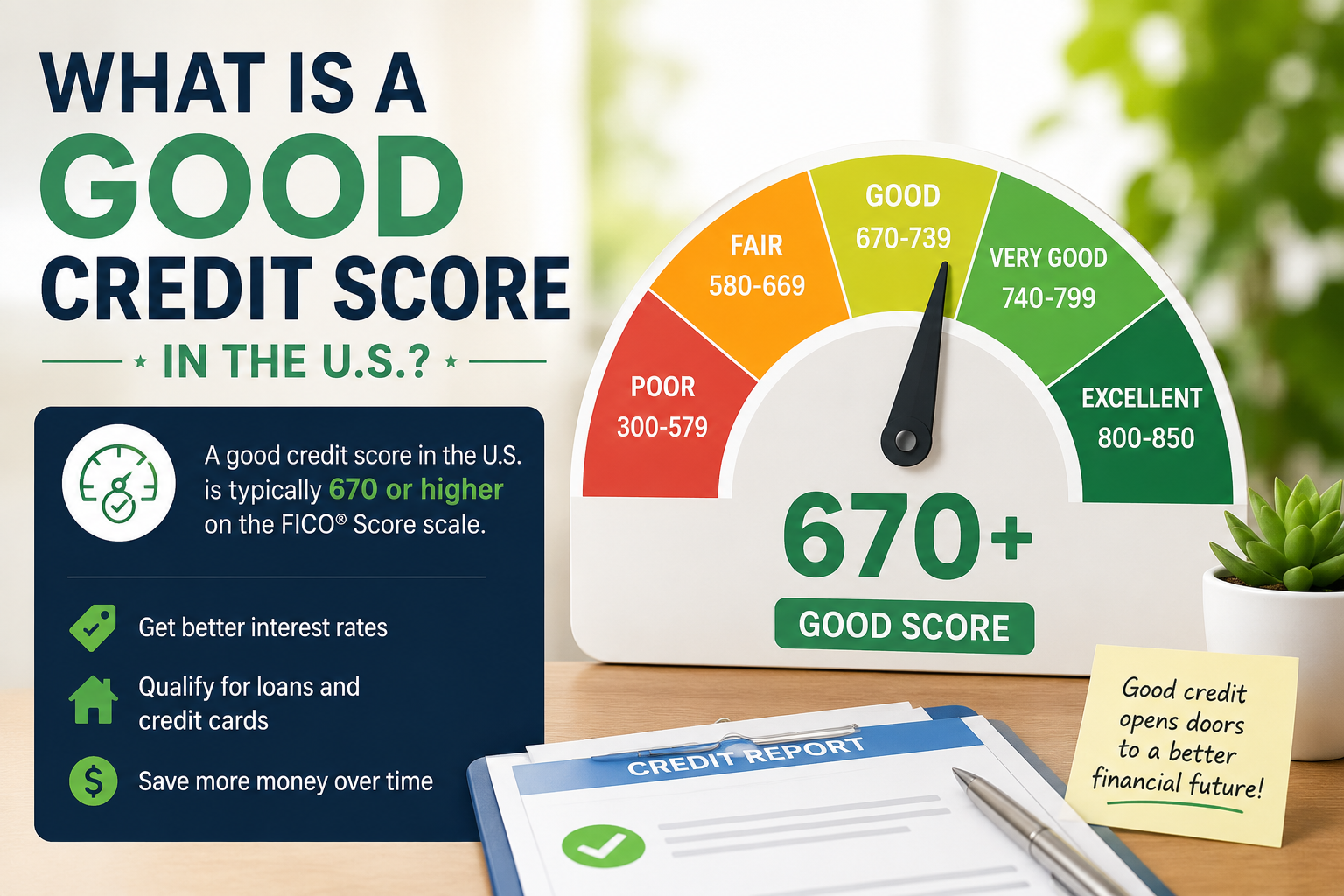





1 thought on “What Is a Soft Inquiry? How Soft Credit Checks Affect Your Credit Score (2026)”
Comments are closed.