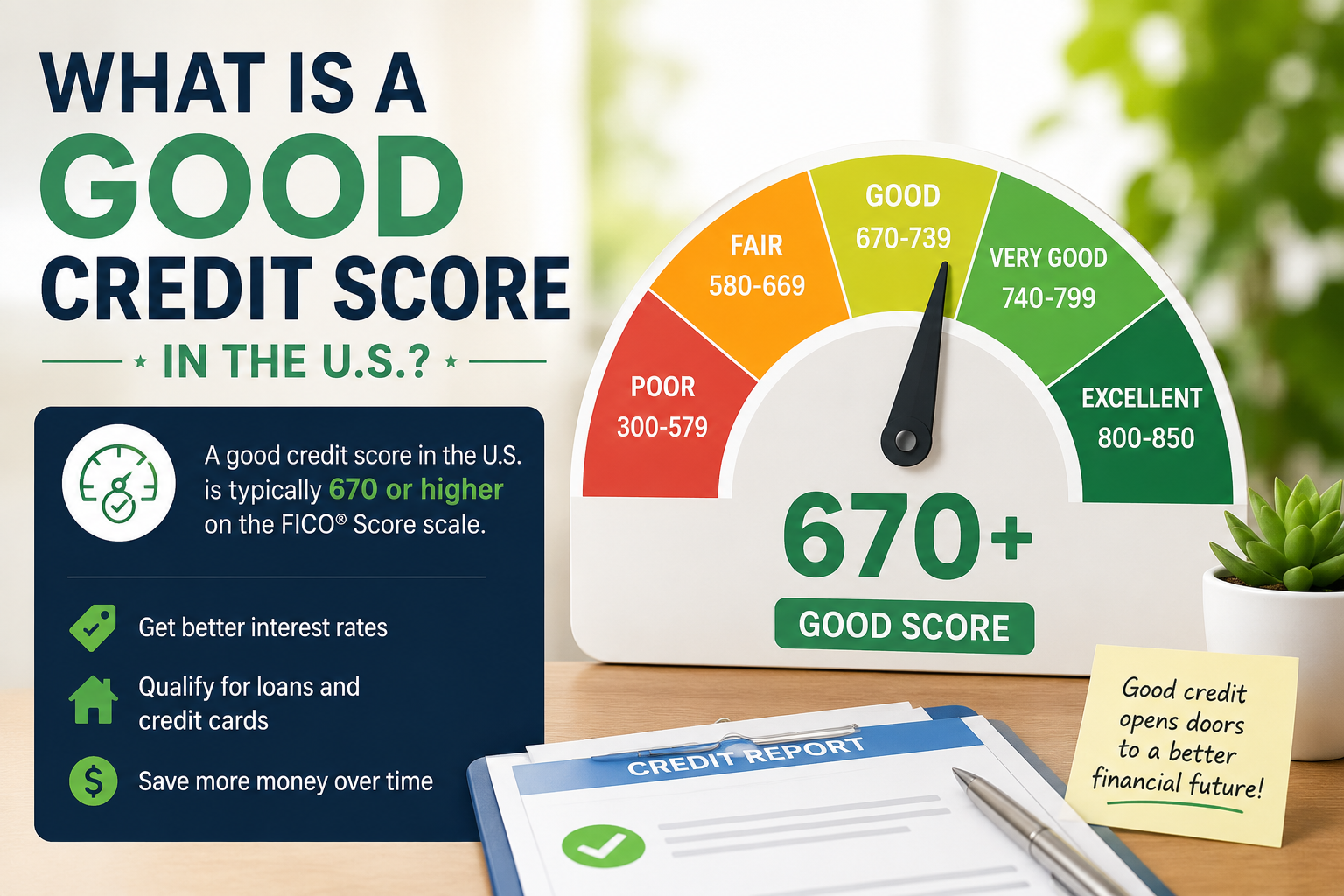
Your credit report is one of the most important financial documents you have, yet it’s also one of the most overlooked.
Many people check their bank accounts regularly, monitor their investments, and review monthly bills, but rarely look at their credit reports. Unfortunately, waiting until you’re applying for a mortgage, auto loan, or credit card to review your credit report can lead to unpleasant surprises.
A credit report contains detailed information about your borrowing history, including your credit accounts, payment history, balances, collections, public records (where applicable), and recent credit inquiries. Lenders, landlords, insurance companies, and even some employers may review this information when making important decisions.
Because so many financial decisions rely on accurate credit information, reviewing your credit report regularly is an important part of maintaining your overall financial health.
One common misunderstanding is that checking your credit report is the same as checking your credit score.
Although they’re closely related, they are not the same thing.
Your credit report is a detailed record of your credit history.
Your credit score is a numerical summary calculated using information from your credit report.
You can think of your credit report as the full financial report card and your credit score as the final grade.
Both are important, but reviewing your report allows you to see the information behind your score.
Regularly monitoring your credit report also helps you identify mistakes that could affect your financial opportunities.
Even though credit reporting systems are designed to be accurate, errors can occur.
For example:
- A payment may be incorrectly reported as late.
- An account that doesn’t belong to you may appear.
- A paid-off loan may still show an outstanding balance.
- Personal information may be inaccurate.
If these mistakes go unnoticed, they could affect future loan applications or require additional time to resolve when you need financing.
Another important reason to review your credit report is to help detect possible identity theft.
If someone opens a credit account using your personal information without permission, your credit report may be one of the first places where that activity appears.
Reviewing your reports regularly can help you identify unfamiliar accounts, unauthorized inquiries, or inaccurate personal information much sooner than if you wait until you apply for credit.
Early detection often makes resolving fraud significantly easier.
Despite these benefits, many consumers rarely review their credit reports.
Some believe they only need to check their reports after being denied credit.
Others assume checking too often will lower their credit score.
Neither belief is accurate.
Reviewing your own credit report is considered a responsible financial habit and does not negatively affect your credit score.
In fact, many financial experts encourage consumers to review their credit reports periodically throughout the year—not only when applying for new credit.
Regular monitoring helps you understand your financial progress, identify potential problems early, and ensure that your credit history accurately reflects your borrowing behavior.
In this guide, you’ll learn how often you should check your credit report, when reviewing it more frequently makes sense, why your credit report differs from your credit score, and how routine monitoring can help protect both your finances and your identity.
Featured Snippet
How often should you check your credit report?
You should review your credit report at least once a year, but checking it every few months can help you detect errors, monitor your financial progress, and identify possible signs of identity theft sooner. Reviewing your own credit report does not lower your credit score.
How Often Should You Check Your Credit Report?
There isn’t a single schedule that works for everyone.
The right frequency depends on your financial situation, your borrowing activity, and whether you’re actively applying for new credit.
However, a good general rule is to review your credit report at least once every year.
An annual review allows you to:
- Verify that your personal information is accurate.
- Confirm your accounts are reported correctly.
- Check payment history.
- Review outstanding balances.
- Identify unfamiliar accounts or inquiries.
- Monitor your overall credit history.
Even if you aren’t planning to borrow money, reviewing your credit report annually can help ensure that your financial information remains accurate.
When More Frequent Monitoring Makes Sense
Although checking your credit report annually is a good starting point, there are many situations where reviewing it more often is beneficial.
For example, you may want to check your credit report every few months if you are:
- Actively building your credit history.
- Recovering from previous credit problems.
- Paying down significant debt.
- Monitoring disputed information.
- Working toward improving your credit profile.
- Concerned about identity theft.
- Managing multiple credit accounts.
More frequent monitoring allows you to track changes over time and confirm that new information is being reported accurately.
It also helps you identify potential issues before they become larger problems.
Check Before Applying for Credit
One of the smartest times to review your credit report is before applying for new credit.
Whether you’re applying for:
- A mortgage
- An auto loan
- A personal loan
- A credit card
- Student financing
reviewing your credit report beforehand gives you an opportunity to verify that everything is accurate.
If you discover incorrect information before submitting your application, you may have time to dispute the error and allow the investigation process to run its course before the lender reviews your credit history.
This preparation can help avoid unnecessary delays during the approval process.
Check After Identity Theft Concerns
If you believe your personal information has been compromised, you should review your credit report as soon as possible.
Warning signs may include:
- Accounts you don’t recognize.
- Credit inquiries you didn’t authorize.
- Incorrect addresses.
- Unexpected loan balances.
- Collection accounts that don’t belong to you.
Promptly reviewing your credit report can help you identify suspicious activity and take appropriate action, such as disputing fraudulent accounts or placing a fraud alert if necessary.
The sooner identity theft is detected, the easier it is often to resolve.
Credit Report vs. Credit Score
Many consumers use these terms interchangeably, but they represent different aspects of your financial profile.
Understanding the difference helps you monitor your credit more effectively.
What Is a Credit Report?
A credit report is a detailed record of your borrowing history.
It may include information such as:
- Personal identifying information.
- Credit accounts.
- Payment history.
- Current balances.
- Credit limits.
- Loan amounts.
- Credit inquiries.
- Collection accounts.
Your credit report tells the story of how you’ve managed credit over time.
What Is a Credit Score?
A credit score is a three-digit number generated from information contained in your credit report.
Credit scoring models analyze information such as:
- Payment history.
- Credit utilization.
- Length of credit history.
- New credit activity.
- Credit mix.
The resulting score helps lenders quickly assess credit risk.
Why They’re Different
Your credit report contains the detailed information.
Your credit score summarizes that information into a single number.
Reviewing only your score tells you where you stand.
Reviewing your credit report explains why.
For example, if your score unexpectedly decreases, your credit report may reveal:
- A newly reported late payment.
- Increased credit card balances.
- A recently opened account.
- An inaccurate collection account.
- A reporting error.
Without reviewing your credit report, understanding those changes becomes much more difficult.
Why You Should Monitor Both
Your credit score and credit report each provide valuable information.
Monitoring both helps you:
- Understand changes in your score.
- Confirm accurate reporting.
- Track your credit-building progress.
- Detect fraud earlier.
- Prepare for future loan applications.
Neither replaces the other.
Together, they provide a more complete picture of your financial health.
Common Misconceptions
Several myths prevent consumers from reviewing their credit reports regularly.
Let’s address a few of the most common.
Myth: Checking my credit report lowers my credit score.
Fact:
Reviewing your own credit report is considered a soft inquiry and generally does not affect your credit score.
Myth: I only need to check my report if I’m applying for a loan.
Fact:
Regular monitoring helps identify errors and suspicious activity before they affect future applications.
Myth: My credit score tells me everything I need to know.
Fact:
Your score summarizes your credit history, but your credit report provides the detailed information behind that number.
Why Checking Your Credit Report Is Important
Reviewing your credit report regularly provides several important benefits.
Spot Reporting Errors
Although credit reporting systems are designed to be accurate, mistakes sometimes happen.
Examples include:
- Incorrect late payments.
- Accounts reported twice.
- Incorrect balances.
- Accounts belonging to someone else.
- Outdated personal information.
Identifying these errors early allows you to dispute them before they create larger problems.
Detect Fraud
Identity theft often appears first on a credit report.
Regular monitoring helps you identify unfamiliar:
- Credit cards.
- Loans.
- Addresses.
- Inquiries.
- Collection accounts.
The earlier fraud is discovered, the sooner corrective action can begin.
Monitor Account Information
Your credit report helps confirm that lenders are reporting information accurately.
You can review:
- Payment history.
- Current balances.
- Account status.
- Credit limits.
- Loan information.
This helps ensure your financial history accurately reflects your borrowing activity.
Track Your Credit-Building Progress
If you’re actively improving your credit, your credit report allows you to monitor your progress over time.
For example, you may observe:
- Older accounts aging.
- Reduced balances.
- Newly reported on-time payments.
- Successfully updated account information.
- Resolved disputes.
Watching these improvements can help you stay motivated while working toward your financial goals.
Prepare for Future Loans
One of the best reasons to review your credit report regularly is preparation.
Whether you’re planning to purchase a home, finance a vehicle, or apply for a credit card, knowing what’s on your credit report before lenders review it gives you greater confidence throughout the application process.
Real-Life Example
Sarah had been saving for several years to purchase her first home. Before applying for a mortgage, she decided to review her credit report to make sure everything was accurate.
While reviewing her report, she noticed that one credit account incorrectly showed a late payment that she knew she had never missed. Because she checked her report before submitting her mortgage application, she had time to dispute the inaccurate information with the credit bureau.
After the investigation confirmed the error, the late payment was removed from her credit report, allowing lenders to evaluate a more accurate picture of her credit history during the mortgage approval process.
Sarah’s experience demonstrates why reviewing your credit report before applying for major financing can help identify and correct errors before they affect important financial decisions.
Key Takeaway
You should review your credit report at least once a year, but checking it every few months can provide additional benefits, especially if you’re building credit, preparing for a major loan, or monitoring for possible identity theft. Unlike checking your credit score, reviewing your own credit report does not lower your credit score.
Your credit report and credit score serve different purposes, and monitoring both helps you better understand your financial health. Regularly reviewing your report allows you to spot reporting errors, detect possible fraud, monitor your credit-building progress, and prepare confidently for future borrowing opportunities.
How Often Should Different People Check Their Credit Reports?
Reviewing your credit report regularly is one of the simplest ways to stay informed about your financial health. However, there isn’t a single schedule that’s appropriate for everyone.
The ideal frequency depends on your financial goals, borrowing activity, and whether you’re actively building or protecting your credit.
Someone who rarely uses credit and isn’t planning any major purchases may not need to review their report as often as someone preparing to buy a home or recovering from identity theft.
The important thing is to establish a routine that helps you identify errors early and keeps you informed about your credit history.
In this section, you’ll learn how often different consumers should review their credit reports, when to check before important financial decisions, how to obtain free credit reports, what information to review every time you check, and why it’s important to review reports from all three major U.S. credit bureaus.
How Often Should Different Consumers Check Their Credit Reports?
Although reviewing your credit report at least once a year is a good general recommendation, certain situations may call for more frequent monitoring.
Let’s look at some common examples.
If You’re Just Starting to Build Credit
If you’ve recently opened your first credit card or loan, reviewing your credit report every few months can help you confirm that your new account is being reported accurately.
You can also verify that:
- Payments are being recorded correctly.
- Your balances are accurate.
- Your personal information is correct.
- No unexpected accounts have appeared.
Building good habits early can help you avoid problems later.
If You’re Actively Improving Your Credit
Consumers who are rebuilding their credit after previous financial difficulties often benefit from checking their reports more regularly.
Monitoring your reports allows you to:
- Confirm that disputed errors have been corrected.
- Track improvements in payment history.
- Verify reduced account balances.
- Watch negative items age over time.
- Ensure lenders are reporting updated information accurately.
Seeing your progress can also provide motivation to continue making responsible financial decisions.
If You’re Preparing for a Major Loan
One of the best times to review your credit report is before applying for financing.
This includes:
- Mortgages
- Auto loans
- Personal loans
- Student loans
- Credit cards
Ideally, review your reports several months before applying whenever possible.
This gives you time to:
- Correct inaccurate information.
- Resolve reporting disputes.
- Pay down outstanding balances if appropriate.
- Address any unexpected issues that could delay approval.
Preparing early can help ensure lenders review the most accurate version of your credit history.
If You’ve Experienced Identity Theft
If you’ve been the victim of identity theft—or suspect someone may have accessed your personal information—you should monitor your credit reports much more closely.
Review your reports for:
- Unknown credit accounts.
- Unauthorized credit inquiries.
- Incorrect addresses.
- Unexpected loan balances.
- Collection accounts you don’t recognize.
Promptly identifying suspicious activity can help limit financial damage and simplify the resolution process.
If You Rarely Use Credit
Even consumers who rarely borrow money should still review their credit reports periodically.
Using little or no credit doesn’t eliminate the possibility of:
- Reporting errors.
- Identity theft.
- Incorrect personal information.
- Fraudulent accounts.
An annual review remains a smart financial habit, regardless of how often you use credit.
When Should You Check Before Major Financial Decisions?
Many consumers wait until after applying for a loan before reviewing their credit report.
Unfortunately, that timing may be too late.
Checking beforehand gives you an opportunity to correct problems before lenders evaluate your application.
Before Buying a Home
Mortgage lenders typically perform detailed reviews of applicants’ credit histories.
Checking your credit report several months before applying allows you to:
- Verify payment history.
- Confirm account balances.
- Correct inaccurate information.
- Resolve disputes before underwriting begins.
Even small reporting errors can create unnecessary delays during the mortgage process.
Before Financing a Vehicle
Auto lenders also review credit reports when evaluating financing applications.
Reviewing your report beforehand allows you to identify any issues that could affect your application or require additional explanation.
Before Applying for a Credit Card
If you’re applying for a rewards card, travel card, or another premium credit product, reviewing your credit report first helps ensure your information is accurate before submitting an application.
Before Applying for a Personal Loan
Personal loan lenders often review your overall credit profile, not just your credit score.
Checking your report beforehand gives you confidence that lenders will see accurate information.
Before Renting an Apartment
Many landlords review applicants’ credit reports.
Reviewing your own report first helps you anticipate questions about your credit history and address any inaccuracies before submitting your rental application.
How Can You Obtain Free Credit Reports?
One of the biggest misconceptions about credit reports is that you must pay to review them.
In reality, U.S. consumers have access to official sources for obtaining their credit reports.
One of the most well-known resources is AnnualCreditReport.com, the official website authorized for eligible free credit reports from the three nationwide credit bureaus.
Depending on current policies and eligibility requirements, consumers may be able to review reports more frequently than once per year.
It’s always a good idea to review the latest availability directly through the official website.
Some financial institutions and credit-monitoring services may also provide access to credit reports or report summaries as part of their customer benefits.
What Should You Review Every Time?
Simply opening your credit report isn’t enough.
Take time to carefully review each section.
Personal Information
Verify that your:
- Name is correct.
- Current address is accurate.
- Previous addresses belong to you.
- Date of birth is correct.
- Other identifying information appears accurate.
Incorrect personal information may not directly affect your credit score, but it can contribute to reporting errors or identity confusion.
Credit Accounts
Review every reported account.
Check:
- Account names.
- Opening dates.
- Current balances.
- Credit limits.
- Account status.
- Payment history.
Make sure every account belongs to you.
Payment History
Look for any late payments that appear inaccurate.
If you believe an account has been reported incorrectly, gather supporting documentation before initiating a dispute.
Credit Inquiries
Review recent inquiries to confirm they resulted from applications you actually submitted.
Unexpected hard inquiries could indicate unauthorized credit activity.
Collections and Public Records
If your report includes collection accounts or other adverse information, review the details carefully to ensure the information is accurate and belongs to you.
Why Should You Check All Three Major Credit Bureaus?
Many consumers assume all three nationwide credit bureaus maintain identical information.
In reality, they often don’t.
Different lenders may report information to:
- One bureau.
- Two bureaus.
- All three bureaus.
As a result, your reports may contain slight differences.
The Three Major U.S. Credit Bureaus
The nationwide consumer credit bureaus are:
- Equifax
- Experian
- TransUnion
Each bureau maintains its own credit file based on information it receives from lenders and other reporting entities.
Why Reports May Differ
Differences can occur because:
- Not every lender reports to every bureau.
- Reporting schedules vary.
- Updates may appear at different times.
- Information may be corrected at one bureau before another.
Reviewing reports from all three bureaus provides the most complete understanding of your credit history.
A More Complete Picture
Suppose a lender reports your new credit card only to one bureau.
If you review just one report, you might mistakenly believe all your information has been updated.
Reviewing reports from all three nationwide bureaus helps ensure:
- Your accounts appear accurately.
- Personal information is consistent.
- Reporting errors are identified quickly.
- Fraudulent activity is easier to detect.
This broader review supports better financial decision-making.
Real-Life Example
Carlos planned to buy his first home within the next year. Six months before applying for a mortgage, he requested his credit reports from all three major credit bureaus.
While reviewing them, he noticed that one bureau incorrectly listed a credit card balance that had already been paid off. The other two reports reflected the correct balance.
Carlos contacted the appropriate credit bureau and the information provider to dispute the inaccurate reporting. After the investigation was completed, the error was corrected before he submitted his mortgage application.
Because he reviewed all three reports early, Carlos avoided potential delays during the home-buying process and ensured lenders evaluated a more accurate picture of his credit history.
Key Takeaway
How often you should review your credit report depends on your financial situation, but checking it at least once a year is a smart habit for most consumers. More frequent reviews may be appropriate if you’re building credit, preparing for a major loan, monitoring a dispute, or responding to possible identity theft.
It’s also important to review reports from Equifax, Experian, and TransUnion, since each credit bureau may receive different information from lenders. Carefully reviewing your personal information, account details, payment history, inquiries, and any collection accounts can help you identify errors, monitor your progress, and protect your financial future.
How to Spot Credit Report Errors and Protect Yourself From Identity Theft
Reviewing your credit report regularly is only valuable if you know what to look for.
Many consumers open their credit reports, glance at their credit score, and assume everything is fine. Unfortunately, important mistakes or signs of fraud can easily go unnoticed if you don’t carefully review the details.
Even though credit bureaus and lenders work to maintain accurate records, errors can still occur. Sometimes they’re simple administrative mistakes. In other cases, they may be early warning signs of identity theft or fraud.
Discovering an error doesn’t necessarily mean someone has stolen your identity, but it does mean you should investigate the issue promptly.
The good news is that federal law gives consumers the right to dispute inaccurate information that appears on their credit reports. Credit bureaus and information providers are required to investigate disputes and correct or remove information that cannot be verified.
In this section, you’ll learn about the most common credit report errors, warning signs of identity theft, how to dispute inaccurate information, how long investigations typically take, and why regular credit report monitoring remains one of the best ways to protect your financial future.
The Most Common Credit Report Errors
Although most credit reports are accurate, mistakes do happen.
Some errors are minor and may have little effect on your financial profile. Others can significantly affect future loan applications if they remain uncorrected.
Understanding what to look for helps you identify problems before they become costly.
Incorrect Personal Information
Start by reviewing your personal details.
Check that your:
- Full name is correct.
- Current address is accurate.
- Previous addresses belong to you.
- Date of birth is correct.
- Social Security Number (where applicable) is accurate.
Minor spelling differences may not affect your credit score, but incorrect identifying information could contribute to reporting mistakes or confusion with another consumer’s credit file.
Accounts That Don’t Belong to You
One of the most important sections of your credit report lists your credit accounts.
Review every account carefully.
Ask yourself:
- Did I open this account?
- Do I recognize this lender?
- Is the loan amount accurate?
- Is the account status correct?
If you discover an unfamiliar account, investigate it immediately.
It could be:
- A reporting error.
- A duplicate account.
- A mixed credit file.
- A sign of identity theft.
Incorrect Payment History
Payment history plays a major role in your credit profile.
Review every reported payment carefully.
Examples of possible errors include:
- An on-time payment reported as late.
- Multiple late payments reported incorrectly.
- A payment showing as missed when it wasn’t.
- An account showing delinquent after it was brought current.
If you have records showing your payments were made on time, keep that documentation in case you need to dispute inaccurate reporting.
Incorrect Account Balances
Your reported balances should reasonably match your actual account statements.
Look for:
- Balances that are too high.
- Accounts that still show outstanding balances after being paid.
- Closed loans that appear active.
- Credit limits reported incorrectly.
Incorrect balances may create an inaccurate picture of your overall borrowing activity.
Duplicate Accounts
Occasionally, the same account may appear more than once.
Duplicate reporting could make it appear that you owe more debt than you actually do.
Review account numbers carefully to determine whether two listings actually represent the same account.
Closed Accounts Reported Incorrectly
If you’ve paid off a loan or closed a credit account, verify that the account status reflects that change accurately.
Some reporting delays are normal, but accounts should eventually show the appropriate status.
Warning Signs of Identity Theft
Identity theft can affect anyone.
Reviewing your credit report regularly helps you identify suspicious activity before it causes more significant financial problems.
Watch for warning signs such as:
Accounts You Don’t Recognize
An unfamiliar credit card, loan, or financing account should never be ignored.
Even if the balance is small, investigate the account immediately.
Unauthorized Credit Inquiries
Your credit report may show recent hard inquiries from lenders.
If you don’t remember applying for credit, an unexpected inquiry could indicate that someone attempted to open an account using your personal information.
Incorrect Addresses
Unexpected addresses on your credit report may indicate reporting errors or unauthorized activity.
Although address changes alone don’t necessarily indicate fraud, they deserve careful review.
Collection Accounts You Don’t Recognize
Unexpected collection accounts should always be investigated.
Sometimes they result from reporting errors.
Other times they may indicate fraudulent accounts opened without your knowledge.
Unexpected Loan Balances
If a loan suddenly appears that you never opened, act promptly.
Contact the appropriate credit bureau and the lender to begin investigating the issue.
How to Dispute Inaccurate Information
If you discover inaccurate information on your credit report, you have the right to dispute it.
The dispute process is designed to help ensure that credit reports remain as accurate as possible.
Step 1: Gather Supporting Information
Before filing a dispute, collect documentation that supports your claim.
Examples may include:
- Payment confirmations.
- Account statements.
- Loan payoff letters.
- Identity documents.
- Correspondence with the lender.
Organized documentation helps explain why you believe the information is inaccurate.
Step 2: Contact the Credit Bureau
You can generally submit disputes directly to the credit bureau reporting the information.
Be prepared to explain:
- Which information is incorrect.
- Why you believe it’s inaccurate.
- What correction you believe should be made.
Provide copies—not original documents—when requested.
Step 3: Contact the Information Provider
In many cases, it’s also helpful to contact the lender or company that originally reported the information.
If they determine the information was reported incorrectly, they may update their records with the credit bureaus.
Step 4: Monitor the Results
After submitting your dispute, continue reviewing your credit reports.
Verify that:
- The investigation has been completed.
- Corrections appear accurately.
- Any remaining issues are addressed if necessary.
Keep copies of all correspondence for your records.
How Long Do Credit Bureau Investigations Take?
The exact timeline depends on the nature of the dispute and the information being investigated.
In many situations, credit bureaus complete investigations within approximately 30 days, although certain circumstances may affect the timing.
During the investigation:
- The credit bureau reviews your dispute.
- The information provider is contacted.
- Supporting documentation is evaluated.
- A determination is made based on the available evidence.
After the investigation concludes, you should receive the results and, if appropriate, an updated credit report reflecting any verified corrections.
Why Ongoing Monitoring Matters
Reviewing your credit report once is helpful.
Reviewing it regularly is even better.
Ongoing monitoring allows you to:
- Identify reporting errors sooner.
- Detect possible identity theft.
- Confirm disputes have been resolved.
- Monitor your credit-building progress.
- Prepare for future loan applications.
Regular monitoring transforms your credit report from a document you only review during emergencies into a valuable financial planning tool.
Make Credit Report Reviews Part of Your Routine
Many people schedule annual physical exams, vehicle maintenance, and financial reviews.
Adding your credit report to that routine can help you stay informed about your financial health.
Whether you review your reports every few months or at least once each year, consistency is one of the most effective ways to protect your credit history.
Real-Life Example
Michael planned to refinance his auto loan to obtain a lower interest rate. Before submitting his application, he reviewed his credit reports from all three major credit bureaus.
While examining one report, he noticed a credit card account that had been reported with two late payments. Michael checked his bank records and confirmed that every payment had actually been made on time.
He gathered copies of his payment confirmations and submitted a dispute to the credit bureau, while also contacting the credit card issuer. After reviewing the documentation, the lender acknowledged the reporting error and updated the account information. The credit bureau then corrected Michael’s credit report.
By reviewing his credit report before applying for refinancing, Michael ensured that lenders evaluated an accurate credit history and avoided unnecessary complications during the loan process.
Key Takeaway
Regularly reviewing your credit report helps you identify reporting errors, detect possible identity theft, and confirm that your financial history is being reported accurately. Common issues such as incorrect personal information, unfamiliar accounts, inaccurate payment history, duplicate accounts, or unexpected balances should be investigated promptly.
If you discover inaccurate information, you have the right to dispute it with the appropriate credit bureau and, when appropriate, the company that reported the information. Many investigations are completed within about 30 days, although timelines can vary depending on the circumstances. Making credit report reviews part of your regular financial routine can help protect your identity, improve the accuracy of your credit history, and prepare you for future borrowing opportunities.
Frequently Asked Questions (FAQs)
1. How often should I check my credit report?
Most consumers should review their credit report at least once a year. Checking every few months may be beneficial if you’re actively building credit, preparing for a major loan, or monitoring for identity theft.
2. Does checking my own credit report lower my credit score?
No. Reviewing your own credit report is considered a soft inquiry and generally does not affect your credit score.
3. What’s the difference between a credit report and a credit score?
A credit report contains detailed information about your credit history, while a credit score is a numerical summary calculated from information in your credit report.
4. Why should I review my credit report regularly?
Regular reviews help you:
- Detect reporting errors.
- Identify possible identity theft.
- Monitor your credit-building progress.
- Prepare for future loan applications.
5. How can I get a free credit report?
Eligible U.S. consumers can obtain free credit reports through AnnualCreditReport.com, the official website authorized for free reports from Equifax, Experian, and TransUnion.
6. Should I check reports from all three credit bureaus?
Yes. Information may differ between Equifax, Experian, and TransUnion because not every lender reports to every bureau.
7. What should I look for when reviewing my credit report?
Review:
- Personal information.
- Credit accounts.
- Payment history.
- Credit inquiries.
- Collection accounts.
- Account balances.
- Account status.
8. How often do credit reports update?
Credit reports update as lenders submit new information. Reporting schedules vary by lender, so updates don’t occur on the same day for every account.
9. Can credit reports contain mistakes?
Yes. Although credit reports are generally accurate, errors can occur. Reviewing your reports regularly helps identify inaccurate information.
10. What if I find an account that doesn’t belong to me?
Contact the appropriate credit bureau and the company that reported the account as soon as possible to begin investigating the issue.
11. How long do credit report disputes usually take?
Many investigations are completed within about 30 days, although the exact timeline depends on the circumstances.
12. Can identity theft appear on my credit report?
Yes. Unauthorized accounts, unfamiliar inquiries, incorrect addresses, or unexpected balances may indicate possible identity theft.
13. Should I check my report before buying a house?
Yes. Reviewing your credit report several months before applying for a mortgage gives you time to correct any inaccuracies.
14. Should I review my report before financing a vehicle?
Yes. Checking beforehand helps ensure lenders evaluate accurate information during the loan application process.
15. Will paying off debt immediately remove it from my credit report?
Paying off debt changes the account status, but accounts generally remain on your credit report according to applicable credit reporting rules.
16. Does reviewing my report improve my credit score?
Reviewing your report doesn’t directly increase your score, but identifying and correcting errors may improve the accuracy of your credit history.
17. Should I monitor my credit report even if I rarely borrow money?
Yes. Identity theft and reporting errors can affect anyone, including people who rarely use credit.
18. Can I dispute inaccurate information?
Yes. Consumers have the right to dispute information they believe is inaccurate with the appropriate credit bureau and, when appropriate, the company that reported it.
19. How often should I monitor my credit while rebuilding credit?
Many consumers rebuilding credit choose to review their reports every few months to monitor progress and verify accurate reporting.
20. What’s the most important habit for protecting my credit?
Regularly reviewing your credit reports, paying bills on time, monitoring your accounts, and responding quickly to errors or suspicious activity are among the most effective ways to protect your financial health.
Myths vs. Facts
| Myth | Fact |
|---|---|
| Checking your own credit report lowers your credit score. | Reviewing your own credit report is generally a soft inquiry and does not affect your credit score. |
| Credit reports never contain mistakes. | Reporting errors can occur, making regular reviews important. |
| Your credit score tells you everything you need to know. | Your credit report provides the detailed information behind your credit score. |
| You only need to review your report when applying for a loan. | Regular monitoring helps detect errors and identity theft before major financial decisions. |
| All three credit bureaus always report identical information. | Reports may differ because lenders don’t always report to every bureau. |
| Identity theft is always obvious. | Fraud often appears first on your credit report before you notice other warning signs. |
| Paying off debt instantly removes it from your report. | Paid accounts may remain on your report according to applicable reporting rules. |
| Monitoring your credit is only important for people with poor credit. | Everyone benefits from reviewing their credit reports regularly. |
30-Day Credit Report Review Plan
Week 1: Review Your Reports
- Obtain your latest credit reports.
- Verify your personal information.
- Check every reported account.
- Look for unfamiliar accounts or inquiries.
Week 2: Review Account Details
- Confirm balances are accurate.
- Review payment history.
- Verify account status.
- Compare information across all three credit bureaus.
Week 3: Resolve Any Problems
- Gather documentation for any inaccuracies.
- Submit disputes if necessary.
- Contact information providers when appropriate.
- Keep copies of all correspondence.
Week 4: Build a Monitoring Routine
- Schedule your next credit report review.
- Continue monitoring your credit score.
- Review your financial goals.
- Maintain responsible credit habits.
Beginner-Friendly Checklist
✔ Review your credit reports at least annually.
✔ Check reports from all three major credit bureaus.
✔ Verify your personal information.
✔ Review every reported account.
✔ Look for unfamiliar inquiries.
✔ Monitor payment history.
✔ Dispute inaccurate information promptly.
✔ Keep records of disputes.
✔ Monitor your credit score separately.
✔ Make credit report reviews part of your annual financial routine.
When Should You Seek Professional Financial Advice?
Consider speaking with a qualified financial professional or a reputable nonprofit credit counseling agency if you:
- Believe you’ve become a victim of identity theft.
- Need help resolving complex credit report issues.
- Are overwhelmed by debt.
- Need assistance preparing for a mortgage or other major loan.
- Require personalized financial guidance based on your circumstances.
Professional advice can help you understand your options and create a strategy tailored to your financial goals.
Continue Learning With Clear Money Steps
Continue expanding your financial knowledge with these related guides:
- What Is a Credit Score?
- Credit Score vs. Credit Report
- How to Read Your Credit Report
- How to Check Your Credit Score
- Does Checking Your Credit Score Hurt It?
- How Often Does Your Credit Score Update?
- How to Dispute an Error on Your Credit Report
- How to Build Credit From Scratch
- FICO® Score vs. VantageScore®
- What Is a Good Credit Score?
These guides provide additional information to help you understand your credit history, improve your financial knowledge, and make informed borrowing decisions.
Trusted U.S. Resources
For reliable and up-to-date information, consult these trusted organizations:
- Consumer Financial Protection Bureau (CFPB) – Consumer education on credit reports, credit scores, loans, and financial rights.
- AnnualCreditReport.com – The official website for eligible free credit reports from Equifax, Experian, and TransUnion.
- myFICO® – Official educational resources about FICO® Scores and the factors that influence them.
- VantageScore® – Information about VantageScore® models and how they calculate credit scores.
- Federal Trade Commission (FTC) – Guidance on identity theft, fraud prevention, and consumer protection.
Financial Disclaimer
The information in this article is provided for educational and informational purposes only and should not be considered financial, legal, tax, or credit advice. Credit reporting practices, lending requirements, and financial products vary by lender and individual circumstances. Before making important financial decisions, consult a qualified financial professional or your financial institution if you need advice tailored to your situation.
Conclusion
Reviewing your credit report regularly is one of the simplest and most effective ways to protect your financial health. By checking your reports at least once a year—and more frequently when building credit, preparing for a major loan, or monitoring for identity theft—you can identify reporting errors, verify account information, and detect suspicious activity before it creates larger problems.
Remember that your credit report and credit score serve different purposes. Your score provides a snapshot of your creditworthiness, while your credit report tells the complete story behind that number. Monitoring both gives you a more complete understanding of your financial profile and helps you make informed borrowing decisions.
At Clear Money Steps, we’re committed to providing accurate, easy-to-understand financial education based on trusted U.S. consumer credit information. Our content is reviewed regularly to help ensure it remains current, reliable, and useful for readers at every stage of their financial journey.
Whether you’re applying for your first credit card, preparing for a mortgage, rebuilding your credit, or simply protecting your financial future, regularly reviewing your credit report is a habit that can pay dividends for years to come.
Table of Contents

Blessing Thagisa is a personal finance writer and researcher at Clear Money Steps, specializing in credit scores, credit reports, loans, budgeting, and consumer financial education. He is passionate about making complex financial topics easy to understand through accurate, practical, and well-researched guides. His goal is to help readers build strong financial habits, improve their credit, and make confident money decisions with clear, trustworthy information.