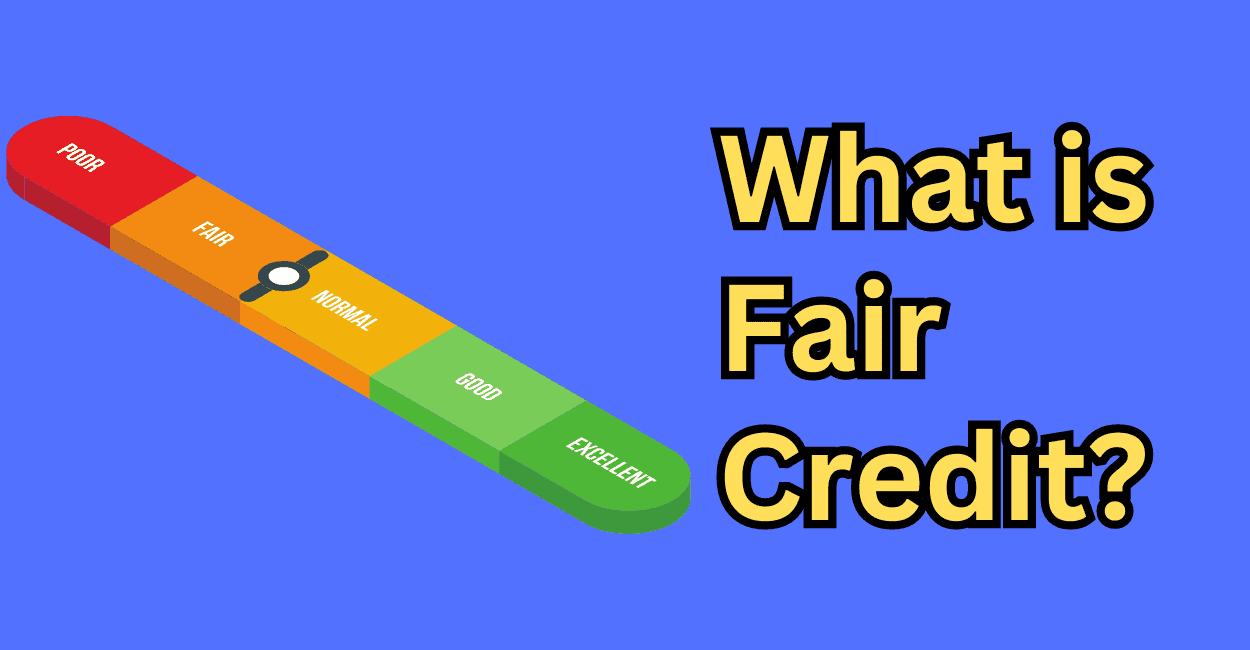
Understanding a Fair Credit Score
Many Americans fall into the fair credit range, yet they often wonder what that means for their financial future. Is a fair credit score considered good? Can you qualify for a mortgage or auto loan? Will lenders approve your credit card application?
The answer is encouraging: a fair credit score is not the end of your credit journey—it’s often the beginning of moving toward stronger financial opportunities.
While borrowers with fair credit may not receive the best interest rates or premium financial products, they are generally in a better position than those with poor credit. With responsible financial habits, many people improve from fair credit to good or even excellent credit over time.
In this guide, you’ll learn what a fair credit score is, how the FICO® Score and VantageScore® models define it, what lenders think about fair credit, and how it compares to poor and good credit.
Quick Answer (Featured Snippet)
A fair credit score generally falls between 580 and 669 under the FICO® Score model and 601 to 660 under VantageScore® 4.0. Borrowers with fair credit may qualify for many loans and credit cards, although they may receive higher interest rates or fewer choices than applicants with good or excellent credit. Improving payment history and keeping credit card balances low can help move a fair credit score into the good range.
What Is a Fair Credit Score?
A fair credit score is a credit rating that sits between poor credit and good credit.
It suggests that you have established some credit history but may still have factors that lenders view as increasing borrowing risk. These factors could include previous late payments, higher credit card balances, a limited credit history, or other information found in your credit reports.
Having a fair credit score does not mean you have bad credit. Instead, it means there is room for improvement before reaching the good or excellent credit ranges.
Many people with fair credit can still:
- Qualify for personal loans
- Obtain auto financing
- Receive credit card approvals
- Rent apartments
- Qualify for certain mortgage programs
However, they may not always receive the lowest available interest rates or the most competitive financial products.
The good news is that fair credit is often much easier to improve than rebuilding from a poor credit score. Consistently making on-time payments and managing debt responsibly can gradually strengthen your credit profile.
FICO® Fair Credit Score Range
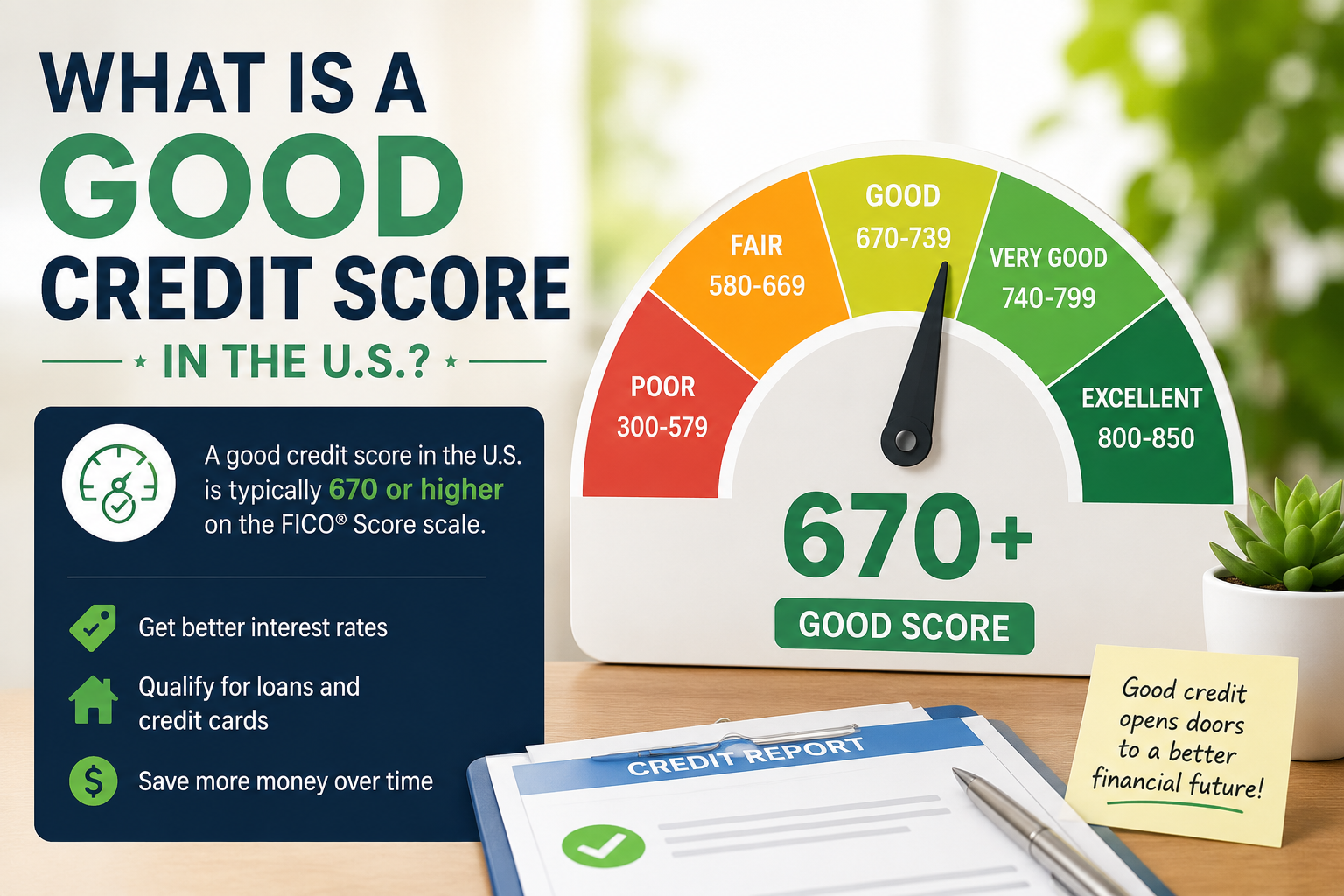
The FICO® Score is the most widely used credit-scoring model in the United States.
Its standard score ranges are:
| FICO® Score | Rating |
|---|---|
| 300–579 | Poor |
| 580–669 | Fair |
| 670–739 | Good |
| 740–799 | Very Good |
| 800–850 | Exceptional |
If your FICO® Score falls between 580 and 669, lenders generally view your credit profile as presenting a moderate level of lending risk.
Compared with borrowers who have poor credit, you may have more borrowing opportunities. However, you may still pay higher interest rates than someone with a good or excellent credit score.
VantageScore® Fair Credit Score Range
VantageScore® uses slightly different score categories.
Its standard ranges are:
| VantageScore® | Rating |
|---|---|
| 300–499 | Very Poor |
| 500–600 | Poor |
| 601–660 | Fair |
| 661–780 | Good |
| 781–850 | Excellent |
Under VantageScore®, scores between 601 and 660 are considered fair.
Although the categories differ slightly from FICO®, both scoring models evaluate similar information, including:
- Payment history
- Credit utilization
- Length of credit history
- Recent credit activity
- Types of credit accounts
Because lenders may use different scoring models, it’s common to see slightly different scores depending on where you check your credit.
What Does a Fair Credit Score Mean?
A fair credit score indicates that your credit history is generally acceptable but still has room for improvement.
From a lender’s perspective, you may represent less risk than someone with poor credit, but more risk than borrowers with good or excellent credit.
A fair credit score often means:
- You may qualify for many loans and credit cards.
- Interest rates may be higher than those offered to borrowers with stronger credit.
- You may receive lower credit limits initially.
- Some premium financial products may be unavailable until your score improves.
- Responsible financial habits can continue to strengthen your credit profile.
Remember that your credit score is only one factor lenders consider. They may also review:
- Income
- Employment history
- Existing debt
- Debt-to-income ratio
- Savings and assets
- Down payment (for mortgages)
A fair credit score can still support many financial goals, particularly when combined with a strong overall financial profile.
Fair vs. Poor vs. Good Credit Scores
The table below compares the most common FICO® Score categories.
| Credit Rating | FICO® Score Range | General Lending Outlook |
|---|---|---|
| Poor | 300–579 | Borrowing may be more difficult, and approved loans often carry higher interest rates. |
| Fair | 580–669 | Many loans and credit cards may be available, although terms may not be as competitive as those offered to borrowers with higher scores. |
| Good | 670–739 | Borrowers generally qualify for a wider range of financial products with more favorable interest rates and terms, depending on their overall financial profile. |
As your score moves from poor to fair and then to good, lenders generally view your credit history more favorably. This often results in more borrowing options and better loan terms.
Why Lenders View Fair Credit Differently
Lenders use credit scores to estimate the likelihood that borrowers will repay money on time.
A fair credit score suggests that you’ve established a credit history but may still have some risk factors that lenders consider during the approval process.
Compared with borrowers who have poor credit, someone with fair credit may be viewed more favorably because they may have:
- Fewer missed payments
- Lower overall debt
- More established credit history
- Better account management
However, lenders may still exercise caution because a fair credit score can indicate past financial challenges or a shorter track record of responsible credit use.
As a result, borrowers with fair credit may receive:
- Higher interest rates than borrowers with good credit
- Lower starting credit limits
- Fewer premium credit card offers
- Additional documentation during loan applications
Every lender uses its own underwriting standards, so approval decisions vary. Some lenders place greater emphasis on income, employment stability, debt-to-income ratio, or savings than on credit scores alone.
Key Takeaway
A fair credit score generally falls between 580 and 669 under the FICO® Score model and 601 to 660 under VantageScore® 4.0. It indicates that your credit history is acceptable but still has room for improvement. While borrowers with fair credit may qualify for many loans and credit cards, they may pay higher interest rates or have fewer borrowing options than those with good or excellent credit. By making on-time payments, keeping credit card balances low, and managing credit responsibly, many consumers successfully move from fair credit into the good credit range over time.
What Can You Do With a Fair Credit Score?
A fair credit score opens more financial opportunities than a poor credit score, but it may not provide access to the best borrowing terms available.
Many lenders consider borrowers with fair credit to present a moderate level of lending risk. As a result, you may qualify for a wide range of financial products, although you might receive higher interest rates, lower credit limits, or additional requirements compared to applicants with good or excellent credit.
The good news is that fair credit provides a solid foundation for improving your financial position. By continuing to build positive credit habits, you may qualify for better rates and more competitive financial products over time.
Let’s explore what you can realistically expect with a fair credit score.
Personal Loans
Many banks, credit unions, and online lenders offer personal loans to borrowers with fair credit.
Approval depends on several factors, including:
- Your credit score
- Income
- Employment history
- Existing debt
- Debt-to-income ratio
With fair credit, you may:
- Qualify for smaller or moderate loan amounts.
- Receive higher interest rates than borrowers with stronger credit.
- Be asked to provide additional financial documentation.
Shopping around and comparing offers from multiple lenders can help you find the most suitable loan for your circumstances.
Credit Cards
Having a fair credit score often increases your chances of qualifying for credit cards.
Depending on the issuer, you may qualify for:
- Traditional unsecured credit cards
- Student credit cards (if eligible)
- Secured credit cards
- Credit cards designed specifically for fair credit
However, you may notice:
- Lower starting credit limits
- Fewer premium rewards
- Higher annual percentage rates (APRs)
Using your credit card responsibly—by paying on time and keeping balances low—can help strengthen your credit profile over time.
Auto Loans
Many people with fair credit successfully finance vehicles.
Compared with borrowers who have poor credit, applicants with fair credit often have:
- More financing options
- Better approval odds
- More competitive interest rates
However, borrowers with good or excellent credit may still receive lower interest rates and more favorable loan terms.
Before choosing a lender, compare:
- Interest rates
- Loan terms
- Monthly payments
- Total borrowing costs
Even a small difference in interest rates can significantly affect the total amount you repay over several years.
Mortgages
A fair credit score does not automatically prevent you from buying a home.
Many mortgage lenders evaluate more than just your credit score.
They also consider:
- Income
- Employment stability
- Down payment
- Debt-to-income ratio
- Savings
- Overall financial profile
With fair credit, you may:
- Qualify for certain mortgage programs.
- Be required to make a larger down payment.
- Receive a higher mortgage interest rate than borrowers with stronger credit.
Every lender has different underwriting standards, so comparing multiple mortgage offers is often worthwhile.
Renting an Apartment
Many landlords review credit reports during the rental application process.
Having fair credit may improve your rental prospects compared to having poor credit.
Some landlords may still request:
- Proof of income
- Employment verification
- References
- A security deposit
Rental approval depends on each landlord’s screening policies, and many property owners consider your overall financial history rather than relying solely on your credit score.
Insurance Premiums (Where Permitted)
In some U.S. states, insurers may use credit-based insurance scores when pricing certain insurance policies.
These scores differ from traditional credit scores but may be based on information found in your credit reports.
Depending on state law and the insurer’s underwriting practices, your credit history may influence premiums for:
- Auto insurance
- Homeowners insurance
Not every insurer uses credit-based insurance scores, and several states restrict or prohibit their use for certain insurance decisions.
Employment Background Checks (Where Applicable)
Some employers may review a version of your credit report during the hiring process for positions involving financial responsibilities or access to sensitive financial information.
However:
- Employers do not receive your credit score.
- They generally must obtain your written permission before reviewing your credit report.
- Federal and state laws regulate when and how employers may use this information.
For most jobs, your credit score alone is not the deciding factor in hiring decisions.
Advantages of Having Fair Credit
Although fair credit is not considered ideal, it offers several advantages compared with poor credit.
These may include:
- Better approval chances for loans and credit cards.
- Access to more lenders.
- Improved borrowing opportunities.
- Greater ability to continue building positive credit history.
- A realistic path toward qualifying for better financial products.
Many borrowers move from fair credit to good credit by consistently practicing responsible financial habits.
Limitations of Fair Credit
A fair credit score may also present some challenges.
You could experience:
- Higher interest rates than borrowers with good credit.
- Lower initial credit limits.
- Fewer premium rewards credit cards.
- More limited loan choices.
- Additional documentation during some loan applications.
These limitations often become less significant as your credit score improves.
Real-Life Example
Sophia has a FICO® Score of 640.
She decides to:
- Apply for an auto loan.
- Open a new credit card.
- Rent a new apartment.
She qualifies for the auto loan but receives a higher interest rate than applicants with good credit.
A credit card issuer approves her application with a moderate credit limit.
The landlord reviews her credit report but also considers her stable employment and positive rental history before approving her lease.
Sophia’s experience shows that fair credit can still provide access to many financial opportunities, even if the terms are not always the most competitive.
Common Myths About Fair Credit
Myth 1: Fair credit is the same as bad credit.
Fact: Fair credit is generally viewed more favorably than poor credit and often provides access to a broader range of financial products.
Myth 2: You cannot qualify for a mortgage with fair credit.
Fact: Many borrowers with fair credit successfully qualify for mortgages, although interest rates and loan terms may differ.
Myth 3: You’ll never improve beyond fair credit.
Fact: Many consumers move from fair credit to good or excellent credit through consistent responsible financial habits.
Myth 4: A fair credit score guarantees loan approval.
Fact: Lenders evaluate many factors beyond your credit score, including income, debt, employment history, and overall financial profile.
How Fair Credit Can Influence Borrowing Costs
Your credit score can influence the cost of borrowing.
Generally, borrowers with stronger credit profiles may qualify for:
- Lower interest rates
- Higher credit limits
- More flexible repayment terms
- A wider selection of financial products
Borrowers with fair credit may still qualify for financing, but they may pay more in interest over the life of a loan than someone with good or excellent credit.
Improving your credit score can increase your chances of receiving more competitive loan offers in the future.
Key Takeaway
A fair credit score gives you access to many important financial opportunities, including personal loans, auto financing, credit cards, rental housing, and even certain mortgage programs. While you may not always qualify for the lowest interest rates or premium financial products, fair credit places you in a stronger position than poor credit. As your credit profile improves, you may unlock more borrowing options, better loan terms, and lower borrowing costs.
How to Improve a Fair Credit Score
A fair credit score is often a sign that you’re moving in the right direction—but there’s still room for improvement.
The difference between a fair credit score and a good credit score can have a meaningful impact on your financial life. A higher score may increase your chances of qualifying for lower interest rates, higher credit limits, and more competitive loan offers.
The good news is that many people with fair credit can improve their scores by making consistent, responsible financial decisions. Rather than searching for quick fixes, focus on building habits that strengthen your credit profile over time.
Here are the most effective strategies for moving from fair credit to good—or even excellent—credit.
1. Continue Paying Every Bill on Time
Your payment history plays one of the biggest roles in your credit profile.
Even if your credit score has already improved to the fair range, missing future payments can slow or reverse your progress.
Make it a priority to pay every bill by its due date, including:
- Credit cards
- Personal loans
- Auto loans
- Student loans
- Mortgages
- Other eligible credit accounts
Helpful ways to stay on track include:
- Setting up automatic payments.
- Using calendar reminders.
- Paying at least the minimum amount due.
- Creating a monthly budget.
Consistent on-time payments help demonstrate responsible borrowing behavior to lenders.
2. Lower Your Credit Utilization
Credit utilization refers to how much of your available revolving credit you’re using.
For example:
- Credit limit: $10,000
- Current balance: $2,000
Your utilization is 20%.
Many financial experts suggest keeping credit utilization below 30%, and even lower utilization may benefit your credit profile.
Ways to reduce utilization include:
- Paying down credit card balances.
- Making multiple payments throughout the month if appropriate.
- Avoiding unnecessary credit card purchases.
- Using only the credit you truly need.
Lower utilization generally reflects responsible credit management.
3. Keep Older Credit Accounts Open
The age of your credit accounts contributes to your overall credit history.
Closing an older credit card account may reduce your available credit and shorten the average age of your accounts over time.
If an older account has:
- No annual fee
- A positive payment history
- Responsible use
keeping it open may support your long-term credit profile.
Before closing any account, consider how it may affect your overall financial situation.
4. Limit New Hard Inquiries
Every time you formally apply for certain types of credit, the lender may perform a hard inquiry.
Occasional hard inquiries are normal.
However, applying for multiple credit cards or loans within a short period may signal increased borrowing risk to some lenders.
Instead:
- Apply only when necessary.
- Compare financial products before submitting applications.
- Research eligibility requirements in advance.
Responsible borrowing helps maintain steady credit improvement.
5. Review Your Credit Reports Regularly
Monitoring your credit reports allows you to identify problems before they become larger issues.
Review your reports for:
- Incorrect personal information
- Accounts you don’t recognize
- Incorrect balances
- Missing payments that were actually made
- Duplicate accounts
- Signs of identity theft
Regular monitoring helps ensure your credit history remains accurate.
6. Dispute Errors Promptly
Mistakes can happen.
If you discover inaccurate information on your credit report, submit a dispute with the appropriate credit bureau.
Examples include:
- Incorrect late payments
- Accounts that don’t belong to you
- Incorrect balances
- Duplicate accounts
- Fraudulent activity
Correcting inaccurate information helps ensure lenders evaluate your credit based on accurate records.
7. Increase Available Credit Responsibly
If your financial situation has improved, you may consider requesting a credit limit increase from your credit card issuer.
A higher credit limit can reduce your credit utilization ratio if your spending remains the same.
For example:
- Old limit: $5,000
- Balance: $1,000
- Utilization: 20%
If your limit increases to $10,000 while your balance stays at $1,000, your utilization drops to 10%.
Only request higher limits if you can continue managing credit responsibly and avoid increasing your spending simply because more credit is available.
8. Build a Longer Credit History
A longer history of responsible credit management can strengthen your overall credit profile.
Continue demonstrating positive financial habits by:
- Paying accounts on time.
- Keeping balances manageable.
- Avoiding unnecessary account closures.
- Using credit responsibly.
Over time, your growing credit history can improve lenders’ confidence in your ability to manage debt.
How Long Does It Take to Reach a Good Credit Score?
There is no guaranteed timeline.
How quickly you move from fair credit to good credit depends on factors such as:
- Your current score
- Payment history
- Credit utilization
- Existing debt
- Age of accounts
- Recent credit activity
Some consumers notice gradual improvement within several months, while others may take longer depending on their financial circumstances.
The most important factor is maintaining consistent positive financial behavior.
Common Mistakes to Avoid
Avoiding these common mistakes can help you continue improving your credit.
Missing Payments
Even one late payment may negatively affect your credit profile.
Carrying High Credit Card Balances
High balances can increase your credit utilization and make lenders view your credit profile less favorably.
Applying for Too Much Credit
Multiple applications within a short period may result in several hard inquiries.
Ignoring Your Credit Reports
Failing to review your reports could allow mistakes or identity theft to go unnoticed.
Closing Old Accounts Too Quickly
Older accounts often contribute to the length of your credit history.
Falling for Credit Repair Scams
Be cautious of companies promising:
- Instant credit repair.
- Guaranteed score increases.
- Removal of accurate negative information.
- Guaranteed loan approvals.
Improving credit responsibly takes time and consistent financial habits.
Create a Long-Term Credit Improvement Plan
Moving from fair credit to good or excellent credit is usually the result of small, consistent improvements rather than dramatic changes.
A simple monthly plan could include:
- Paying every bill on time.
- Keeping credit utilization low.
- Monitoring your credit reports.
- Limiting unnecessary borrowing.
- Building emergency savings.
- Reviewing your financial goals regularly.
By repeating these habits month after month, you gradually build a stronger credit profile.
Real-Life Example
James has a FICO® Score of 635.
His goal is to qualify for a lower-interest auto loan within the next year.
He creates a plan to:
- Pay every bill before the due date.
- Reduce his credit card balances.
- Review his credit reports every few months.
- Avoid opening unnecessary new accounts.
- Keep using his oldest credit card responsibly.
Over time, these positive habits help strengthen his credit profile and improve his borrowing opportunities.
When Professional Financial Guidance May Help
Many people improve their credit on their own.
However, professional guidance may be helpful if you:
- Are struggling with debt.
- Have multiple accounts in collections.
- Need help creating a repayment strategy.
- Are considering bankruptcy.
- Have complex credit report errors.
- Are recovering from identity theft.
A reputable nonprofit credit counseling agency can help you understand your options and develop a realistic financial plan.
Key Takeaway
Improving a fair credit score is about building consistency rather than seeking quick fixes. Paying every bill on time, keeping credit utilization low, maintaining older credit accounts, reviewing your credit reports, disputing inaccuracies, and avoiding unnecessary hard inquiries are all practical steps that can strengthen your credit profile over time. As your score improves, you may qualify for better loan terms, lower interest rates, higher credit limits, and a wider range of financial products.
Frequently Asked Questions About Fair Credit Scores
1. What is considered a fair credit score?
A fair credit score generally falls between 580 and 669 under the FICO® Score model and 601 to 660 under VantageScore® 4.0.
2. Is a fair credit score good?
A fair credit score is better than a poor credit score but falls below the good credit range. It can qualify you for many financial products, although you may not receive the lowest interest rates.
3. Can I get a loan with a fair credit score?
Yes. Many banks, credit unions, and online lenders approve borrowers with fair credit. Approval depends on factors such as your income, debt-to-income ratio, employment history, and overall financial profile.
4. Can I get a mortgage with fair credit?
Yes. Many borrowers with fair credit qualify for mortgages. However, you may receive a higher interest rate or need a larger down payment than someone with a higher credit score.
5. Can I finance a car with fair credit?
Yes. Auto lenders frequently approve borrowers with fair credit, although the interest rate and loan terms may be less favorable than those offered to applicants with good or excellent credit.
6. Can I get a credit card with fair credit?
Yes. Many credit card issuers offer products specifically designed for consumers with fair credit. Some cards may include modest rewards and lower credit limits.
7. Does checking my credit score hurt it?
No. Checking your own credit score creates a soft inquiry, which does not affect your credit score.
8. Can I improve a fair credit score?
Absolutely. Paying bills on time, lowering credit card balances, reviewing your credit reports, and using credit responsibly can help improve your score over time.
9. How long does it take to move from fair to good credit?
There is no guaranteed timeline. The amount of time depends on your payment history, debt levels, credit utilization, and other information in your credit reports. Many consumers see gradual improvement by maintaining consistent financial habits.
10. What causes a fair credit score?
A fair credit score may result from:
- Previous late payments
- Higher credit card balances
- Limited credit history
- Recent credit applications
- Past financial difficulties
Every credit profile is different.
11. Will paying off credit cards improve my score?
Reducing credit card balances may improve your credit profile, especially if it lowers your credit utilization.
12. Does income affect my credit score?
No. Your income is not included in credit score calculations. However, lenders may consider your income separately when reviewing loan applications.
13. Should I close old credit cards?
Not necessarily. Older accounts may contribute to the length of your credit history. Closing an account may affect your available credit and overall credit profile.
14. Can fair credit become excellent credit?
Yes. Many people gradually improve from fair credit to good and eventually excellent credit through responsible borrowing and consistent financial habits.
15. Is fair credit enough to rent an apartment?
Often, yes. Many landlords consider applicants with fair credit, although they may also review income, rental history, employment, and references.
16. How often should I check my credit reports?
Reviewing your credit reports at least several times each year can help you identify errors, monitor your progress, and detect potential identity theft.
17. Does having fair credit mean lenders will approve me?
No. A fair credit score improves your chances compared with poor credit, but lenders consider many additional factors before making approval decisions.
18. Can identity theft affect my credit score?
Yes. Fraudulent accounts and unauthorized activity may damage your credit profile if not reported and resolved promptly.
19. Should I apply for multiple credit cards to improve my score?
Generally, no. Applying for several credit accounts within a short period may result in multiple hard inquiries and could temporarily affect your credit profile.
20. Is fair credit permanent?
No.
Credit scores change over time. Responsible financial habits can help move a fair credit score into the good or excellent range.
Myths vs. Facts
| Myth | Fact |
|---|---|
| Fair credit is the same as bad credit. | Fair credit is generally viewed more favorably than poor credit and often provides access to more financial products. |
| You can’t buy a home with fair credit. | Many borrowers with fair credit qualify for mortgages, although terms may differ. |
| Fair credit guarantees loan approval. | Lenders also review income, debt, employment history, and other financial factors. |
| Checking your own credit score lowers it. | Personal credit checks are soft inquiries and do not affect your score. |
| You can improve your credit overnight. | Building stronger credit usually requires consistent positive financial habits over time. |
| Closing old credit cards always improves credit. | Closing accounts may reduce available credit and affect your credit history. |
| Paying only the minimum balance is always enough to improve credit. | Making payments on time is important, but reducing outstanding balances can also strengthen your credit profile. |
| Once you reach fair credit, there’s no reason to keep improving. | Moving into the good or excellent range may help you qualify for lower interest rates and better financial products. |
Your 30-Day Fair Credit Improvement Plan
Week 1
✅ Obtain and review your credit reports.
✅ Identify any reporting errors.
✅ List all outstanding debts and payment due dates.
Week 2
✅ Pay every bill on time.
✅ Set up automatic payments or reminders.
✅ Create or update your monthly budget.
Week 3
✅ Reduce your credit card balances if possible.
✅ Keep your credit utilization as low as you reasonably can.
✅ Avoid applying for unnecessary new credit.
Week 4
✅ Review your progress.
✅ Continue monitoring your credit responsibly.
✅ Set realistic financial goals for the next three to six months.
✅ Celebrate positive financial habits—not just changes in your credit score.
Beginner Checklist
Before moving on, make sure you can answer Yes to the following:
✔ I understand what a fair credit score is.
✔ I know the FICO® and VantageScore® fair credit ranges.
✔ I understand how lenders generally view fair credit.
✔ I know which financial products I may qualify for.
✔ I understand how to improve my credit score responsibly.
✔ I know how to keep my credit utilization low.
✔ I understand the importance of reviewing my credit reports.
✔ I know that improving credit requires consistency and patience.
Financial Information Disclaimer
The information provided in this article is for educational purposes only and should not be considered financial, legal, tax, or credit advice. Individual financial situations vary, and lending decisions depend on many factors beyond your credit score. Before making major financial decisions, consider consulting a qualified financial professional or a reputable nonprofit credit counselor.
When Professional Help May Be Appropriate
You may benefit from professional guidance if you:
- Are struggling to manage debt.
- Have accounts in collections.
- Need help creating a realistic repayment plan.
- Believe your identity has been stolen.
- Are considering bankruptcy.
- Have complex credit report disputes.
A reputable nonprofit credit counseling agency can help you understand your options and develop a personalized plan.
Continue Learning
You may also find these guides helpful:
- What Is a Credit Score? A Complete Beginner’s Guide
- What Is a Poor Credit Score?
- What Is a Good Credit Score in the United States?
- What Is an Excellent Credit Score?
- How Credit Scores Are Calculated
- FICO® Score vs. VantageScore®: What Is the Difference?
- How to Improve Your Credit Score
- How to Build Credit From Scratch
- How to Check Your Credit Score
- How to Get Your Free Credit Reports
- How to Dispute an Error on Your Credit Report
- What Is Credit Utilization?
Editorial Review
Reviewed for accuracy: July 2026
Written for: U.S. consumers seeking to understand fair credit scores and improve their financial health.
Reading level: Beginner-friendly
Editorial standards: This guide is based on publicly available information from official U.S. government agencies and recognized credit-scoring organizations. It is reviewed periodically to keep information current and accurate.
Official Sources
This article is informed by guidance from:
- Consumer Financial Protection Bureau (CFPB)
- Federal Trade Commission (FTC)
- AnnualCreditReport.com
- myFICO®
- VantageScore®
Table of Contents

Blessing Thagisa is a personal finance writer and researcher at Clear Money Steps, specializing in credit scores, credit reports, loans, budgeting, and consumer financial education. He is passionate about making complex financial topics easy to understand through accurate, practical, and well-researched guides. His goal is to help readers build strong financial habits, improve their credit, and make confident money decisions with clear, trustworthy information.




1 thought on “What Is a Fair Credit Score? Meaning, Benefits & How to Improve It (2026)”
Comments are closed.