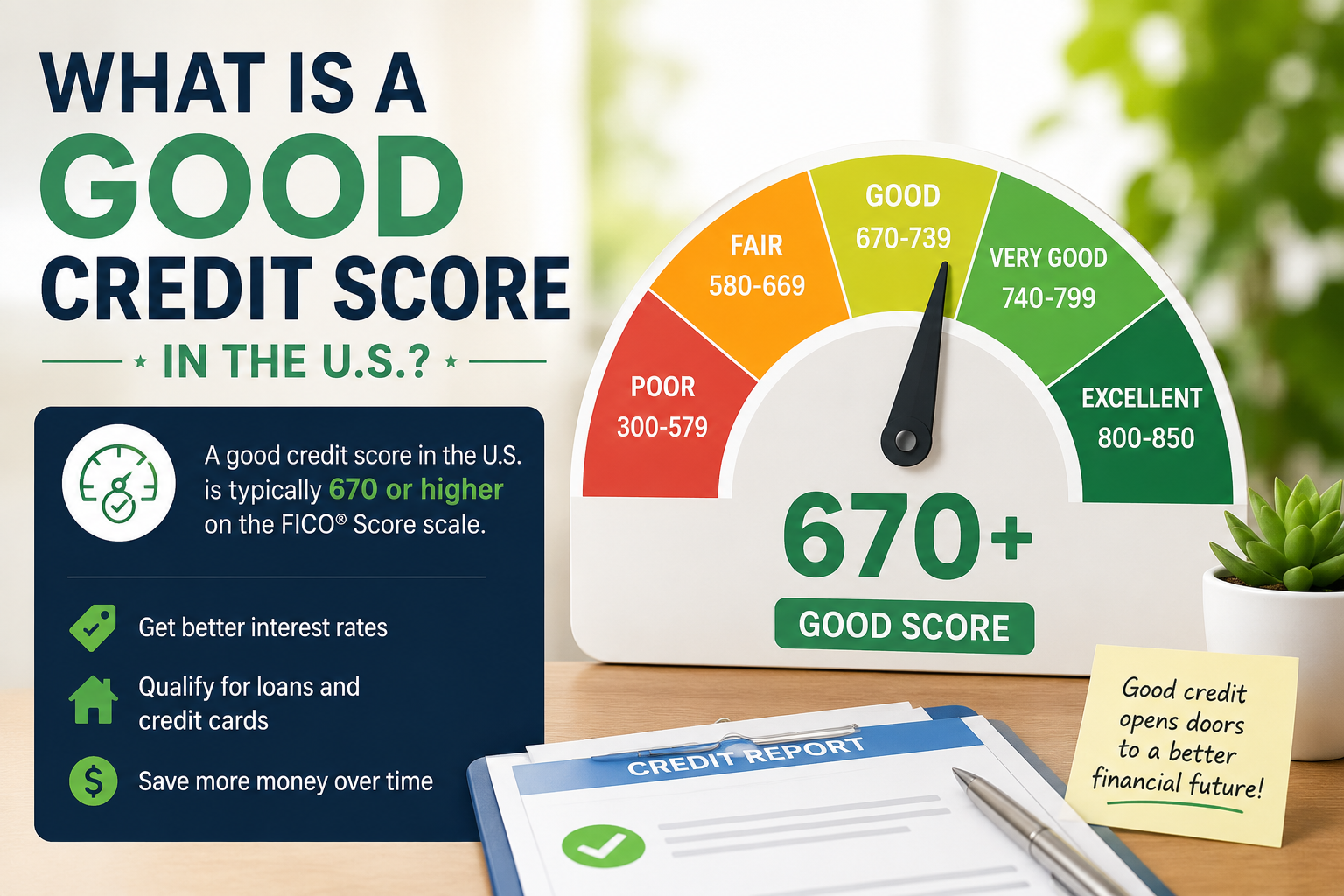
Your credit score is a numerical representation of information in your credit history that helps lenders assess credit risk. When you apply for a credit card, mortgage, auto loan, personal loan, or another form of credit, a lender may use a credit score as one part of deciding whether to approve your application and what terms to offer.
Credit scores are designed to help estimate the likelihood that a borrower will repay credit obligations as agreed. They do this by analyzing patterns and information contained in a consumer’s credit history rather than evaluating every aspect of that person’s financial life.
The information used to calculate a credit score generally comes from your credit reports. These reports can contain details about your credit accounts, payment history, balances, account ages, credit inquiries, and certain other credit-related information. A credit-scoring model evaluates eligible information from a report and produces a score that lenders can use when assessing an application.
An important point is that you do not have one universal credit score.
Different scoring models exist, and the information contained in your credit reports from Equifax, Experian, and TransUnion may not always be identical. Scores can also be calculated at different times or using different versions of a scoring model. As a result, two legitimate credit scores for the same person can be different.
Understanding how credit scores are calculated can help make those numbers less confusing. Instead of focusing on every small movement in a score, you can understand which parts of your credit history are actually being evaluated and why changes in your credit reports may affect the scores calculated from them.
So, what information goes into the calculation, and which factors generally matter most?
How Are Credit Scores Calculated?
Credit scores are calculated by applying a credit-scoring model to information in your credit report. FICO® Scores generally organize that information into five categories: payment history (35%), amounts owed (30%), length of credit history (15%), new credit (10%), and credit mix (10%). These percentages describe the general importance of each category, but their exact influence can vary depending on your overall credit profile.
| FICO® factor | General weighting |
|---|---|
| Payment history | 35% |
| Amounts owed | 30% |
| Length of credit history | 15% |
| New credit | 10% |
| Credit mix | 10% |
Where Does the Information Used to Calculate Your Score Come From?
A credit score begins with the information contained in your credit report. Before a scoring model can calculate a score, there must be eligible credit information for the model to evaluate.
In the United States, the three major nationwide credit bureaus are Equifax, Experian, and TransUnion. These companies collect and maintain information about consumers’ credit histories.
Banks, credit card issuers, lenders, and other companies that furnish credit information may report details about your accounts to one or more of these bureaus. Depending on the account, reported information may include:
- The type of credit account.
- When the account was opened.
- Your current balance.
- Your credit limit or original loan amount.
- Whether payments have been made as agreed.
- The current status of the account.
- Certain late payments or other negative information.
However, creditors are not necessarily required to report information to all three major credit bureaus. One lender might report an account to Equifax, Experian, and TransUnion, while another may report to only one or two.
Reporting schedules can also differ. This means the information in your three credit reports may not always be identical at a particular moment.
From Credit Activity to Credit Score
The basic process can be visualized like this:
Credit activity
↓
Information reported to credit bureaus
↓
Credit report
↓
Credit-scoring model
↓
Credit score
Your credit report provides the underlying information. A credit-scoring model—such as a FICO® scoring model—then analyzes eligible information from that report according to its scoring methodology.
The result of that calculation is your credit score.
An easy way to remember the distinction is:
Credit report = underlying information
Credit-scoring model = calculation system
Credit score = result
The credit bureau itself does not simply look at your financial situation and choose a number for you. The score is generated when a particular scoring model evaluates eligible information from a particular credit report.
This relationship also helps explain why reviewing your credit reports matters. If information is inaccurate, outdated, or belongs to someone else, you should investigate it and, when appropriate, dispute the error.
If you’re unfamiliar with the information contained in a credit report, see our How to Read Your Credit Report guide for a detailed explanation.
Now that we know where the underlying information comes from, we can look at the five major categories FICO uses to organize the factors that influence its credit scores.
The Five Major FICO® Score Factors
FICO® Scores evaluate credit-report information across five major categories: payment history, amounts owed, length of credit history, new credit, and credit mix.
These categories do not contribute equally to the overall calculation. Some generally carry more weight than others because they provide different information about a consumer’s credit history and potential credit risk.
However, the commonly cited percentages should not be treated as guaranteed point allocations. For example, payment history representing 35% of the general FICO calculation does not mean a late payment will reduce every consumer’s score by the same number of points.
The effect of any individual piece of information depends on the overall credit profile being evaluated. Two people can experience different score changes from similar credit events because their credit histories are different.
With that distinction in mind, let’s examine each category individually—starting with the factor that generally carries the most weight: payment history.
Payment History — 35%
Payment history is generally the most important category in a FICO® Score, accounting for about 35% of the calculation. It looks primarily at whether you have paid your credit obligations as agreed.
The basic idea is straightforward: how you have handled payments in the past can provide useful information about the likelihood that you will repay borrowed money as agreed in the future.
What Does Payment History Mean?
Payment history includes information about how you have managed payments on reported credit accounts.
Depending on your credit file, this may include accounts such as:
- Credit cards.
- Mortgages.
- Auto loans.
- Student loans.
- Personal loans.
- Other reported installment or revolving accounts.
A history of making required payments on time generally contributes positively to this part of your credit profile.
On the other hand, payment history can also include negative information, such as late or missed payments and more serious delinquencies.
Certain other negative credit events that appear on a credit report may also be relevant to the scoring calculation.
The important point is that payment history is not simply a record of whether you have ever been late. A scoring model evaluates the payment information within the context of your broader credit history.
Why Does Payment History Matter So Much?
When a lender extends credit, one of its biggest concerns is whether the borrower will repay the debt as agreed.
Your previous payment behavior provides information that can help a credit-scoring model estimate that risk.
Someone who has consistently made required payments as agreed has demonstrated a different repayment pattern from someone with repeated recent delinquencies.
That is why establishing a consistent record of on-time payments can be an important part of building and maintaining credit over time.
However, payment history should not be viewed as a simple system where every on-time payment adds a fixed number of points and every late payment removes a predetermined number.
Credit scoring doesn’t work that way.
Not All Late Payments Have the Same Effect
A late payment can negatively affect a credit profile, but there is no universal number of points that every consumer will lose.
Several characteristics can matter, including:
Recency
A recent delinquency may provide different information about current credit risk than a much older one.
Severity
The extent of a delinquency can matter. A payment that becomes increasingly overdue may be viewed differently from a less severe delinquency.
Frequency
One isolated late payment is different from a pattern of repeated late payments across multiple accounts.
Overall Credit Profile
The rest of the consumer’s credit history also matters.
Someone with a long-established credit history and one delinquency does not have the same credit profile as someone with several recent delinquencies and a relatively short credit history.
This is why claims such as:
“One late payment will lower your credit score by exactly 50 points.”
should be treated cautiously.
The actual effect depends on the scoring model and the individual’s overall credit-report information.
A Simple Payment-History Example
Consider two credit reports.
Credit Report A shows several years of accounts consistently paid as agreed, with no reported late payments.
Credit Report B shows multiple recent late payments across several credit accounts.
All else being equal, these reports present different repayment histories for a scoring model to evaluate.
However, that does not mean we can look at the two reports and calculate their exact credit scores ourselves. Payment history is only one category in the overall scoring calculation, even though it generally carries the greatest weight.
What Can You Control?
You cannot change the age of your credit history overnight, and legitimate historical information does not disappear simply because you want a higher score.
But you can focus on how you manage payments going forward.
Helpful habits include:
- Know your payment due dates. Keep track of when required payments are due rather than relying on memory.
- Consider payment reminders. Calendar alerts, banking notifications, or lender reminders can reduce the chance of accidentally overlooking a due date.
- Use automatic payments when appropriate. Autopay can be useful, but you should still make sure there is enough money available in the linked account.
- Review statements regularly. Confirm that payments have been processed and check for unexpected account activity.
- Contact the creditor early if you’re struggling. If you believe you may not be able to make a required payment, contacting the lender before the account becomes delinquent may allow you to learn about available options.
The goal is not perfection through complicated credit tricks. It is to establish a consistent pattern of managing your credit obligations responsibly.
If a late payment already appears on your credit reports, its reporting timeline is a separate question from how payment history is weighted in a credit score. See How Long Do Late Payments Stay on Your Credit Report? for a detailed explanation.
Payment history may be the largest FICO scoring category, but it is not the only major factor. The next category—amounts owed—generally accounts for another 30% of the calculation.
Amounts Owed — 30%
Amounts owed is generally the second-largest category in a FICO® Score, accounting for about 30% of the calculation. But this category is broader than simply asking:
“How much debt do you have?”
A scoring model can evaluate several characteristics related to the amounts you owe, including balances on different accounts and how much of your available revolving credit you are using.
This distinction matters because having debt does not automatically mean you have poor credit.
What Does “Amounts Owed” Mean?
The amounts owed category can consider information such as:
- Balances reported on your credit accounts.
- Balances on revolving accounts such as credit cards.
- The amount of available revolving credit you’re using.
- How many accounts currently have balances.
- Balances remaining on installment loans compared with their original amounts.
- Other debt-related information contained in your credit report.
For revolving accounts, one particularly important concept is credit utilization.
Credit utilization compares the balance reported on a revolving credit account with its available credit limit.
How Is Credit Utilization Calculated?
The basic calculation is:
Credit card balance ÷ Credit limit × 100 = Credit utilization percentage
For example, suppose you have a credit card with:
Credit limit: $2,000
Reported balance: $500
The calculation would be:
$500 ÷ $2,000 × 100 = 25%
Your utilization on that card would therefore be 25%.
If the balance increased to $1,800 while the limit remained $2,000, utilization would rise to 90%.
That difference can matter because heavily using available revolving credit may indicate greater credit risk than using a smaller portion of the credit available to you.
Credit-scoring models can consider utilization across revolving accounts as well as information associated with individual accounts.
For a deeper explanation of how utilization works, see What Is Credit Utilization?
There Is No Universal “Perfect” Utilization Percentage
You may have heard rules such as:
“Always keep your utilization below 30%.”
or:
“Exactly 10% utilization gives you the best credit score.”
These statements can make credit scoring sound more precise than it actually is.
There is no single utilization percentage that guarantees a particular credit score for every consumer.
In general, using a smaller portion of available revolving credit can be more favorable than having accounts that are close to their limits. However, the effect depends on the overall credit profile and the scoring model being used.
A consumer also should not spend money unnecessarily just to create a particular utilization percentage.
For example, if you have a $5,000 credit limit, you do not need to deliberately carry a $500 balance and pay interest simply because you believe 10% utilization will build your credit faster.
Credit utilization is based on reported balances; carrying interest-bearing debt from month to month is not required simply to demonstrate credit use.
Amounts Owed Includes More Than Credit Cards
Although credit utilization receives considerable attention, the amounts owed category isn’t limited to revolving credit cards.
Installment accounts can also provide relevant information.
An installment loan typically involves borrowing a fixed amount and repaying it over a scheduled period. Examples can include:
- Auto loans.
- Mortgages.
- Student loans.
- Personal loans.
A scoring model may consider information such as how much remains owed compared with the amount originally borrowed.
However, revolving credit and installment credit work differently. You should not assume that paying $1,000 off an auto loan will affect a score in exactly the same way as paying $1,000 off a heavily utilized credit card.
Again, the overall credit profile matters.
Owing Money Does Not Automatically Mean Bad Credit
This is one of the most important points about the amounts owed category.
Having a mortgage, auto loan, student loan, or credit card balance does not automatically mean that someone has poor credit.
Credit scoring evaluates how debt appears within the broader credit profile, not simply whether the total amount owed is greater than zero.
For example, consider two consumers who each owe $5,000.
One has $5,000 in credit card balances against $5,500 of total available revolving credit.
The other has a $5,000 remaining balance on an installment loan that has been paid as agreed over several years.
Both consumers owe the same dollar amount, but the credit information surrounding that debt is very different.
This is why total debt alone cannot tell you what someone’s credit score should be.
What Can You Control?
When it comes to amounts owed, useful habits include:
- Monitoring your credit card balances.
- Avoiding routinely maxing out revolving accounts.
- Paying down balances when financially practical.
- Reviewing statements for unexpected charges.
- Understanding your credit limits.
- Avoiding unnecessary borrowing simply to influence a credit score.
The objective should be responsible debt management—not chasing a supposedly perfect utilization number.
Amounts owed is an important part of FICO scoring, but your balances are evaluated alongside the rest of your credit history.
The next factor, length of credit history, looks at something that cannot be changed nearly as quickly: time.
Length of Credit History — 15%
Length of credit history generally accounts for about 15% of a FICO® Score. This category looks at how long you have been using credit and the age of the accounts in your credit history.
Unlike paying down a credit card balance or making your next payment on time, credit age is something you cannot improve immediately. Building an established credit history requires time.
What Does Length of Credit History Consider?
FICO scoring can consider several characteristics related to the age of your credit accounts, including:
- The age of your oldest account.
- The age of your newest account.
- The average age of your accounts.
- How long specific credit accounts have been established.
- How long it has been since certain accounts were used, where relevant.
For example, someone with credit accounts that have been established and responsibly managed for many years provides a scoring model with a longer history to evaluate than someone who opened their first account several months ago.
That does not automatically mean the person with the longer history will have the higher credit score. Length of credit history is only one part of the overall calculation.
A longer history cannot compensate for every other problem in a credit profile, just as a short history does not automatically mean poor credit.
Why Does Credit Age Matter?
An established credit history gives a scoring model more information about how someone has managed credit over time.
Consider the difference between having three months of reported credit activity and having several years of reported activity. The longer history provides considerably more information about patterns involving borrowing and repayment.
This is also why opening several new accounts within a short period can affect characteristics such as the average age of your accounts.
However, you should not keep or open accounts solely because you’re trying to manipulate account-age calculations. Financial costs, fees, borrowing needs, and your ability to manage an account responsibly should come first.
Can Young Consumers Build Good Credit?
Yes.
You do not need decades of credit history before you can begin developing a strong credit profile.
Someone who is new to credit can start establishing positive history by responsibly managing appropriate accounts and making required payments on time. As those accounts age, the length of the person’s credit history develops naturally.
The key limitation is simple:
Time itself cannot be rushed.
There is no legitimate technique that instantly turns a six-month credit history into a ten-year credit history.
This is why starting responsibly and remaining consistent can be valuable for young adults and other consumers who are new to credit.
If you’re just beginning, our How to Build Credit at 18 guide explains several ways young adults can establish credit without taking on unnecessary debt.
For a broader look at how long it may take to establish credit history and see progress, read How Long Does It Take to Build Credit?
Length of credit history rewards something that no shortcut can manufacture: an established record over time.
The next FICO category looks at the opposite end of the timeline—new credit, including recently opened accounts and credit applications.
New Credit — 10%
New credit generally accounts for about 10% of a FICO® Score. This category considers information associated with recently opened credit accounts and applications for new credit.
Applying for credit is a normal part of borrowing. Opening a new credit card, financing a vehicle, or applying for a mortgage does not automatically mean you are managing credit poorly. However, opening several accounts or submitting multiple applications within a relatively short period can change the characteristics of your credit profile.
What Is a Hard Inquiry?
A hard inquiry generally occurs when a lender or credit card issuer checks your credit report in connection with an application for new credit.
Common examples include applying for:
- A credit card.
- An auto loan.
- A mortgage.
- A personal loan.
Hard inquiries can be considered by credit-scoring models, but you should avoid assuming that every inquiry will reduce every consumer’s score by a specific number of points.
The effect depends on the person’s overall credit profile.
For a more detailed explanation, see What Is a Hard Inquiry?
Recently Opened Accounts Also Matter
New credit is not only about inquiries.
A scoring model can also consider information about recently opened accounts.
Opening a new account can change several characteristics of your credit profile. For example, it may add a recently established account to your history and affect the average age of your accounts.
Opening several new accounts within a short period can therefore have a different effect from occasionally applying for credit when there is a genuine borrowing need.
This does not mean you should avoid new credit entirely. Instead, it is useful to be intentional about when and why you apply.
What About Rate Shopping?
Consumers often compare lenders when shopping for major financing, particularly mortgages and auto loans.
Certain credit-scoring models recognize that multiple inquiries made while shopping for one type of loan may represent a consumer comparing rates rather than attempting to take out several unrelated loans.
Under applicable FICO scoring rules, qualifying inquiries made within a particular shopping window may be treated as a single inquiry for scoring purposes. The exact treatment can depend on the scoring model and timing, so consumers should not assume that every group of inquiries will automatically be combined.
The important distinction is between rate shopping for one loan and repeatedly applying for different types of credit.
For more about how long inquiries remain visible and how their scoring impact differs from their reporting period, see How Long Do Hard Inquiries Stay on Your Credit Report?
Should You Worry About One Hard Inquiry?
One legitimate hard inquiry usually should not become the focus of your entire credit strategy.
Credit scores evaluate a much broader credit history. Payment history, amounts owed, length of credit history, new accounts, inquiries, and other eligible information can all contribute to the result.
Rather than avoiding useful credit solely because you’re afraid of an inquiry, consider whether the account serves a genuine financial purpose and whether you can manage it responsibly.
At the same time, avoid applying for multiple accounts simply because you hope that having more credit will improve your score faster. Unnecessary applications can add inquiries and new accounts without necessarily improving your overall financial position.
The goal is not to have zero inquiries forever. It is to apply for credit thoughtfully and when it makes financial sense.
New credit represents a relatively smaller portion of the general FICO calculation. The final major category—credit mix—also accounts for about 10% and considers your experience with different types of credit accounts.
Credit Mix — 10%
Credit mix generally accounts for about 10% of a FICO® Score. This category considers your experience managing different types of credit accounts.
Credit accounts generally fall into different categories based on how borrowing and repayment work. Two of the most common are revolving credit and installment credit.
What Is Revolving Credit?
Revolving credit allows you to borrow repeatedly up to an established credit limit, repay what you owe, and use the available credit again.
The most familiar example is a:
- Credit card
Suppose you have a credit card with a $3,000 limit. You can make purchases using the available credit, repay some or all of the balance, and continue using the account as long as it remains open and in good standing.
Unlike a traditional installment loan, there usually isn’t a fixed amount that must be borrowed and repaid according to one predetermined repayment schedule.
What Is Installment Credit?
Installment credit generally involves borrowing a specific amount and repaying the debt through scheduled payments over a period of time.
Examples can include:
- Auto loans.
- Mortgages.
- Student loans.
- Personal loans.
For example, an auto loan may begin with a specific amount financed and then be repaid through scheduled monthly payments over the loan term.
A consumer who has responsibly managed both revolving and installment accounts may have a more varied credit history for a scoring model to evaluate.
However, that does not mean everyone needs both types of credit.
Do You Need Every Type of Credit for a Good Score?
No.
This is one of the most important points to understand about credit mix:
Do not take out an unnecessary loan simply because you think you need every type of credit to achieve a good score.
For example, if you already manage a credit card responsibly, taking out a personal loan that you don’t need solely to add an installment account could result in unnecessary interest, fees, and debt.
The potential financial cost can be far more important than trying to influence a category that generally represents only 10% of a FICO Score.
Similarly, you should not finance a vehicle simply to diversify your credit mix or take out another type of loan solely because your credit report doesn’t currently contain one.
Credit should serve a genuine financial purpose.
Credit Mix Is Only One Piece of the Calculation
Having experience with different types of credit can contribute information to the credit mix category, but it is only one part of your overall credit profile.
A varied mix of accounts cannot erase serious payment problems, and consumers should not sacrifice sound financial decisions simply to create a particular combination of account types.
The five major FICO categories work together, which is why looking at any one factor in isolation can be misleading.
Now that we’ve covered all five factors, the next step is to see how payment history, amounts owed, credit age, new credit, and credit mix can interact within a single credit profile.
The Five FICO® Factors in One Example
The five major FICO® Score categories do not operate independently. When a credit score is calculated, a scoring model evaluates the overall credit profile, with information from different parts of the credit report contributing to different categories.
A simple example can show how these pieces fit together without pretending that we can calculate an exact credit score ourselves.
Example Credit Profile
Consider a consumer with the following credit history:
- Two credit cards.
- One auto loan.
- Six years of credit history.
- A record of making required payments on time.
- Moderate balances on the credit cards.
- One recent application for new credit.
Each piece of information can relate to one or more of the major FICO scoring categories.
| Information | Relevant category |
|---|---|
| On-time payments | Payment history |
| Credit card balances | Amounts owed |
| Six years of credit history | Length of credit history |
| Recent credit application | New credit |
| Credit cards + auto loan | Credit mix |
For payment history, the scoring model can evaluate the consumer’s record of paying reported credit obligations as agreed.
For amounts owed, it can consider the balances on the two credit cards, available revolving credit, utilization, and other relevant balance information.
The consumer’s six years of credit history provides information about how long accounts have been established.
The recent credit application may contribute information to the new-credit category, including a hard inquiry if one occurred.
Finally, having both credit cards and an auto loan provides experience with revolving and installment credit that may be relevant to credit mix.
Why We Cannot Calculate an Exact Score From This Example
It might be tempting to look at this profile and say:
“This person should have a credit score of 742.”
But there isn’t enough information to make that calculation—and doing so would be misleading.
Even knowing the five general FICO weightings does not allow you to convert a credit report into an exact score manually.
For example:
Payment history = 35% does not mean you simply award someone 35% of the available points for paying on time.
Likewise:
Amounts owed = 30% does not mean a particular utilization percentage automatically earns a predetermined number of points.
The scoring model evaluates numerous characteristics within the person’s broader credit profile. The specific scoring model, underlying credit-report information, and other characteristics can all influence the resulting score.
That is why two consumers who appear similar on the surface can still have different credit scores.
The five percentages are best understood as indicators of the general importance of each category, not as a do-it-yourself credit-score calculator.
Understanding that distinction also helps explain an important question: what financial information isn’t actually included in a FICO Score calculation?
What Does NOT Directly Determine Your FICO® Score?
Understanding what affects a FICO® Score is important, but knowing what doesn’t directly determine the score can be just as useful.
A FICO Score is based on eligible information contained in your credit report. It is not designed to measure your wealth, education, career success, or overall financial position.
As a result, several pieces of personal and financial information that may seem important are not themselves FICO scoring factors.
These include:
- Your income.
- A salary increase or promotion.
- Bank-account balances.
- The amount you have in savings.
- Investment-account balances.
- Education level.
- Job title.
- Your age itself.
- Marital status.
For example, earning $150,000 a year does not automatically give someone a higher FICO Score than a person earning $50,000.
Similarly, receiving a large pay raise does not directly cause a FICO Score to increase. If the additional income later helps someone pay down revolving balances or avoid missed payments, those credit-report changes could potentially influence the score—but the salary increase itself is not what FICO is scoring.
The same principle applies to savings and investments. Having $50,000 in a savings account may strengthen your overall financial position, but that bank balance is not itself part of the five major FICO scoring categories.
Credit Score Factors vs. Lending Decisions
There is an important distinction between:
Information used to calculate your FICO Score
and
Information a lender may consider when deciding whether to approve you
They are not necessarily the same.
| Information | Direct FICO score factor? | May matter to lender separately? |
|---|---|---|
| Payment history | Yes | Yes |
| Credit utilization | Yes | Yes |
| Income | No | Often |
| Savings | No | Sometimes |
| Employment | No | Sometimes |
| Credit history length | Yes | Yes |
Suppose you apply for a mortgage. Your credit score may be one part of the lender’s evaluation, while the lender may separately review your income, employment, existing debts, assets, down payment, and other information required for underwriting.
This means a high credit score does not guarantee loan approval, just as a high income does not guarantee a high credit score.
Your Credit Score Is Not a Measure of Wealth
This distinction is especially important.
Someone can have substantial savings and investments but a limited credit history. Another person can have an excellent credit score while having relatively little money saved.
Neither situation is contradictory.
A FICO Score is designed to help assess credit risk using credit-report information. It is not a complete measurement of someone’s financial health, income, wealth, or financial success.
Keeping that distinction in mind also helps explain why you may see more than one legitimate credit score—even when nothing about your income or employment has changed.
Why Do You Have More Than One Credit Score?
Many consumers expect to have one official credit score. In reality, you can have multiple legitimate credit scores at the same time.
You might check your score through a bank or credit-monitoring service and then see a different number when applying for a mortgage, auto loan, or credit card. That does not automatically mean either score is incorrect.
Differences can result from the credit bureau used, the information in the underlying credit report, the scoring model and version, and when the score was calculated.
Different Credit Bureaus May Be Used
The three major nationwide credit bureaus are:
- Equifax
- Experian
- TransUnion
A credit score is calculated using information from a particular credit report. If a FICO® Score is calculated using your Experian report, for example, the underlying information may differ somewhat from a score calculated using your TransUnion report.
This matters because your three credit reports are not guaranteed to contain exactly the same information.
Your Credit Reports May Contain Different Information
Creditors do not necessarily report every account to all three major credit bureaus.
One credit card issuer might report to Equifax, Experian, and TransUnion, while another creditor may report differently. Updates may also reach the bureaus at different times.
As a result, one report might contain:
- A newer credit card balance.
- A recently opened account.
- A different inquiry.
- An account that does not yet appear on another report.
When the underlying information differs, scores calculated from those reports may also differ.
Different Credit-Scoring Models Exist
Another major reason for different scores is that there is no single credit-scoring model used by every lender.
Two well-known scoring brands are:
FICO® and VantageScore®.
Both are designed to evaluate credit risk, but they are separate scoring systems. They do not necessarily evaluate every piece of credit-report information in exactly the same way.
Therefore, a FICO Score and a VantageScore calculated for the same consumer do not have to match.
For a detailed comparison, see FICO Score vs. VantageScore.
Different Versions of the Same Model Can Produce Different Scores
Even saying “my FICO Score” does not necessarily identify one specific score.
Different generations and versions of FICO scoring models exist, and lenders may choose models appropriate for their lending decisions. Industry-specific FICO Scores may also be used in areas such as auto lending and credit cards.
That means the score you see through a consumer service may not be the exact scoring model a particular lender uses.
This is another reason you should avoid assuming that one score displayed in an app is the only “real” credit score you have.
Scores Can Be Calculated on Different Dates
Timing matters too.
A credit score reflects the eligible credit-report information available when the score is calculated.
Suppose you check a score today. A few days later, your credit card issuer reports a new balance. If another score is calculated after that update, the underlying information has changed.
The resulting score may therefore be different even if the same general scoring system is used.
Why Two Legitimate Scores Can Be Different
In simple terms:
Different bureau + different report information + different scoring model or version + different calculation date = potentially different credit score.
Seeing two different scores is therefore not automatically a sign that something is wrong.
The more useful questions are:
Which credit bureau provided the underlying report? Which scoring model and version were used? And when was the score calculated?
Those details provide much more context than looking at the number alone.
And because the information behind your scores can change as creditors update your reports, your credit scores can change over time as well.
How Often Can Your Credit Score Change?
Your credit score does not necessarily update on one fixed day each month. In fact, a credit score can change whenever it is recalculated using credit-report information that has changed since the previous calculation.
A credit score is essentially a snapshot of your credit report at a particular point in time. When a scoring model calculates a score, it evaluates the eligible information available in that report at that moment.
If the underlying information changes, a newly calculated score may change as well.
Creditors Report on Different Schedules
Credit card issuers and lenders generally update account information periodically, but they do not all report on the same universal schedule.
For example, your credit card issuer might report an updated balance while another lender’s account information remains unchanged.
Updates to a credit report can include:
- A new reported credit card balance.
- A payment that reduces an existing balance.
- A newly opened account.
- A recently reported hard inquiry.
- An account reaching a new age.
- A newly reported late payment or other account-status change.
- Corrections to inaccurate credit-report information.
Once new information appears on a credit report, a score calculated afterward may differ from one calculated before the update.
Can Your Credit Score Change More Than Once a Month?
Potentially, yes.
Because different creditors can report information at different times, your credit report may receive multiple updates during a month. If a credit score is recalculated after those changes, the resulting number could be different.
That does not mean your credit score is constantly being adjusted according to a universal daily schedule. A score is generated when it is requested or calculated using the information available at that time.
This also helps explain why a score shown by one service may not immediately reflect a payment or balance change you recently made. The creditor may not yet have reported the updated information to the relevant credit bureau.
Small Score Changes Are Not Always a Reason for Concern
Credit scores can naturally move as information on your reports changes. A small increase or decrease does not necessarily mean something significant has happened.
When you notice an unexpected change, it can be more useful to examine the underlying credit-report information than to focus only on the number.
If your score decreased unexpectedly, see Why Did My Credit Score Drop? for common explanations.
If your score increased and you want to understand what may have contributed, see Why Did My Credit Score Go Up?
The important principle is simple: credit scores can change as the credit-report information used to calculate them changes.
Which Credit Score Factors Should You Focus On Most?
Understanding how credit scores are calculated is useful, but you do not need to constantly manage every scoring factor or try to predict every point change.
A better approach is to focus on the credit behaviors you can reasonably control.
Pay Your Credit Obligations on Time
Because payment history is generally the largest FICO® Score category, making required payments on time should be a priority.
Keep track of due dates, consider reminders or automatic payments when appropriate, and review your accounts regularly to make sure payments have been processed correctly.
If you expect difficulty making a payment, contacting the creditor early may help you understand what options are available.
Keep Revolving Balances Manageable
If you use credit cards or other revolving accounts, pay attention to how much of your available credit you are using.
You do not need to chase a supposedly perfect utilization percentage. Instead, focus on avoiding unnecessarily high balances and keeping borrowing affordable.
Paying interest or carrying a balance from month to month is not required simply to build credit.
Apply for Credit Intentionally
Opening more accounts does not automatically create a better credit score.
Apply for credit when it serves a genuine financial purpose and you understand the costs and terms involved. Repeatedly applying for accounts you do not need can add hard inquiries and newly opened accounts to your credit history.
Let Your Credit History Develop Naturally
Length of credit history is one factor you cannot accelerate with a shortcut.
Responsible account management over time allows your credit history to develop naturally. Avoid making unnecessary financial decisions simply because you’re trying to increase the age or variety of your credit accounts.
Check Your Credit Reports for Errors
Since credit scores are calculated using credit-report information, reviewing your reports can help you identify potential inaccuracies.
Look for information such as accounts you do not recognize, incorrect balances or account statuses, and other possible errors.
If you find inaccurate information, investigate it and use the appropriate dispute process when necessary. Do not dispute accurate negative information simply because it affects your score.
Don’t Borrow Just to Improve Your Credit Mix
Having experience with different types of credit can contribute to credit mix, but that does not mean you should take out an auto loan, personal loan, or other debt simply to diversify your credit profile.
Interest, fees, monthly payments, and your actual financial needs matter far more than trying to optimize a category that represents a relatively small portion of the overall FICO calculation.
The goal should be responsible credit management, not credit-score manipulation.
For a complete step-by-step strategy covering the actions that may help strengthen your credit profile over time, read: How to Improve Your Credit Score.
7 Common Credit-Score Calculation Myths
Credit scoring is surrounded by rules of thumb that are often repeated as if they apply to everyone. Some contain a small amount of truth but leave out important context, while others are simply incorrect.
Here are seven common myths about how credit scores are calculated.
Myth 1: Checking Your Own Credit Score Hurts It
Fact: Checking your own credit score does not hurt your credit score.
When you check your own credit, it is generally considered a soft inquiry, not a hard inquiry associated with an application for new credit.
You can therefore monitor your credit without worrying that simply looking at your own score will lower it.
Myth 2: Income Is Part of Your FICO® Score
Fact: Your income is not a factor used to calculate your FICO Score.
A salary increase does not directly raise your score, and earning a high income does not automatically result in excellent credit.
Income may still be important when a lender evaluates whether you can afford a loan or credit account, but that is separate from the FICO Score calculation itself.
Myth 3: You Need to Carry a Credit-Card Balance to Build Credit
Fact: You do not need to carry a balance from one billing cycle to the next or pay interest simply to build credit.
Credit card issuers can report account information regardless of whether you continuously carry interest-bearing debt.
Paying your statement balance in full when possible can also help you avoid unnecessary interest charges.
Building credit and paying interest are not the same thing.
Myth 4: Every Hard Inquiry Costs the Same Number of Points
Fact: There is no universal point reduction that applies to every consumer whenever a hard inquiry occurs.
The effect can depend on the scoring model and the person’s overall credit profile.
A hard inquiry can affect a credit score, but statements such as “every inquiry costs exactly five points” oversimplify how credit scoring works.
Myth 5: Closing a Credit Card Automatically Improves Your Score
Fact: Closing a credit card does not automatically improve your credit score.
Closing an account can reduce your total available revolving credit, which may affect your credit utilization if you have balances on other cards.
There may still be valid reasons to close an account—for example, avoiding an annual fee on a card you no longer need—but you should consider the broader financial and credit consequences rather than assuming closure will increase your score.
Myth 6: You Need Every Type of Loan to Have Excellent Credit
Fact: You do not need a mortgage, auto loan, personal loan, student loan, and several credit cards simply to build a strong credit profile.
Credit mix is only one part of the FICO calculation.
Taking out an unnecessary loan solely to add another account type can leave you paying interest and fees for debt you did not need.
Credit should serve a genuine financial purpose—not exist simply to manipulate your credit mix.
Myth 7: Everyone Has One Official Credit Score
Fact: There is no single universal credit score assigned to you for every situation.
Your scores can differ because of:
- The credit bureau supplying the underlying report.
- Differences in information among your credit reports.
- The scoring model being used.
- Different versions of a scoring model.
- Industry-specific scoring models.
- The date the score is calculated.
For example, the score displayed through a consumer credit-monitoring service may not be identical to the score a lender obtains when evaluating an auto loan.
That does not automatically mean either score is wrong.
The better question is not simply “What is my credit score?” but also “Which scoring model, credit report, and calculation date does this score represent?”
Understanding these myths helps keep the focus where it belongs: on the underlying credit information and responsible financial decisions rather than shortcuts, fixed-point formulas, or supposed credit-score tricks.

Frequently Asked Questions About How Credit Scores Are Calculated
1. What Is the Biggest Factor in Calculating a FICO® Score?
Payment history is generally the largest factor in a FICO Score, accounting for about 35% of the calculation. It considers information about whether you have paid reported credit obligations as agreed, including late payments and other delinquencies.
However, the 35% weighting does not mean every payment event produces a predetermined number of points. Your overall credit profile and the scoring model being used also matter.
2. Is Credit Utilization Calculated Per Card or Across All Cards?
Credit-scoring models can consider both utilization on individual revolving accounts and overall revolving utilization.
For example, having low overall utilization does not necessarily make a nearly maxed-out individual card irrelevant. The information across your revolving accounts can be evaluated as part of your broader credit profile.
There is also no single utilization percentage that guarantees a particular score.
For a detailed explanation, read What Is Credit Utilization?
3. Does Income Affect Your Credit Score?
Income does not directly affect your FICO Score.
Your salary, raises, savings, and investment balances are not among the information used to calculate a FICO Score.
However, income can still matter when you apply for credit. A lender may separately consider your income, existing debts, and other financial information when determining whether you can afford a new obligation.
So, credit-score calculation and lender underwriting are related but different processes.
4. Why Are My Credit Scores Different?
You can have different credit scores because scores may be calculated using different credit reports, scoring models, model versions, or calculation dates.
For example, information in your Equifax report may differ from information in your Experian or TransUnion report. A lender may also use a different FICO model from the score you see through another service.
Different scores therefore do not automatically indicate an error.
For a deeper comparison, read FICO Score vs. VantageScore.
5. Does Checking My Own Credit Score Lower It?
No. Checking your own credit score does not lower it.
Checking your own credit is generally treated as a soft inquiry, which does not affect your credit scores.
This is different from a hard inquiry that may occur when you apply for new credit and a lender reviews your credit report as part of the application.
Monitoring your own credit can therefore be done without worrying that the act of checking your score will reduce it.
6. Can Your Credit Score Change Every Day?
Potentially, yes—but your credit score does not automatically update on a universal daily schedule.
A credit score reflects the eligible information in a credit report when the score is calculated. Creditors may report updated balances, new accounts, payments, inquiries, and other information at different times.
If your credit report changes and a new score is calculated afterward, the resulting score may also change. This is why scores viewed on different dates can be different.
7. Can You Have a Good Credit Score With a Short Credit History?
Yes, it is possible to develop good credit without having decades of credit history. However, length of credit history is still one factor considered in FICO scoring.
Someone who is relatively new to credit can focus on establishing responsibly managed accounts and allowing positive history to develop naturally.
There is no legitimate shortcut that instantly creates years of credit history. Time remains part of the process.
For more detail, read How Long Does It Take to Build Credit?
8. Are FICO® Scores and VantageScores Calculated the Same Way?
No. FICO Scores and VantageScores are separate credit-scoring systems.
Both use information from credit reports to estimate credit risk, and some of the information they consider can be similar. However, their scoring methodologies are not identical, and different model versions also exist.
As a result, a FICO Score and a VantageScore calculated for the same consumer do not necessarily produce the same number.
For a complete explanation of the differences, read FICO Score vs. VantageScore.
Continue Learning at Clear Money Steps
To better understand credit scores and improve your financial knowledge, continue with these guides:
- What Is a Credit Score? It Can Affect More Than You Think
- What Is a Good Credit Score?
- What Is a Fair Credit Score?
- What Is a Poor Credit Score?
- What Is an Excellent Credit Score?
- What Is the Highest Credit Score Possible?
- How Credit Scores Are Calculated
- How to Build Credit From Scratch
- How Long Does It Take to Build Credit?
- What Is Credit Utilization? A Complete Guide to Lowering Your Credit Utilization Ratio
Trusted U.S. Resources
For readers who want to learn more or verify information about credit scores and credit reports, the following primary U.S. resources are useful:
- FICO / myFICO — Explains how FICO® Scores are calculated, including the five major scoring categories and their general weightings. (myFICO)
- Consumer Financial Protection Bureau (CFPB) — Provides independent consumer education about credit reports, credit scores, errors, and consumer rights. (Consumer Financial Protection Bureau)
- Equifax — One of the three major nationwide credit bureaus.
- Experian — Provides access to credit information and educational resources about credit scores and reports.
- TransUnion — One of the three major credit bureaus, with resources explaining credit reports, scoring factors, inquiries, and credit monitoring. (TransUnion)
- AnnualCreditReport.com — The federally authorized website for obtaining free credit reports from Equifax, Experian, and TransUnion. The CFPB also directs consumers there to review their reports. (Consumer Financial Protection Bureau)
These resources are especially useful when checking current credit-reporting practices, understanding scoring information, reviewing your reports, or verifying information discussed in this guide.
Key Takeaway
Your credit score is generated when a credit-scoring model evaluates eligible information contained in your credit report. For FICO® Scores, payment history and amounts owed generally carry the greatest weight, followed by length of credit history, new credit, and credit mix.
However, the commonly cited percentages are general guidelines—not a formula that allows you to predict exactly how many points your score will gain or lose from a particular action. Credit profiles differ, and scoring models evaluate information within the context of your overall credit history.
You also don’t have one universal credit score. Different credit bureaus, scoring models, model versions, underlying information, and calculation dates can produce different scores.
Rather than trying to manipulate every small score movement, focus on the fundamentals you can control:
Pay your credit obligations on time. Keep revolving balances manageable. Apply for new credit thoughtfully. Allow your credit history to develop naturally. Monitor your credit reports for accuracy.
Over time, these responsible habits can help you build and maintain a stronger credit profile without relying on unnecessary debt or supposed credit-score shortcuts.
Table of Contents

Blessing Thagisa is a personal finance writer and researcher at Clear Money Steps, specializing in credit scores, credit reports, loans, budgeting, and consumer financial education. He is passionate about making complex financial topics easy to understand through accurate, practical, and well-researched guides. His goal is to help readers build strong financial habits, improve their credit, and make confident money decisions with clear, trustworthy information.