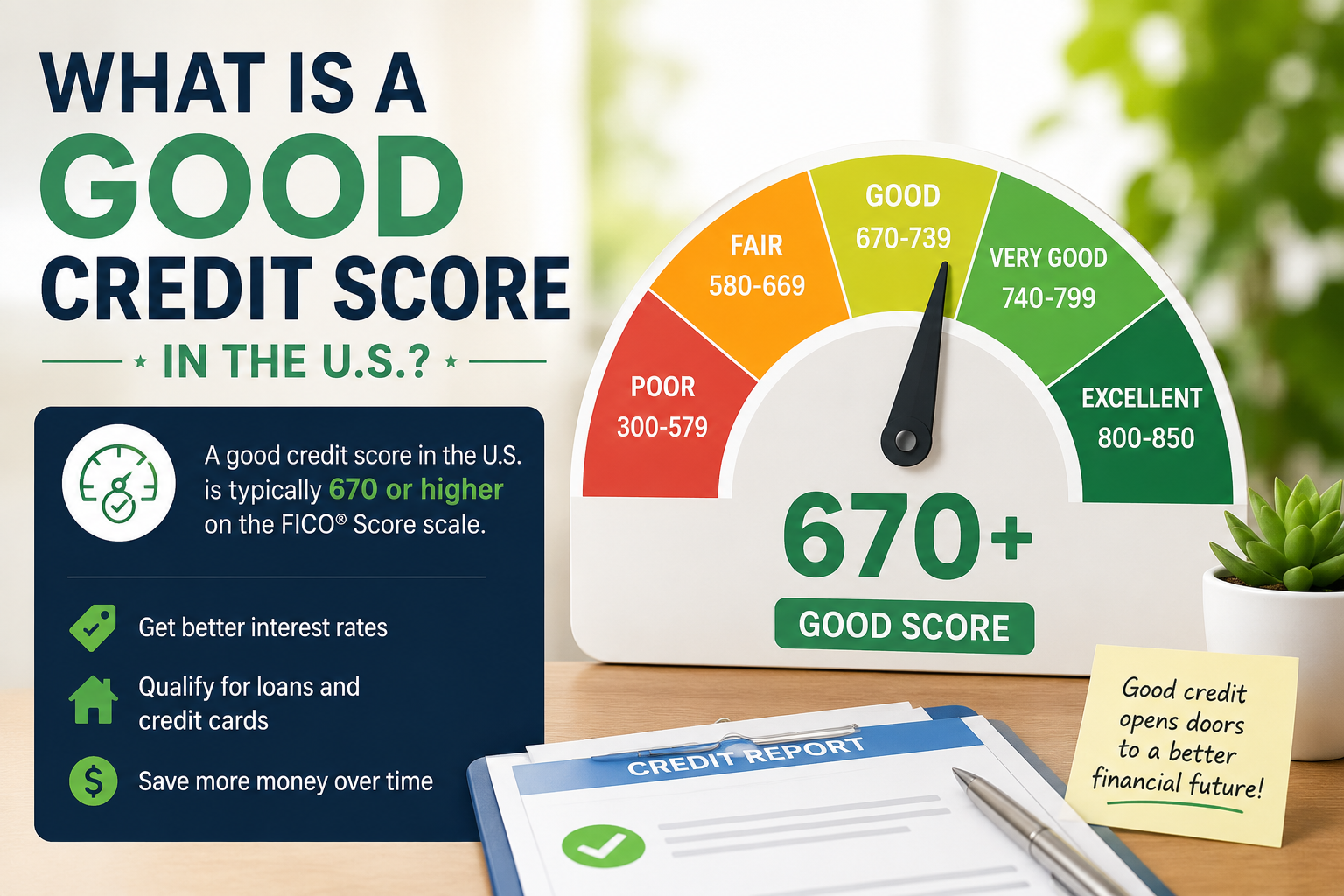
You open your banking app expecting to see your credit score holding steady—or perhaps even climbing after months of responsible financial habits.
Instead, you discover it has dropped by 25, 50, or even 100 points.
Your immediate reaction is probably:
“What happened?”
If you’ve ever experienced a sudden drop in your credit score, you’re not alone.
Millions of Americans are surprised every month when their credit score changes without warning. The situation can be even more confusing when you haven’t missed a payment or taken on new debt.
Maybe you recently paid off a loan.
Maybe you opened your first credit card.
Maybe you applied for financing.
Or perhaps you simply checked your credit score and noticed it had fallen.
It’s easy to assume you’ve made a costly financial mistake—but that’s not always the case.
The good news is that credit scores rarely change without a reason. Every increase or decrease is usually linked to new information reported to the three nationwide credit bureaus—Experian, Equifax, and TransUnion—or to changes in how your credit profile is being evaluated.
Some credit score drops are temporary and can recover quickly. Others may signal a more serious issue, such as a missed payment, identity theft, or an error on your credit report. Understanding the cause is the first step toward improving your score.
In this comprehensive guide, you’ll learn:
- Why credit scores go up and down
- The most common reasons your score may have dropped
- Which changes are normal and which deserve immediate attention
- Practical steps you can take to recover your score
- How to reduce the chances of future score decreases
Whether your score dropped by 10 points or 100 points, this guide will help you understand what happened—and, more importantly, what to do next.
Quick Answer: Why Did My Credit Score Drop?
A credit score can drop for many reasons, including missed or late payments, increased credit card balances, new credit applications, closed accounts, errors on your credit report, or updated information reported by lenders. While some score decreases are temporary and recover quickly, others may take longer to improve. Identifying the specific cause is the first step toward rebuilding your credit score.
Why Credit Scores Change Every Month
Many people assume their credit score should remain exactly the same every month.
In reality, credit scores are designed to change.
Your credit score isn’t a permanent number—it’s a dynamic reflection of the information currently contained in your credit reports. Every time lenders report new information to the nationwide credit bureaus, your score may increase, decrease, or stay the same.
Think of your credit score as a snapshot of your financial behavior at a particular moment.
As your financial activity changes, so can your score.
Common events that can affect your credit score include:
- A new payment being reported
- A change in your credit card balance
- Opening a new loan or credit card
- Closing an existing account
- A hard inquiry from a credit application
- Corrections made to your credit report
- Older negative information becoming less influential over time
Because lenders report information throughout the month—not all on the same day—you may notice your score changing even when you haven’t done anything unusual.
Small monthly fluctuations are perfectly normal.
Is It Normal for Credit Scores to Go Up and Down?
Yes.
In fact, small changes are a normal part of how credit scoring works.
Most people will see their credit score fluctuate slightly from month to month as balances, payments, and account information are updated.
Here’s a general guide to what different changes may indicate.
| Credit Score Change | Is It Normal? | What It May Mean |
|---|---|---|
| 3–10 points | Yes | Normal monthly reporting changes or minor balance differences. |
| 10–20 points | Usually | Moderate balance changes or new account activity. |
| 20–40 points | Sometimes | A more significant financial event that should be reviewed. |
| 50+ points | Less common | Often linked to missed payments, collections, or major changes in your credit profile. |
Instead of worrying about every small movement, focus on the long-term direction of your score.
If your credit score gradually improves over several months, an occasional small decline usually isn’t something to lose sleep over.
However, a large or unexpected drop deserves a closer look.
What Is Considered a Significant Credit Score Drop?
Not every decrease has the same impact.
Some changes are part of normal credit reporting, while others may indicate a more serious issue.
Small Drop (5–15 Points)
A small decrease is often temporary and may be caused by routine monthly activity.
Possible reasons include:
- A slightly higher credit card balance
- Minor changes in credit utilization
- Normal lender reporting updates
In many cases, these changes reverse once lower balances are reported.
Moderate Drop (20–40 Points)
A moderate decrease usually means something more meaningful has changed in your credit profile.
Common causes include:
- Applying for new credit
- Opening a new loan
- Closing a credit card
- A larger increase in credit utilization
These situations aren’t always negative, but they’re worth investigating.
Large Drop (50–100+ Points)
A significant decrease often signals an event that requires immediate attention.
Possible causes include:
- A missed or late payment
- A collection account
- Loan default
- A charge-off
- Identity theft
- A major error on your credit report
If your score falls dramatically, review your credit reports as soon as possible to identify the cause.
Before You Panic, Ask Yourself These Questions
A sudden credit score drop doesn’t automatically mean you’ve done something wrong.
Before assuming the worst, ask yourself these questions:
- Did I miss a payment recently?
- Have my credit card balances increased?
- Did I apply for a new credit card or loan?
- Did I close one of my credit card accounts?
- Did I recently pay off a loan?
- Has a lender reported new information this month?
- Have I reviewed my credit report for possible errors?
Many people discover the reason for their score change within just a few minutes of reviewing their recent financial activity.
If nothing stands out, it’s worth checking your credit reports carefully for inaccurate or fraudulent information.
Reason #1: Your Credit Card Balance Increased
One of the most common reasons credit scores decline is an increase in credit card balances.
This doesn’t necessarily mean you’ve gone into debt or spent irresponsibly.
Even if you intend to pay your balance in full, your credit card issuer may report your balance to the credit bureaus before your payment is processed.
For example:
| Credit Card Activity | Amount |
|---|---|
| Credit limit | $2,000 |
| Last month’s reported balance | $200 |
| This month’s reported balance | $1,100 |
Although you plan to pay the balance before interest is charged, your reported credit utilization has increased significantly.
Higher credit utilization can temporarily lower your credit score because it suggests you’re using a larger portion of your available credit.
The good news is that this type of score drop is often temporary.
Once lower balances are reported, your score may improve again.
How to Fix It
To reduce the impact of high credit utilization:
- Pay down your credit card balances.
- Avoid maxing out your cards.
- Consider making payments before your statement closing date.
- Continue paying every bill on time.
- Keep using only the amount of credit you can comfortably repay.
Consistently low credit utilization is one of the healthiest habits for maintaining a strong credit score.
Reason #2: You Missed a Payment
Payment history is one of the most important factors used in calculating your credit score.
That’s why even a single missed payment can have a noticeable impact—especially if it becomes significantly overdue.
Late payments can remain on your credit report for years, although their effect generally decreases over time as you continue making on-time payments and demonstrate responsible credit management.
The longer a payment remains unpaid, the more serious the consequences may become.
That’s why it’s essential to act quickly if you realize you’ve missed a due date.
How to Avoid Late Payments
You can reduce the risk of missing payments by:
- Setting up automatic payments where appropriate.
- Using calendar reminders or banking alerts.
- Paying at least the minimum amount due if you can’t pay the full balance.
- Reviewing your monthly statements regularly.
- Contacting your lender immediately if you’re experiencing financial difficulties.
Building an excellent credit score isn’t about being perfect—it’s about consistently making responsible financial decisions over time.
13 More Reasons Your Credit Score Dropped (and How to Recover)
If you’ve already ruled out higher credit card balances and missed payments, don’t assume your credit score dropped “for no reason.”
In reality, there are many other events that can affect your credit score. Some are completely normal and temporary, while others require immediate attention.
Let’s explore the remaining 13 common reasons your credit score may have decreased.
Reason #3: You Applied for New Credit
Every time you apply for a new credit card, personal loan, auto loan, or mortgage, the lender may perform a hard credit inquiry.
A hard inquiry lets lenders review your credit history before deciding whether to approve your application.
Although one hard inquiry usually has only a small effect, applying for several credit accounts within a short period can lower your score.
Example
Suppose you apply for:
- A new credit card
- A store card
- An auto loan
- A personal loan
—all within two weeks.
Multiple hard inquiries may signal to lenders that you’re seeking additional credit quickly, which can increase perceived lending risk.
How to Fix It
- Apply for credit only when necessary.
- Avoid multiple applications in a short period.
- Compare lenders before submitting applications.
- Allow time between applications whenever possible.
Hard inquiries generally become less influential over time.
Reason #4: You Opened a New Credit Card
Getting approved for a new credit card can sometimes cause your credit score to decrease temporarily.
Why?
Opening a new account changes several parts of your credit profile.
It may:
- Reduce your average account age.
- Add a hard inquiry.
- Introduce a brand-new credit account.
Although this can cause a temporary decline, responsible use of your new card may help strengthen your credit profile over time.
How to Recover
- Make every payment on time.
- Keep balances low.
- Avoid applying for additional cards immediately afterward.
- Continue using your older accounts responsibly.
Reason #5: You Closed a Credit Card
Many people believe closing unused credit cards will improve their credit score.
Unfortunately, that’s not always true.
Closing a credit card can reduce your total available credit.
If your spending remains the same, your credit utilization percentage increases—even if you haven’t spent an extra dollar.
Example
Before closing:
- Total credit limit: $10,000
- Balance: $2,000
- Utilization: 20%
After closing a card with a $5,000 limit:
- Total credit limit: $5,000
- Balance: $2,000
- Utilization: 40%
Even though your balance didn’t change, your utilization doubled.
Before Closing Any Card
Ask yourself:
- Does it have an annual fee?
- Is it one of my oldest accounts?
- Will closing it significantly reduce my available credit?
Sometimes keeping an older account open may benefit your overall credit profile.
Reason #6: You Paid Off a Loan
Many people are surprised when their credit score drops after paying off a loan.
Although paying off debt is a positive financial achievement, your score may temporarily decrease because:
- The loan account is now closed.
- Your active credit mix changes.
- Your overall credit profile has changed.
This temporary decrease doesn’t mean paying off debt was a mistake.
In many cases, your score stabilizes as your remaining accounts continue to show positive payment history.
Should You Avoid Paying Off Loans?
Absolutely not.
Paying off debt saves interest, reduces financial stress, and improves your overall financial health.
A temporary score change shouldn’t discourage responsible borrowing.
Reason #7: Your Credit Utilization Increased
Credit utilization measures how much of your available revolving credit you’re currently using.
For example:
Credit limit: $5,000
Balance: $2,500
Credit utilization: 50%
Higher utilization may indicate increased reliance on borrowed money.
Even if you’ve never missed a payment, higher utilization can affect your score.
Ways to Lower Utilization
- Pay balances before your statement closing date.
- Make multiple payments during the month.
- Avoid unnecessary spending.
- Request a higher credit limit if appropriate and you can continue using credit responsibly.
Reason #8: A Collection Account Appeared
One of the most serious reasons for a credit score drop is the appearance of a collection account.
Collections occur when unpaid debts are transferred or sold to a collection agency.
Examples include:
- Medical bills
- Utility bills
- Credit card debt
- Cell phone accounts
- Personal loans
A new collection account may significantly affect your credit profile.
What You Should Do
- Verify the debt is accurate.
- Contact the creditor or collection agency.
- Keep records of all communications.
- Review your credit reports for accuracy.
Ignoring collection notices can make the situation worse.
Reason #9: There Is an Error on Your Credit Report
Credit reporting mistakes happen more often than many people realize.
Common errors include:
- Payments incorrectly reported as late
- Accounts that don’t belong to you
- Duplicate accounts
- Incorrect balances
- Fraudulent accounts opened by identity thieves
Even a small reporting error may affect your credit score.
Check Your Credit Reports
Review your reports from all three nationwide credit bureaus regularly.
Look carefully for:
- Incorrect personal information
- Unknown accounts
- Wrong payment history
- Duplicate debts
- Accounts that should have been removed
If you find an error, dispute it with the appropriate credit bureau and provide supporting documentation.
Reason #10: Identity Theft or Fraud
If your score suddenly drops and you don’t recognize new accounts or inquiries, identity theft could be the cause.
Warning signs include:
- Accounts you didn’t open
- Loans you never applied for
- Unauthorized credit inquiries
- Collection accounts you don’t recognize
Act Quickly
If you suspect fraud:
- Review all three credit reports.
- Contact the affected lenders.
- Report fraudulent accounts.
- Consider placing a fraud alert or security freeze on your credit reports if appropriate.
The sooner fraud is addressed, the easier it may be to limit the damage.
Reason #11: A Negative Item Was Recently Reported
Sometimes the problem isn’t a missed payment you just made.
Instead, a lender may have recently reported:
- A late payment
- A charge-off
- A repossession
- A foreclosure
- A bankruptcy filing
Even if the event happened weeks earlier, your score may change when it’s reported to the credit bureaus.
Reason #12: Your Credit Report Was Updated
Not every score change is caused by something you did.
Sometimes lenders update information such as:
- Account balances
- Credit limits
- Payment history
- Account status
These routine updates can cause small score changes from month to month.
Reason #13: An Older Account Was Closed by the Lender
Sometimes banks close inactive credit card accounts automatically.
You may not even realize it happened.
If the closed account reduced your available credit, your utilization ratio may increase.
This is another reason to review your accounts regularly and keep older accounts active when appropriate.
Reason #14: Different Credit Scores Use Different Models
Many people compare scores from different websites and assume one must be wrong.
In reality, multiple legitimate credit scoring models exist.
For example:
- One lender may use a FICO® Score.
- Another may use a VantageScore®.
- Different industries may use specialized versions of these models.
As a result, your scores may differ even though they’re based on similar credit information.
A lower score from one provider doesn’t necessarily mean your credit has become worse.
Reason #15: Your Credit Score Updated Normally
Sometimes the simplest explanation is the correct one.
Credit scores naturally move up and down as lenders report new information.
A five- or ten-point change doesn’t necessarily indicate a problem.
If your financial habits remain strong, small fluctuations are usually nothing to worry about.
Focus on your long-term trend rather than day-to-day changes.
How to Find the Exact Reason Your Credit Score Dropped
If your score changed unexpectedly, follow these steps:
Step 1: Review Your Recent Financial Activity
Ask yourself:
- Did I make a large purchase?
- Did I miss a payment?
- Did I apply for credit?
- Did I close an account?
- Did I pay off a loan?
Step 2: Check Your Credit Reports
Review each report carefully for:
- New accounts
- Collections
- Late payments
- Incorrect balances
- Fraudulent activity
Step 3: Compare Previous and Current Reports
Comparing older and newer reports often makes changes much easier to spot.
Look for:
- New inquiries
- Account status changes
- Updated balances
- Newly reported negative items
Step 4: Contact the Lender if Needed
If something appears incorrect, contact the lender that reported the information.
Many issues can be resolved more quickly when addressed promptly.
Key Takeaways
Your credit score can decrease for many reasons, but most changes have a logical explanation.
The key is identifying the specific cause before taking action.
Remember:
- Not every score drop is a sign of financial trouble.
- Some decreases are temporary.
- Others require immediate attention.
- Responsible credit habits remain the best long-term strategy for maintaining a healthy credit profile.
How Long Does It Take to Recover a Credit Score?
Discovering that your credit score has dropped can be frustrating—but it’s important to remember that most credit score decreases aren’t permanent.
How quickly your score recovers depends on what caused it in the first place.
A small drop caused by higher credit card balances may improve within a month after lower balances are reported.
A significant drop caused by a missed payment or collection account, however, may take much longer to recover.
The good news is that every positive financial decision you make from today onward helps strengthen your credit profile over time.
Let’s look at what recovery typically looks like.
How Long Does It Usually Take to Recover?
There isn’t one recovery timeline that applies to everyone.
Some people recover within a few weeks.
Others may need several months—or even years—depending on the severity of the issue.
Here’s a general guide.
| Reason for Score Drop | Typical Recovery Time* |
|---|---|
| High credit card balance | 1–2 reporting cycles after lower balances are reported |
| Hard inquiry | Usually less influential after several months |
| Opening a new account | Several months as the account ages |
| Closing a credit card | Varies depending on utilization and overall credit profile |
| Paying off a loan | Often temporary, with gradual stabilization |
| Missed payment | Can take months or longer with consistent on-time payments |
| Collection account | Recovery varies based on the situation and future credit behavior |
| Credit report error | Often improves after the error is corrected and updated |
*Actual recovery times vary based on your individual credit profile and the credit scoring model being used.
Can Your Credit Score Recover Naturally?
Yes.
Many score drops improve naturally if the cause is temporary.
For example, if your score fell because your credit card balance increased before your statement closed, paying the balance down may allow your score to recover after the lender reports the updated balance.
Similarly, hard inquiries generally become less significant over time.
The key is continuing healthy financial habits instead of reacting emotionally.
The 10 Best Ways to Improve Your Credit Score After a Drop
If your score has decreased, focus on actions that strengthen your credit profile over time.
1. Never Miss Another Payment
Payment history is one of the most important parts of your credit profile.
Every on-time payment helps build a stronger history.
Consider:
- Automatic payments
- Banking reminders
- Calendar alerts
Consistency matters more than perfection.
2. Lower Your Credit Card Balances
Reducing your balances is one of the fastest ways many people can improve their credit profile.
Aim to:
- Pay more than the minimum payment whenever possible.
- Reduce balances gradually if you can’t pay them off immediately.
- Avoid increasing balances again after paying them down.
3. Keep Credit Utilization Low
Many financial experts recommend avoiding consistently high utilization.
Although there isn’t one universal percentage that guarantees a particular score, keeping utilization comfortably below your available limit generally supports healthier credit management.
The lower your utilization, the less risk you appear to present to lenders.
4. Continue Using Credit Responsibly
Some people stop using credit completely after a score drop.
That’s usually unnecessary.
Instead:
- Make small purchases.
- Pay the balance in full whenever possible.
- Demonstrate responsible ongoing credit use.
5. Avoid Applying for More Credit
If your score recently dropped, this usually isn’t the best time to submit multiple new credit applications.
Too many applications may create additional hard inquiries.
Only apply when you genuinely need new credit.
6. Review Your Credit Reports Regularly
Many people don’t discover reporting errors until months later.
Check your reports regularly for:
- Incorrect balances
- Unknown accounts
- Duplicate debts
- Incorrect payment history
Finding mistakes early can save you significant time and frustration.
7. Dispute Incorrect Information
If you discover inaccurate information on your credit report:
- Gather supporting documents.
- Contact the appropriate credit bureau.
- Follow the dispute process carefully.
- Monitor the outcome until the investigation is complete.
Correcting inaccurate information may improve your credit profile.
8. Keep Older Accounts Open When Appropriate
Older accounts contribute to your overall credit history.
Unless there’s a compelling reason—such as costly annual fees or security concerns—think carefully before closing your oldest credit cards.
9. Build Positive Credit History Every Month
Recovery isn’t about one perfect month.
It’s about creating a long record of responsible behavior.
Month after month:
- Pay on time.
- Borrow responsibly.
- Keep balances manageable.
- Avoid unnecessary debt.
Those habits gradually strengthen your credit profile.
10. Be Patient
Perhaps the hardest advice is also the most important.
Good credit isn’t built overnight.
Neither is excellent credit.
Most successful borrowers simply repeat responsible financial habits over long periods.
Mistakes That Can Make Your Credit Score Worse
When people panic after a score drop, they sometimes make decisions that cause even more damage.
Avoid these common mistakes.
Applying for Several Credit Cards
Trying to “fix” your score by opening multiple accounts usually backfires.
Multiple hard inquiries and new accounts can create additional short-term pressure on your score.
Closing All Your Credit Cards
Many people assume eliminating credit cards entirely improves credit.
In reality, closing accounts may reduce your available credit and increase your utilization ratio.
Ignoring the Problem
If your score dropped because of a late payment or reporting error, ignoring it won’t help.
Investigate the cause as soon as possible.
Maxing Out Your Cards Again
Paying down balances only to immediately use them again often keeps utilization high.
Try to maintain lower balances consistently.
Missing Future Payments
Nothing slows recovery more than creating additional late payments.
Protecting your payment history should remain your highest priority.
Month-by-Month Credit Recovery Plan
If your score recently dropped, here’s a practical roadmap to help you recover.
Month 1
- Review your credit reports.
- Identify the reason for the score drop.
- Correct any reporting errors.
- Bring overdue accounts current if possible.
Month 2
- Reduce credit card balances.
- Set up automatic payments or reminders.
- Avoid applying for unnecessary credit.
Month 3
- Continue paying every account on time.
- Monitor updated balances.
- Check whether your score has begun improving.
Months 4–6
- Maintain low credit utilization.
- Continue responsible credit use.
- Keep all payments current.
- Monitor your progress monthly.
Months 7–12
By this stage, many people begin seeing the benefits of consistent financial habits.
Although recovery varies depending on the original cause, maintaining positive behavior gives your credit profile more recent positive information to offset older negative events.
Real-Life Recovery Examples
Sarah: Higher Credit Card Balance
Sarah’s score dropped by 24 points after using her credit card to pay for emergency car repairs.
She paid most of the balance before the following statement cycle.
After the lower balance was reported, her score largely recovered over the next reporting period.
Lesson: Temporary utilization increases often improve after lower balances are reported.
Michael: Missed Payment
Michael accidentally missed a credit card payment while traveling.
He immediately brought the account current and set up automatic payments.
Although his score didn’t recover overnight, consistent on-time payments helped strengthen his credit profile over the following months.
Lesson: One mistake doesn’t define your financial future—but consistent positive behavior matters.
Jennifer: Credit Report Error
Jennifer noticed a collection account she didn’t recognize.
After reviewing her credit reports, she disputed the inaccurate information with the appropriate credit bureau.
Once the issue was resolved, the incorrect item was removed from her report.
Lesson: Always review your credit reports when something doesn’t look right.
How Will You Know Your Credit Is Improving?
Recovery isn’t measured by one month’s score.
Instead, watch for positive signs such as:
- Fewer large score fluctuations.
- Lower credit card balances.
- A consistent record of on-time payments.
- No new negative information being reported.
- Gradual improvement over several reporting cycles.
Healthy credit is built through consistency—not quick fixes.
Key Takeaways
Recovering from a credit score drop takes time, but it’s absolutely possible.
Remember these important points:
- Most score drops have a specific cause.
- Some recover quickly, while others require patience.
- Responsible financial habits are the most effective long-term strategy.
- Avoid emotional decisions that could make the situation worse.
- Focus on building positive credit history month after month.
No matter why your score dropped, every on-time payment and every responsible financial decision moves you in the right direction.

Frequently Asked Questions (FAQs)
1. Why did my credit score drop even though I paid my bills on time?
Paying on time is one of the most important factors in maintaining a healthy credit score, but it isn’t the only one. Your score may also change because of higher credit card balances, new credit applications, closed accounts, changes in your credit utilization, or updates reported by lenders.
2. Is it normal for a credit score to drop by 10 points?
Yes.
Small fluctuations of around 5–10 points are common and often result from routine monthly reporting changes, such as updated balances or payments.
3. Why did my credit score drop after paying off a loan?
Paying off a loan is financially beneficial, but it may temporarily lower your score because the account is closed, which can change your credit mix or average account age. For many people, the score stabilizes over time.
4. Can opening a new credit card lower my score?
Yes.
A new credit card application may create a hard inquiry and reduce the average age of your accounts, which can temporarily lower your score. Responsible use of the new account may help over the long term.
5. Why did my score drop after closing a credit card?
Closing a credit card can reduce your available credit. If your balances remain the same, your credit utilization ratio increases, which may negatively affect your score.
6. How long does it take for a credit score to recover?
It depends on the reason for the drop.
A utilization-related decrease may recover after one or two reporting cycles, while recovery from late payments or collections generally takes longer and requires consistent positive credit behavior.
7. Can checking my own credit score lower it?
No.
Checking your own credit score is considered a soft inquiry and does not affect your credit score.
8. How many points can a missed payment lower my credit score?
There isn’t a fixed number because every credit profile is different. However, missed payments can significantly affect your score, especially if the payment becomes seriously overdue.
9. Why are my credit scores different on different websites?
Different companies may use different scoring models, such as FICO® Score or VantageScore®. Lenders may also use industry-specific versions of these models, so it’s normal to see some variation.
10. Can high credit card balances hurt my score even if I pay in full?
Yes.
If your balance is reported before you pay it off, your utilization ratio may temporarily increase, which can affect your score.
11. Does paying off all my debt guarantee a higher credit score?
No.
While paying off debt improves your overall financial health, your credit score may not increase immediately. Other factors, such as account age and credit mix, also influence your score.
12. Can identity theft cause my credit score to drop?
Yes.
Fraudulent accounts, unauthorized loans, or unpaid debts opened in your name may damage your credit profile if not addressed quickly.
13. Should I close old credit cards I don’t use?
Not necessarily.
Older accounts often contribute positively to your credit history. Unless there is a good reason to close them, keeping them open may benefit your overall credit profile.
14. How often do credit scores update?
Many lenders report information monthly, but reporting schedules vary. As new information reaches the credit bureaus, your score may change.
15. What’s the fastest way to improve a credit score?
While there is no instant fix, reducing high credit card balances, making every payment on time, correcting reporting errors, and avoiding unnecessary credit applications may help improve your credit profile over time.
16. Can one late payment ruin my credit forever?
No.
Although a late payment can affect your score, its impact generally decreases over time as you continue making on-time payments.
17. Should I pay off my credit card all at once?
If you can do so responsibly without creating financial hardship, paying down high balances may improve your credit utilization and support your credit profile.
18. How can I find out exactly why my score dropped?
Review your recent financial activity and compare your latest credit reports with previous ones. Look for new balances, inquiries, accounts, or reporting errors.
19. Is a 20-point credit score drop serious?
Not always.
A 20-point decrease may result from a new account, increased utilization, or another temporary change. Investigate the cause before assuming the worst.
20. Can my credit score improve without taking out new loans?
Absolutely.
Many people improve their credit by paying bills on time, lowering balances, maintaining older accounts, and avoiding unnecessary debt.
Common Credit Score Myths
Many misconceptions about credit scores continue to circulate online. Let’s separate fact from fiction.
| Myth | Fact |
|---|---|
| Checking your own credit score lowers it. | False. Personal credit checks are soft inquiries and do not affect your score. |
| Carrying a balance every month improves your credit. | False. Responsible use and timely payments matter more than carrying debt. |
| Closing old credit cards always improves your score. | False. Closing accounts can increase your credit utilization and affect account age. |
| Paying off debt always causes your score to increase immediately. | False. Some people experience temporary changes before their score stabilizes. |
| Credit scores never change. | False. Scores are designed to change as new information is reported. |
| There is one universal credit score. | False. Different scoring models and lenders may produce different scores. |
| You need debt to have a good credit score forever. | False. Responsible credit management—not unnecessary debt—is what matters. |
30-Day Credit Score Recovery Action Plan
If your credit score recently dropped, follow this practical plan during the next month.
Week 1: Find the Cause
- Review your recent financial activity.
- Check your credit reports.
- Identify new balances, inquiries, or late payments.
- Look for possible reporting errors.
Week 2: Fix Immediate Problems
- Pay overdue balances if possible.
- Reduce high credit card balances.
- Contact lenders about any reporting issues.
- Dispute inaccurate information if necessary.
Week 3: Build Better Habits
- Set up automatic payments.
- Create payment reminders.
- Develop a realistic monthly budget.
- Avoid applying for unnecessary credit.
Week 4: Monitor Your Progress
- Check whether updated balances have been reported.
- Continue making all payments on time.
- Track your score without obsessing over daily changes.
- Focus on long-term improvement.
Your Credit Recovery Checklist
✔ Review your credit reports.
✔ Make every payment on time.
✔ Reduce high credit card balances.
✔ Keep credit utilization low.
✔ Avoid unnecessary credit applications.
✔ Check for reporting errors.
✔ Keep older accounts open when appropriate.
✔ Continue building positive payment history.
✔ Monitor your progress monthly.
✔ Stay patient and consistent.
Final Thoughts
A lower credit score can feel discouraging, but it doesn’t define your financial future.
Every credit score tells a story, and most score drops have a clear explanation. Whether your score decreased because of higher credit card balances, a new loan application, a reporting error, or a missed payment, understanding the cause puts you back in control.
Remember that strong credit isn’t built through shortcuts or overnight fixes. It develops through consistent, responsible financial habits over time.
Focus on what you can control:
- Pay every bill on time.
- Keep your credit card balances manageable.
- Review your credit reports regularly.
- Correct mistakes promptly.
- Borrow only when necessary.
Small, consistent improvements often lead to significant long-term results.
If you stay committed to responsible credit management, today’s credit score drop can become tomorrow’s financial comeback.
Continue Learning
Ready to strengthen your credit knowledge? Read these guides next on Clear Money Steps:
- What Is a Credit Score? A Complete Beginner’s Guide
- What Is a Good Credit Score in the United States?
- How Credit Scores Are Calculated
- FICO® Score vs. VantageScore®
- How to Check Your Credit Score
- How to Build Credit From Scratch
- Credit Utilization Explained
- How Long Do Late Payments Stay on Your Credit Report?
- How to Read Your Credit Report
- How to Dispute Credit Report Errors
These articles will help you build a strong understanding of how credit works and how to improve your financial future.
Trusted Resources
For official information about credit reports and credit scores, visit:
Table of Contents

Blessing Thagisa is a personal finance writer and researcher at Clear Money Steps, specializing in credit scores, credit reports, loans, budgeting, and consumer financial education. He is passionate about making complex financial topics easy to understand through accurate, practical, and well-researched guides. His goal is to help readers build strong financial habits, improve their credit, and make confident money decisions with clear, trustworthy information.