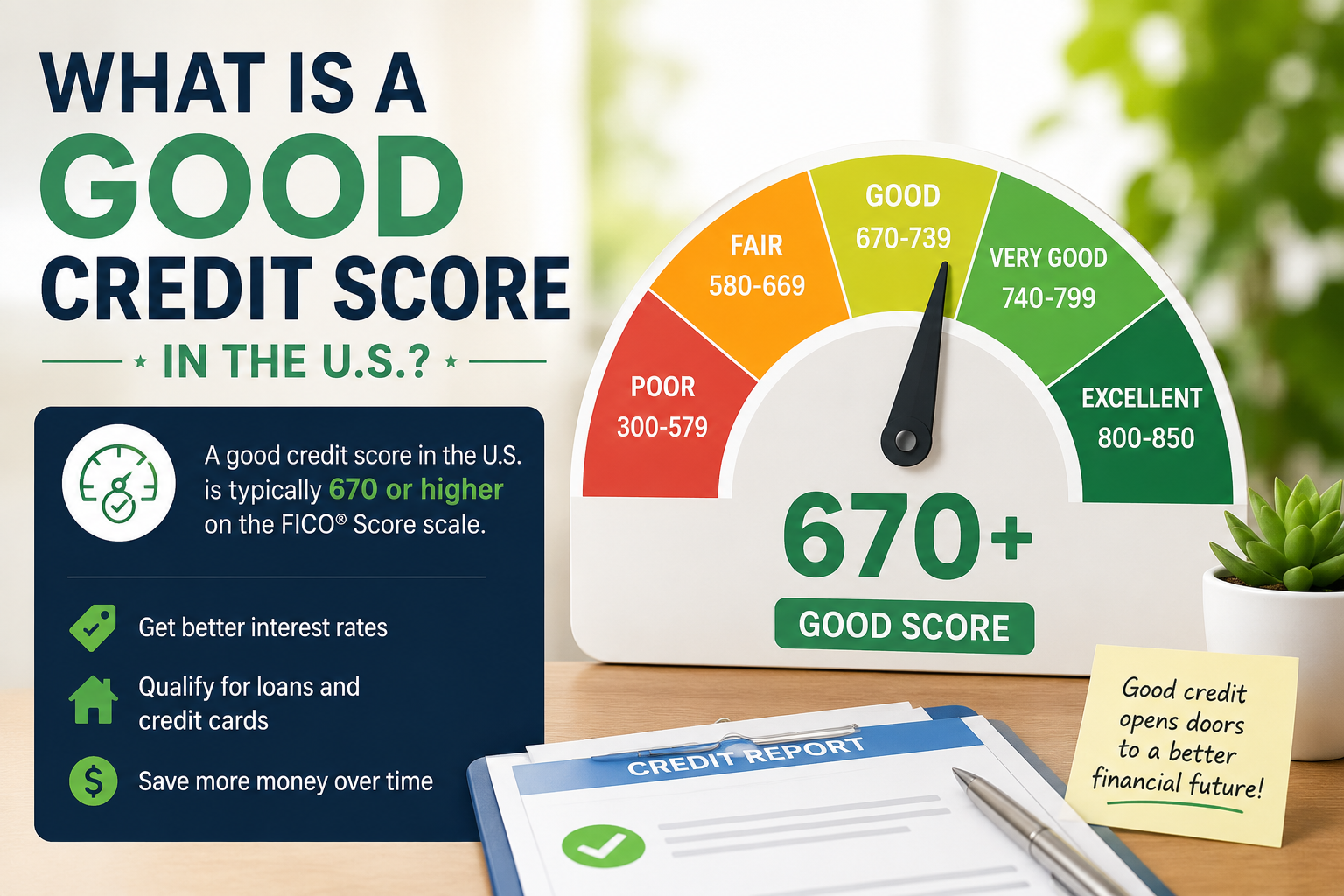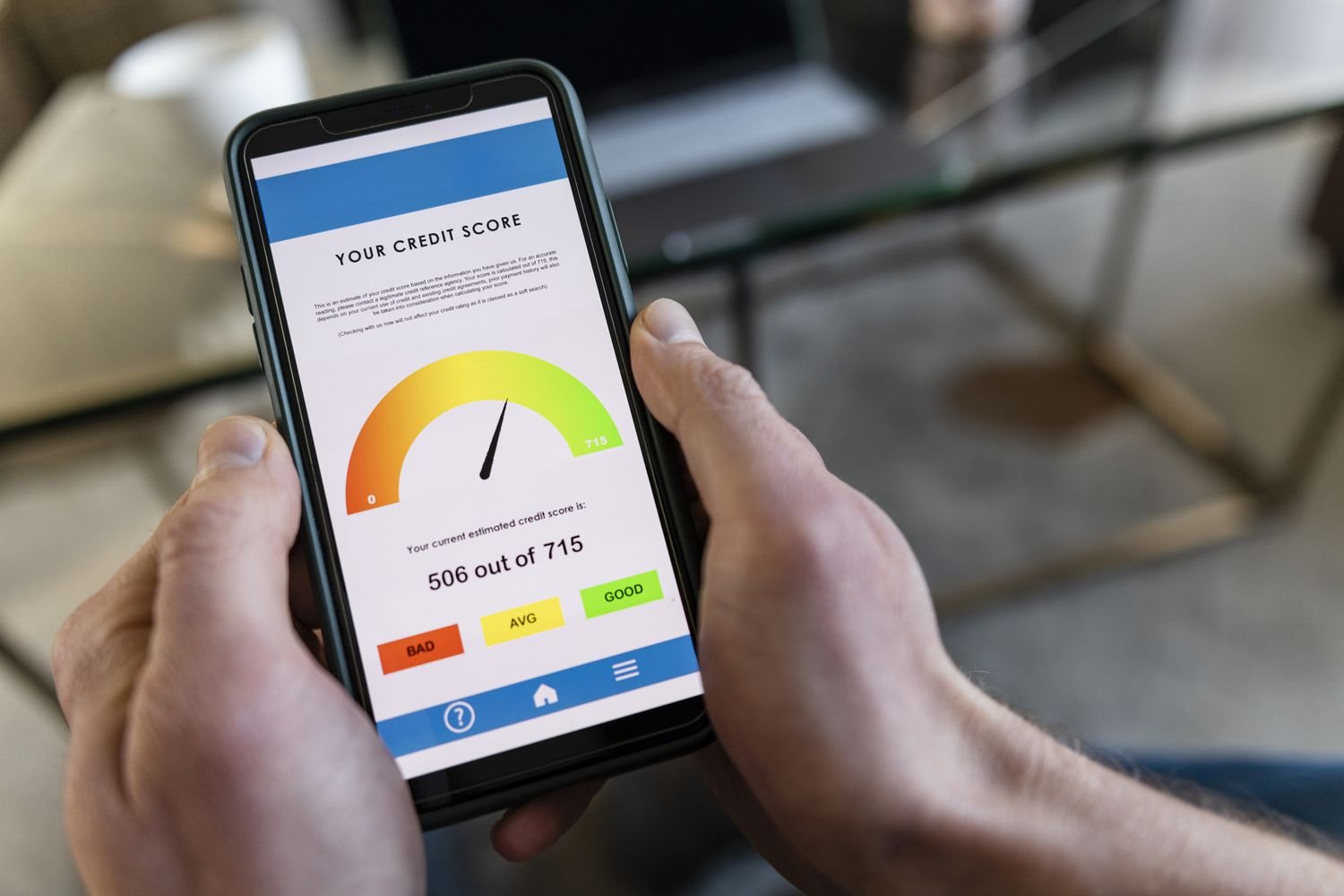
Seeing your credit score increase can be one of the most rewarding moments in your financial journey. Whether your score has gone up by a few points or made a significant jump, it’s often a sign that your recent credit habits are paying off. For many people, a higher credit score means they’re moving closer to qualifying for better credit cards, lower interest rates, higher borrowing limits, or even approval for a mortgage or auto loan.
However, if you’ve recently checked your credit score and noticed that it increased, you may be wondering exactly why it happened. Was it because you paid off your credit card? Did an old late payment lose its impact? Did your lender report new information to the credit bureaus? Or did your score simply update after your credit report changed?
The answer is that credit scores rarely increase by chance. They usually improve because something positive happened on your credit report. That could be making on-time payments, lowering your credit card balances, improving your credit utilization ratio, correcting an error, or simply allowing time to reduce the impact of older negative information.
Understanding why your credit score went up is just as important as celebrating the increase. Once you know what caused the improvement, you can continue practicing those same healthy financial habits and avoid actions that could reverse your progress.
In this guide, you’ll learn the most common reasons credit scores increase, how much your score can realistically improve, why some increases are larger than others, and what you can do to keep building stronger credit over time.
Why Seeing Your Credit Score Increase Is Exciting
A higher credit score is more than just a number—it represents positive financial behavior over time. Credit scoring models are designed to reward responsible credit management, so an increase often means you’re moving in the right direction.
An improving credit score may help you:
- Qualify for loans more easily.
- Receive lower interest rates on mortgages, auto loans, and personal loans.
- Increase your chances of approval for premium credit cards.
- Access higher credit limits.
- Pay less in borrowing costs over the life of a loan.
- Strengthen your overall financial profile.
Many people spend months working toward improving their credit, so seeing even a small increase can be encouraging. It confirms that your efforts—such as paying bills on time or reducing debt—are making a measurable difference.
Small Increases vs. Large Credit Score Jumps
Not every credit score increase looks the same. Some people see their score increase by just a few points, while others experience much larger improvements.
Small Increases (5–20 Points)
Most credit score increases happen gradually.
For example, your score may increase after:
- Making another month of on-time payments.
- Slightly lowering your credit card balance.
- Maintaining low credit utilization.
- Allowing older accounts to continue aging.
These smaller improvements are completely normal and often indicate that you’re consistently managing your credit responsibly.
Larger Credit Score Increases
Sometimes a credit score increases much more dramatically. This usually happens after a significant positive change, such as:
- Paying off a large portion of credit card debt.
- Removing a collection account from your credit report.
- Correcting inaccurate information through a successful dispute.
- Recovering after a temporary score drop caused by high credit utilization.
- Allowing a serious negative event to lose influence as it ages.
Large improvements are less common, but they can happen when an important factor affecting your credit score changes substantially.
Why Understanding the Reason Matters
Many people notice their credit score has gone up but never investigate why. While celebrating the improvement is understandable, knowing what caused it can help you make smarter financial decisions in the future.
For example:
- If your score increased because you lowered your credit card balances, you’ll know that keeping balances low is a habit worth maintaining.
- If your score improved after an old late payment became less influential, you’ll understand the value of consistent, long-term credit management.
- If correcting an error increased your score, you’ll appreciate the importance of reviewing your credit reports regularly.
Knowing the reason behind your score increase also helps you avoid accidentally reversing your progress. For instance, if your score improved because of low credit utilization, running your credit cards back up to high balances could cause your score to fall again.
Rather than viewing a higher credit score as a one-time achievement, think of it as feedback that your current financial habits are working.
Featured Snippet
Why did my credit score go up?
Your credit score may go up after making on-time payments, lowering your credit card balances, reducing your credit utilization, correcting errors on your credit report, or allowing negative information to age. Credit scores can also increase when lenders report positive account activity to the credit bureaus.
What Causes a Credit Score to Go Up?
Credit scores are calculated using information from your credit reports. Whenever positive information is added—or negative information becomes less influential—your score may increase.
Below are the most common reasons why credit scores improve.
1. Consistently Paying Bills on Time
Payment history is one of the most important factors in most credit scoring models.
Every time you make a payment on or before the due date, you’re building a positive payment history. Over time, a consistent record of on-time payments demonstrates to lenders that you’re a responsible borrower.
While a single on-time payment may not dramatically increase your score, months or years of timely payments can have a significant positive impact.
2. Lower Credit Card Balances
Credit card balances play a major role in your credit score.
If you’ve recently paid down your credit cards, your lender may have reported the lower balance to the credit bureaus. Once that updated information is reflected on your credit report, your credit score may increase.
Reducing balances lowers your overall debt and often improves one of the most important scoring factors: credit utilization.
3. Better Credit Utilization
Credit utilization measures how much of your available revolving credit you’re using.
For example:
- Credit limit: $10,000
- Credit card balance: $2,000
- Credit utilization: 20%
Generally, lower utilization is viewed more favorably by credit scoring models. Many financial experts recommend keeping utilization below 30%, while lower percentages—such as under 10%—may benefit some borrowers even more.
If you’ve recently reduced your utilization, it’s common to see your credit score improve after your lender reports the updated balance.
4. Older Credit Accounts
The length of your credit history also affects your credit score.
As your accounts remain open and continue showing positive payment history, they become older and more established. A longer credit history gives lenders more information about how you’ve managed credit over time.
While account age increases gradually, it can contribute to long-term credit score improvements.
5. Positive Reporting from Lenders
Most lenders regularly report account information to the major credit bureaus.
Positive updates may include:
- Another month of on-time payments.
- Lower credit card balances.
- Responsible loan repayment.
- Continued good standing on your accounts.
Once this new information appears on your credit report, your credit score may increase accordingly.
6. Removal of Negative Items
Negative information doesn’t remain equally influential forever.
In some situations:
- Errors are corrected after disputes.
- Fraudulent accounts are removed.
- Collection accounts may no longer appear on your report after meeting reporting rules.
- Older negative information gradually has less impact as time passes.
Removing inaccurate or outdated negative information can result in noticeable credit score improvements.
Credit Scores Usually Increase Gradually
One of the biggest misconceptions about credit scores is that they should increase dramatically every month.
In reality, steady progress is far more common than sudden jumps.
Typical Credit Score Increases
Many consumers experience increases of approximately:
- 5–10 points after positive account updates.
- 10–20 points following several months of responsible credit use.
These smaller gains may not seem dramatic, but over time they can add up to meaningful improvements.
For example, increasing your score from 660 to 720 over the course of a year could significantly improve your borrowing opportunities and potentially help you qualify for better loan terms.
Larger Improvements After Major Changes
More substantial increases often occur after significant events, such as:
- Paying off large credit card balances.
- Resolving reporting errors.
- Recovering from previously high credit utilization.
- Allowing serious negative information to age.
The size of any increase depends on your overall credit profile and the specific changes reflected in your credit reports.
Why Overnight Improvements Are Uncommon
Many people expect their credit score to increase immediately after making a payment.
However, credit scores usually don’t update the moment you pay a bill.
Instead:
- You make a payment.
- Your lender reports the updated information.
- The credit bureau updates your credit report.
- A new credit score is calculated.
Depending on your lender’s reporting schedule, this process may take several days or even a few weeks.
For that reason, patience is an important part of building credit.
Real-Life Example
Sarah had a credit card with a $5,000 credit limit and a balance of $4,000, giving her a credit utilization rate of 80%.
She decided to make a large payment and reduced her balance to $1,000, lowering her utilization to 20%.
Although she didn’t see an immediate change, her credit card issuer reported the updated balance to the credit bureaus a few weeks later.
After the new information appeared on her credit report, her credit score increased because her credit utilization had improved significantly. Combined with her history of on-time payments, the lower balance demonstrated more responsible credit management.
Key Takeaway
A higher credit score is usually the result of positive financial behavior, not luck. Making on-time payments, reducing credit card balances, improving your credit utilization, maintaining older accounts, allowing lenders to report positive activity, and correcting errors on your credit report are some of the most common reasons credit scores increase.
Most improvements happen gradually, with gains of 5 to 20 points being common over time. Larger increases typically occur after significant positive changes, such as paying down substantial debt or removing inaccurate negative information.
How Positive Credit Habits Help Your Credit Score Increase
If you’ve recently noticed your credit score increase, you’re probably wondering exactly what caused it. While every person’s credit profile is unique, most credit score improvements happen because of a few key factors that credit scoring models reward over time.
The good news is that many of these factors are within your control. By consistently making smart financial decisions, you can continue building stronger credit and improve your chances of qualifying for better loans, lower interest rates, and more favorable credit terms.
In this section, we’ll explore how payment history, credit utilization, credit limit increases, aging accounts, and corrected credit report errors can work together to help raise your credit score.
Paying Bills on Time: The Foundation of Good Credit
One of the biggest reasons credit scores increase is a strong payment history.
Every month, lenders report whether you’ve paid your accounts on time. Consistently making payments by the due date shows lenders that you’re a responsible borrower who manages debt reliably.
Payment history is one of the most influential factors in both FICO® Scores and VantageScore® credit scoring models. Even if you’ve recently improved other areas of your credit profile, missing payments can significantly reduce the positive impact of those improvements.
Why On-Time Payments Matter
Each successful payment helps establish trust with future lenders.
Over time, your credit report begins showing a consistent pattern of responsible borrowing, making you appear less risky when applying for new credit.
Examples of accounts that contribute to your payment history include:
- Credit cards
- Auto loans
- Student loans
- Mortgages
- Personal loans
- Some reported utility or telecom accounts
The longer you maintain an uninterrupted history of on-time payments, the stronger your credit profile becomes.
Can One On-Time Payment Increase Your Credit Score?
Sometimes—but not always.
If you’re rebuilding credit after previous financial difficulties, one positive payment may contribute to a small improvement.
However, larger credit score increases typically happen after several months of consistent on-time payments.
Think of payment history as a long-term habit rather than a one-time event.
Lower Credit Card Balances
Another common reason credit scores increase is reducing outstanding credit card balances.
When you pay down revolving debt, you decrease the amount of available credit you’re using. This often leads to an improvement in your credit utilization ratio.
For example:
- Credit limit: $5,000
- Previous balance: $4,000
- New balance: $1,000
Your debt has decreased substantially, making your overall credit profile stronger.
Lower balances also demonstrate that you’re relying less heavily on borrowed money, which many lenders view positively.
Why Paying Off Credit Cards Can Help
Credit scoring models generally reward borrowers who use credit responsibly.
Reducing balances may:
- Lower financial risk.
- Improve credit utilization.
- Increase available revolving credit.
- Show responsible debt management.
Remember, however, that paying off your balance doesn’t necessarily cause your score to increase immediately. Your lender usually needs to report the updated balance before the change appears on your credit report.
Better Credit Utilization
Credit utilization refers to the percentage of your available revolving credit that you’re currently using.
It is calculated using the following formula:
Credit Utilization = Current Balance ÷ Total Credit Limit × 100
Example
Suppose you have:
- Total credit limit: $10,000
- Current balance: $8,000
Your utilization is:
80%
After paying your balance down to $2,000, your utilization becomes:
20%
This is a significant improvement and may contribute to a higher credit score once your lender reports the updated balance.
Why Lower Utilization Helps
High utilization can suggest financial stress.
Lower utilization indicates that you’re managing your available credit responsibly and not relying too heavily on borrowed funds.
Although there is no universally perfect utilization percentage, many financial experts recommend keeping it below 30%.
Some borrowers with excellent credit maintain utilization below 10%, although individual results vary.
Utilization Is Dynamic
Unlike some credit score factors, utilization can change every month.
This means your credit score can also change relatively quickly depending on your reported balances.
For example:
- You charge several large purchases.
- Your utilization temporarily rises.
- Your score may decrease.
Later:
- You pay off those purchases.
- Your lender reports the lower balance.
- Your utilization improves.
- Your score may increase again.
Because utilization updates frequently, it’s one of the few credit factors that borrowers can often influence within a relatively short period.
Credit Limit Increases Can Improve Your Score
Receiving a higher credit limit can sometimes improve your credit score—even if you don’t pay off additional debt.
Here’s why.
Suppose you have:
- Credit limit: $5,000
- Balance: $2,000
Your utilization is:
40%
Later, your credit card company increases your credit limit to $10,000, while your balance remains $2,000.
Your utilization immediately drops to:
20%
Without spending any extra money or making another payment, your utilization has improved significantly.
If the increased limit is reported to the credit bureaus, your credit score may increase because your overall credit utilization has decreased.
Should You Use the Extra Credit?
A higher limit is helpful only if you continue managing your spending responsibly.
If you immediately increase your balance to match your new limit, your utilization may rise again, potentially reducing your credit score.
A credit limit increase is most beneficial when it provides additional available credit without encouraging unnecessary borrowing.
Aging Credit Accounts
Time plays an important role in building strong credit.
The longer your accounts remain open and continue showing positive payment history, the more established your credit profile becomes.
Older accounts demonstrate stability and provide lenders with a longer record of your borrowing behavior.
Why Older Accounts Matter
Imagine two borrowers.
Borrower A
- Oldest account: 8 years
- No missed payments
- Several well-managed accounts
Borrower B
- Oldest account: 8 months
- Limited credit history
Even if both borrowers currently manage credit responsibly, the first borrower generally has a more established credit history.
A longer history gives lenders greater confidence because there is more evidence of responsible financial behavior over time.
Should You Close Old Credit Cards?
In many situations, closing an older credit card may not be beneficial.
Keeping older accounts open—provided there are no significant annual fees and you can manage them responsibly—may help preserve the length of your credit history.
Before closing any long-standing account, consider how it may affect both your available credit and the average age of your accounts.
Correcting Credit Report Errors
Sometimes a credit score increases because inaccurate information has been removed from a credit report.
Credit report errors can include:
- Incorrect late payments.
- Accounts that don’t belong to you.
- Duplicate accounts.
- Incorrect balances.
- Fraudulent accounts caused by identity theft.
If these errors negatively affected your credit score, correcting them may lead to a noticeable improvement.
Reviewing Your Credit Reports
Regularly reviewing your credit reports allows you to identify mistakes before they become larger problems.
Pay attention to:
- Personal information.
- Account balances.
- Payment history.
- Account ownership.
- Collection accounts.
- Public records.
If you discover inaccurate information, you may have the right to dispute it with the relevant credit bureau.
When Corrections Can Improve Your Credit Score
Suppose a lender mistakenly reports a missed payment that never occurred.
Your credit score may decrease because payment history is an important scoring factor.
After successfully disputing the error:
- The inaccurate late payment is removed.
- Your credit report reflects the correct information.
- Your credit score may increase accordingly.
The exact improvement depends on your overall credit profile and the significance of the corrected information.
How These Factors Work Together
Credit score improvements rarely happen because of a single action.
Instead, several positive habits often reinforce one another.
For example:
- You make every payment on time.
- You reduce your credit card balances.
- Your utilization drops below 30%.
- Your lender reports the lower balance.
- Your accounts continue aging.
- An incorrect late payment is removed.
Each positive change strengthens your overall credit profile.
Rather than chasing quick fixes, focus on building consistent habits that improve multiple areas of your credit over time.
Real-Life Example
Michael had been working to rebuild his credit after carrying high credit card balances for several years.
Over six months, he:
- Made every payment on time.
- Reduced his credit card utilization from 75% to 18%.
- Received a credit limit increase from one of his credit card issuers.
- Successfully disputed an incorrect late payment that appeared on one of his credit reports.
As lenders reported these positive updates, his credit score gradually increased. No single action caused the improvement—instead, several responsible financial habits worked together to strengthen his overall credit profile.
Key Takeaway
Credit score increases are usually the result of consistent positive financial behavior rather than one dramatic event. Paying bills on time, lowering credit card balances, improving credit utilization, receiving responsible credit limit increases, maintaining older accounts, and correcting credit report errors all contribute to building stronger credit over time.
While some improvements may appear quickly after lenders report updated information, lasting credit growth comes from maintaining these habits month after month.
How Much Can Your Credit Score Increase?
Improving your credit score is a long-term process, but many people wonder how quickly they can expect results. If your score has already increased, you may be asking questions like:
- How many points can my credit score go up?
- How long does it take to improve my credit score?
- Why did one website show a bigger increase than another?
- Can my higher credit score drop again?
The answers depend on several factors, including your current credit profile, the changes you’ve made, how quickly lenders report new information, and which credit scoring model you’re viewing.
In this section, you’ll learn what realistic credit score improvements look like, how long they typically take, why different websites may display different increases, and how to protect the progress you’ve already made.
How Much Can Your Credit Score Increase?
There is no fixed number of points that every person’s credit score will increase.
Some people may see only a small improvement after a month of responsible credit use, while others may experience much larger gains after resolving significant credit issues.
The amount your score increases depends on factors such as:
- Your starting credit score.
- Your payment history.
- Your credit utilization.
- The amount of debt you owe.
- The length of your credit history.
- Recent credit applications.
- The types of accounts on your credit report.
- Whether negative information has been removed.
Every credit profile is different, so comparing your progress to someone else’s can be misleading.
A 10-Point Increase
A 10-point increase is one of the most common improvements.
You might see this after:
- Making another month of on-time payments.
- Paying down part of a credit card balance.
- Keeping your utilization consistently low.
- Allowing recent positive account activity to be reported.
While 10 points may seem small, several increases like this throughout the year can add up to meaningful progress.
A 30-Point Increase
A 30-point improvement often reflects more significant positive changes.
Examples include:
- Paying off a large portion of revolving debt.
- Correcting an inaccurate late payment.
- Maintaining several months of perfect payment history.
- Recovering from previously high credit utilization.
For many borrowers, a 30-point increase may improve their chances of qualifying for better loan terms.
A 50-Point Increase
Larger increases usually occur when multiple positive factors improve at the same time.
For example:
- You reduce your credit card balances significantly.
- Your payment history remains perfect.
- An old collection account loses influence or is removed where applicable.
- Your credit utilization falls well below 30%.
These combined improvements may produce a noticeable increase over several months.
Can Your Credit Score Increase by 100 Points?
Yes—but it’s usually not an overnight process.
Some consumers experience increases of 100 points or more after rebuilding damaged credit.
This often happens when they:
- Recover from serious financial difficulties.
- Establish a long record of on-time payments.
- Pay off substantial debt.
- Correct major reporting errors.
- Allow older negative information to age.
Significant improvements require patience and consistent financial habits.
How Long Does It Take for Your Credit Score to Increase?
One of the most common misconceptions is that credit scores improve immediately after making a payment.
In reality, improvements usually happen after new account information is reported to the credit bureaus.
Within 30 Days
Some people notice improvements within one billing cycle.
This may happen after:
- Paying down credit card balances.
- Lowering credit utilization.
- Receiving updated information from lenders.
However, the timing depends on when your lender reports account activity.
Three to Six Months
Many consumers see more meaningful progress after several months of consistently positive behavior.
During this period, you may:
- Build a stronger payment history.
- Continue reducing balances.
- Avoid missed payments.
- Maintain responsible credit usage.
Consistency is often more important than speed.
Six Months to One Year
Larger improvements often require more time.
If you’re rebuilding credit after financial setbacks, maintaining responsible habits for six months to a year can result in significant progress.
Patience is especially important if you’re recovering from:
- Late payments.
- Collections.
- High credit utilization.
- Multiple hard inquiries.
- Previous financial hardship.
Why Different Websites May Show Different Increases
You may notice that one website says your credit score increased by 15 points, while another shows only a 7-point increase.
This is usually normal.
Different websites often use:
- Different credit bureaus.
- Different scoring models.
- Different reporting dates.
For example:
One service may calculate your score using information from Experian, while another uses TransUnion or Equifax.
Similarly, one website may display a FICO® Score, while another provides a VantageScore®.
If the underlying information differs slightly, the amount of your score increase may also differ.
Different Update Schedules
Not every credit monitoring service updates your information at the same time.
For example:
- One website updates today.
- Another updates next week.
- A third updates only after your lender reports new activity.
Because of these different reporting schedules, temporary differences between websites are common.
If you’ve already read our guide on Why Is My Credit Score Different on Different Websites?, you’ll know that these variations are a normal part of the credit reporting process.
Can Your Higher Credit Score Drop Again?
Yes.
A higher credit score is not permanent.
Just as positive financial habits can improve your score, negative actions may cause it to decrease.
Common reasons a credit score may fall again include:
- Missing a payment.
- Increasing credit card balances.
- Applying for several new credit accounts.
- Closing older credit accounts in certain situations.
- Defaulting on a loan.
- Allowing accounts to become delinquent.
The good news is that many of these situations are avoidable through responsible financial management.
Protecting Your Progress
Once your credit score improves, maintaining it becomes the next goal.
Continue practicing healthy credit habits by:
- Paying every bill on time.
- Keeping utilization low.
- Monitoring your credit reports regularly.
- Avoiding unnecessary borrowing.
- Reviewing your credit score monthly.
Good credit is built through consistency, not occasional effort.
Common Mistakes That Can Slow or Reverse Progress
Many people improve their credit score only to unknowingly reverse their progress.
Avoid these common mistakes.
Missing One Payment
Even a single missed payment can negatively affect your credit score.
Setting up automatic payments or reminders can help reduce the risk of missing due dates.
Running Up Credit Card Balances Again
After paying off debt, it’s tempting to start using available credit more aggressively.
Higher balances increase your credit utilization and may lower your score when reported.
Applying for Too Much Credit
Submitting multiple credit applications within a short period may result in several hard inquiries.
Although each inquiry may have only a small impact, multiple applications can raise concerns for lenders.
Closing Old Credit Accounts Without Considering the Impact
Closing an older account may reduce your available credit and affect the average age of your accounts.
Before closing long-standing accounts, consider how the decision may affect your overall credit profile.
Ignoring Your Credit Reports
Mistakes can happen.
Reviewing your credit reports regularly allows you to identify:
- Reporting errors.
- Fraudulent accounts.
- Incorrect balances.
- Identity theft.
Early detection makes problems easier to resolve.
Credit Monitoring Strategy
Monitoring your credit doesn’t mean checking it every day.
Instead, create a consistent routine.
A good monthly strategy includes:
- Reviewing your credit score.
- Checking recent account activity.
- Confirming that payments were reported correctly.
- Monitoring your credit utilization.
- Looking for unfamiliar accounts or suspicious activity.
- Reviewing your full credit reports periodically.
Regular monitoring helps you identify both positive improvements and potential problems before they become more serious.
Real-Life Example
Emily had been rebuilding her credit for nearly a year.
She consistently:
- Paid every bill before the due date.
- Reduced her credit card utilization from 65% to 12%.
- Avoided applying for unnecessary credit.
- Reviewed her credit reports every month.
Over time, she noticed her credit score increasing across several credit monitoring services.
One website showed a 12-point increase, while another showed an 18-point increase.
Although the numbers weren’t identical, both reflected the same positive trend—her credit profile was becoming stronger because of her responsible financial habits.
Rather than focusing on the exact number of points, Emily continued practicing the habits that caused her score to improve in the first place.
Key Takeaway
There is no guaranteed number of points your credit score will increase, and improvements happen at different speeds for different people. Small increases of 5 to 20 points are common, while larger gains often result from multiple positive changes over several months or even years.
It’s also normal for different websites to display different increases because they may use different credit bureaus, scoring models, or update schedules. What matters most is the overall direction of your credit health—not whether every service shows the exact same score.
Most importantly, remember that a higher credit score isn’t permanent. Continuing to make on-time payments, keeping your credit utilization low, monitoring your credit reports, and avoiding unnecessary debt will help protect the progress you’ve worked hard to achieve.
Frequently Asked Questions (FAQs)
1. Why did my credit score go up?
Your credit score may have increased because you made on-time payments, lowered your credit card balances, improved your credit utilization, corrected an error on your credit report, or allowed older negative information to have less impact over time.
2. Is it normal for my credit score to go up?
Yes. Credit scores naturally increase when positive financial information is added to your credit report and you consistently manage credit responsibly.
3. Why did my credit score go up after paying my credit card?
Paying down your credit card balance lowers your credit utilization ratio. Once your lender reports the updated balance to the credit bureaus, your credit score may increase.
4. Can my credit score increase overnight?
Usually not. Most increases occur after your lender reports updated account information, which may take several days or weeks.
5. How many points can my credit score increase in one month?
There is no guaranteed number. Some people may see an increase of 5 to 20 points, while others may experience larger or smaller changes depending on their credit profile.
6. Can paying off all my debt increase my credit score?
In many cases, yes. Paying off debt may improve your credit utilization and overall credit profile. However, the exact impact varies depending on your individual credit history.
7. Why did one website show a larger increase than another?
Different websites may use different credit bureaus, scoring models, or update schedules, which can result in different score increases.
8. Does checking my own credit score increase it?
No. Checking your own credit score is a soft inquiry and does not directly increase or decrease your score.
9. Can a credit limit increase improve my credit score?
Yes. If your balance stays the same, a higher credit limit lowers your credit utilization ratio, which may positively affect your score.
10. Why did my score increase without paying off all my debt?
Even reducing your balances, maintaining on-time payments, or allowing positive account history to build can improve your credit score.
11. Will removing an error from my credit report increase my score?
It can. If the error negatively affected your credit profile, correcting it may result in a higher credit score.
12. How often do credit scores increase?
Credit scores update whenever new information is reported. Depending on your lenders, this often happens monthly.
13. Can becoming an authorized user improve my credit score?
In some situations, being added as an authorized user to a well-managed credit card account may help improve your credit history. Results vary depending on the scoring model and account history.
14. Why did my Experian score increase but my TransUnion score didn’t?
The two credit bureaus may have received different information or updated your credit reports at different times.
15. Is a higher credit score permanent?
No. Your credit score can decrease if your financial habits change or negative information is added to your credit report.
16. Should I keep checking my credit score after it improves?
Yes. Regular monitoring helps you identify both positive changes and potential problems early.
17. Can paying collections improve my credit score?
It depends on the scoring model and the specific collection account. In some cases, paying collections may help, while in others the impact may be limited.
18. Does keeping old credit cards open help?
Often, yes. Older accounts can contribute positively to the length of your credit history if they remain in good standing.
19. What is the fastest way to improve my credit score?
For many people, lowering credit utilization, making every payment on time, correcting errors, and avoiding unnecessary hard inquiries can produce the fastest improvements.
20. What matters more than a single score increase?
Long-term financial habits. Consistently managing credit responsibly is far more important than focusing on one month’s score change.
Myths vs. Facts
| Myth | Fact |
|---|---|
| Credit scores only go down. | Responsible financial habits can improve your credit score over time. |
| Paying off one credit card instantly creates excellent credit. | Most improvements happen after lenders report updated information and positive habits continue over time. |
| A higher credit score is permanent. | Credit scores can rise or fall depending on your financial behavior. |
| Every website should show the same score increase. | Different websites often use different credit bureaus, scoring models, and update schedules. |
| Checking your own credit score improves it. | Checking your own score has no direct impact on your credit score. |
| Closing all credit cards helps your score. | Closing accounts may reduce available credit and affect your utilization or account age. |
| One late payment won’t matter. | Even a single missed payment may negatively affect your credit score. |
| Building good credit happens quickly. | Good credit is built through consistent financial habits over time. |
30-Day Credit Improvement Plan
Week 1
- Review your latest credit score.
- Confirm all recent payments were made on time.
- Check your current credit card balances.
Week 2
- Review your credit reports for errors.
- Dispute inaccurate information if necessary.
- Create reminders for future payment due dates.
Week 3
- Pay down high credit card balances if possible.
- Keep your credit utilization below 30%.
- Avoid applying for unnecessary new credit.
Week 4
- Review your progress.
- Compare your latest credit score with the previous month.
- Continue maintaining positive financial habits.
Repeating this process every month can help you build stronger credit over time.
Beginner’s Checklist
If you’re working toward a higher credit score, follow these basic principles:
- ✔ Pay every bill on time.
- ✔ Keep credit utilization below 30%.
- ✔ Review your credit reports regularly.
- ✔ Monitor your credit score monthly.
- ✔ Avoid unnecessary hard inquiries.
- ✔ Keep older accounts open when appropriate.
- ✔ Correct errors on your credit reports promptly.
- ✔ Practice responsible borrowing.
When Should You Seek Professional Help?
Consider speaking with a qualified financial professional or a reputable nonprofit credit counseling agency if you:
- Are struggling to manage debt.
- Have missed several payments.
- Discover identity theft or fraudulent accounts.
- Find credit report errors you cannot resolve.
- Need guidance before applying for a mortgage or another major loan.
Professional advice can help you develop a strategy based on your specific financial situation.
Continue Learning
Continue building your credit knowledge with these related guides:
- What Is a Credit Score?
- How Credit Scores Are Calculated
- What Is a Good Credit Score?
- Why Did My Credit Score Drop?
- Why Is My Credit Score Different on Different Websites?
- How Long Does It Take to Build Credit?
- What Is Credit Utilization?
- How Often Does Your Credit Score Update?
- Credit Score vs. Credit Report
- How to Read Your Credit Report
Trusted U.S. Credit Resources
For reliable and up-to-date information about credit reports and credit scores, consult these trusted organizations:
- Consumer Financial Protection Bureau (CFPB) – Educational information about credit reports, credit scores, loans, and consumer rights.
- AnnualCreditReport.com – The official website where eligible consumers can obtain free credit reports from Equifax, Experian, and TransUnion.
- myFICO® – Resources explaining how FICO® Scores work and the factors that influence them.
- VantageScore® – Information about the VantageScore® credit scoring model and how it differs from other scoring systems.
- Federal Trade Commission (FTC) – Guidance on identity theft, fraud prevention, and consumer protection.
Financial Disclaimer
This article is for educational purposes only and should not be considered financial, legal, tax, or credit advice. Credit scoring models vary, and individual financial situations differ. Before making major financial decisions, consider consulting a qualified financial professional or contacting your lender directly.
Conclusion
A higher credit score is usually the result of consistent positive financial habits—not luck. Making on-time payments, lowering your credit card balances, improving your credit utilization, maintaining older accounts, correcting errors on your credit report, and allowing negative information to age are all common reasons credit scores improve.
While it’s exciting to see your score increase, the most important goal is maintaining the habits that caused the improvement. Responsible credit management isn’t about achieving one perfect score—it’s about building a strong financial foundation that benefits you for years to come.
By understanding what causes credit scores to rise and continuing to practice good credit habits, you’ll be in a better position to qualify for favorable loan terms, lower interest rates, and greater financial opportunities in the future.
Table of Contents

Blessing Thagisa is a personal finance writer and researcher at Clear Money Steps, specializing in credit scores, credit reports, loans, budgeting, and consumer financial education. He is passionate about making complex financial topics easy to understand through accurate, practical, and well-researched guides. His goal is to help readers build strong financial habits, improve their credit, and make confident money decisions with clear, trustworthy information.