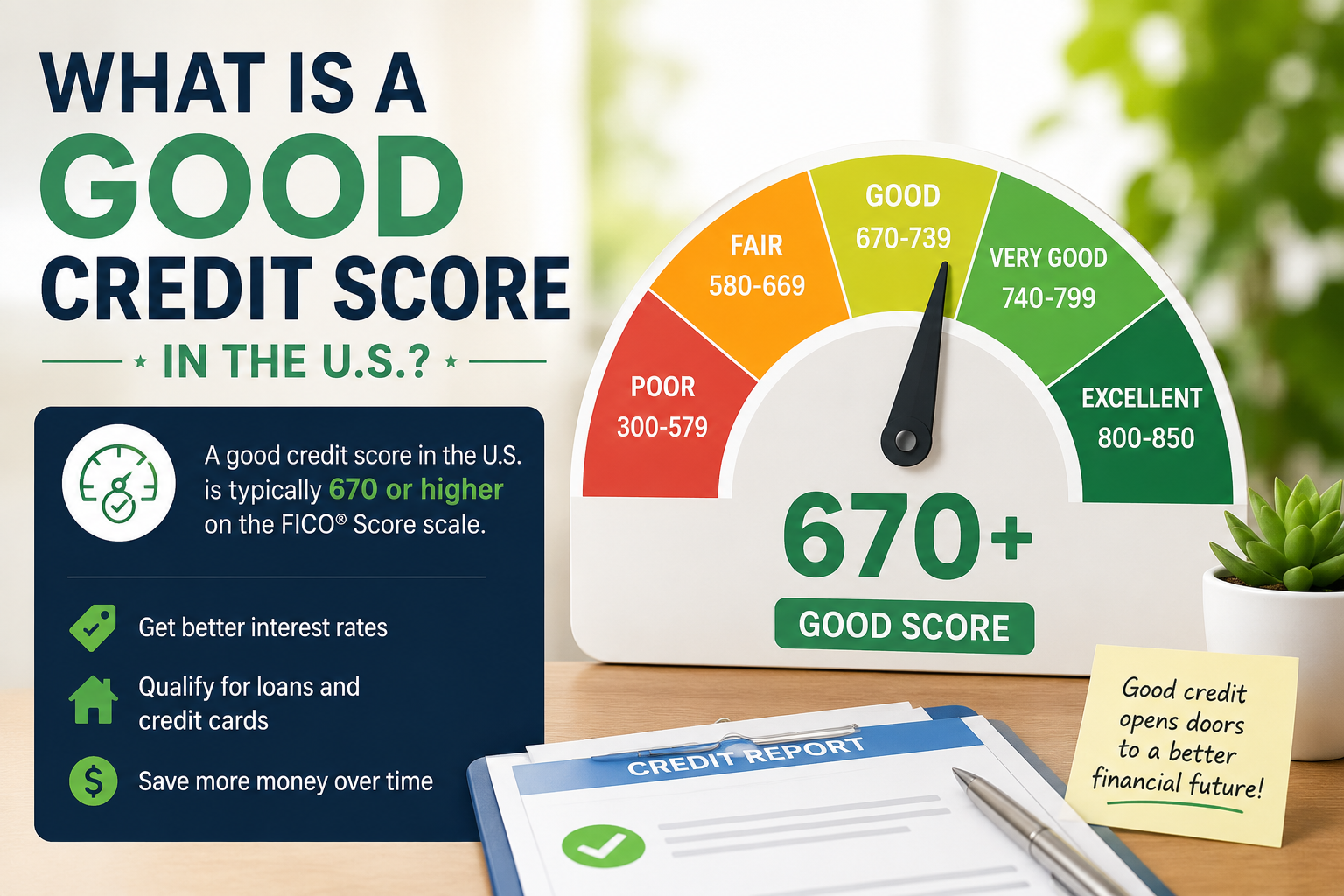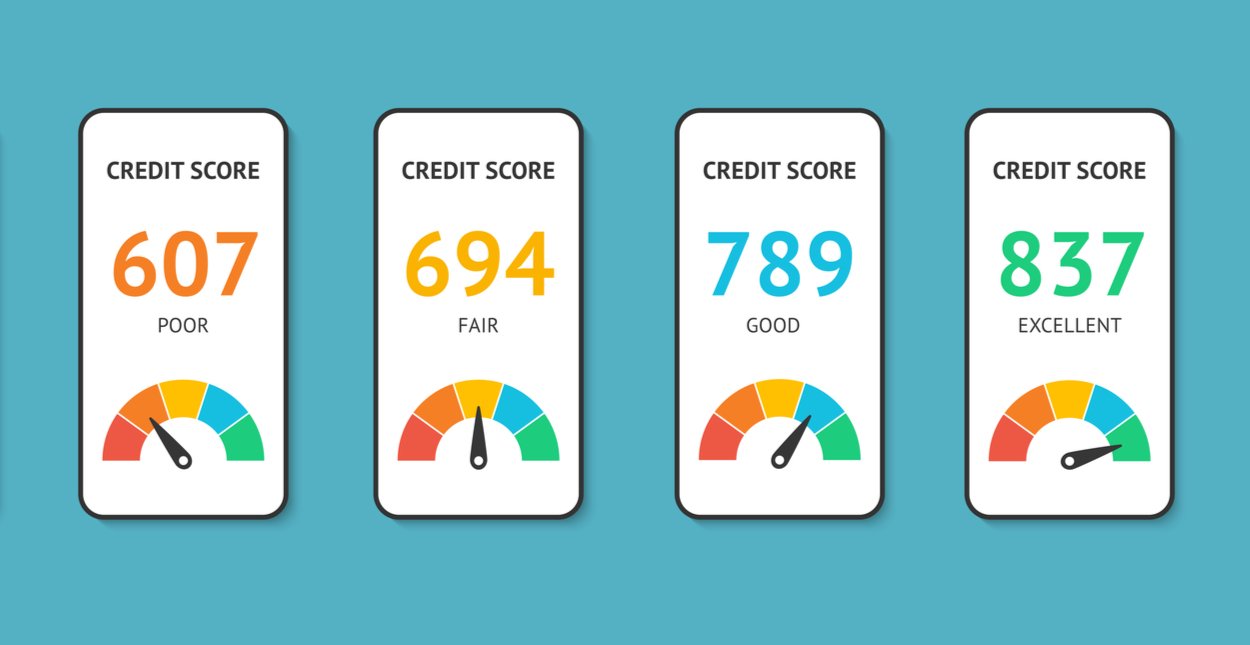
A high credit score is often viewed as one of the strongest signs of good financial health. It tells lenders that you’ve managed credit responsibly over time and may be a lower-risk borrower. Because of this, people with higher credit scores often qualify for better loan options, lower interest rates, higher credit limits, and more favorable borrowing terms.
If you’ve been working to improve your credit, you may have wondered, “What is the highest credit score possible?” You may have even heard people talk about achieving a “perfect” credit score of 850 and wondered whether it’s realistic—or even necessary.
The good news is that while a perfect credit score is possible under the most commonly used credit scoring models, very few people actually achieve it. More importantly, you don’t need a perfect score to enjoy most of the benefits of excellent credit.
Many lenders treat borrowers with scores well below 850 as exceptionally creditworthy. In fact, once your score reaches the upper end of the “excellent” range, you may already qualify for the same competitive mortgage rates, auto loan rates, and premium credit cards as someone with a perfect score.
Understanding what the highest credit score is—and what it really means—can help you set realistic financial goals. Rather than chasing an exact number, it’s often more beneficial to focus on maintaining healthy credit habits that keep your score strong over the long term.
In this guide, you’ll learn what the highest possible credit score is, how FICO® Scores and VantageScore® models measure credit, whether an 850 score is truly perfect, why so few consumers reach it, and why an excellent credit score may be more important than a perfect one.
What Does a High Credit Score Mean?
A high credit score indicates that you’ve consistently managed credit responsibly.
Although every lender has its own approval criteria, a strong credit score generally suggests that you:
- Pay your bills on time.
- Keep credit card balances at manageable levels.
- Have a history of using credit responsibly.
- Avoid excessive borrowing.
- Maintain a stable credit profile over time.
Lenders use credit scores as one of several tools to estimate how likely a borrower is to repay money as agreed.
The higher your score, the more confidence lenders may have in your ability to manage debt responsibly.
A high credit score may help you:
- Qualify for lower interest rates.
- Improve your chances of loan approval.
- Receive higher credit limits.
- Access premium credit card offers.
- Save money on borrowing costs over time.
While your credit score isn’t the only factor lenders consider, it plays an important role in many lending decisions.
Why Many People Want an 850 Credit Score
For many consumers, an 850 credit score has become the ultimate financial milestone.
It’s often referred to as the “perfect credit score” because it represents the highest score available under the most widely used FICO® Score and VantageScore® models.
People often assume that reaching 850 means:
- Guaranteed loan approval.
- The lowest possible interest rates.
- Unlimited borrowing power.
- Complete financial security.
However, these assumptions aren’t entirely accurate.
Although an 850 credit score reflects outstanding credit management, lenders evaluate many other factors in addition to your credit score, including:
- Income.
- Employment history.
- Existing debt.
- Savings and assets.
- Loan amount.
- Debt-to-income ratio.
An excellent credit score opens many doors, but it doesn’t automatically guarantee approval for every financial product.
Why a Perfect Credit Score Isn’t Necessary
One of the biggest misconceptions about credit scores is that everyone should aim for a perfect 850.
In reality, that’s usually unnecessary.
Many lenders reserve their best loan offers for borrowers who already have excellent credit—even if their score isn’t perfect.
For example, someone with a score of 800 or 820 may qualify for exactly the same mortgage interest rate as someone with an 850 score.
Once you reach the excellent credit range, the practical benefits of adding another 20 or 30 points may be very small.
Instead of focusing on achieving perfection, it’s usually more beneficial to:
- Make every payment on time.
- Keep credit utilization low.
- Avoid unnecessary debt.
- Monitor your credit reports regularly.
- Continue practicing responsible financial habits.
These behaviors contribute to long-term financial health regardless of whether your score ever reaches 850.
Featured Snippet
What is the highest credit score possible?
The highest credit score possible is 850 under the most widely used FICO® Score and VantageScore® models. While an 850 credit score is considered perfect, very few consumers achieve it, and you generally don’t need a perfect score to qualify for excellent loan terms.
What Is the Highest Credit Score Possible?
Although there are several credit scoring models used in the United States, the highest possible score under the most widely used systems is 850.
Let’s look at how the major scoring models compare.
FICO® Score Range: 300–850
FICO® Scores are among the most widely used credit scores by lenders in the United States.
Most FICO® Score versions use the following range:
- Lowest score: 300
- Highest score: 850
Your FICO® Score is calculated using information found in your credit reports, including factors such as payment history, amounts owed, length of credit history, new credit, and credit mix.
The closer your score is to 850, the stronger your credit profile generally appears to lenders.
VantageScore® 3.0 and 4.0: 300–850
VantageScore® is another major credit scoring model developed by the three nationwide credit bureaus:
- Equifax
- Experian
- TransUnion
Both VantageScore® 3.0 and VantageScore® 4.0 also use a range of:
- Lowest score: 300
- Highest score: 850
Although FICO® and VantageScore® calculate scores differently, both models agree that 850 represents the highest possible score under their standard versions.
What About Older Credit Scoring Models?
Some older credit scoring systems used different scoring ranges.
For example:
- Certain industry-specific models used different maximum scores.
- Some specialized lending models have ranges that differ from the standard 300–850 scale.
- Older educational credit scores sometimes displayed different ranges depending on the provider.
Because of these variations, consumers occasionally encounter different maximum scores depending on which credit score they’re viewing.
However, for the credit scores most consumers see today, 850 is the highest possible score.
Why Do Some People Think Credit Scores Go to 900?
Many people believe the highest credit score is 900.
This misunderstanding often comes from:
- Older credit scoring systems.
- Specialized industry scoring models.
- Credit monitoring websites using different educational scores.
- Information shared online without explaining which scoring model is being discussed.
In everyday consumer lending, however, most borrowers will encounter credit scores that range from 300 to 850.
If someone claims to have a 900 credit score, they’re likely referring to a different scoring model rather than the standard FICO® Score or VantageScore® used by most lenders.
Is 850 the Perfect Credit Score?
Yes.
Under the standard FICO® Score and VantageScore® models, 850 is considered a perfect credit score.
It represents the highest possible score available under these systems.
However, reaching a perfect score doesn’t necessarily mean someone manages money flawlessly.
Instead, it reflects an exceptionally strong credit profile based on the information contained in their credit reports.
An 850 Credit Score Is Extremely Rare
Although millions of Americans have excellent credit, only a relatively small percentage achieve a perfect 850 score.
That’s because maintaining flawless credit behavior over many years can be difficult.
Even financially responsible consumers may experience temporary score fluctuations due to:
- Higher credit card balances before making payments.
- Opening a new credit card.
- Financing a vehicle.
- Taking out a mortgage.
- Applying for additional credit.
These normal financial activities may cause small changes in a credit score without indicating poor financial management.
Excellent Financial Habits Matter More Than Perfection
Consumers who reach an 850 credit score often have several characteristics in common.
They typically:
- Pay every bill on time.
- Keep credit utilization consistently low.
- Maintain long-established credit accounts.
- Use different types of credit responsibly.
- Avoid unnecessary hard inquiries.
- Monitor their credit reports regularly.
These habits—not luck—help build exceptionally strong credit over many years.
Why Most People Never Reach 850
Many people maintain excellent credit throughout their lives but never achieve a perfect score.
That doesn’t mean they’re doing anything wrong.
Several normal financial activities can prevent someone from reaching 850.
Normal Borrowing Behavior
Responsible consumers continue using credit.
They:
- Make purchases using credit cards.
- Finance vehicles.
- Obtain mortgages.
- Open new accounts when necessary.
Because credit scores constantly adjust as new information is reported, normal borrowing activity may cause small fluctuations.
Credit Utilization Changes Every Month
Credit utilization is one of the most dynamic credit scoring factors.
Even if you pay your credit cards in full every month, the balance reported to the credit bureaus may temporarily increase your utilization before your payment is recorded.
As a result, your score may move slightly from month to month.
New Credit Inquiries
Applying for a new credit card or loan often results in a hard inquiry.
Although hard inquiries usually have only a modest impact, they may prevent your score from reaching or maintaining 850 for a period of time.
Loans Naturally Open and Close
Your credit profile changes throughout your life.
You might:
- Pay off an auto loan.
- Finish repaying a student loan.
- Open a mortgage.
- Refinance existing debt.
These events can temporarily influence your credit score, even when they’re part of responsible financial management.
Because life circumstances change, maintaining a perfect score continuously is uncommon.
Real-Life Example
David has managed his credit responsibly for more than 20 years.
He has never missed a payment, keeps his credit card utilization below 10%, maintains several long-standing credit accounts, and reviews his credit reports regularly.
Over the years, his credit score has generally ranged between 846 and 850.
When he applied for a mortgage, the lender offered him its most competitive interest rate. Whether his score was 846, 848, or 850 made no practical difference—the lender already considered him an exceptionally low-risk borrower because of his outstanding credit history.
David’s experience shows that maintaining excellent financial habits is far more important than achieving or holding a perfect score every month.
Key Takeaway
The highest credit score possible under the most widely used FICO® Score and VantageScore® models is 850. While an 850 credit score is considered perfect, very few consumers achieve it, and it’s not necessary to qualify for the best lending opportunities.
A high credit score reflects years of responsible financial behavior, including making on-time payments, keeping credit utilization low, maintaining long-standing accounts, and using credit wisely. Most consumers who consistently practice these habits can achieve excellent credit—even if they never reach a perfect 850.
How to Build Toward the Highest Credit Score Possible
Reaching the highest possible credit score isn’t about finding a secret strategy or using a quick fix. Instead, it’s the result of consistently making responsible financial decisions over many years.
The consumers who have the strongest credit profiles typically share one thing in common: they have developed habits that reduce risk in the eyes of lenders. They pay their bills on time, manage debt carefully, avoid unnecessary borrowing, and monitor their credit regularly.
If your goal is to improve your credit score, you don’t need to focus solely on achieving a perfect 850. Building excellent credit is about creating financial habits that help your score remain strong throughout different stages of life.
In this section, you’ll learn the key factors that help consumers move toward the highest credit score possible, the daily habits often shared by people with exceptional credit, whether an 850 score can last forever, and the mistakes that commonly prevent borrowers from reaching or maintaining outstanding credit.
How to Build Toward the Highest Credit Score
There isn’t a shortcut to excellent credit.
Instead, credit scores improve when positive information consistently appears on your credit reports over time.
Let’s look at the most important habits that contribute to exceptional credit.
1. Maintain a Perfect Payment History
Payment history is one of the most influential factors used by major credit scoring models.
Every time you pay an account on or before its due date, you strengthen your record of responsible borrowing.
Examples include:
- Credit cards
- Auto loans
- Student loans
- Mortgages
- Personal loans
- Other eligible accounts reported to the credit bureaus
Even one late payment can negatively affect your credit score, especially if it becomes seriously delinquent.
Consumers with the highest credit scores often have years—or even decades—of consistent on-time payments.
Make Payments Automatic
Many people with excellent credit reduce the risk of missing a payment by:
- Setting up automatic payments.
- Scheduling payment reminders.
- Paying before the due date instead of waiting until the last minute.
These simple habits help maintain a strong payment history over the long term.
2. Keep Credit Utilization Low
Credit utilization measures how much of your available revolving credit you’re currently using.
For example:
- Total credit limit: $10,000
- Current balance: $1,000
Credit utilization:
10%
Generally, lower utilization indicates responsible credit management.
While there is no single percentage that guarantees excellent credit, many consumers with very high credit scores consistently keep their utilization well below 30%, and some keep it below 10%.
Pay Balances Before They’re Reported
Many credit card issuers report balances once each billing cycle.
Some consumers with excellent credit choose to pay down balances before the statement closing date so that lower balances are reported to the credit bureaus.
Although this strategy doesn’t guarantee a higher score, it may help maintain lower reported credit utilization.
3. Build a Long Credit History
Credit scores generally reward longer, well-managed credit histories.
The longer your accounts remain open and continue showing responsible payment behavior, the more information lenders have about your borrowing habits.
Someone whose oldest account is 20 years old has a much longer demonstrated history than someone whose oldest account is two years old.
Time is one factor that simply cannot be rushed.
Keep Older Accounts Open When Appropriate
Closing an older credit card may reduce your available credit and affect the average age of your accounts.
If an older account has no significant annual fee and still fits your financial situation, keeping it open may help preserve the strength of your credit history.
However, every financial decision should consider your overall circumstances rather than focusing only on your credit score.
4. Maintain a Healthy Credit Mix
Credit scoring models generally consider the types of credit you’ve successfully managed.
A balanced credit profile may include:
- Credit cards
- Auto loans
- Mortgages
- Student loans
- Personal loans
This doesn’t mean you should borrow money simply to improve your credit score.
Instead, responsibly managing different types of credit over time may contribute positively to your overall credit profile.
Only take on new debt when it serves a legitimate financial purpose.
5. Limit Hard Credit Inquiries
Whenever you apply for certain types of new credit, the lender may perform a hard inquiry.
Occasional inquiries are normal and generally have only a modest impact.
However, applying for several new accounts within a short period may suggest higher borrowing risk.
Consumers with exceptional credit often apply for new credit only when they genuinely need it.
Daily Habits Shared by People With Excellent Credit
People with outstanding credit scores don’t usually rely on complicated financial strategies.
Instead, they consistently practice a few simple habits.
They Never Miss Payment Due Dates
Paying on time every month is one of the strongest habits shared by consumers with excellent credit.
They treat payment deadlines as non-negotiable.
They Pay More Than the Minimum
Although making the minimum payment helps avoid late payments, many people with excellent credit pay much more than the minimum—or pay their balances in full whenever possible.
Doing so helps reduce interest costs and keeps balances manageable.
They Monitor Their Credit Reports
Consumers with strong credit regularly review their credit reports for:
- Reporting errors.
- Fraudulent accounts.
- Incorrect balances.
- Identity theft.
Finding problems early often makes them easier to resolve.
They Avoid Unnecessary Debt
People with excellent credit generally borrow responsibly.
Before taking on additional debt, they consider:
- Whether the purchase is necessary.
- Whether the monthly payments fit their budget.
- Whether borrowing aligns with their long-term financial goals.
Responsible borrowing often contributes to long-term financial stability.
They Think Long-Term
Perhaps the biggest difference is their mindset.
Rather than trying to increase their score quickly, they focus on building healthy financial habits that continue year after year.
Excellent credit is usually the result of consistency—not perfection.
Can Your Credit Score Stay at 850 Forever?
Technically, yes.
Realistically, probably not.
Credit scores change whenever new information is reported to the credit bureaus.
Even highly responsible consumers may see small fluctuations.
Monthly Balance Changes
Suppose you normally maintain very low credit card balances.
One month, you make several large purchases before paying your statement.
Your reported utilization may temporarily increase.
As a result, your credit score may decrease slightly until the balance is paid and a new lower balance is reported.
This doesn’t necessarily indicate poor financial management.
Credit Scores Continuously Update
Your credit profile is constantly evolving.
Examples include:
- Monthly payment updates.
- Credit card balance changes.
- Loan balances decreasing.
- New accounts opening.
- Existing loans being paid off.
Because these updates occur regularly, small score changes are perfectly normal.
Don’t Obsess Over Every Point
Someone whose credit score changes from 850 to 844 hasn’t suddenly become a risky borrower.
Likewise, someone moving between 825 and 840 is still generally considered an exceptionally strong borrower.
Rather than focusing on maintaining one exact number, concentrate on preserving the financial habits that keep your credit profile healthy.
What Can Prevent an 850 Credit Score?
Many financially responsible people never achieve a perfect credit score.
Several common factors may prevent someone from reaching—or maintaining—850.
Late Payments
Late payments remain one of the most significant negative factors affecting credit scores.
Even one missed payment can reduce an otherwise excellent credit profile.
Collection Accounts
Accounts sent to collections may remain on your credit report for several years, depending on applicable credit reporting rules.
Collections often make reaching a perfect credit score much more difficult.
Bankruptcy
Bankruptcy can provide important financial relief for people facing overwhelming debt.
However, because it reflects a serious credit event, it may significantly affect your credit profile for years afterward.
Many consumers successfully rebuild their credit after bankruptcy, but reaching the highest possible score typically takes considerable time and consistent positive financial behavior.
High Credit Card Balances
Even if you always pay your bills on time, carrying high revolving balances may increase your credit utilization ratio.
Higher utilization can reduce your credit score, even temporarily.
Too Many New Accounts
Opening several new accounts within a short period may:
- Generate multiple hard inquiries.
- Reduce the average age of your accounts.
- Indicate increased borrowing activity.
Responsible consumers generally open new credit accounts only when needed.
Real-Life Example
Jennifer has managed her credit responsibly for nearly 25 years.
She pays every bill on time, keeps her credit utilization below 10%, avoids unnecessary debt, and reviews her credit reports several times each year.
Her credit score usually ranges between 825 and 845.
Occasionally, after financing a vehicle or making larger credit card purchases before paying them off, her score drops by a few points. Within a few months, after balances are reported at lower levels, her score increases again.
Even though she has never consistently maintained a perfect 850, lenders continue offering her highly competitive mortgage rates, premium credit cards, and favorable loan terms because her overall credit profile remains exceptionally strong.
Key Takeaway
Building toward the highest possible credit score is less about chasing a perfect 850 and more about developing financial habits that stand the test of time. Paying every bill on time, keeping credit utilization low, maintaining long-standing accounts, limiting unnecessary hard inquiries, and managing different types of credit responsibly all contribute to an excellent credit profile.
Even consumers with outstanding credit may see small monthly score fluctuations as balances, loans, and account activity change. These variations are normal and rarely affect access to the best lending opportunities.
Is an 850 Credit Score Really Necessary?
Many people dream of achieving a perfect 850 credit score, believing it’s the key to the best financial opportunities. It’s easy to understand why. An 850 score represents the highest possible score under the most widely used FICO® Score and VantageScore® models, and it’s often associated with exceptional financial responsibility.
However, an important question is often overlooked:
Do you actually need an 850 credit score?
For most people, the answer is no.
While an 850 score is certainly impressive, many lenders offer their best loan terms to borrowers with credit scores well below that level. In many cases, someone with a score of 800 or even 780 may receive the same mortgage interest rate or credit card offer as someone with a perfect score.
Understanding this can help you focus on what truly matters—maintaining excellent financial habits—rather than chasing a number that may offer little additional practical benefit.
In this section, you’ll learn whether an 850 credit score is necessary, how it compares with an 800 credit score, common myths about perfect credit, how long it usually takes to achieve exceptional credit, and why excellent credit habits matter more than a perfect score.
Is an 850 Credit Score Necessary?
For the vast majority of consumers, an 850 credit score is not necessary.
Although it represents the highest possible score under standard FICO® Score and VantageScore® models, most lenders don’t require a perfect score to offer their most competitive lending terms.
Once your credit score reaches the excellent range, additional points often provide little or no practical advantage.
For example, borrowers with excellent credit may qualify for:
- Lower mortgage interest rates.
- Competitive auto loan financing.
- Premium credit cards.
- Higher credit limits.
- Better approval odds for many financial products.
The difference between an 810 and an 850 credit score may look significant on paper, but in many lending situations, both borrowers are viewed as exceptionally low-risk applicants.
When Excellent Credit Is More Than Enough
Lenders evaluate much more than your credit score.
They may also consider:
- Your income.
- Employment stability.
- Existing debt.
- Debt-to-income ratio.
- Savings and assets.
- Loan amount.
- Down payment.
- Overall financial profile.
Even someone with an 850 credit score could be denied a loan if other parts of their financial profile don’t meet the lender’s requirements.
Likewise, someone with a score below 850 may still qualify because they demonstrate strong financial stability overall.
800 vs. 850 Credit Score
Many consumers wonder whether there’s a meaningful difference between an 800 credit score and an 850 credit score.
Technically, yes.
Practically, often very little.
Let’s compare the two.
| Factor | 800 Credit Score | 850 Credit Score |
|---|---|---|
| Credit Rating | Excellent | Perfect |
| Loan Approval | Excellent | Excellent |
| Mortgage Rates | Often qualifies for the best available rates | Often qualifies for the best available rates |
| Auto Loan Rates | Typically excellent | Typically excellent |
| Premium Credit Cards | Strong approval potential | Strong approval potential |
| Overall Borrowing Power | Exceptional | Exceptional |
For many financial products, lenders may treat both borrowers similarly because both demonstrate outstanding credit management.
Why Lenders Often Treat 800 and 850 the Same
Credit scores are designed to estimate lending risk.
Once your score reaches the highest credit tiers, the difference in estimated risk becomes relatively small.
For example:
Borrower A:
- Credit Score: 802
Borrower B:
- Credit Score: 850
Both borrowers:
- Have years of on-time payments.
- Maintain low credit utilization.
- Have long credit histories.
- Demonstrate responsible borrowing.
From a lender’s perspective, both applicants may qualify for the same interest rate because both already represent very low lending risk.
Common Myths About Perfect Credit
Many misconceptions surround perfect credit scores.
Let’s separate fact from fiction.
Myth 1: Everyone Should Aim for 850
Fact:
Most consumers don’t need a perfect score.
Excellent credit—often well below 850—is usually sufficient to qualify for competitive financial products.
Rather than chasing perfection, focus on maintaining responsible financial habits.
Myth 2: An 850 Score Guarantees Loan Approval
Fact:
No credit score guarantees approval.
Lenders evaluate multiple factors, including:
- Income.
- Employment.
- Existing debt.
- Assets.
- Loan amount.
- Debt-to-income ratio.
Your credit score is only one part of the lending decision.
Myth 3: Wealthy People Automatically Have Perfect Credit
Fact:
Income and wealth are not part of your credit score.
Someone with a high income may still have poor credit if they miss payments or misuse credit.
Likewise, someone with a modest income can maintain exceptional credit by consistently managing their accounts responsibly.
Myth 4: Never Using Credit Creates Perfect Credit
Fact:
Credit scores are built using credit history.
If you never use credit, lenders have little information available to evaluate your borrowing behavior.
Responsible credit use—not avoiding credit altogether—helps build a strong credit profile.
How Long Does It Take to Reach 850?
There is no universal timeline.
Every person’s financial journey is different.
Some consumers begin with excellent credit because they’ve consistently managed credit responsibly for many years.
Others rebuild their credit after financial setbacks.
Several factors influence how long it may take to reach the highest score, including:
- Your starting credit score.
- Payment history.
- Credit utilization.
- Age of accounts.
- New credit activity.
- Past negative information.
Building Excellent Credit Takes Time
Strong credit develops gradually.
Consumers who eventually reach scores near 850 often spend many years demonstrating responsible financial behavior.
Examples include:
- Making every payment on time.
- Keeping credit utilization consistently low.
- Maintaining long-established accounts.
- Avoiding unnecessary hard inquiries.
- Managing different types of credit responsibly.
Time is an important ingredient that cannot be accelerated.
Rebuilding Credit May Take Longer
Consumers recovering from financial hardship may require additional time.
Negative events such as:
- Late payments.
- Collections.
- Charge-offs.
- Bankruptcy.
can continue affecting credit scores for years, although their impact generally decreases over time as positive credit history grows.
Many people successfully rebuild excellent credit after financial setbacks, but patience and consistency are essential.
Should You Chase a Perfect Credit Score?
Instead of asking:
“How do I reach 850?”
A better question may be:
“How do I maintain excellent credit throughout my life?”
The habits that produce excellent credit are often far more valuable than the number itself.
Focus on:
- Paying every bill on time.
- Keeping credit utilization low.
- Monitoring your credit reports.
- Borrowing responsibly.
- Limiting unnecessary credit applications.
- Maintaining older accounts when appropriate.
These habits benefit your financial health regardless of whether your score is 790, 820, or 850.
Real-Life Example
James and Sarah both applied for a 30-year fixed-rate mortgage.
James had a credit score of 810.
Sarah had a perfect 850 credit score.
Both had stable employment, similar incomes, manageable debt, and strong financial profiles.
After reviewing their applications, the lender offered both borrowers the same highly competitive mortgage interest rate because each met the lender’s highest credit qualification tier.
Although Sarah’s score was technically higher, James received the same borrowing benefit.
This example illustrates why maintaining excellent credit is generally more important than pursuing a perfect score.
Key Takeaway
While 850 is the highest credit score possible under the most widely used FICO® Score and VantageScore® models, it isn’t a requirement for financial success. Most lenders offer their best loan terms to borrowers with excellent credit scores that fall below the perfect maximum.
An 800 credit score and an 850 credit score often receive similar treatment because both indicate exceptionally low lending risk. Rather than focusing on achieving a perfect number, prioritize long-term financial habits such as making on-time payments, keeping credit utilization low, maintaining older accounts, and borrowing responsibly.
Frequently Asked Questions (FAQs)
1. What is the highest credit score possible?
The highest credit score possible is 850 under the most widely used FICO® Score and VantageScore® models.
2. Is 850 a perfect credit score?
Yes. Under standard FICO® Score and VantageScore® models, 850 is considered a perfect credit score.
3. Has anyone actually achieved an 850 credit score?
Yes. Some consumers have achieved an 850 credit score, but it is relatively uncommon.
4. How rare is an 850 credit score?
A perfect 850 credit score is rare because maintaining flawless credit habits over many years is difficult, and normal financial activity can cause small score changes.
5. Can your credit score go above 850?
Not under the standard FICO® Score and VantageScore® models. Their maximum score is 850.
6. Can you have a 900 credit score?
Not with the most commonly used consumer credit scoring models. Claims of a 900 score usually refer to specialized or older scoring systems.
7. Is an 800 credit score good enough?
Absolutely. An 800 credit score is considered excellent and often qualifies borrowers for highly competitive lending terms.
8. Do you need an 850 score to get the best mortgage rates?
Not usually. Many lenders offer their best available rates to borrowers with excellent credit scores below 850.
9. Does an 850 credit score guarantee loan approval?
No. Lenders also evaluate your income, debt-to-income ratio, employment, assets, and other financial information.
10. How long does it take to reach an 850 credit score?
There is no fixed timeline. It often requires many years of responsible credit management.
11. Can young adults achieve an 850 credit score?
It’s uncommon because building a long credit history takes time, but young adults can build excellent credit by practicing responsible financial habits.
12. What is more important than reaching 850?
Maintaining consistent financial habits such as paying bills on time and keeping debt manageable.
13. Does paying off debt automatically create an 850 score?
No. Paying off debt can improve your credit profile, but other factors such as payment history, account age, and credit mix also matter.
14. Can one late payment prevent an 850 score?
It may. Late payments can significantly affect your credit profile, especially if they are recent.
15. Should I keep old credit cards open?
In many cases, yes. Older accounts can contribute positively to the length of your credit history if they remain in good standing.
16. Which credit score do lenders usually use?
It depends on the lender. Some use FICO® Scores, while others may use VantageScore® or industry-specific scoring models.
17. Can an 850 credit score decrease?
Yes. Credit scores change whenever new information is reported to the credit bureaus.
18. Do wealthy people always have perfect credit?
No. Income and wealth are not factors used to calculate credit scores.
19. Is checking my credit score bad for my credit?
No. Checking your own credit score is generally considered a soft inquiry and does not lower your score.
20. What should I realistically aim for?
For most consumers, maintaining an excellent credit score and healthy financial habits is a more practical goal than pursuing a perfect 850.
Myths vs. Facts
| Myth | Fact |
|---|---|
| You need an 850 score to qualify for the best loans. | Many lenders offer their best terms to borrowers with excellent credit below 850. |
| An 850 score guarantees approval. | Lenders consider many factors besides your credit score. |
| Credit scores go up to 900. | Standard FICO® Score and VantageScore® models range from 300 to 850. |
| Wealth automatically creates perfect credit. | Credit scores are based on credit behavior, not income or net worth. |
| Never using credit builds perfect credit. | Responsible use of credit helps establish a strong credit history. |
| One missed payment doesn’t matter. | Even one late payment may negatively affect your credit score. |
| Closing old credit cards always helps. | Closing older accounts may reduce available credit and affect account age. |
| Perfect credit happens quickly. | Excellent credit is built gradually through consistent financial habits. |
30-Day Excellent Credit Plan
Week 1: Review Your Credit
- Check your latest credit score.
- Review your credit reports for errors.
- Confirm all accounts belong to you.
- Verify that recent payments were reported correctly.
Week 2: Strengthen Your Payment Habits
- Set up automatic payments where appropriate.
- Create reminders for upcoming due dates.
- Catch up on any outstanding balances.
Week 3: Reduce Credit Utilization
- Pay down high credit card balances.
- Keep utilization below 30%, or lower if possible.
- Avoid unnecessary new purchases on revolving credit.
Week 4: Maintain Your Progress
- Review your updated credit score.
- Continue monitoring your reports.
- Avoid applying for unnecessary credit.
- Create a plan to maintain responsible financial habits over the coming months.
Repeating these steps each month can help strengthen your credit profile over time.
Beginner’s Checklist
Use this checklist to build and maintain excellent credit:
- ✔ Pay every bill on time.
- ✔ Keep credit utilization low.
- ✔ Review your credit reports regularly.
- ✔ Monitor your credit score.
- ✔ Limit unnecessary hard inquiries.
- ✔ Keep older accounts open when appropriate.
- ✔ Borrow responsibly.
- ✔ Correct credit report errors promptly.
- ✔ Practice patience—excellent credit takes time.
When Should You Seek Professional Help?
Consider consulting a qualified financial professional or a reputable nonprofit credit counseling agency if you:
- Are struggling to repay debt.
- Have multiple delinquent accounts.
- Are facing collection actions.
- Need help creating a repayment plan.
- Discover identity theft or fraudulent accounts.
- Need guidance before applying for a mortgage or another major loan.
Professional guidance can help you understand your options and create a strategy tailored to your financial situation.
Continue Learning
Expand your knowledge with these related guides:
- What Is a Credit Score?
- How Credit Scores Are Calculated
- What Is a Good Credit Score?
- What Is an Excellent Credit Score?
- What Is a Fair Credit Score?
- Why Did My Credit Score Go Up?
- Why Did My Credit Score Drop?
- How Long Does It Take to Build Credit?
- What Is Credit Utilization?
- Credit Score vs. Credit Report
Trusted U.S. Credit Resources
For accurate and up-to-date information, refer to these trusted organizations:
- Consumer Financial Protection Bureau (CFPB) – Educational resources about credit scores, credit reports, loans, and consumer rights.
- myFICO® – Information about FICO® Scores and the factors that influence them.
- VantageScore® – Official information about VantageScore® credit scoring models.
- AnnualCreditReport.com – The official website for obtaining eligible free credit reports from Equifax, Experian, and TransUnion.
- Federal Trade Commission (FTC) – Consumer protection resources covering identity theft, fraud, and financial education.
Financial Disclaimer
This article is intended for educational purposes only and should not be considered financial, legal, tax, or credit advice. Credit scoring models differ, and each person’s financial circumstances are unique. Before making significant financial decisions, consider consulting a qualified financial professional or contacting your lender directly.
Conclusion
The highest credit score possible under the most widely used FICO® Score and VantageScore® models is 850. While achieving a perfect score is an impressive milestone, it isn’t necessary to enjoy the benefits of excellent credit.
Most lenders offer their most competitive loan terms to borrowers with strong credit scores well below 850. What truly matters is maintaining the habits that support long-term financial health: paying bills on time, keeping credit utilization low, maintaining a long credit history, and using credit responsibly.
Instead of chasing perfection, focus on building a credit profile that consistently reflects responsible financial behavior. Over time, those habits can help you qualify for better borrowing opportunities, reduce the cost of credit, and strengthen your overall financial future.
Table of Contents

Blessing Thagisa is a personal finance writer and researcher at Clear Money Steps, specializing in credit scores, credit reports, loans, budgeting, and consumer financial education. He is passionate about making complex financial topics easy to understand through accurate, practical, and well-researched guides. His goal is to help readers build strong financial habits, improve their credit, and make confident money decisions with clear, trustworthy information.